How Much Does Duck Cost? A Complete Price Guide for Fresh, Frozen, and Specialty Duck
Complete duck pricing breakdown: whole ducks $3-8/lb, breasts $12-25/lb. Compare fresh vs frozen, heritage breeds, and where to buy duck meat.
Duck prices range from $3-8 per pound for whole birds, with premium breeds and specialty cuts pushing costs significantly higher. Your final bill depends heavily on the type of duck, where you shop, and whether you’re buying fresh or frozen.
Disclosure: As an Amazon Associate, this site earns from qualifying purchases. Thank you!
Duck Pricing by Type and Cut
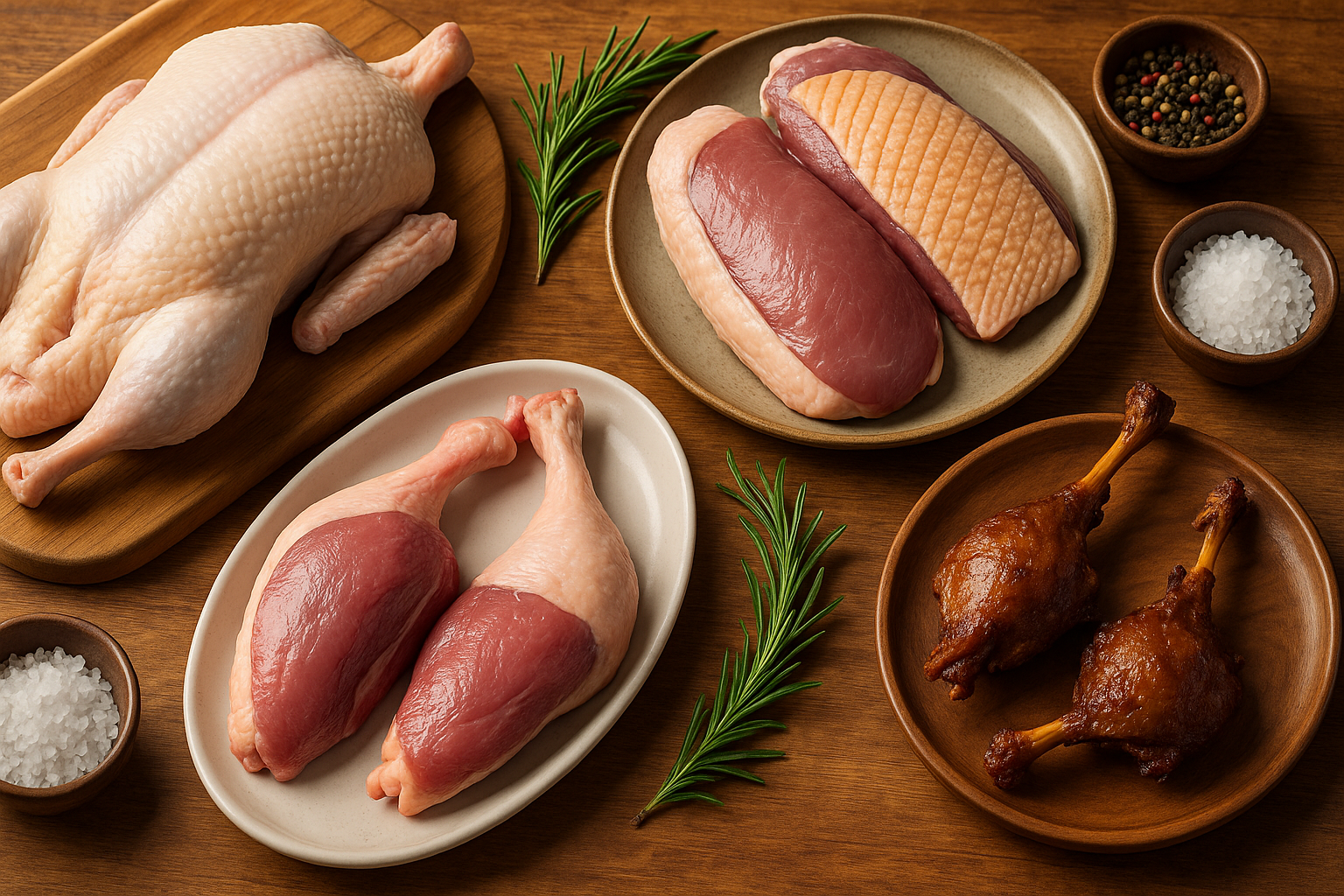
Whole Duck Prices
Frozen whole ducks from major grocery chains typically run $3-5 per pound. You’ll find these 4-6 pound birds at most supermarkets, usually sourced from large commercial producers like Maple Leaf Farms.
Fresh whole ducks cost more at $5-8 per pound. These birds offer better flavor and texture than frozen options, but you’ll pay a premium for quality. Specialty stores and high-end grocers stock fresh ducks regularly.
Heritage breed ducks command the highest prices at $8-15 per pound whole. Muscovy, Rouen, and Pekin ducks from small farms deliver exceptional taste but hit your wallet hard. These birds are worth the splurge for special occasions.
Duck Breast Pricing
Duck breasts represent the priciest cut per pound. Expect to pay $12-20 per pound for boneless, skinless breasts from standard breeds. Premium heritage breed breasts can reach $25-30 per pound.
Magret duck breasts from moulard ducks (force-fed for foie gras production) cost $18-25 per pound. These large, meaty breasts offer restaurant-quality results at home but require careful cooking to avoid overcooking.
Individual vacuum-sealed duck breasts provide convenience at a cost. You’ll pay 20-30% more than buying whole ducks and breaking them down yourself. For occasional duck cooking, the convenience factor justifies the extra expense.
Duck Legs and Thighs
Duck legs and thighs offer the best value for duck meat at $4-8 per pound. These cuts shine in slow-cooked preparations like confit, braising, and roasting. The higher fat content makes them nearly foolproof to cook.
Leg quarters (thigh and drumstick attached) typically cost less than separated pieces. You’ll save $1-2 per pound buying whole leg quarters and cutting them yourself if needed.
Duck wings run $3-6 per pound and work excellently for stocks, soups, or Asian preparations. Many butchers sell wings separately, making them perfect for budget-conscious cooks wanting duck flavor without the premium price.
Where to Buy Duck and Expected Prices
Grocery Store Options
Whole Foods stocks both fresh and frozen duck options year-round. Their 365 brand frozen ducks cost around $4 per pound, while fresh ducks run $6-8 per pound. Selection peaks during holiday seasons with expanded cut options.
Kroger, Safeway, and other major chains carry frozen whole ducks in their freezer sections. Prices hover around $3.50-4.50 per pound for standard 4-5 pound birds. Call ahead to confirm availability, as not all locations stock duck regularly.
Asian markets offer excellent duck selection and competitive pricing. Fresh whole ducks often cost $4-6 per pound, with frequent sales bringing prices lower. These markets also stock duck feet, necks, and organs for authentic preparations.
Online and Specialty Sources
D’Artagnan leads online specialty duck sales with premium heritage breeds and restaurant-quality cuts. Their whole ducks run $8-12 per pound with shipping, while individual breasts cost $20-25 per pound. Quality justifies the premium for special meals.
Local farms offer seasonal duck sales, especially in fall and winter. Prices vary widely from $6-15 per pound depending on breed and processing methods. Many farms require advance ordering for whole birds.
Costco occasionally stocks duck in their meat department, particularly around holidays. When available, whole ducks cost $4-5 per pound in multi-packs. This represents excellent value for quantity buyers.
Fresh vs Frozen Duck: Price and Quality Differences
Fresh duck costs 30-50% more than frozen equivalents but delivers superior texture and flavor. Fresh birds haven’t suffered cellular damage from freezing, resulting in better skin crisping and meat texture after cooking.
Frozen ducks work fine for braised dishes, confit, or ground preparations where texture matters less. Proper thawing takes 24-48 hours in the refrigerator for whole birds, requiring advance planning.
Flash-frozen individually quick-frozen (IQF) duck parts cost more than block-frozen whole birds but offer better quality than standard frozen options. These products split the difference between fresh and frozen in both price and performance.
Seasonal Price Fluctuations
Duck prices peak during Thanksgiving, Christmas, and Chinese New Year due to increased demand. Expect 20-40% higher prices during these periods, with fresh ducks becoming especially expensive.
Spring and summer represent the best times for duck deals. Many farms process birds in late spring, creating temporary oversupply and lower prices. Stock your freezer during these periods if you cook duck regularly.
Restaurant supply stores sometimes offer deals to home consumers during slow periods. These 10-20 pound cases of frozen duck parts provide excellent per-pound pricing for serious home cooks.
Budget-Friendly Duck Cooking Tips
Buy whole ducks and break them down yourself to maximize value. You’ll get breasts, legs, wings, and carcass for stock at a fraction of individual cut prices. Basic butchering skills pay dividends with expensive proteins like duck.
Render and save duck fat from cooking. This liquid gold costs $8-12 per jar retail but comes free with every duck you roast. Duck fat keeps for months refrigerated and elevates roasted vegetables, potatoes, and other dishes.
Make stock from duck bones and trimmings. Rich duck stock costs $6-8 per quart commercially but requires only time and basic vegetables to make at home. Freeze stock in ice cube trays for convenient portioning.
Consider duck leg confit for affordable luxury. Duck legs cost half the price of breasts but create restaurant-worthy results when slow-cooked in their own fat. One batch yields multiple meals and incredible flavor.
Quality Indicators Worth Paying For
Air-chilled processing creates superior duck but costs $1-2 more per pound than water-chilled birds. Air-chilled ducks have drier skin that crisps better and haven’t absorbed excess water weight.
Pasture-raised ducks command premium prices but offer better flavor and texture than confinement-raised birds. The meat tastes richer and less fatty, with firmer texture from natural foraging and exercise.
Dry-aged duck represents the pinnacle of quality and pricing. These birds undergo controlled aging processes that concentrate flavors and tenderize meat. Expect to pay $15-25 per pound for dry-aged whole ducks from specialty producers.
USDA organic certification adds $2-4 per pound to duck prices but ensures no antibiotics, hormones, or pesticide-treated feed. For regular duck consumers, organic certification provides peace of mind about production methods.
Smart Shopping Strategies
Build relationships with local butchers who can special-order premium ducks at better prices than retail. Many shops offer 10-15% discounts on advance orders or bulk purchases.
Join restaurant supply cooperatives or warehouse clubs that stock food service sizes. Buying 5-10 ducks at once brings per-pound costs down significantly, especially for holiday entertaining.
Follow specialty food retailers on social media for flash sales and seasonal promotions. Many high-end stores offer 20-30% discounts during slower periods to move inventory.
Consider duck subscription services for regular consumption. Monthly deliveries often provide 15-20% savings versus individual orders plus convenience of automatic delivery.
For those interested in expanding their gourmet cooking on a budget, explore our guide to gourmet meals on a budget for tasty and affordable dining which includes several duck preparation ideas.
Duck vs Other Premium Proteins
Duck pricing sits between premium chicken and specialty beef cuts. While whole chickens cost $1-3 per pound, duck’s rich flavor and versatility justify the 2-3x price premium for special occasions.
Compared to premium wagyu steaks that can cost $50+ per pound, even heritage breed duck seems reasonable. Duck provides luxury dining experiences at more accessible price points.
Lamb and duck occupy similar price ranges, with duck often offering better value due to higher fat content and fewer bones in breast cuts. Both proteins work well for holiday meals and special dinners.
If you’re interested in exploring other unique proteins, check out our guide on where to buy fresh, quality goat meat for another premium option.
Equipment for Duck Preparation
Proper duck preparation benefits from specific tools that justify their cost through better results. A sharp boning knife makes breaking down whole ducks efficient and safe, while a heavy roasting pan handles duck’s high fat content.
Digital meat thermometers become essential for duck cookery. Duck breast should reach 135°F internal temperature for medium-rare, while legs need 165°F for proper doneness. Overcooking ruins expensive duck meat quickly.
For those looking to expand their meat preparation skills, our guide to choosing steaks for best flavor and quality covers many principles that apply to selecting premium duck as well.
You can find quality duck preparation tools and check current prices on duck roasting pans on Amazon to ensure proper cooking results.
Frequently Asked Questions
Is duck more expensive than chicken?
Yes, duck costs 2-4 times more than chicken due to slower growth rates, higher feed costs, and smaller commercial production volumes. Whole ducks typically cost $3-8 per pound compared to chicken’s $1-3 per pound range. Duck’s richer flavor and higher fat content provide more satisfying meals despite the higher price.
What’s the cheapest way to buy duck?
Buying whole frozen ducks during off-season periods offers the best value at $3-4 per pound. Asian markets and warehouse stores provide competitive pricing, while breaking down whole birds yourself eliminates processing premiums. Avoid pre-portioned cuts and holiday shopping periods for maximum savings.
How much duck do I need per person?
Plan 1-1.5 pounds of whole duck per person due to bones and fat rendering. For duck breasts, calculate 6-8 ounces per serving. Duck’s rich flavor means smaller portions satisfy compared to leaner proteins like chicken or turkey.
Does expensive duck taste significantly better?
Premium heritage breed and pasture-raised ducks offer noticeably better flavor, texture, and fat quality compared to commercial varieties. The difference justifies higher prices for special occasions, though standard frozen ducks work fine for everyday cooking and learning duck preparation techniques.
Duck represents an accessible luxury protein that delivers restaurant-quality results at home. Focus on whole birds during off-peak seasons for the best value, and don’t hesitate to invest in premium breeds for special meals. The rich flavor and cooking versatility make duck worth every penny you’ll spend.
This article contains affiliate links. If you purchase through these links, we may earn a small commission at no extra cost to you.