
Pork Shoulder vs Pork Butt: Which Cut Gives You More Bang for Your Buck?
Compare pork shoulder vs pork butt prices, cooking methods, and value. Discover which cut delivers better results for smoking, braising, and BBQ applications.
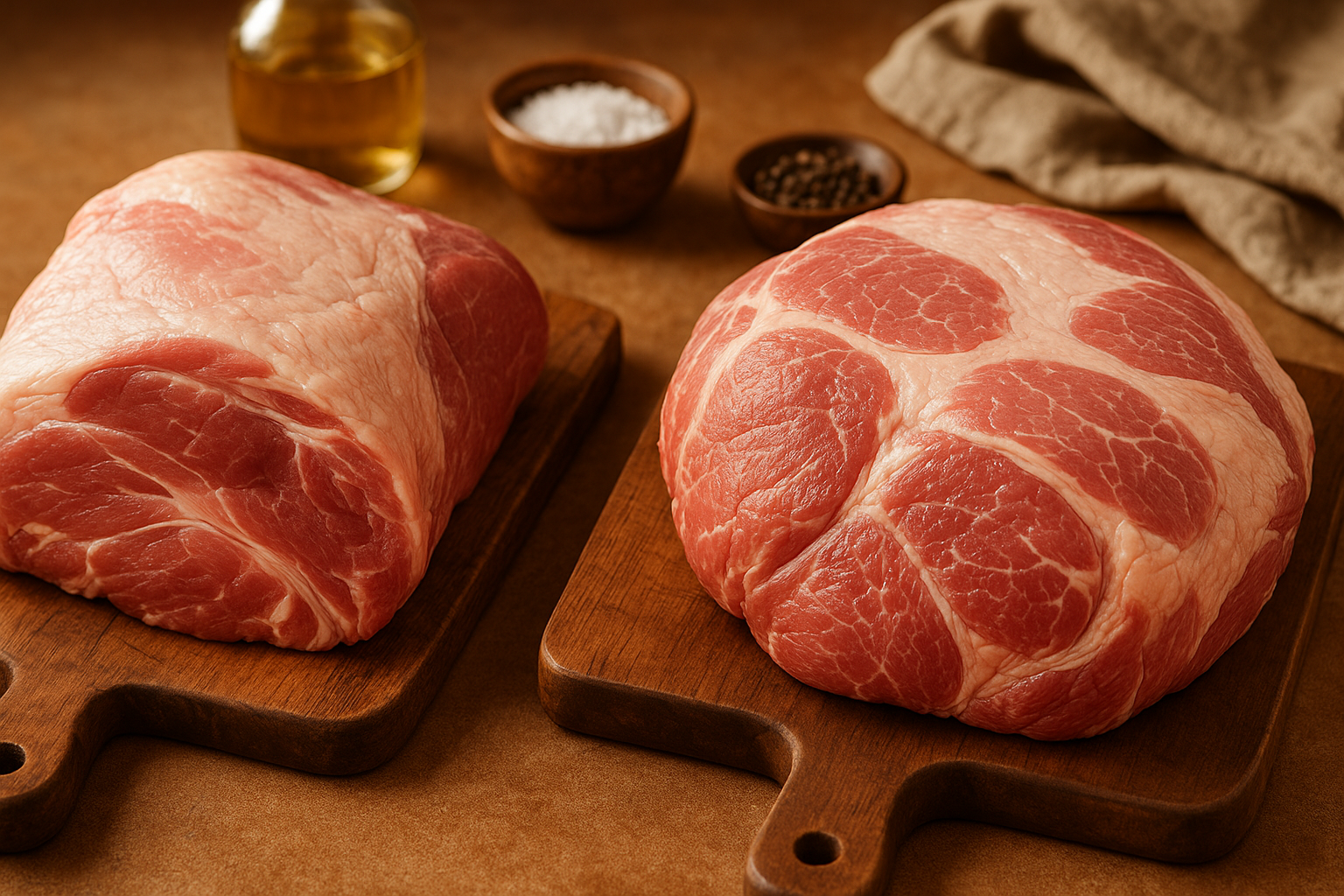
Looking at pork shoulder and pork butt at the grocery store can leave you confused about which cut delivers better value. These two popular cuts actually come from the same part of the pig but offer different advantages for your wallet and your plate.
Disclosure: As an Amazon Associate, this site earns from qualifying purchases. Thank you!
Understanding the Anatomy: Where These Cuts Actually Come From
Both pork shoulder and pork butt come from the front shoulder area of the pig, but they’re distinct sections. Pork butt (also called Boston butt) comes from the upper portion of the shoulder, while pork shoulder (or picnic shoulder) comes from the lower arm area.
The confusion starts with the names. Pork “butt” has nothing to do with the pig’s rear end. Boston butchers traditionally packed this cut into barrels called butts, giving it the misleading name that sticks today.
Pork shoulder includes the skin, more bone, and connects to the pig’s front leg. This makes it irregularly shaped with more connective tissue. Pork butt sits higher up, has a more uniform rectangular shape, and contains less bone overall.
Price Breakdown: Which Cut Saves You Money
Pork shoulder typically costs $0.50 to $1.00 less per pound than pork butt at most grocery stores. You’ll find pork shoulder ranging from $1.99 to $3.49 per pound, while pork butt runs $2.49 to $4.29 per pound depending on your location and whether it’s bone-in or boneless.
The price difference exists because pork shoulder requires more work to prepare. The irregular shape, skin, and extra bone make it less convenient for many home cooks. Grocery stores pass these savings on to you.
However, bone-in cuts of both varieties cost less than boneless versions. You’ll save about $0.75 to $1.25 per pound choosing bone-in, and the bone actually helps with flavor and moisture retention during cooking.
For pork shoulder brine techniques, the bone-in versions work exceptionally well since the bone helps distribute flavors throughout the meat.
Cooking Performance: How Each Cut Handles Different Methods
Smoking and Low-and-Slow BBQ
Pork butt wins for smoking applications. The uniform shape ensures even cooking, and the higher fat content (around 20-25%) keeps the meat moist during long smoking sessions. You’ll get more consistent results smoking a pork butt for 12-16 hours at 225°F.
Pork shoulder works for smoking too, but the irregular shape means some areas cook faster than others. The skin can become tough and chewy unless you remove it beforehand or score it properly.
Braising and Slow Cooking
Pork shoulder excels in braises and stews where you cut the meat into chunks. The extra connective tissue breaks down beautifully, creating rich, gelatinous cooking liquid. The lower price makes it perfect for feeding large groups.
For slow cooker meals, pork shoulder’s irregular shape actually helps. Different sized pieces create varied textures in the finished dish, which many people prefer over uniformly shredded meat.
Roasting Applications
Neither cut works well for traditional roasting since both require long, slow cooking to become tender. However, if you want crispy skin, pork shoulder gives you that option while pork butt doesn’t come with skin.
Flavor Profiles and Texture Differences
Pork butt delivers richer, more intense pork flavor thanks to higher marbling throughout the meat. The fat renders slowly, basting the meat from the inside. This makes it ideal for pulled pork where you want deep, concentrated flavor.
Pork shoulder has a slightly cleaner taste with less inherent richness. The meat becomes incredibly tender but maintains more individual muscle definition. You’ll notice distinct layers of meat rather than uniform shreds.
The skin on pork shoulder adds another flavor dimension when cooked properly. Perfect crackling techniques can turn that skin into a crispy, flavorful bonus that pork butt simply can’t match.
Both cuts benefit from bold seasonings and marinades. Their dense muscle fibers absorb flavors well, especially with overnight seasoning or injection marinades.
Prep Work and Convenience Factor
Pork butt requires minimal preparation. Trim excess fat if desired, apply your rub, and start cooking. The uniform shape makes it easy to estimate cooking times and plan your meal.
Pork shoulder demands more knife work. You’ll need to remove or score the skin, trim irregular fat caps, and potentially separate different muscle groups depending on your recipe. This extra work takes 10-15 minutes but can intimidate novice cooks.
For beginners, pork butt offers a more forgiving cooking experience. The extra fat prevents overcooking, and the shape makes it harder to mess up. Experienced cooks often prefer pork shoulder for its versatility and challenge.
Yield and Waste Considerations
A bone-in pork butt typically yields about 60-65% edible meat after cooking and bone removal. Bone-in pork shoulder yields slightly less at 55-60% due to the larger bone structure and skin waste.
Boneless versions of both cuts yield 75-80% edible meat, making them more efficient despite higher prices. Calculate the final cost per pound of edible meat, not just the purchase price, for accurate comparisons.
Pork shoulder’s skin can add value if you use it properly. Render it for cooking fat, make crackling, or use it to flavor soups and stews. This additional utility helps offset the lower meat yield.
Best Applications for Each Cut
Choose pork butt for pulled pork, Carolina-style barbecue, carnitas, and any application where you want uniform, shreddable meat. It’s also better for competition BBQ where appearance and consistency matter.
Pick pork shoulder for stews, braises, Cuban mojo pork, and Mexican cochinita pibil. The varied textures and lower cost make it perfect for casual family meals and large gatherings.
For smoking beginners, start with pork butt. Once you master that cut, challenge yourself with pork shoulder to expand your skills and save money.
Storage and Freezing Performance
Both cuts freeze well for up to 6 months when properly wrapped. Pork butt’s uniform shape makes it easier to portion and package for freezing. You can cut it into meal-sized portions before freezing.
Pork shoulder’s irregular shape makes portioning trickier, but you can separate it into different muscle groups before freezing. This actually creates more cooking options since you’ll have different sized pieces for various recipes.
Cooked versions of both cuts freeze excellently. Pulled pork from either cut maintains quality for 3-4 months frozen and reheats beautifully in the slow cooker with a splash of broth.
Nutritional Comparison
Both cuts provide similar nutritional profiles with high protein content and significant fat levels. Pork butt contains slightly more calories per ounce due to higher fat marbling. A 3-ounce serving of cooked pork butt contains approximately 250 calories and 20 grams of protein.
Pork shoulder delivers about 230 calories per 3-ounce serving with similar protein content. The difference is minimal and shouldn’t influence your decision between cuts.
Both cuts provide excellent sources of B vitamins, zinc, and selenium. They’re also rich in creatine and other compounds that support muscle function. For more details on pork’s nutritional benefits, check out this comparison of pork vs beef digestibility.
Equipment Recommendations for Success
A reliable meat thermometer is essential for both cuts. You need to monitor internal temperature throughout the long cooking process. Digital meat thermometers on Amazon offer the accuracy you need for perfect results.
For smoking, invest in a good quality smoker or charcoal grill with excellent temperature control. Pork shoulder’s irregular shape requires more attention to hot spots, making temperature consistency crucial.
A sharp boning knife helps with pork shoulder preparation, especially if you plan to separate muscle groups or remove skin. Quality boning knives make the prep work much easier and safer.
Regional Preferences and Availability
Southern grocery stores typically stock both cuts year-round, with pork shoulder being more common in areas with strong barbecue traditions. Northern markets often favor pork butt due to its convenience factor.
Warehouse stores like Costco and Sam’s Club offer excellent prices on both cuts, especially in larger pack sizes. You can often find pork shoulder for under $2.00 per pound during sales.
Ask your butcher to special order either cut if your grocery store doesn’t stock them regularly. Most butchers can get either cut with 2-3 days notice.
The Verdict: Which Cut Wins
For most home cooks, **pork shoulder delivers better overall value**. The lower price per pound, versatility in cooking applications, and bonus skin make it the smarter choice for budget-conscious shoppers who don’t mind a little extra prep work.
Pork butt wins if you prioritize convenience and plan to smoke or make pulled pork regularly. The consistent results and foolproof cooking make it worth the extra cost for BBQ enthusiasts.
Your decision should depend on your cooking confidence, available prep time, and intended use. Experienced cooks who enjoy working with challenging cuts will love pork shoulder’s versatility and savings. Beginners or anyone wanting guaranteed BBQ success should stick with pork butt.
Don’t forget to consider complementary ingredients like store-bought BBQ sauces for pulled pork when calculating your total meal cost.
Frequently Asked Questions
Can I substitute pork shoulder for pork butt in pulled pork recipes?
Yes, pork shoulder works excellently for pulled pork. You’ll get slightly different texture with more distinct meat strands rather than uniform shreds, but the flavor will be just as good. Remove the skin before cooking and expect slightly longer cooking times due to the irregular shape.
Which cut is better for meal prep and batch cooking?
Pork shoulder wins for meal prep because of its lower cost and versatility. You can braise a large shoulder, portion it into different meals, and use it for tacos, stews, sandwiches, and pasta dishes throughout the week. The savings add up quickly for regular meal preppers.
Do I need different cooking techniques for bone-in versus boneless versions?
Bone-in cuts of both varieties cook more evenly and retain moisture better, but they take longer to reach target temperatures. Add about 30-45 minutes to your cooking time for bone-in versions. The bone also makes temperature reading trickier, so probe the thickest part of the meat, not near the bone.
How do I know when either cut is properly cooked?
Both cuts are done when they reach 195-205°F internal temperature and feel tender when probed with a fork or thermometer. The meat should shred easily with minimal resistance. Don’t rely solely on time estimates since size variations affect cooking duration significantly.
This article contains affiliate links. If you purchase through these links, we may earn a small commission at no extra cost to you.


