Grass-Fed vs Grain-Fed Beef: Taste, Nutrition, and Price Comparison
Compare grass-fed vs grain-fed beef taste, nutrition, and prices. Learn cooking tips, health benefits, and which type offers better value for your kitchen.
Grass-fed beef costs 50% to 100% more than grain-fed, but the differences in taste, nutrition, and environmental impact make this comparison more complex than simple price tags suggest.
## Understanding Beef Production Methods
Grain-fed cattle start on pasture but spend their final 4-6 months in feedlots eating corn, soy, and other grains. This system fattens cattle quickly and produces the marbled, tender beef most Americans know. Grass-fed cattle eat pasture their entire lives, creating leaner meat with distinct flavors.
The feeding method changes everything about the final product. Grain finishing adds intramuscular fat (marbling) that melts during cooking, creating buttery textures. Grass-fed cattle develop different muscle structures from constant movement, resulting in denser, chewier meat.
Most grocery store beef comes from grain-fed operations because they’re more predictable and profitable. Grass-fed operations require more land, take longer, and produce smaller yields per animal.
## Taste and Texture Differences
**Grass-fed beef tastes like beef used to taste.** It has mineral, earthy notes with hints of the pasture where cattle grazed. Some describe it as “gamey,” but that’s just the natural flavor of beef without grain-induced fat masking it.
Grain-fed beef tastes milder and fattier. The corn and soy diet creates sweet, buttery flavors that many people prefer because it’s familiar. This beef cooks more forgivingly thanks to higher fat content.
Texture differences are significant. Grass-fed steaks require more careful cooking because they contain less fat to keep them moist. Overcook a grass-fed ribeye to medium-well, and you’ll get shoe leather. Keep it at medium-rare, and you’ll taste beef flavor that grain-fed can’t match.
For ground beef, grass-fed works excellently in burgers and meatballs where you add other fats like cheese or olive oil. The stronger beef flavor actually improves these dishes compared to bland grain-fed ground beef.
## Nutritional Content Analysis
Grass-fed beef wins the nutrition battle decisively. It contains 2-3 times more omega-3 fatty acids than grain-fed, though both remain relatively low compared to fish. More importantly, grass-fed provides a better omega-6 to omega-3 ratio.
**Vitamin and mineral content heavily favors grass-fed beef:**
– 60% more vitamin A
– 200% more vitamin E
– 40% more conjugated linoleic acid (CLA)
– Higher levels of zinc, iron, and B-vitamins
Grain-fed beef contains more total fat and calories per serving. A 4-ounce grass-fed sirloin has about 25% fewer calories than the same cut from grain-fed cattle.
The nutritional differences matter most if you eat beef regularly. Occasional beef eaters won’t notice significant health impacts either way, but families eating beef 3-4 times weekly will benefit from grass-fed’s superior nutrient profile.
## Price Comparison and Value
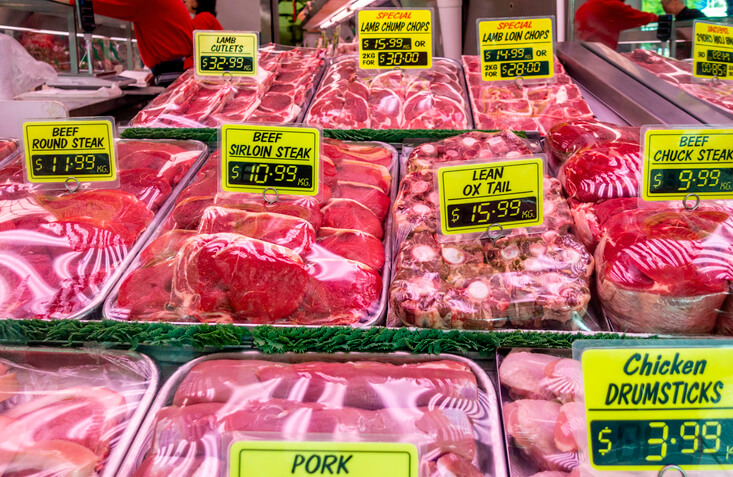
**Current grass-fed beef prices average $8-12 per pound for steaks versus $5-8 for grain-fed equivalents.** Ground grass-fed beef costs $6-8 per pound compared to $3-5 for conventional ground beef.
These price differences reflect production costs, not marketing markup. Grass-fed operations need 18-24 months to finish cattle versus 12-15 months for grain-fed. They also require significantly more land per animal.
You can find better grass-fed beef prices by buying directly from local ranchers or joining meat CSAs. Buying whole or half animals reduces costs to $4-6 per pound hanging weight, making grass-fed competitive with premium grain-fed beef.
Check current grass-fed ground beef prices on Amazon to compare with your local grocery stores. Many online retailers offer bulk purchasing that reduces per-pound costs significantly.
## Environmental Impact Considerations
Properly managed grass-fed operations improve soil health, sequester carbon, and support biodiversity. Cattle grazing mimics natural buffalo herds that shaped grassland ecosystems for millennia.
Grain-fed operations concentrate environmental impacts in feedlots and the farmland growing feed crops. They use less total land but create more concentrated pollution problems.
The environmental question isn’t simple, though. Some grass-fed operations overgraze pastures, while efficient feedlots can have lower total emissions per pound of beef produced. Location and management practices matter more than feeding method alone.
Water usage typically favors grain-fed operations because growing feed crops uses water more efficiently than maintaining pastures in arid regions. However, grass-fed operations in areas with natural rainfall have minimal water requirements.
## Cooking Tips for Each Type
**Grass-fed beef demands different cooking techniques.** Remove it from heat 5-10 degrees before your target temperature because it continues cooking from residual heat. Use a meat thermometer and aim for 125°F internal temperature for medium-rare steaks.
Add fat when cooking grass-fed beef. Brush steaks with olive oil or butter before grilling. For roasts, use lower temperatures (275-300°F) and longer cooking times to break down connective tissue without drying out the meat.
Grain-fed beef forgives cooking mistakes better. Its higher fat content keeps meat moist even if slightly overcooked. You can use higher heat methods like searing without as much risk of tough, dry results.
For both types, let steaks rest 5-10 minutes after cooking. This allows juices to redistribute and improves texture significantly.
## Best Cuts for Each Feeding Method
**Grass-fed beef excels in slow-cooked preparations.** Chuck roasts, short ribs, and brisket develop incredible flavor when braised or smoked. The stronger beef taste improves with long, slow cooking methods.
For steaks, choose grass-fed ribeye or strip steaks over lean cuts like sirloin. These cuts have enough natural fat to stay tender when cooked properly. Save grass-fed sirloin for stir-fries or fajitas where quick, high-heat cooking works well.
Grain-fed beef works better for thick steaks and roasts where you want mild flavor and tender texture. Filet mignon, porterhouse, and prime rib showcase grain-fed beef’s buttery qualities perfectly.
Ground beef from either source works well, but grass-fed ground beef makes superior chili, meat sauce, and seasoned dishes where its stronger flavor adds depth. For burgers, your preference determines which works better.
## Making the Right Choice for Your Kitchen
**Choose grass-fed beef if you prioritize nutrition, environmental concerns, and don’t mind paying extra for superior flavor.** You’ll need to adjust cooking techniques, but the payoff in taste and health benefits justifies the learning curve for serious home cooks.
Grain-fed beef makes sense if you cook beef frequently, prefer milder flavors, or want foolproof cooking results. It’s also better for households with picky eaters who might reject grass-fed’s stronger taste.
Budget considerations matter too. If choosing grass-fed means eating beef less often due to cost, you might get better overall nutrition from eating grain-fed beef more frequently rather than grass-fed occasionally.
A quality meat thermometer becomes essential regardless of which type you choose, but especially important for grass-fed beef’s more precise cooking requirements.
For more detailed comparisons of grass-fed benefits, check out our guide on grass-fed vs grain-fed beef for better health and sustainability.
## Storage and Purchasing Tips
**Buy grass-fed beef from sources you trust.** Labels like “grass-fed” aren’t strictly regulated, but “grass-fed, grass-finished” indicates cattle never ate grains. Some “grass-fed” beef comes from cattle that ate grain during finishing.
Freeze grass-fed beef in smaller portions since it’s more expensive to waste. Vacuum sealing extends freezer life to 12-18 months versus 6-9 months in regular packaging.
Purchase grain-fed beef from grocery stores with high turnover to ensure freshness. The higher fat content makes it more susceptible to rancidity than grass-fed beef during extended storage.
Consider joining a meat CSA or buying quarter/half animals to reduce grass-fed costs significantly. You’ll get a variety of cuts and learn to cook different parts of the animal, expanding your culinary skills.
## Health Considerations Beyond Nutrition
People with heart disease or high cholesterol should consider grass-fed beef’s improved fat profile. While both types contain saturated fat, grass-fed provides more anti-inflammatory omega-3s and CLA.
**Grass-fed beef contains no added hormones or antibiotics by definition.** Cattle on pasture rarely need antibiotics, and growth hormones don’t work effectively without grain-based diets.
Some grain-fed operations avoid antibiotics and hormones too, but you’ll pay premium prices approaching grass-fed costs. At that point, grass-fed becomes the better value proposition for both health and environmental benefits.
Digestibility varies between individuals, but many people report feeling better after switching to grass-fed beef. This could relate to the absence of grain-related compounds or improved fatty acid profiles.
If you’re interested in other alternative proteins, our article on yak meat taste and nutrition explores another grass-fed option with unique characteristics.
## Frequently Asked Questions
### Does grass-fed beef really taste different from grain-fed?
Yes, grass-fed beef has a more pronounced, mineral-rich beef flavor compared to grain-fed’s milder, fattier taste. The difference is immediately noticeable to most people, though preferences vary based on what you’re accustomed to eating.
### Is grass-fed beef worth the extra cost?
Grass-fed beef offers better nutrition, environmental benefits, and superior flavor for those who appreciate its characteristics. Whether it’s “worth it” depends on your budget, cooking skills, and priorities. For health-conscious cooks who eat beef regularly, the benefits often justify the higher price.
### Can you cook grass-fed beef the same way as grain-fed?
No, grass-fed beef requires modified cooking techniques due to its lower fat content. Cook it 25-50 degrees lower than grain-fed, remove from heat earlier, and add fats during cooking. It’s less forgiving but produces superior results with proper technique.
### Which type of beef is better for grilling?
Both work for grilling, but grain-fed beef forgives mistakes better due to higher fat content. Grass-fed beef creates exceptional grilled flavor if you avoid overcooking and use proper temperature control. An instant-read thermometer becomes essential for grass-fed grilling success.
## Final Verdict
**Grass-fed beef wins for nutrition, environmental impact, and flavor complexity, while grain-fed beef offers easier cooking and lower costs.** Your choice should align with your cooking confidence, budget, and health priorities.
For most home cooks, I recommend trying grass-fed beef for slow-cooked dishes like pot roasts and ground beef applications first. These preparations showcase its strengths while minimizing cooking challenges. Once you master grass-fed techniques, you’ll appreciate why many chefs and food enthusiasts consider it superior to grain-fed alternatives.
The price premium for grass-fed beef reflects real production costs and superior quality. If you can afford it and enjoy cooking challenges, grass-fed beef will improve both your meals and your health. For budget-conscious families or those who prefer familiar flavors, quality grain-fed beef remains a perfectly good choice.
This article contains affiliate links. If you purchase through these links, we may earn a small commission at no extra cost to you.