How Much Does Wagyu Beef Cost? Breaking Down the World’s Most Expensive Steak
Wagyu beef costs $50-450/lb depending on grade. Compare Japanese A5, American, and Australian Wagyu prices plus money-saving buying tips.
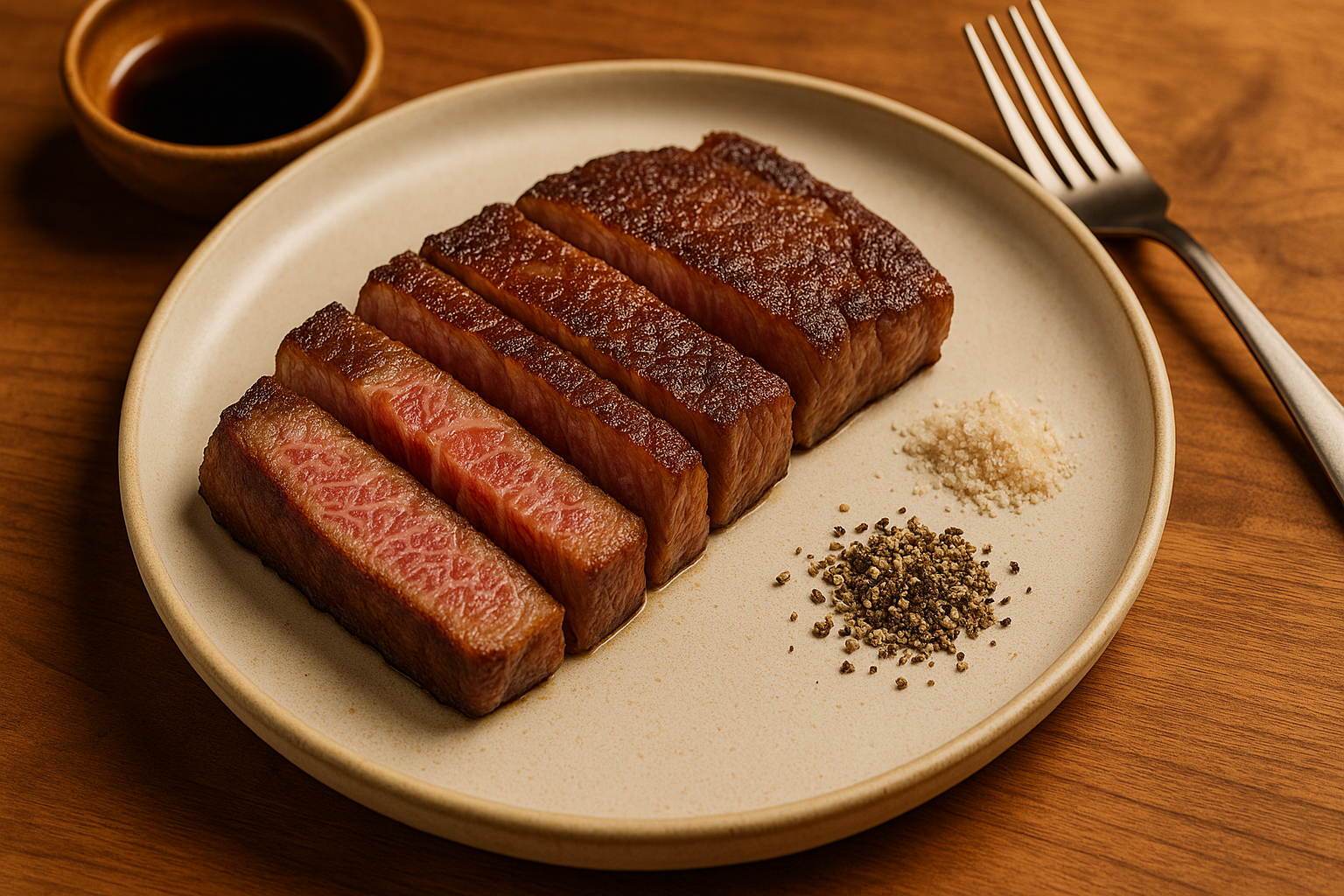
Wagyu beef prices range from $50 per pound for American Wagyu to over $400 per pound for authentic Japanese A5 grade, making it one of the most expensive proteins on the planet. The extreme cost reflects decades of selective breeding, specialized feeding programs, and strict grading standards that produce beef with unmatched marbling and flavor.
Understanding these price differences helps you make informed decisions about which type of Wagyu delivers the best value for your specific needs and budget.
Disclosure: As an Amazon Associate, this site earns from qualifying purchases. Thank you!
Japanese A5 Wagyu: The Gold Standard
Authentic Japanese A5 Wagyu represents the pinnacle of beef quality, with prices that reflect this status. You’ll pay $300 to $450 per pound for genuine A5 from regions like Kobe, Matsusaka, or Miyazaki.
A typical 8-ounce A5 ribeye steak costs between $150 and $225. These prices stem from Japan’s rigorous grading system, where only the top 3-5% of cattle earn the coveted A5 designation.
The Japanese Meat Grading Association evaluates beef on yield grade (A, B, or C) and quality grade (1 through 5). A5 beef must demonstrate exceptional marbling, bright color, firm texture, and superior fat quality. This grading precision explains why authentic Japanese Wagyu commands such premium prices.
This Business Insider video breaks down exactly why Wagyu beef commands such extraordinary prices.
American Wagyu: Premium Quality at Lower Prices
American Wagyu offers exceptional marbling and flavor at more accessible prices, typically ranging from $50 to $120 per pound. These cattle are crossbred between Japanese Wagyu and American breeds like Angus, creating beef that maintains excellent quality while reducing costs.
A 12-ounce American Wagyu ribeye usually costs $75 to $150, making it roughly half the price of Japanese A5. The quality difference exists but isn’t as dramatic as the price gap suggests.
American Wagyu producers have developed their own grading systems, often using terms like “Gold Grade” or proprietary marbling scores. While these aren’t standardized like Japan’s system, reputable American Wagyu producers consistently deliver high-quality beef.
Snake River Farms leads American Wagyu production, with their Gold Grade steaks representing excellent value. You can check current American Wagyu prices on Amazon to compare different suppliers.
Australian Wagyu: The Middle Ground
Australian Wagyu bridges the gap between American and Japanese options, with prices ranging from $80 to $200 per pound depending on the marbling score. Australia uses a marbling score system from 1 to 12, with scores 8-9 delivering exceptional quality at reasonable prices.
Australian Wagyu grades provide clear quality indicators, helping you understand exactly what you’re paying for. A marbling score 9 Australian Wagyu ribeye typically costs $120 to $180 for a 10-ounce portion.
Australian producers like Blackmore Wagyu have gained international recognition for consistently high quality. Their cattle receive Japanese bloodlines and follow traditional feeding practices adapted to Australian conditions.
Factors That Drive Wagyu Beef Costs
Genetics and Breeding Programs
Wagyu cattle genetics form the foundation of premium pricing. Original Japanese bloodlines remain tightly controlled, with only a few hundred cattle exported from Japan in the 1970s and 1990s. This genetic scarcity drives ongoing licensing fees and breeding costs.
Wagyu breeding programs require 15-20 generations to establish consistent marbling traits. This long-term investment in genetics adds significant costs that get passed to consumers.
Authentic Japanese operations maintain detailed genealogical records going back decades. Every cow receives individual attention, massage treatments, and carefully controlled diets that can cost $30-50 per day.
Feed and Raising Costs
Wagyu cattle consume specialized diets for 28-36 months compared to 18-24 months for conventional beef. This extended feeding period dramatically increases production costs.
Japanese Wagyu cattle receive diets including rice straw, barley, corn, and specialized grain mixtures. Some producers add beer or sake to stimulate appetite, though this practice is less common than marketing materials suggest.
American and Australian Wagyu operations adapt these feeding principles to local conditions. They typically use corn-based diets with supplements designed to promote marbling development.
Processing and Distribution
Limited supply chains contribute significantly to Wagyu pricing. Only certified facilities can process authentic Japanese Wagyu, and import quotas restrict availability in international markets.
Cold chain logistics for premium beef require specialized handling, adding $5-15 per pound to final costs. Many suppliers use overnight shipping with dry ice packaging to maintain quality.
Distribution networks remain relatively small compared to conventional beef, reducing economies of scale that could lower prices.
Where to Buy Wagyu Beef
Online Specialty Retailers
Online purchases offer the widest selection and competitive pricing for Wagyu beef. Reputable suppliers like Snake River Farms, Holy Grail Steak Company, and Crowd Cow provide detailed grading information and quality guarantees.
These suppliers often offer better prices than local retailers because they buy directly from producers. You’ll typically save 15-25% compared to specialty butcher shops.
Quality online suppliers provide certificates of authenticity for Japanese Wagyu and detailed marbling scores for American varieties. This transparency helps justify premium pricing.
Local Butcher Shops and Specialty Stores
High-end butcher shops stock Wagyu but usually focus on American or Australian varieties. Expect to pay 20-30% more than online prices, but you can examine the beef before purchasing.
Some Whole Foods locations carry American Wagyu, though selection varies by region. Costco occasionally stocks Wagyu products, offering the best retail pricing when available.
Restaurant supply stores sometimes sell to consumers, providing restaurant-quality Wagyu at wholesale prices. Call ahead to check availability and minimum order requirements.
Getting the Best Value from Wagyu Beef
Choose the Right Cut
Ribeye and strip steaks showcase Wagyu’s marbling best, making them worth the premium pricing. Less expensive cuts like chuck or short ribs still deliver excellent flavor at 30-40% lower prices.
Wagyu ground beef provides an affordable way to experience the flavor profile. At $25-40 per pound, it costs significantly less than steaks while maintaining superior taste and texture.
Consider portion sizes carefully. Wagyu’s rich marbling means 6-8 ounces provides a satisfying serving compared to 12-16 ounces of conventional steak.
Cooking Techniques That Maximize Value
Proper cooking techniques ensure you get maximum value from expensive Wagyu beef. Simple preparations like salt seasoning and careful temperature control work best.
Cook Wagyu steaks to medium-rare (130-135°F) to preserve the marbling that justifies premium pricing. Overcooking renders out the fat that creates Wagyu’s distinctive texture and flavor.
Room temperature starting point and high-heat searing followed by gentle finishing delivers optimal results. A quality meat thermometer becomes essential when working with $100+ steaks.
Buying Strategies That Save Money
Bulk purchases often provide 10-15% discounts from online suppliers. Splitting orders with friends or neighbors makes this practical for home cooks.
Holiday sales and end-of-year promotions can offer significant savings on Wagyu beef. Sign up for supplier newsletters to receive advance notice of sales events.
Variety packs on Amazon let you try different cuts and grades without committing to large quantities of a single option.
Comparing Wagyu to Other Premium Beef
Prime Angus beef costs $25-45 per pound for premium cuts, making it roughly half the price of American Wagyu. The quality difference is noticeable but not proportional to the price gap for many consumers.
Kobe beef represents true Japanese A5 Wagyu from the Hyogo prefecture, commanding the highest prices in the category. Unless you’re celebrating a special occasion, other Japanese A5 regions provide similar quality at lower costs.
Dry-aged prime steaks offer complex flavors that complement Wagyu’s richness. A dry-aged prime ribeye at $40-60 per pound provides different but equally satisfying eating experience.
Is Wagyu Beef Worth the Premium Price?
Wagyu beef justifies its premium pricing for special occasions and serious steak enthusiasts who appreciate subtle differences in texture and flavor. The unique marbling creates a eating experience that conventional beef simply cannot match.
For regular consumption, American Wagyu provides the best balance of quality and value. You’ll experience 80% of what makes Wagyu special at roughly 40% of Japanese A5 prices.
Budget-conscious consumers should consider Wagyu ground beef or less expensive cuts like chuck roast. These options deliver distinctive Wagyu flavors without steak-level pricing.
The extreme prices for Japanese A5 make economic sense only for special celebrations or serious beef connoisseurs. Most home cooks will find American or Australian Wagyu provides better practical value.
Frequently Asked Questions
How much should I expect to pay for authentic Japanese Wagyu?
Authentic Japanese A5 Wagyu costs $300-450 per pound from reputable suppliers. A typical 8-ounce portion ranges from $150-225. Anything significantly cheaper likely isn’t genuine Japanese Wagyu or represents lower grades.
What’s the difference between Wagyu and Kobe beef pricing?
Kobe beef is a specific type of Japanese A5 Wagyu from the Hyogo prefecture, typically costing 10-20% more than other Japanese A5 regions. Both represent the same quality grade, but Kobe’s name recognition commands premium pricing.
Can I find good Wagyu beef under $100 per pound?
American Wagyu regularly sells for $50-80 per pound and provides excellent quality. Australian Wagyu with lower marbling scores also falls into this price range while delivering superior flavor compared to conventional beef.
Why does Wagyu cost so much more than regular steak?
Wagyu pricing reflects specialized genetics, extended feeding periods (28-36 months vs 18-24), limited supply chains, and strict grading standards. These factors combine to create production costs 5-10 times higher than conventional beef.
Wagyu beef represents a significant investment that pays off for special occasions and serious steak enthusiasts. American Wagyu provides the best entry point into this category, delivering exceptional quality without the extreme costs of Japanese A5. Choose your cuts wisely, cook with care, and you’ll understand why this beef commands such premium pricing.
This article contains affiliate links. If you purchase through these links, we may earn a small commission at no extra cost to you.