How Much Does Fresh Scallops Cost? Diver vs Farm-Raised Price Guide
Fresh scallops cost $15-60/lb. Compare diver vs farm-raised prices, seasonal factors, and quality tips to get the best value for your money.
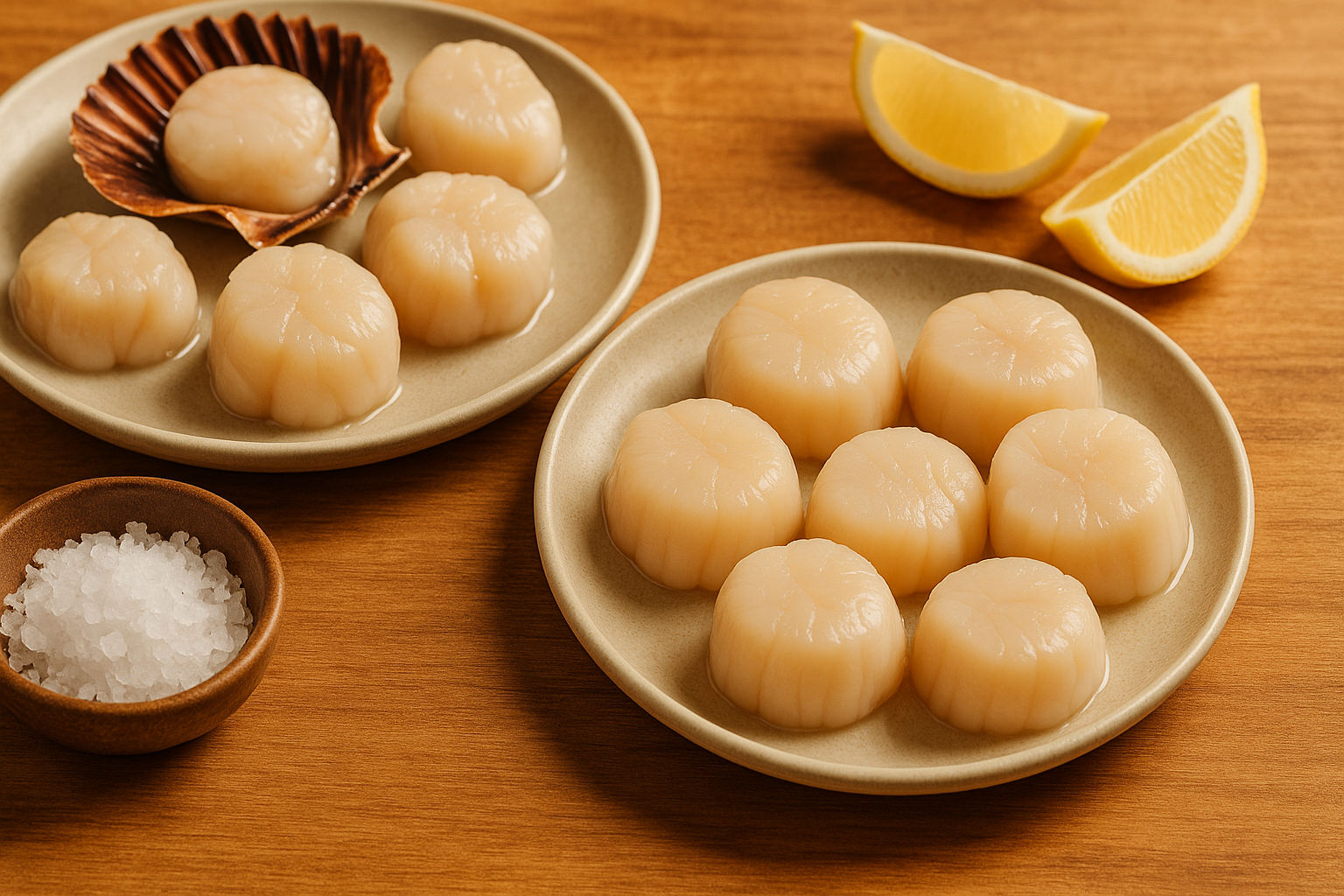
Fresh scallops range from $15 to $60 per pound depending on whether you buy farm-raised or premium diver-caught varieties. Diver scallops command the highest prices at $35-60 per pound, while farm-raised options start around $15-25 per pound at most seafood counters.
The price difference reflects more than just marketing. Diver-caught scallops are hand-selected from the ocean floor by professional divers, ensuring perfect quality and minimal damage. Farm-raised scallops grow in controlled environments but often lack the complex flavor and firm texture that make restaurant-quality dishes shine.
Disclosure: As an Amazon Associate, this site earns from qualifying purchases. Thank you!
Understanding Scallop Pricing Tiers
You’ll encounter three main categories when shopping for fresh scallops, each with distinct price points and quality characteristics.
**Farm-Raised Scallops: $15-25 per pound**
These represent the budget-friendly option at most grocery stores. Farm-raised scallops grow in suspended nets or cages in coastal waters. They’re available year-round and offer consistent sizing, though the flavor tends to be milder than wild-caught varieties.
**Day-Boat Scallops: $25-40 per pound**
Caught by fishing boats that return to port daily, these scallops spend minimal time on ice before reaching markets. They offer better flavor than farm-raised options and represent the sweet spot between price and quality for most home cooks.
**Diver Scallops: $35-60 per pound**
The premium tier involves professional divers hand-selecting individual scallops from the ocean floor. This method prevents the shell damage common with dredging and ensures only the highest quality specimens reach your plate. You’re paying for perfection here.
What Makes Diver Scallops Worth the Premium
Diver scallops justify their higher cost through superior harvesting methods that preserve both quality and ocean ecosystems. Traditional dredging scrapes the seafloor, damaging shells and stressing the meat inside. Divers select each scallop individually, ensuring intact shells and undamaged adductor muscles.
The taste difference is immediately noticeable. Diver scallops have a sweeter, more complex flavor with hints of brininess that complement their firm, meaty texture. They sear beautifully without releasing excess moisture, creating that coveted golden crust restaurants charge premium prices for.
Sustainability also factors into the cost equation. Diver harvesting creates minimal environmental impact compared to dredging, which can damage seafloor habitats. Many conscious consumers willingly pay extra for this eco-friendly harvesting method.
If you’re planning a special dinner or want to impress guests, diver scallops deliver results worth the investment. For everyday cooking or dishes where scallops aren’t the star ingredient, day-boat varieties offer excellent value.
Seasonal Price Fluctuations and Availability
Scallop prices fluctuate significantly throughout the year based on harvesting seasons and weather conditions. Understanding these patterns helps you time purchases for maximum value.
Peak season runs from October through April in most U.S. waters. During these months, you’ll find the best prices and highest quality as fishing conditions remain optimal. Expect to pay 15-25% less for fresh scallops compared to summer months.
Summer prices spike due to limited harvesting and increased restaurant demand. Many commercial operations reduce activity during rough weather periods, creating supply shortages that drive prices upward. Plan special scallop dishes for fall and winter months when possible.
Weather events can cause dramatic short-term price swings. Hurricane seasons, severe storms, or extended rough seas immediately impact supply chains. Smart shoppers stock up during stable weather periods and freeze extras for later use.
Regional variations also affect pricing. East Coast markets typically offer better scallop prices due to proximity to major harvesting areas. West Coast consumers often pay 20-30% premiums for shipped fresh scallops, making frozen alternatives more attractive.
Size Classifications and Their Impact on Cost
Scallop pricing varies significantly based on size classifications, with larger specimens commanding premium prices per pound.
**U-10 Scallops (Under 10 per pound): $45-60 per pound**
These jumbo scallops are restaurant favorites for their impressive presentation and meaty texture. Each scallop weighs over 1.5 ounces, making them perfect for searing as standalone appetizers or main course proteins.
**10-20 Count: $30-45 per pound**
The most versatile size category offers good value while maintaining substantial presence on the plate. These work excellently for searing, grilling, or incorporating into pasta dishes where you want distinct scallop pieces.
**20-30 Count: $25-35 per pound**
Mid-sized scallops excel in mixed seafood dishes, risottos, or preparations where they’re combined with other ingredients. They cook quickly and evenly while still providing satisfying bites.
**30-40 Count: $20-30 per pound**
Smaller scallops work best in soups, stews, or dishes where they’re chopped or integrated with other ingredients. While less impressive individually, they offer excellent flavor value for budget-conscious cooks.
Larger scallops aren’t necessarily better for every application. Smaller sizes often provide better value for dishes where individual presentation doesn’t matter. Consider your intended use before automatically choosing the biggest available option.
Fresh vs Frozen: Price and Quality Considerations
Fresh scallops cost significantly more than frozen varieties, but the price difference doesn’t always translate to proportional quality improvements.
Truly fresh scallops that have never been frozen offer the best texture and flavor. They should smell like clean ocean water without any fishy odors. The meat appears translucent with a slight pink or ivory color. These premium specimens justify their higher cost for special occasions.
Many “fresh” scallops sold in grocery stores were previously frozen and thawed for display. These cost more than buying frozen yourself but don’t offer the quality benefits of never-frozen scallops. Ask your fishmonger about the freezing history before paying fresh prices.
High-quality frozen scallops often outperform thawed “fresh” options while costing 30-40% less. Flash-frozen scallops maintain excellent texture when properly thawed. Buy frozen when fresh options have been sitting in display cases for unknown periods.
The key to successful frozen scallops lies in proper thawing technique. Transfer them to the refrigerator 12-24 hours before cooking, allowing slow, even thawing that preserves texture. Never use hot water or microwave thawing, which creates tough, rubbery results.
Where to Buy Fresh Scallops for Best Value
Your purchasing location significantly impacts both price and quality when buying fresh scallops.
**Local Fish Markets**
Independent fish markets typically offer the best combination of price, quality, and expertise. Knowledgeable fishmongers can explain sourcing, provide preparation tips, and often negotiate prices for larger quantities. They usually receive fresher products than chain stores.
**Warehouse Clubs**
Costco and Sam’s Club offer excellent value on frozen scallops, often selling restaurant-quality products at wholesale prices. Their frozen options frequently outperform “fresh” scallops at traditional grocery stores while costing significantly less per pound.
**High-End Grocery Stores**
Whole Foods, Fresh Market, and similar retailers stock premium diver scallops but charge accordingly. Their quality standards are generally excellent, though you’ll pay maximum prices for the convenience and selection.
**Online Specialty Retailers**
Companies like Fulton Fish Market or local coastal suppliers ship fresh scallops nationwide. While shipping costs add to the total price, you can access premium varieties unavailable locally. This option works best for special occasions or bulk purchases.
**Direct from Fishermen**
Coastal areas sometimes offer direct sales from fishing operations. These provide the best prices and freshness but require timing your visit with boat arrivals. Building relationships with local fishermen can yield excellent long-term value.
Many seafood enthusiasts overlook the [nutritional benefits of scallops compared to other shellfish](https://priceofmeat.com/26519/which-is-healthier-to-eat-shrimp-or-scallops/), making them an excellent choice beyond just taste preferences.
Cooking Tips to Maximize Your Scallop Investment
Proper preparation techniques ensure you get full value from premium scallop purchases.
Remove the side muscle before cooking. This tough, chewy strip runs along the side of each scallop and detracts from the tender main muscle. Simply pinch and pull it away with your fingers.
Pat scallops completely dry before searing. Excess moisture prevents proper browning and creates steamed rather than seared results. Use paper towels to thoroughly dry each scallop, then let them sit uncovered for 10-15 minutes before cooking.
Don’t overcrowd the pan during searing. Scallops need space to develop proper caramelization. Cook in batches if necessary, maintaining at least an inch between each scallop in the pan.
Use high heat and minimal movement. Heat your pan until smoking, add a thin layer of neutral oil, then place scallops carefully. Don’t move them for 2-3 minutes until golden crust forms. Flip once and cook another 1-2 minutes.
Season simply to highlight natural flavors. Salt, pepper, and a squeeze of lemon complement scallops without overwhelming their delicate taste. Save heavy sauces for cheaper proteins where masking flavors doesn’t waste money.
This video shows the intensive work behind sustainable shellfish harvesting, helping explain why premium seafood commands higher prices.
Spotting Quality Issues That Affect Value
Learning to identify quality problems prevents overpaying for inferior scallops.
**Soaked Scallops**
Many processors soak scallops in sodium tripolyphosphate (STP) to increase weight and extend shelf life. These “wet” scallops appear unnaturally white and plump but shrink dramatically during cooking while releasing excess liquid. They cost the same as “dry” scallops but deliver less actual meat.
**Old or Thawed Scallops**
Fresh scallops should smell clean and oceanic. Any fishy, ammonia, or sour odors indicate age or poor handling. The texture should be firm and springy, not mushy or slimy. Avoid scallops sitting in pools of liquid in display cases.
**Broken or Damaged Specimens**
Cracked or broken scallops cook unevenly and lose moisture rapidly. While these might be discounted, they rarely provide good value compared to intact specimens. Save money elsewhere rather than accepting damaged protein.
**Incorrect Storage**
Scallops displayed on ice should be well-drained and consistently cold. Those sitting in melted ice water or at room temperature have compromised quality regardless of initial grade. Trust your instincts about storage conditions.
Understanding [why scallops command premium prices](https://priceofmeat.com/2757/why-scallops-are-so-expensive/) helps you make informed decisions about when the investment makes sense for your cooking goals.
Storing Fresh Scallops to Preserve Quality
Proper storage techniques prevent waste and maintain the quality you paid premium prices to obtain.
Use fresh scallops within 24-48 hours of purchase for best results. Unlike some seafood that improves with brief aging, scallops deteriorate quickly once harvested. Plan your cooking timeline before purchasing.
Store scallops in the coldest part of your refrigerator, typically the back of the bottom shelf. Place them in a perforated container over ice, allowing drainage while maintaining consistent temperature. Replace ice as it melts.
Never store scallops in sealed plastic bags or containers without drainage. Trapped moisture accelerates spoilage and creates the slimy texture that ruins expensive ingredients. Air circulation helps maintain quality.
Freeze scallops only if you can’t use them within two days. Wrap individually in plastic wrap, then place in freezer bags with dates. Properly frozen scallops maintain quality for up to three months.
Consider proper [storage solutions for raw proteins](https://priceofmeat.com/43341/best-storage-solutions/) to maximize the shelf life of your seafood investments.
Frequently Asked Questions
Are diver scallops really worth double the price of regular scallops?
Diver scallops justify their premium for special occasions or dishes where scallops are the main attraction. Their superior flavor, texture, and searing ability create restaurant-quality results at home. For everyday cooking or mixed dishes, day-boat scallops offer better value without sacrificing too much quality.
How can I tell if scallops have been treated with chemicals?
Treated scallops appear bright white and unusually plump compared to natural ivory or pink-tinged specimens. They often sit in excess liquid and feel spongy rather than firm. Ask your fishmonger specifically for “dry” or “chemical-free” scallops, which cost the same but provide better cooking results.
What’s the best size scallop for home cooking?
U-20 count scallops (10-20 per pound) offer the best balance of presentation and value for most home cooks. They’re large enough to sear properly and create impressive dishes while remaining more affordable than jumbo U-10 specimens. Smaller sizes work well for soups or pasta dishes where individual presentation matters less.
Can I get restaurant-quality results with frozen scallops?
High-quality frozen scallops can produce excellent results when properly thawed and prepared. The key lies in slow thawing, thorough drying, and proper searing technique. Many restaurants use frozen scallops during off-seasons, proving that preparation matters more than fresh versus frozen status.
Fresh scallop pricing reflects real differences in harvesting methods, handling, and quality. While diver scallops command premium prices, they deliver corresponding improvements in flavor and texture for special occasions. Day-boat varieties offer excellent value for most home cooking applications.
Time your purchases during peak seasons from October through April for best prices and quality. Focus on proper storage and preparation techniques to maximize your investment regardless of which grade you choose. The difference between good and great scallop dishes often comes down to technique rather than spending extra money on the highest grade available.
For tools that help you prepare premium ingredients properly, check out these specialized searing pans designed for perfect scallop preparation.
This article contains affiliate links. If you purchase through these links, we may earn a small commission at no extra cost to you.