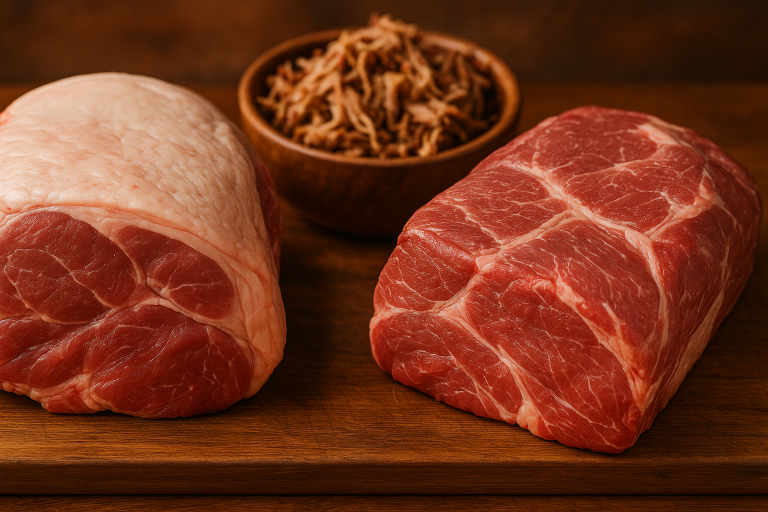
Perfect Pork Tenderloin with Apple Sage Stuffing Recipe
Step-by-step recipe for butterflied pork tenderloin stuffed with savory apple sage mixture. Includes temperature guidelines and wine pairings.
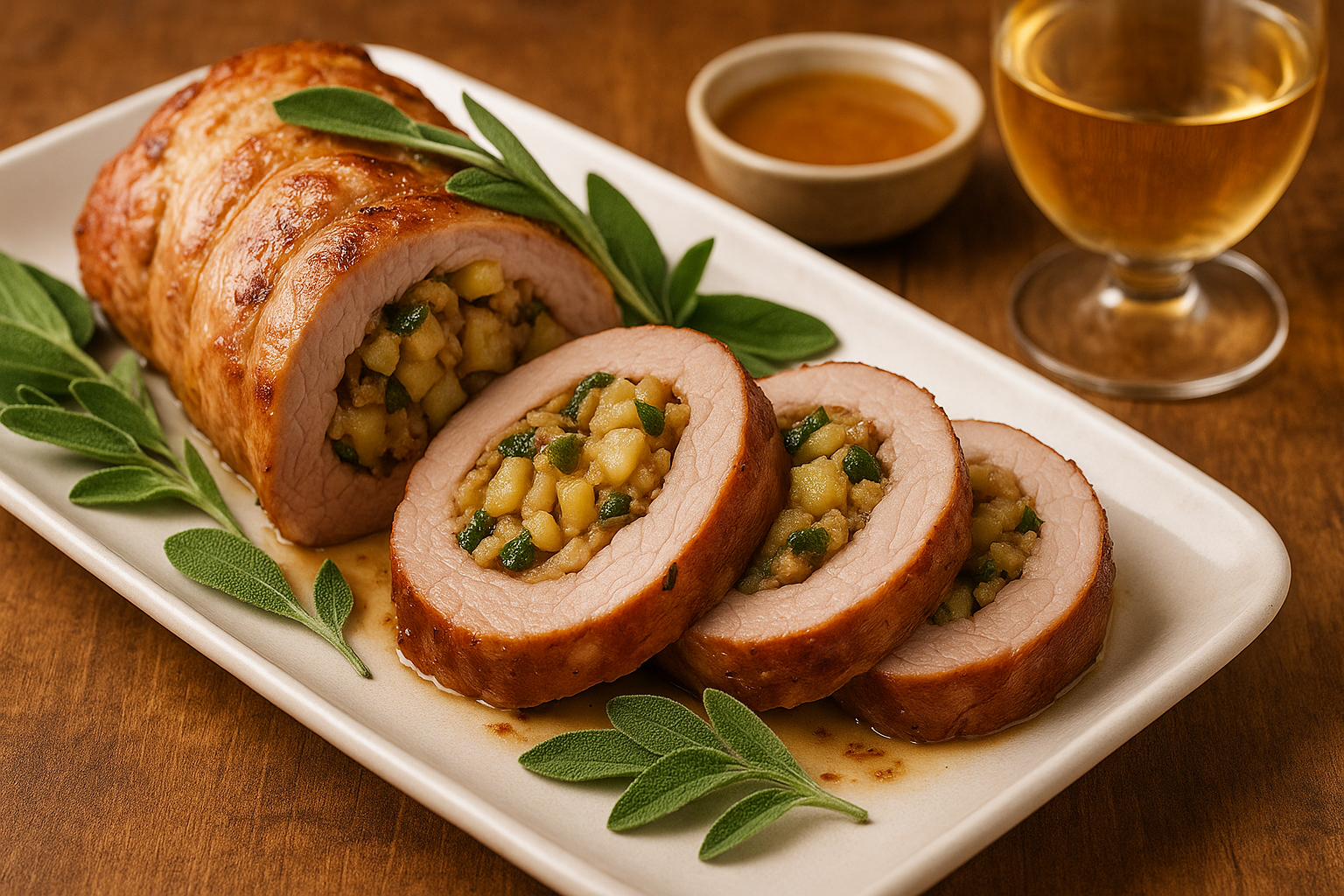
Pork tenderloin stuffed with apple sage filling transforms an ordinary weeknight dinner into something restaurant-worthy. This butterflied and rolled technique keeps the meat incredibly juicy while adding layers of savory-sweet flavor that make your kitchen smell amazing.
Disclosure: As an Amazon Associate, this site earns from qualifying purchases. Thank you!
Why Apple and Sage Work Perfectly with Pork
The sweetness of apples balances pork’s richness while sage adds an earthy depth that prevents the dish from being too sweet. Fresh sage works better than dried here because it won’t turn bitter during the longer cooking time required for stuffed tenderloin.
Granny Smith apples hold their shape during cooking and provide just enough tartness to cut through the pork’s fat. Honeycrisp works too, but you’ll get a softer texture and more sweetness.
Choosing the Right Pork Tenderloin
Look for tenderloins that weigh between 1 to 1.5 pounds each. Smaller ones cook too quickly and don’t leave enough room for stuffing. Larger ones take forever to cook through and often dry out on the outside.
You’ll want to remove the silver skin completely. That tough membrane shrinks during cooking and will cause your stuffed tenderloin to curl unevenly. A sharp boning knife makes this job much easier than struggling with a regular chef’s knife.
For the best selection and consistent quality, I recommend checking current prices on Amazon’s fresh meat selection if you can’t find good options locally.
Perfect Apple Sage Stuffing Recipe
This stuffing mixture provides enough filling for two medium pork tenderloins without being so wet that it makes the meat soggy.
Ingredients for the Stuffing
- 2 Granny Smith apples, peeled and diced small
- 1 medium yellow onion, finely chopped
- 3 cloves garlic, minced
- 2 tablespoons fresh sage leaves, chopped
- 1 cup panko breadcrumbs
- 1/2 cup chicken stock
- 2 tablespoons butter
- 1 teaspoon salt
- 1/2 teaspoon black pepper
- 1/4 teaspoon ground thyme
Making the Stuffing
Heat butter in a large skillet over medium heat. Add onions and cook for 4-5 minutes until they start to soften. Don’t rush this step because properly cooked onions add sweetness that raw ones can’t provide.
Add garlic and cook for another minute until fragrant. Toss in the diced apples, sage, salt, pepper, and thyme. Cook for 3-4 minutes until the apples just start to soften but still hold their shape.
Remove from heat and stir in panko breadcrumbs and chicken stock. The mixture should be moist but not soggy. If it seems dry, add stock one tablespoon at a time. Let this cool completely before stuffing your pork.
How to Butterfly Pork Tenderloin
Place the tenderloin on a cutting board with the thicker end to your right if you’re right-handed. Using a sharp knife, make a horizontal cut about 1/3 of the way up from the bottom, cutting toward the center but stopping about 1/2 inch before you cut all the way through.
Open this flap like a book, then make another cut in the thicker portion, again stopping before cutting completely through. You want the meat to lay flat in a roughly rectangular shape.
Pound the butterflied tenderloin gently with a meat mallet to even out the thickness. Aim for about 1/2 inch thick throughout. This ensures even cooking and makes rolling much easier.
Stuffing and Rolling Technique
Season the inside of the butterflied pork with salt and pepper. Spread your cooled stuffing evenly across the surface, leaving about 1/2 inch border on all sides. Don’t overstuff or the filling will squeeze out during cooking.
Starting from one long side, roll the pork tightly but not so tight that you squeeze out the stuffing. The roll should feel firm but give slightly when pressed.
Tie the rolled tenderloin with kitchen twine every 1.5 inches. Start with a piece around the center, then work your way to the ends. This keeps everything together and ensures even cooking.
A good set of kitchen twine makes this job much easier and gives you better control than trying to use regular string.
Cooking Methods and Temperatures
I prefer searing the stuffed tenderloin first, then finishing in the oven. This gives you a beautiful crust while ensuring the center cooks evenly.
Oven Method
Preheat your oven to 400°F. Heat 2 tablespoons of oil in an oven-safe skillet over medium-high heat. Sear the rolled tenderloin on all sides until golden brown, about 2-3 minutes per side.
Transfer the skillet directly to the oven and roast for 15-20 minutes until the internal temperature reaches 145°F. This technique works particularly well with cast iron pork tenderloin cooking methods.
Let the pork rest for 5 minutes before slicing. The internal temperature will rise another 5 degrees during resting, giving you perfectly cooked, juicy meat.
Grilling Method
Set up your grill for indirect cooking with the temperature around 375°F. Sear the stuffed tenderloin over direct heat for 2-3 minutes per side, then move to the indirect side.
Cook for 12-18 minutes, turning once halfway through. Use a meat thermometer to check for 145°F internal temperature. Grilling adds a subtle smoke flavor that pairs beautifully with the apple sage stuffing.
Wine Pairing Suggestions
Pinot Noir works exceptionally well with this dish because its light tannins won’t overpower the pork while its fruit notes complement the apples. Oregon Pinot Noirs are particularly good matches.
For white wine lovers, a Viognier or Chardonnay with some oak aging provides enough body to stand up to the sage while echoing the apple flavors. Avoid overly oaked wines that will clash with the herbs.
If you prefer beer, choose a Belgian-style farmhouse ale or a wheat beer with coriander. The spice notes play well with sage while the light body won’t compete with the pork.
This video demonstrates the butterflying technique and shows exactly how the finished dish should look.
Serving Suggestions and Side Dishes
Slice the rested tenderloin into 1-inch thick rounds to show off the beautiful spiral of stuffing. Arrange on a platter and drizzle with any pan juices for extra flavor.
Roasted root vegetables like carrots, parsnips, and Brussels sprouts complement the fall flavors perfectly. The vegetables can roast in the same oven while your pork rests.
For more ideas, check out these best side dishes for pork tenderloin that will complete your meal beautifully.
Storage and Reheating Tips
Leftover stuffed pork tenderloin keeps in the refrigerator for up to 3 days. Slice only what you need and keep the rest of the roll intact to prevent drying out.
To reheat, slice cold pork and warm gently in a 300°F oven for 8-10 minutes. Covering with foil helps retain moisture. Avoid microwaving, which makes the meat tough and rubbery.
You can also use cold sliced pork in sandwiches or salads. The apple sage flavors actually develop more complexity after a day in the refrigerator.
Troubleshooting Common Problems
If your stuffing falls out during cooking, you either overfilled the tenderloin or didn’t tie it securely enough. Less is more with stuffing, and tighter twine spacing helps keep everything together.
Dry pork usually means overcooking. Invest in a good instant-read thermometer and pull the meat at exactly 145°F. The carryover cooking during resting will bring it to the perfect temperature.
A reliable instant-read thermometer takes the guesswork out of cooking pork to the perfect temperature every time.
Uneven cooking happens when the butterflied meat varies too much in thickness. Take time to pound it evenly, and your results will improve dramatically.
Make-Ahead Options
You can stuff and tie the pork tenderloins up to 24 hours ahead. Keep them covered in the refrigerator and bring to room temperature 30 minutes before cooking.
The stuffing can be made 2 days in advance and stored separately. Just make sure it’s completely cool before using, and give it a quick stir to redistribute moisture.
This make-ahead flexibility makes stuffed pork tenderloin perfect for entertaining. You do all the prep work earlier, then just sear and roast when guests arrive.
Frequently Asked Questions
Can I use pork loin instead of tenderloin for this recipe?
Pork loin works but requires longer cooking times and more careful temperature monitoring. The loin is larger and less tender than tenderloin, but it’s also less expensive. Expect to add 10-15 minutes to your cooking time and check temperature in multiple spots.
How do I know when the stuffed pork is done without a thermometer?
Cut into the thickest part and look for juices that run clear, not pink. The meat should be slightly firm to the touch but still give when pressed. However, a thermometer is really your best bet for perfectly cooked pork every time.
Can I freeze stuffed pork tenderloin?
You can freeze the assembled, uncooked tenderloins for up to 3 months. Wrap tightly in plastic wrap, then foil. Thaw completely in the refrigerator before cooking, and add 5-10 minutes to your cooking time since the meat will be very cold.
What other fruits work well in pork tenderloin stuffing?
Pears, dried cranberries, and figs all pair beautifully with pork. Pears work similarly to apples but with a softer texture. Dried fruits add concentrated sweetness and interesting texture contrast. Just adjust the liquid in your stuffing recipe accordingly.
Final Thoughts
This stuffed pork tenderloin recipe delivers restaurant-quality results at home without requiring advanced techniques. The combination of proper butterflying, flavorful stuffing, and accurate temperature control gives you juicy, impressive meat every time.
The apple sage filling works year-round but feels especially perfect for fall and winter dinners. Master this technique and you’ll have a show-stopping centerpiece that’s actually easier than most people think.
This article contains affiliate links. If you purchase through these links, we may earn a small commission at no extra cost to you.