What Is Mortadella? Understanding Italy’s Gourmet Bologna
Discover authentic Italian mortadella – its taste, production, and how it differs from bologna. Complete guide to this premium Italian cold cut.
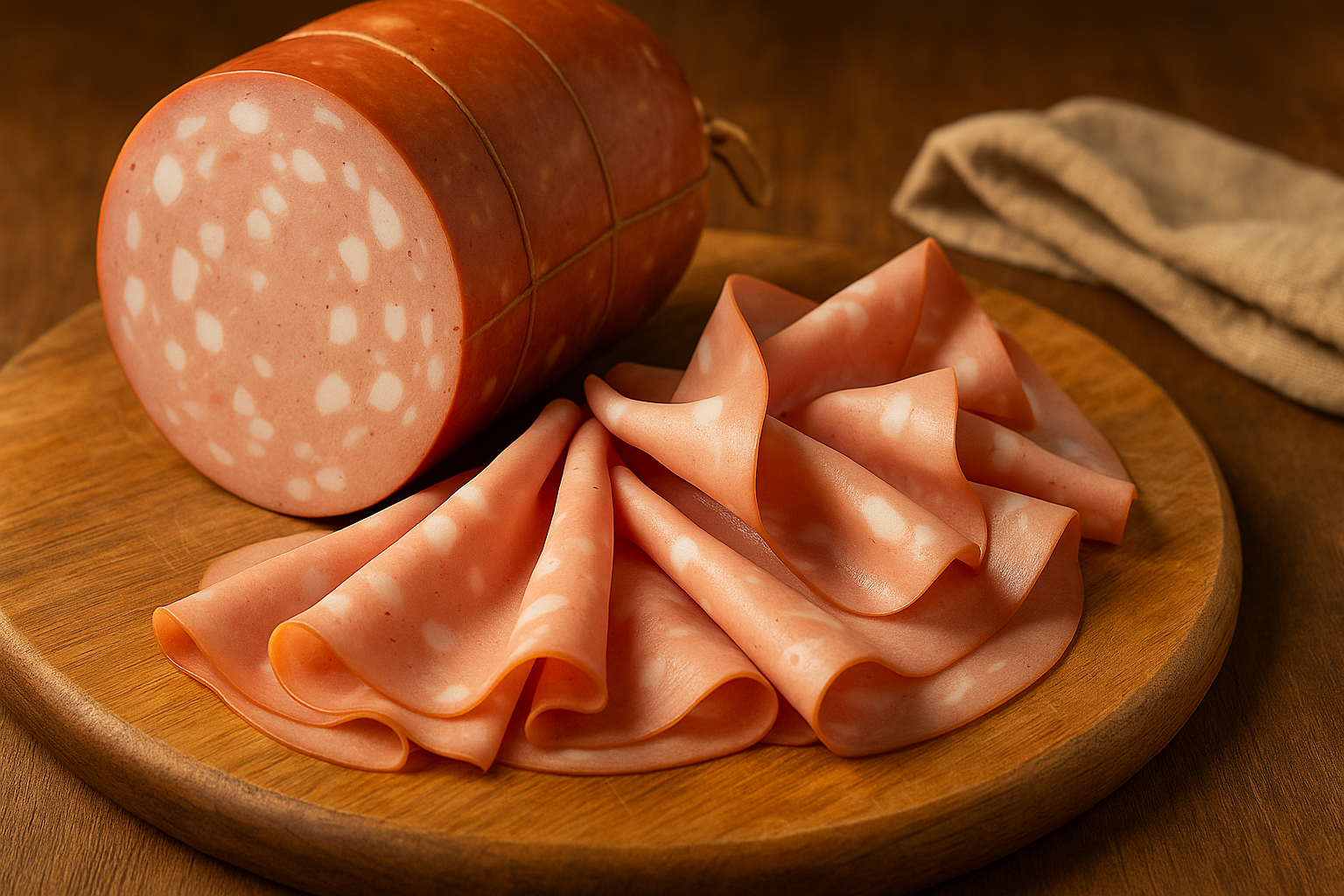
Mortadella is Italy’s sophisticated answer to bologna, featuring a silky texture studded with pistachios and a complex flavor profile that makes American deli meat taste like cardboard. This iconic Italian charcuterie deserves respect on your sandwich board and understanding in your kitchen.
## What Is Mortadella?
Mortadella is a traditional Italian cold cut that originated in Bologna during the Roman era. Unlike its American cousin, authentic mortadella contains finely ground pork, cubes of pork fat, and often pistachios, all encased in natural or synthetic casing and slow-cooked at low temperatures.
The production process matters. Real mortadella gets emulsified to create that signature smooth texture, then studded with precise cubes of back fat and whole pistachios. The mixture goes into large casings and cooks in dry air ovens at around 175°F for up to 24 hours, depending on size.
You’ll recognize quality mortadella by its pale pink color, visible fat cubes, and the occasional green pistachio. The texture should be smooth and slightly bouncy, never mushy or grainy.
This video breaks down exactly what makes mortadella unique and worth seeking out.
## Mortadella vs Bologna: Why They’re Not The Same
The biggest difference between mortadella and bologna lies in quality and production methods. American bologna typically uses mechanically separated meat scraps, artificial flavors, and gets stuffed with fillers and preservatives. Mortadella uses whole cuts of pork, minimal additives, and traditional aging techniques.
**Texture tells the story.** Bologna has that familiar rubbery bounce and uniform pink color. Mortadella feels silky and substantial, with visible marbling from the fat cubes and occasional nuts or peppercorns.
**Flavor profiles differ dramatically.** Bologna tastes salty and one-dimensional, often with artificial smoke flavoring. Mortadella offers layers of pork richness, subtle spicing (usually white pepper and myrtle), and nutty complexity from pistachios.
**Price reflects quality.** You’ll pay $3-4 per pound for decent bologna, while authentic Italian mortadella runs $12-18 per pound. The difference justifies itself in one bite.
Even [healthier bologna options](https://priceofmeat.com/39436/healthy-bologna-buying-guide/) can’t match mortadella’s ingredient quality and traditional production methods.
## The Authentic Mortadella Taste Experience
Mortadella tastes like premium pork pâté in sausage form. The dominant flavor comes from high-quality pork shoulder and back fat, creating a rich, meaty base that coats your palate without being greasy.
The spicing stays subtle. Traditional mortadella uses white pepper, coriander, and sometimes myrtle berries for a gentle warmth and aromatic complexity. You won’t get the sharp sodium hit of processed lunch meat.
**Fat distribution creates the magic.** Those visible white cubes aren’t just for show. They melt slightly at room temperature, releasing concentrated pork flavor and creating textural interest. Each bite combines smooth emulsified meat with little pockets of rich fat.
**Pistachios add sophistication.** Quality mortadella includes Sicilian pistachios that provide subtle nuttiness and visual appeal. Some producers use peppercorns instead, offering mild heat and aromatic notes.
The finish stays clean and pleasant, unlike bologna’s lingering artificial aftertaste. You can eat mortadella straight from the package and actually enjoy it.
## How Mortadella Is Made
Traditional mortadella production follows strict protocols that separate it from industrial lunch meat. The process starts with selecting prime pork shoulder and back fat in specific ratios, usually 70% lean to 30% fat.
**The emulsification process creates the texture.** Producers grind the pork shoulder extremely fine while keeping it cold, then slowly add ice water to create a smooth paste. This emulsion gets seasoned with salt, white pepper, and traditional spices.
**Fat cubes get added by hand.** Back fat gets diced into precise 6-8mm cubes and folded into the emulsified meat along with whole pistachios. This distribution requires skill to maintain even spacing throughout each log.
**Casing and cooking separate quality producers.** The mixture goes into natural beef casings or high-quality synthetic ones, then gets tied and shaped. Cooking happens in specialized ovens with precise humidity and temperature control.
**Time creates flavor.** The cooking process takes 12-24 hours at temperatures around 175°F. This slow, gentle heat develops flavor while maintaining the delicate texture that makes mortadella special.
## Regional Variations and Styles
Bologna produces the most famous mortadella, but different Italian regions offer their own interpretations. Mortadella di Bologna IGP (Protected Geographical Indication) sets the gold standard with strict ingredient and production requirements.
**Mortadella with olives** comes from southern Italy and substitutes green olives for pistachios. The briny flavor creates a completely different eating experience that pairs beautifully with fresh mozzarella.
**Truffle mortadella** represents the luxury end of the spectrum. These versions include real truffle pieces and command premium prices, but deliver incredible flavor complexity for special occasions.
**Size variations affect texture and flavor.** Small mortadellas (2-3 pounds) cook faster and have more concentrated flavors. Giant ones (20+ pounds) develop deeper, more complex tastes during their longer cooking times.
American producers make decent mortadella-style products, but they can’t legally use the “Mortadella di Bologna” name without meeting European production standards.
## Buying and Storing Mortadella
Look for mortadella at Italian specialty stores, high-end delis, or gourmet markets. Whole Foods and similar chains often carry respectable versions, though selection varies by location.
**Check the ingredient list first.** Quality mortadella contains pork, salt, natural spices, and maybe pistachios. Avoid versions with sodium nitrite, artificial flavors, or corn syrup. The shorter the ingredient list, the better.
**Ask for thick slices.** Mortadella shines when cut to 1/4-inch thickness or more. Paper-thin slicing destroys the texture and makes it taste like expensive bologna.
**Store it properly.** Whole mortadella keeps for weeks in the refrigerator when wrapped tightly. Sliced mortadella should be consumed within 3-4 days for best quality.
You can find quality imported mortadella through [specialty Italian food retailers on Amazon](https://www.amazon.com/s?k=italian+mortadella+imported&tag=priceofmeat1-20) if local options disappoint.
## Serving and Pairing Mortadella
Mortadella works best at room temperature where the fat softens slightly and the flavors open up. Take it out of the refrigerator 15-20 minutes before serving for optimal taste and texture.
**Classic Italian preparations respect the meat.** Serve mortadella on crusty bread with fresh butter, or create a simple antipasto with good olive oil and black pepper. The goal is highlighting the mortadella, not masking it.
**Cheese pairings require balance.** Fresh mozzarella and ricotta complement mortadella’s richness without competing. Aged cheeses like Parmigiano-Reggiano can overpower the subtle flavors. Consider exploring [gourmet cheese pairings](https://priceofmeat.com/35466/cheese-slices/) that enhance rather than dominate.
**Wine matching follows Italian tradition.** Light reds like Sangiovese or crisp whites like Vermentino balance mortadella’s richness. Avoid heavy, tannic wines that clash with the delicate pork flavors.
**Modern applications expand possibilities.** Mortadella works beautifully in [thinly sliced preparations](https://priceofmeat.com/39417/thinly-sliced-meat-recipes/) for elegant canapés or wrapped around fresh figs for sophisticated appetizers.
## Nutritional Profile and Health Considerations
Mortadella contains more calories and fat than lean meats, but the nutritional profile beats most processed lunch meats. A 2-ounce serving provides about 230 calories, 18 grams of fat, and 15 grams of protein.
**The fat content isn’t necessarily bad.** Mortadella’s fat comes primarily from pork back fat, which contains beneficial monounsaturated fats and essential fatty acids. This beats the trans fats and artificial additives in many processed meats.
**Sodium levels vary by producer.** Quality mortadella contains less sodium than typical bologna because traditional production doesn’t rely heavily on salt for preservation. Check labels and choose brands with under 400mg sodium per serving.
**Protein quality stays high.** Unlike mechanically separated meat products, mortadella uses whole muscle meat that provides complete protein with all essential amino acids.
For health-conscious consumers, mortadella makes a better choice than conventional bologna, though it shouldn’t become a daily staple. The [health implications of processed meats](https://priceofmeat.com/26883/is-bologna-good-or-bad-for-you/) apply here too, but quality ingredients matter.
## Making Mortadella at Home
Home mortadella production requires specialized equipment and careful temperature control, but dedicated charcuterie enthusiasts can achieve good results. You’ll need a powerful food processor, meat grinder, and precise thermometer.
**Start with quality ingredients.** Use pork shoulder with about 25% fat content, plus additional back fat for the cubes. Source whole white peppercorns and good pistachios for authentic flavor.
**Temperature control prevents failure.** Keep everything cold during grinding and emulsification. The mixture should never exceed 35°F during processing or the emulsion will break.
**Casing selection affects results.** Natural beef middles work best but synthetic casings designed for mortadella provide consistent results for beginners. Avoid regular sausage casings which are too small.
**Smoking isn’t traditional.** Unlike many American sausages, mortadella gets its flavor from the meat and spices, not smoke. Cook in a regular oven with good temperature control rather than a smoker.
Consider investing in a [quality meat grinder from Amazon](https://www.amazon.com/s?k=electric+meat+grinder+commercial+grade&tag=priceofmeat1-20) if you plan to make charcuterie regularly.
## Regional Italian Alternatives to Explore
Italian salumeria offers several mortadella-adjacent products worth exploring. Each brings unique characteristics while sharing similar production philosophies.
**Coppa di testa** (head cheese) uses similar emulsification techniques but includes organ meats and has a more intense flavor profile. The texture resembles mortadella but with visible meat pieces.
**Galantina** combines mortadella-style preparation with poultry instead of pork. Chicken or turkey versions offer lighter flavors while maintaining the smooth, studded texture.
**Bologna sausage** represents the American interpretation of mortadella traditions. Quality versions can bridge the gap between authentic mortadella and conventional bologna, though they rarely match imported standards.
Understanding [salami and soppressata differences](https://priceofmeat.com/39416/salami-vs-soppressata-differences/) helps contextualize mortadella within the broader Italian charcuterie tradition.
## Mortadella in Modern Cuisine
Contemporary chefs embrace mortadella for both traditional applications and creative interpretations. The smooth texture and rich flavor make it versatile for hot and cold preparations.
**Pizza toppings benefit from mortadella’s fat content.** Unlike lean meats that dry out in pizza ovens, mortadella stays moist and contributes richness to the overall flavor profile. Pair it with arugula and fresh mozzarella for balance.
**Pasta applications work surprisingly well.** Diced mortadella can substitute for pancetta in carbonara-style dishes, providing similar richness with different flavor notes. The key is adding it off heat to prevent the delicate texture from becoming rubbery.
**Sandwich upgrades transform lunch.** Replace bologna with thick-sliced mortadella on Italian bread with provolone and roasted peppers. The upgrade justifies the extra cost.
These applications work well in [gourmet food preparations](https://priceofmeat.com/35499/gourmet-food/) that emphasize quality ingredients over complicated techniques.
## Frequently Asked Questions
### Is mortadella safe to eat without cooking?
Yes, mortadella is fully cooked during production and safe to eat cold. The slow cooking process at controlled temperatures eliminates harmful bacteria while developing flavor. Like other cured meats, it’s designed for direct consumption.
### How long does sliced mortadella last in the refrigerator?
Properly stored sliced mortadella stays good for 3-5 days in the refrigerator. Wrap it tightly in plastic wrap or store in airtight containers to prevent drying out. Whole mortadella lasts much longer, up to several weeks when wrapped properly.
### Can I freeze mortadella for longer storage?
Freezing mortadella changes the texture and isn’t recommended for eating cold. The emulsified texture becomes grainy after thawing. If you must freeze it, use the thawed mortadella only in cooked applications where texture matters less.
### What’s the difference between mortadella and olive loaf?
Olive loaf is an American lunch meat that attempts to mimic mortadella by adding olives to bologna-style meat. However, it uses lower-quality ingredients, different production methods, and artificial flavoring. Real mortadella offers superior taste and texture.
## The Bottom Line on Mortadella
Mortadella represents Italian charcuterie at its finest. The combination of quality ingredients, traditional production methods, and centuries of refinement create a product that transcends typical lunch meat categories.
For serious meat lovers and those who appreciate authentic flavors, mortadella justifies its premium price. The difference becomes obvious in the first bite, and once you understand what real mortadella should taste like, bologna becomes a poor substitute.
Start with a small portion from a reputable Italian deli to experience authentic mortadella. Serve it simply on good bread with fresh butter to appreciate the quality, then experiment with [gourmet applications](https://priceofmeat.com/35172/gourmet-foods/) that showcase its versatility.
This article contains affiliate links. If you purchase through these links, we may earn a small commission at no extra cost to you.