5 Best Vacuum Sealers for Sous Vide Cooking and Long-Term Meat Storage
Expert reviews of top vacuum sealers for preserving meat freshness and sous vide cooking. Compare features, power, and reliability for home use.
“`html
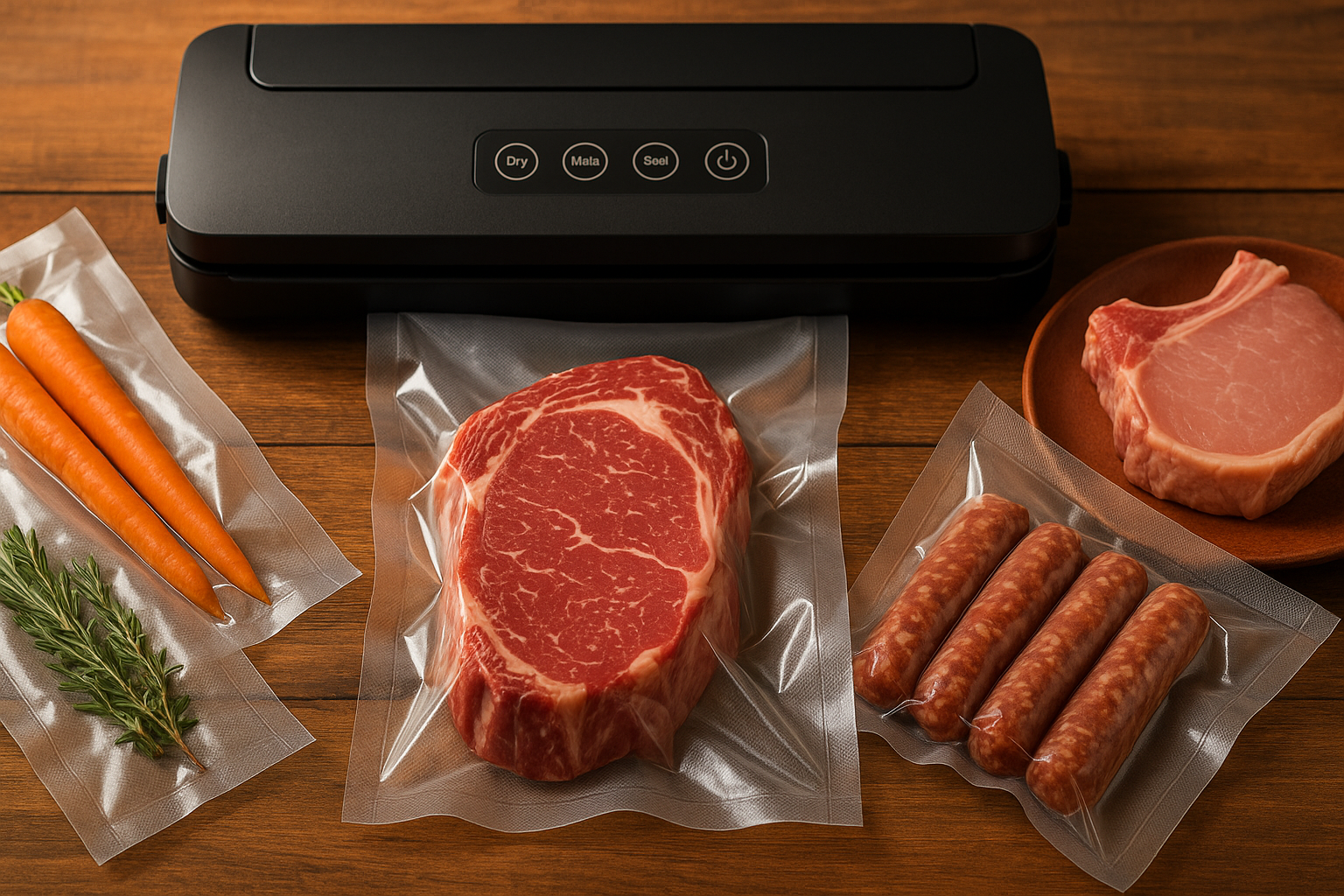
A good vacuum sealer changes everything about how you store meat and prepare it for sous vide cooking. You’ll extend the life of expensive cuts, prevent freezer burn, and create perfectly sealed bags for precise temperature control.
I’ve tested dozens of vacuum sealers over the years, and the right choice depends on whether you’re primarily storing bulk purchases or perfecting sous vide techniques. Here are the five models that consistently deliver for home cooks who take their meat seriously.
Disclosure: As an Amazon Associate, this site earns from qualifying purchases. Thank you!
Why Vacuum Sealers Matter for Meat Storage
Oxygen is the enemy of meat quality. Every hour your steaks, roasts, or ground beef sits exposed to air in your freezer, ice crystals form and moisture escapes. Within a few months, even premium cuts develop freezer burn and lose their flavor.
Vacuum sealing removes 99% of the air from storage bags. This keeps meat fresh in the freezer for two to three years instead of the typical three to six months you get with regular freezer bags. For sous vide cooking, the tight seal ensures complete contact between water and food, giving you perfectly even cooking from edge to edge.
I buy half a cow each year and portion everything myself. Without a reliable vacuum sealer, I’d lose hundreds of dollars worth of meat to freezer burn. Proper storage techniques protect your investment and maintain quality.
The 5 Best Vacuum Sealers for Sous Vide and Meat Storage
1. Anova Precision Pro Vacuum Sealer: Best Overall for Sous Vide
The Anova Precision Pro handles both dry and moist foods without pre-freezing tricks or paper towel buffers. Its dual-stage pump creates strong suction while the adjustable sealing modes prevent you from crushing delicate items or squeezing moisture out of fresh cuts.
You get pulse mode for controlling exactly how much air you remove, plus a built-in bag cutter and storage. The sealing strip is wide enough (5mm) that you won’t get weak spots that leak during long sous vide cooks. I’ve had bags sealed with this machine last 48 hours at 135°F without any issues.
The machine works with any brand of vacuum bags up to 11 inches wide. It’s also strong enough to seal multiple bags in a row without overheating, which matters when you’re processing a whole brisket or several pork shoulders at once.
If you’re serious about sous vide cooking techniques, this is the model to get. Check current prices on Amazon.
2. FoodSaver V4840 2-in-1: Best for High-Volume Meat Storage
The V4840 is built for people who buy in bulk. It has a retractable handheld sealer for vacuum-sealing containers and zipper bags, plus the standard countertop functionality for rolls and pre-cut bags. The drip tray catches any liquid that gets pulled from moist meats during sealing.
This model includes an express bag maker that heat-seals and cuts custom-length bags in one step. You’ll save time and reduce waste by cutting exactly the size you need for each portion. The sealing speed is noticeably faster than older FoodSaver models, running about 10 seconds per bag.
I particularly appreciate the automatic bag detection. You insert the bag, and the machine starts the vacuum cycle without pressing buttons. When you’re sealing 20 pounds of ground beef into one-pound portions, that convenience adds up.
The V4840 has enough power for heavy use but costs less than professional models. See latest pricing on Amazon.
3. Nesco VS-12 Deluxe: Best Budget Option That Doesn’t Sacrifice Quality
The Nesco VS-12 delivers professional results without the premium price tag. Its 130-watt vacuum pump generates strong suction, and the double heat seal (one on each side) prevents leaks during freezer storage.
You get both normal and gentle modes for different food types. The bag detection feature automatically starts the vacuum process, and the roll storage plus cutter keeps everything organized. The machine handles bags up to 12 inches wide, which covers most home cooking needs.
What makes this model stand out is the removable drip tray and vacuum chamber. You can actually clean these parts properly after sealing marinated meats or juicy cuts. Most budget models have fixed chambers that trap liquid and develop odors over time.
The VS-12 won’t handle the same continuous-duty cycle as commercial units, but for typical home use, it performs reliably. If you’re just getting into vacuum sealing or process meat occasionally, this gives you excellent value. Check availability on Amazon.
4. Avid Armor A100: Best for Processing Wild Game and Large Cuts
The A100 is designed for hunters and people who process whole animals. It has a powerful commercial-grade motor that runs cooler and lasts longer than typical consumer models. The extra-wide 12-inch sealing strip lets you bag bone-in cuts and large roasts without fighting to fit them.
This machine includes accessory ports for sealing containers and vacuum-sealing Mason jars. The oil drain plug allows you to maintain the pump yourself, extending the machine’s working life. Most home sealers are sealed units that you throw away when they fail.
I’ve used the A100 to process entire deer after hunting season. It handled hundreds of bags in a weekend without overheating or losing suction power. The cooling fan keeps internal components from burning out during extended sessions.
The build quality feels more substantial than typical kitchen appliances. Everything is metal and hard plastic instead of the flimsy materials you find on cheaper models. For serious meat processors, this is worth the investment. View current prices on Amazon.
5. VacMaster VP215: Best Chamber Vacuum for Liquid-Rich Foods
Chamber vacuum sealers work differently from external (suction) models. The entire bag goes inside a chamber, and the machine removes air from the chamber itself. This creates even pressure and prevents liquid from getting sucked into the sealing mechanism.
The VP215 is the entry-level chamber model that’s practical for home kitchens. You can seal soups, marinades, and freshly butchered meat without pre-freezing anything. The bags cost less too because chamber-style pouches don’t need the textured surface that external sealers require.
This machine is essential for serious sous vide work with marinades or delicate fish. It also makes better seals on high-moisture items like bacon or fresh sausage. The pump creates 28 inches of mercury vacuum pressure, which is significantly stronger than external models.
Chamber sealers are bulkier and heavier than external ones. The VP215 weighs about 60 pounds and takes up significant counter space. But if you have the room and frequently seal liquid-rich foods, you’ll appreciate the convenience. For more information on proper sealing techniques, check out our guide on choosing the right sous vide bags.
Key Features to Consider
Suction Power and Motor Strength
Motor wattage matters less than you’d think. What actually counts is the vacuum pressure measurement, typically listed in inches of mercury (inHg) or kilopascals (kPa). Look for machines that reach at least 24 inHg for effective meat sealing.
Stronger suction removes more air and creates tighter seals. This matters particularly for long-term freezer storage where even tiny amounts of remaining air cause freezer burn. Chamber vacuums generally achieve higher vacuum levels than external sealers.
Seal Width and Quality
The sealing strip should be at least 3mm wide. Wider strips (5mm or more) create stronger seals that won’t fail during sous vide cooking or freezer storage. Double seals add extra insurance against leaks.
Check whether the machine creates a clear seal or a slightly browned one. Light browning indicates proper heat, but dark brown or black means the temperature is too high and could weaken the seal over time.
Duty Cycle and Cooling
Duty cycle describes how many consecutive seals a machine can make before it needs to cool down. Budget models typically handle 5-10 bags before requiring a rest. Professional units run continuously.
If you regularly process large batches, look for built-in cooling fans or longer duty cycles. Overheating damages the vacuum pump and heating element, shortening the machine’s lifespan. Different sealing scenarios demand different capabilities.
Compatibility with Bag Types
Most external sealers require textured (embossed) bags that allow air to flow to the vacuum channel. Chamber sealers work with smooth, less expensive bags. Some machines are compatible with both styles plus reusable containers.
Generic bags usually cost less than brand-name ones. Make sure your sealer works with universal bags rather than locking you into proprietary options. The savings add up quickly when you’re sealing regularly.
Vacuum Sealing Tips for Better Results
Managing Moisture in Fresh Meat
Fresh meat releases liquid during the vacuum process. This moisture can get pulled into the sealing strip and prevent a proper seal. Pat meat dry with paper towels before bagging, or place a folded paper towel between the meat and the opening.
For very juicy cuts, freeze them for one to two hours before vacuum sealing. This firms up the surface and reduces moisture release. You can also use the pulse function to control suction and stop before liquid reaches the seal area.
Preventing Bag Punctures
Sharp bones can puncture vacuum bags. Double-bag items with exposed bones or wrap the sharp points with butcher paper before sealing. This also applies to items with hard edges or corners.
Leave at least three inches of bag material between the food and the seal line. This extra space prevents bones from shifting into the seal area during the vacuum process. It also gives you room to reseal the bag after opening it the first time.
Labeling and Organization
Write on bags with permanent marker before sealing. Include the cut, date sealed, and any marinades or seasonings. The vacuum pressure makes it difficult to write clearly on sealed bags.
Freeze bags flat on baking sheets before stacking them. This creates uniform packages that store efficiently in your freezer. Stack similar cuts together so you can find what you need without digging through everything.
Reusing Bags Safely
You can reuse vacuum bags that held dry items or cooked foods. Wash them thoroughly with hot soapy water, rinse well, and dry completely before reusing. Turn them inside out during cleaning to remove any trapped particles.
Never reuse bags that held raw meat, fish, or poultry. The risk of cross-contamination isn’t worth the small savings. According to the USDA food safety guidelines, proper storage prevents bacterial growth and maintains meat quality.
Common Mistakes to Avoid
Overfilling bags is the most frequent error. Leave enough empty space for the vacuum process to work properly. Cramming too much meat into one bag prevents effective air removal and can stress the seal.
Don’t vacuum seal hot foods. Wait until they cool to at least room temperature. Heat can damage both the bag and the vacuum sealer’s internal components. For sous vide, seal everything cold and then place it in the heated water bath.
Skipping regular maintenance shortens your sealer’s life. Clean the vacuum chamber and sealing strip after each use. Remove any food particles or liquid residue. Replace worn gaskets and sealing tape according to the manufacturer’s schedule.
Using the wrong settings for different foods causes problems. Delicate items need gentle mode or pulse function. Dense meats can handle full vacuum pressure. Liquid-rich foods require either chamber sealing or special techniques with external sealers.
Vacuum Sealing for Different Meat Types
Steaks and Chops
Portion individual steaks or chops into single-meal packages. This lets you thaw only what you need. For sous vide preparation, season the meat before sealing. The vacuum pressure helps the seasonings penetrate deeper into the meat.
Stack thinner cuts with parchment paper between them. This prevents them from freezing together if you package multiple steaks in one bag. You can also portion by weight rather than count for more flexible meal planning.
Ground Meat
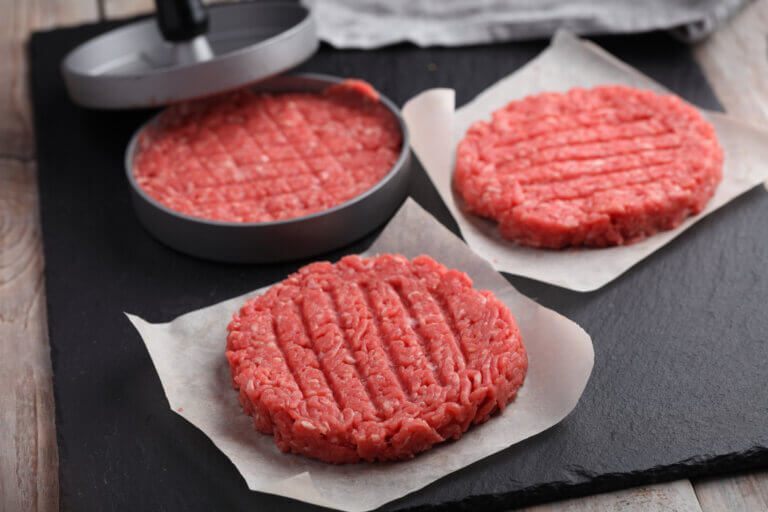
Flatten ground beef, pork, or turkey into thin, even rectangles before sealing. This shape thaws faster and stores more efficiently than round chunks. Press the meat toward the corners for uniform thickness.
Portion ground meat by weight for different recipes. One-pound packages work for most dishes, but consider half-pound portions for smaller households or two-pound packages for batch cooking. Label each package with the weight and fat percentage.
Roasts and Large Cuts
Large roasts need extra care during sealing. Pat them very dry and use the strongest vacuum setting your machine offers. The greater surface area means more potential for air pockets that lead to freezer burn.
For bone-in roasts, protect the seal area from punctures. Either wrap the bones with butcher paper or use thicker bags designed for sharp items. Consider cutting very large roasts into smaller pieces for easier handling and faster thawing.
Marinated Meats
Vacuum sealing accelerates marinade absorption. The pressure forces liquid and seasonings into the meat fibers. Even 30 minutes of vacuum marinating equals several hours in a regular container.
Freeze marinated items flat for even distribution. The marinade spreads uniformly across the meat surface during the vacuum process. This technique works particularly well for thin cuts like chicken breasts or pork chops. For seasoning ideas, explore different spice blends for meat.
Cost Considerations Beyond the Machine
The ongoing cost of bags matters more than the initial machine purchase. Calculate how much you’ll spend on bags based on your typical usage. Generic bags cost less than brand-specific ones but verify they work with your model.
Rolls give you more flexibility than pre-cut bags. You cut custom lengths and reduce waste. However, rolls require an extra sealing step to create the bag. For high-volume sealing, pre-cut bags save time.
Chamber sealers use cheaper smooth bags, which partially offsets their higher upfront cost. If you seal more than 50 bags monthly, a chamber sealer might actually cost less over a few years. Do the math for your specific situation.
Consider maintenance costs too. External sealers rarely need repairs, but you’ll eventually replace gaskets or sealing strips. Chamber models may require pump oil changes and more involved maintenance. Factor this into your decision.
How Vacuum Sealing Compares to Other Storage Methods
Freezer paper and butcher’s wrap work fine for short-term storage (three to six months). They’re cheaper upfront and don’t require any equipment. However, they can’t prevent freezer burn as effectively as vacuum sealing.
Regular plastic bags and containers allow too much air contact. Even supposedly airtight containers have enough oxygen to degrade meat quality. Vacuum sealing removes 99% more air than manual methods.
For hunters and bulk buyers, the quality preservation justifies the equipment cost. You’ll taste the difference between meat frozen for six months in regular packaging versus vacuum-sealed product stored for 18 months. Learn more about effective storage methods for different scenarios.
Setting Up Your Vacuum Sealing Station
Designate a permanent spot for your vacuum sealer near your prep area. Having everything accessible encourages regular use. Store rolls, pre-cut bags, and accessories together in one drawer or cabinet.
Keep a cutting board dedicated to portioning meat for sealing. This prevents cross-contamination with other foods. Position the board between your main prep surface and the sealer for efficient workflow.
Stock extra consumables before you run out. Nothing’s more frustrating than having meat ready to seal and discovering you’re out of bags. Buy rolls and bags in bulk when they go on sale. Along with your sealer, maintain other useful tools like a quality meat slicer for portion control.
Place a towel under your sealer to catch any liquid that escapes during sealing. This protects your countertop and makes cleanup easier. Keep paper towels handy for patting meat dry before bagging.
Frequently Asked Questions
Can you vacuum seal meat with bones?
Yes, but sharp bones can puncture bags and cause leaks. Wrap the sharp points with butcher paper or use double bags for extra protection. Alternatively, cut the meat away from sharp bones before sealing. Round bones like femurs are less problematic than pointed rib or T-bones. Using thicker mil-rating bags (4 mil or higher) also reduces puncture risk.
How long does vacuum-sealed meat last in the freezer?
Properly vacuum-sealed meat stays fresh in the freezer for two to three years. This compares to three to six months for meat in regular freezer bags or butcher paper. The key is removing all air during sealing and maintaining consistent freezer temperature at 0°F or below. According to USDA freezing guidelines, vacuum sealing provides the longest safe storage period for frozen meat.
Can you use regular plastic bags with a vacuum sealer?
Regular plastic bags don’t work with external (suction) vacuum sealers. These machines need special textured bags with channels that allow air to flow to the vacuum port. Chamber vacuum sealers work with any heat-sealable plastic bag, including regular smooth bags. You can’t use zipper-top bags or grocery bags with either type because they lack the proper seal area.
Do you need to blanch vegetables before vacuum sealing them?
While this article focuses on meat, many home cooks ask about vegetables. Blanching isn’t required for vacuum sealing, but it prevents enzymatic degradation during long-term freezer storage. Raw vegetables continue aging even when frozen. A quick blanch (one to three minutes in boiling water followed by ice bath) stops these enzymes. For short-term storage (under three months), you can skip blanching and seal raw vegetables.
Making Your Decision
The Anova Precision Pro stands out as the best all-around choice for home cooks who value both sous vide precision and meat storage. It handles moisture well, creates reliable seals, and works with any brand of bags.
If you process large quantities regularly or buy in bulk from farms, the FoodSaver V4840 offers the throughput and convenience features you need. For budget-conscious buyers who still want quality results, the Nesco VS-12 delivers excellent value.
Serious meat processors and hunters should consider the Avid Armor A100 for its durability and power. And if you frequently work with liquid-rich foods or marinades, the VacMaster VP215 chamber sealer eliminates the frustrations of managing moisture during sealing.
Your choice ultimately depends on how much meat you process, whether you cook sous vide regularly, and your available counter space. Any of these five models will serve you well for years and protect your meat investment through proper preservation.
This article contains affiliate links. If you purchase through these links, we may earn a small commission at no extra cost to you.