How to Render Duck Fat: From Whole Bird to Liquid Gold
Learn to render duck fat from whole birds or trimmings. Detailed stovetop and oven methods, storage tips, and best cooking uses for this prized fat.
“`html
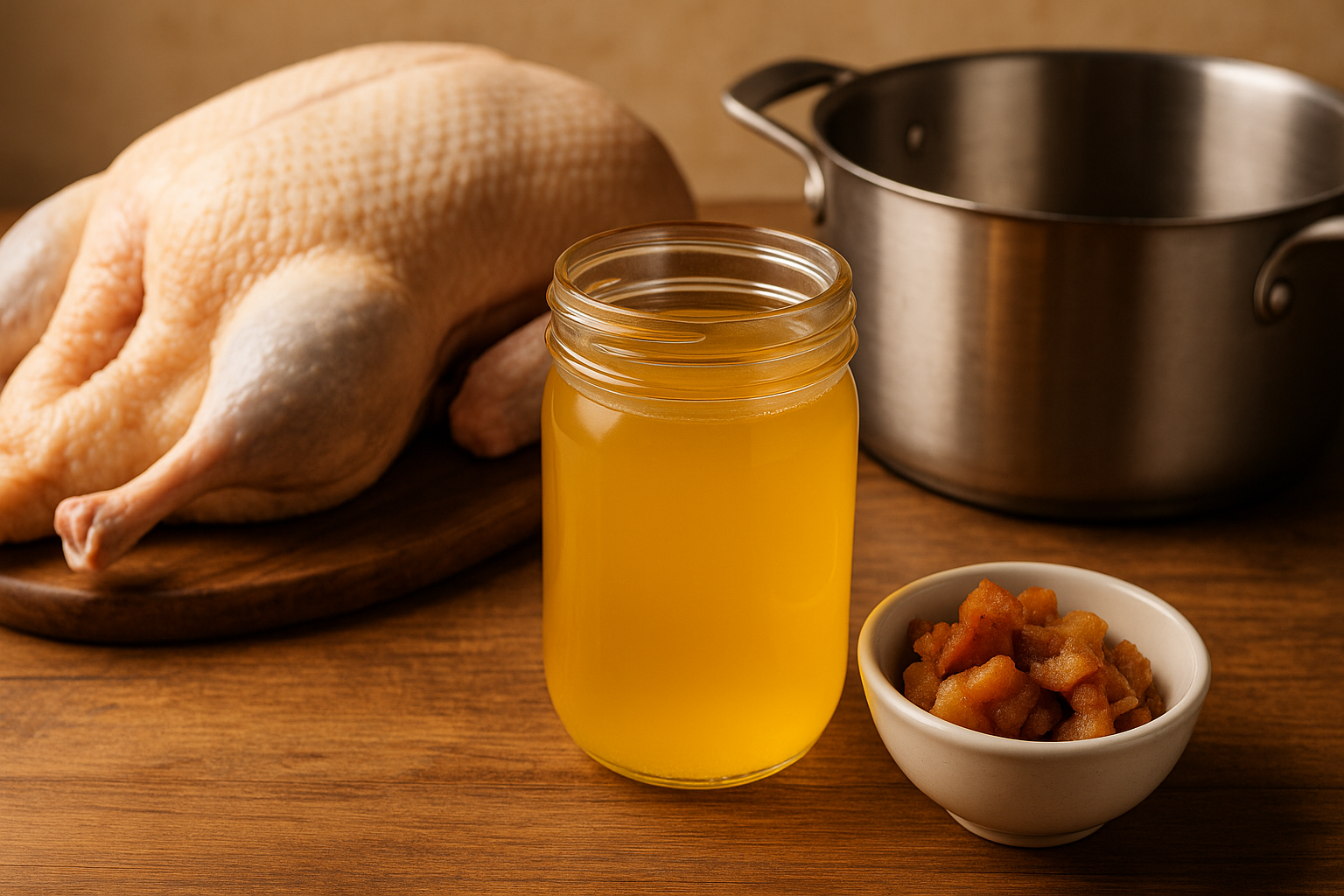
Rendering duck fat transforms the trimmings and skin from a whole duck into one of the most versatile cooking fats you’ll ever use. This process is simpler than most home cooks realize, requiring just heat, time, and patience to extract that rich, golden fat that chefs prize for everything from perfect roasted potatoes to silky confit.
Duck fat adds an incredible depth of flavor that you just can’t get from butter or vegetable oil. The rendered fat stores for months in your refrigerator and can be used repeatedly, making it both economical and practical for serious home cooks.
Disclosure: As an Amazon Associate, this site earns from qualifying purchases. Thank you!
Why You Should Render Your Own Duck Fat
Store-bought duck fat carries a premium price tag, yet you’re paying for something you can easily produce at home from parts that many people discard. Every time you roast a whole duck, you’re looking at a significant amount of fat that would otherwise go to waste.
The quality of home-rendered fat surpasses what you’ll find in jars at specialty stores. You control the temperature, the rendering time, and the purity of the final product. Plus, you know exactly what’s in it because you made it yourself.
If you’re buying whole ducks, you’ll appreciate knowing what factors influence duck pricing before you commit to this cooking fat project. The economics make more sense once you understand the complete value of the bird.
Where to Find Duck Fat on a Whole Bird
The best fat deposits sit right under the skin, particularly around the neck, back, and lower cavity area. You’ll find thick pads of pure white or pale yellow fat that peel away easily from the meat once you know where to look.
Don’t overlook the skin itself. Duck skin contains a substantial layer of subcutaneous fat that renders beautifully. Even after you’ve trimmed away the obvious fat deposits, the skin alone provides plenty of rendering material.
The tail area, sometimes called the “pope’s nose,” contains a concentrated pocket of fat. This small section might seem insignificant, but it contributes notably to your final yield. Remove it along with the neck flap for maximum fat extraction.
Preparing Duck Fat for Rendering
Start by cutting all fat and skin into small, uniform pieces about one inch square. Smaller pieces render faster and more completely because they expose more surface area to the heat. You’ll get better results with consistent sizing rather than throwing in random chunks.
Rinse the fat pieces briefly under cold water to remove any blood or debris. Pat them completely dry with paper towels before you begin rendering. Water interferes with the rendering process and can cause dangerous splattering once the fat heats up.
Some cooks freeze their fat pieces for 30 minutes before rendering. This firming makes them easier to cut cleanly and helps them render more evenly. It’s an optional step, but one worth trying if you have the time.
The Stovetop Method for Rendering Duck Fat
Place your prepared fat pieces in a heavy-bottomed pot or skillet. Add about 1/4 cup of water to prevent the fat from burning before it starts releasing its own liquid. This small amount evaporates as the fat melts, leaving pure rendered fat behind.
Set your burner to the lowest heat setting possible. You want a bare simmer, not active bubbling. The fat should melt gradually over 1 to 2 hours, releasing its liquid gold drop by drop. Rush this process and you’ll end up with burnt, off-flavored fat.
Stir occasionally, maybe every 15 to 20 minutes. You’ll notice the solid pieces shrinking as they give up their fat. The color will shift from opaque white to translucent golden as more fat liquefies. Small brown bits called cracklings will remain after all the fat has rendered out.
Watch for a gentle sizzle and tiny bubbles. If you hear aggressive popping or see smoke, your heat is too high. Reduce the temperature immediately and let the pot cool slightly before continuing. Temperature control makes the difference between clean, neutral-tasting fat and something with burnt undertones.
You’ll know the rendering is complete when the cracklings turn deeply golden brown and crispy, and the liquid fat appears clear with minimal bubbling. This typically happens after 90 minutes to 2 hours of gentle heating.
The Oven Method for Hands-Off Rendering
Preheat your oven to 250°F for a controlled, even rendering environment. Spread your prepared fat pieces in a single layer in a heavy roasting pan or cast-iron skillet. Add that same 1/4 cup of water you’d use for stovetop rendering.
Slide the pan into the middle rack of your oven and let it work for 2 to 3 hours. Check every 45 minutes or so, giving everything a stir to ensure even rendering. The oven method requires less active attention than stovetop rendering, making it ideal if you’re multitasking in the kitchen.
The low, surrounding heat of the oven prevents hot spots that can burn your fat. You’ll get remarkably consistent results with this method, though it takes slightly longer than stovetop rendering. The tradeoff between time and convenience usually favors the oven for rendering large batches.
Straining and Storing Your Rendered Duck Fat
Once rendering completes, remove the pot from heat and let it cool for about 10 minutes. The fat should still be liquid but not dangerously hot. Place a fine-mesh strainer over a clean, dry glass jar or heat-safe container.
Line the strainer with several layers of cheesecloth for the cleanest result. Pour the liquid fat through slowly, letting gravity do the work. Don’t press on the cracklings or you’ll push impurities through that will cloud your finished product and shorten its storage life.
Let the jar cool to room temperature before sealing with a tight-fitting lid. Rendered duck fat solidifies as it cools, turning from golden liquid to creamy, spreadable consistency at refrigerator temperatures. Properly strained fat will appear pale cream to light yellow when solid.
Store your rendered fat in the refrigerator where it keeps for 6 months or longer. Some cooks report using duck fat that’s been refrigerated for over a year without quality loss. You can also freeze it for extended storage, though refrigeration works fine for most home cooks.
Consider portioning the fat into ice cube trays for convenient single-use portions. Once frozen solid, pop the cubes into a freezer bag. You’ll appreciate having pre-measured amounts ready to grab whenever a recipe calls for duck fat.
Don’t Throw Away the Cracklings
Those crispy brown bits left after rendering are pure culinary treasure. Called cracklings or grattons, they pack intense savory flavor and addictive crunch. Drain them on paper towels and season with salt while still warm.
Cracklings elevate salads, soups, and pasta dishes with their rich, meaty taste. Sprinkle them over mashed potatoes or roasted vegetables for textural contrast. They’ll stay crispy for several days stored in an airtight container at room temperature.
You can also grind cooled cracklings into a coarse powder using a food processor. This duck “dust” makes an exceptional seasoning for popcorn, roasted nuts, or rim salt for savory cocktails. It’s an unexpected way to extend the value of your whole duck even further.
Best Uses for Your Rendered Duck Fat
Roasted potatoes cooked in duck fat achieve a crispness that regular oil simply can’t match. Cut your potatoes into chunks, toss them in melted duck fat, and roast at 425°F until deeply golden. The fat’s high smoke point around 375°F makes it perfect for high-heat cooking.
Use duck fat for searing steaks or cooking skirt steak to add complexity to your meat dishes. The subtle gamey notes complement beef beautifully without overwhelming its natural flavor. A tablespoon in a hot cast-iron skillet creates an exceptional crust.
Duck fat transforms sautéed vegetables from mundane to memorable. Brussels sprouts, green beans, and mushrooms all benefit from its rich flavor profile. The fat carries seasonings better than butter and doesn’t burn as easily during extended cooking times.
Traditional French confit relies on duck fat for both cooking and preserving duck legs. Submerge seasoned meat in melted fat and cook slowly at 200°F for several hours. The meat becomes impossibly tender while the fat acts as a preservation medium.
Baking with duck fat produces flaky, tender pie crusts and biscuits with subtle savory depth. Substitute it one-for-one for butter or shortening in pastry recipes. The result won’t taste overtly “ducky” but will have an indefinable richness that makes people ask for your secret.
Equipment That Makes Rendering Easier
A heavy-bottomed pot or cast-iron skillet distributes heat evenly and prevents scorching. Thin pots create hot spots that burn fat before it fully renders. If you’re serious about rendering, invest in quality cookware that maintains steady, low temperatures.
You can check current prices on cast iron Dutch ovens on Amazon for an excellent rendering vessel that works on stovetop or in the oven. The thick walls and lid help maintain consistent temperature throughout the process.
A fine-mesh strainer removes most particles, but cheesecloth takes your fat from good to professional quality. Multiple layers catch the tiny bits that would otherwise cloud your finished product. Buy grade 90 cheesecloth on Amazon for the finest weave.
Wide-mouth glass jars make excellent storage containers because you can see the fat’s color and easily scoop out portions. Mason jars work perfectly and can go from refrigerator to gentle reheating without cracking. Avoid plastic containers that might absorb the fat’s flavor over time.
Troubleshooting Common Rendering Problems
Burnt or bitter-tasting fat results from too-high heat during rendering. There’s no fixing this problem once it happens. You’ll need to start over with fresh fat and lower temperatures. Patience is genuinely the most important ingredient in rendering.
Cloudy fat usually means you didn’t strain thoroughly or water got into your storage container. Reheat the fat gently until liquid, then strain again through fresh cheesecloth. Make sure your storage jar is completely dry before adding the fat.
Fat that develops off odors or mold during storage wasn’t properly strained or was exposed to contamination. Always use clean utensils when scooping fat from your container. Even a small amount of food debris can introduce bacteria that spoil the entire batch.
If your fat won’t solidify in the refrigerator, you likely didn’t render it completely. Some liquid water remains mixed with the fat, preventing proper solidification. Return everything to the pot, heat gently to evaporate remaining moisture, then strain and store again.
Rendering Fat from Duck Breast Skin
Duck breast skin contains impressive amounts of fat relative to its size. Score the skin in a crosshatch pattern without cutting into the meat, then place breasts skin-side down in a cold pan. Turn the heat to medium-low and let the fat render as the pan heats.
Cook for 10 to 12 minutes without moving the breasts, pouring off accumulated fat every few minutes into a heat-safe container. The breast skin will become incredibly crispy while yielding several tablespoons of clean, pure fat. You’re essentially cooking dinner and harvesting fat simultaneously.
This quick-rendering method produces smaller quantities than whole-duck rendering, but the fat is just as useful. Save these small batches until you accumulate enough for your favorite applications. Each duck breast yields about 2 to 3 tablespoons of rendered fat.
This method works particularly well if you’re grilling poultry regularly and want to learn different techniques for handling fatty bird skin. The principles of gentle heat and patience apply across different cooking methods.
How Much Fat You Can Expect from a Whole Duck
A typical 5-pound whole duck yields about 1 to 1.5 cups of pure rendered fat. Larger birds approaching 7 pounds can produce up to 2 cups. These estimates assume you’re harvesting all the fatty skin and visible fat deposits.
Breed matters significantly. Pekin ducks carry more fat than Muscovy ducks, which have leaner, more muscular meat. Heritage breeds fall somewhere in the middle. If you’re rendering primarily for the fat rather than the meat, Pekin ducks deliver the best return.
The duck’s diet and age affect fat quantity and quality. Ducks raised on grain-heavy feeds develop more fat than those on forage-based diets. Older ducks accumulate more fat deposits than younger birds, though the meat becomes tougher.
This comprehensive look at what influences meat quality across different proteins helps you understand why fat content varies so much between individual animals. The same principles affecting lamb tenderness also apply to duck fat yields.
Video Tutorial for Visual Learners
This detailed video demonstrates the complete rendering process from start to finish, showing exactly what the fat should look like at each stage.
Comparing Duck Fat to Other Cooking Fats
Duck fat contains more monounsaturated fats than butter, making it a healthier choice for high-heat cooking. The fatty acid profile resembles olive oil more than lard or beef tallow. You get the health benefits of olive oil with the heat stability of animal fat.
The smoke point of duck fat sits around 375°F, higher than butter’s 350°F but lower than refined oils. This makes it perfect for roasting, sautéing, and shallow frying. You won’t use it for deep frying at 400°F, but most home cooking stays well within its temperature range.
Flavor-wise, duck fat brings subtle complexity that enhances rather than dominates dishes. It’s less assertive than bacon grease but more interesting than neutral vegetable oil. The balance makes it incredibly versatile across both savory and some sweet applications.
Duck fat costs more than butter or olive oil when purchased retail, but rendering your own changes the equation completely. You’re essentially getting free cooking fat from parts you’d otherwise discard, making it the most economical premium fat available to home cooks.
Safety Considerations for Rendering and Storage
Never leave rendering fat unattended on the stovetop. The low, slow heat required for rendering shouldn’t pose fire risks, but inattention combined with gradually increasing temperatures can lead to dangerous situations. Set a timer to remind yourself to check on the process.
Hot liquid fat causes severe burns if splashed on skin. Always use dry pot holders when handling rendering vessels because wet fabric can wick hot fat toward your hands. Keep children and pets out of the kitchen during rendering and straining.
Let fat cool adequately before straining to prevent steam burns. The fat remains dangerously hot even when it stops actively bubbling. Wait at least 10 minutes after removing from heat before attempting to pour or strain.
Store rendered fat only in containers designed for food storage. Some plastics leach chemicals when exposed to fat, especially if any residual heat remains. Glass containers are your safest choice for both immediate storage and long-term keeping.
Frequently Asked Questions
Can you reuse duck fat after cooking with it?
Yes, you can reuse duck fat multiple times if you strain it after each use. Let the fat cool slightly, then pour it through cheesecloth to remove any food particles. The fat picks up flavors from whatever you cook in it, which can actually enhance future dishes. Store reused fat separately and label it with what you cooked so you can make informed pairing decisions later. After 4 or 5 uses, the fat may develop off flavors or start to break down, at which point you should discard it.
How can you tell if rendered duck fat has gone bad?
Fresh duck fat smells mildly meaty and pleasant, with no sharp or rancid odors. Bad fat develops a sour, paint-like smell that’s immediately noticeable when you open the container. Visual signs include mold growth on the surface or discoloration from bright cream to grayish or greenish hues. If you see or smell anything suspicious, throw the entire batch away rather than trying to salvage portions. Rancid fat won’t make you sick but tastes terrible and ruins any dish you add it to.
Does rendering temperature affect the final flavor?
Absolutely. Lower temperatures around 200 to 250°F produce the cleanest, most neutral duck fat that won’t overpower delicate dishes. Higher temperatures above 300°F can develop toasty, browned flavors that some cooks prefer for roasted potatoes and hearty vegetables. The cracklings also taste better when rendered at slightly higher temperatures because they develop more caramelization. Choose your rendering temperature based on how you plan to use the fat, though lower and slower is generally the safer approach for first-timers.
Can you render fat from cooked duck?
You can, though you’ll get less fat than from raw duck because some renders out during cooking. After roasting a whole duck, pour off the pan drippings and refrigerate overnight. The fat solidifies on top while any meat juices and water settle below. Scrape off the solid fat layer, discard the liquid beneath, and you have ready-to-use rendered duck fat. This method produces smaller quantities but requires zero extra work beyond what you’re already doing to cook dinner. The fat may carry some roasted flavors from your seasonings, which can be desirable depending on future uses.
Making the Most of Every Duck
Rendering duck fat completes the circle of using the entire bird efficiently. You’re not just cooking a meal but creating a cooking ingredient that enhances dozens of future dishes. This approach aligns with traditional food practices that valued every part of the animal.
Start with a single duck to learn the process without committing to large batches. You’ll quickly discover whether rendering fits your cooking style and how much fat you actually use. Most home cooks find that rendering becomes a regular practice once they experience the quality difference in their food.
The key to success is patience and proper temperature control. Keep the heat low, don’t rush the process, and strain thoroughly for storage. Follow these principles and you’ll produce restaurant-quality duck fat that transforms ordinary recipes into something memorable. Your roasted potatoes will never be the same again.
This article contains affiliate links. If you purchase through these links, we may earn a small commission at no extra cost to you.