Fresh Bratwurst vs Smoked Bratwurst: Cooking Methods and Flavor Differences
Learn the key differences between fresh and smoked bratwurst, including proper cooking methods, flavor profiles, and which type works best for your needs.
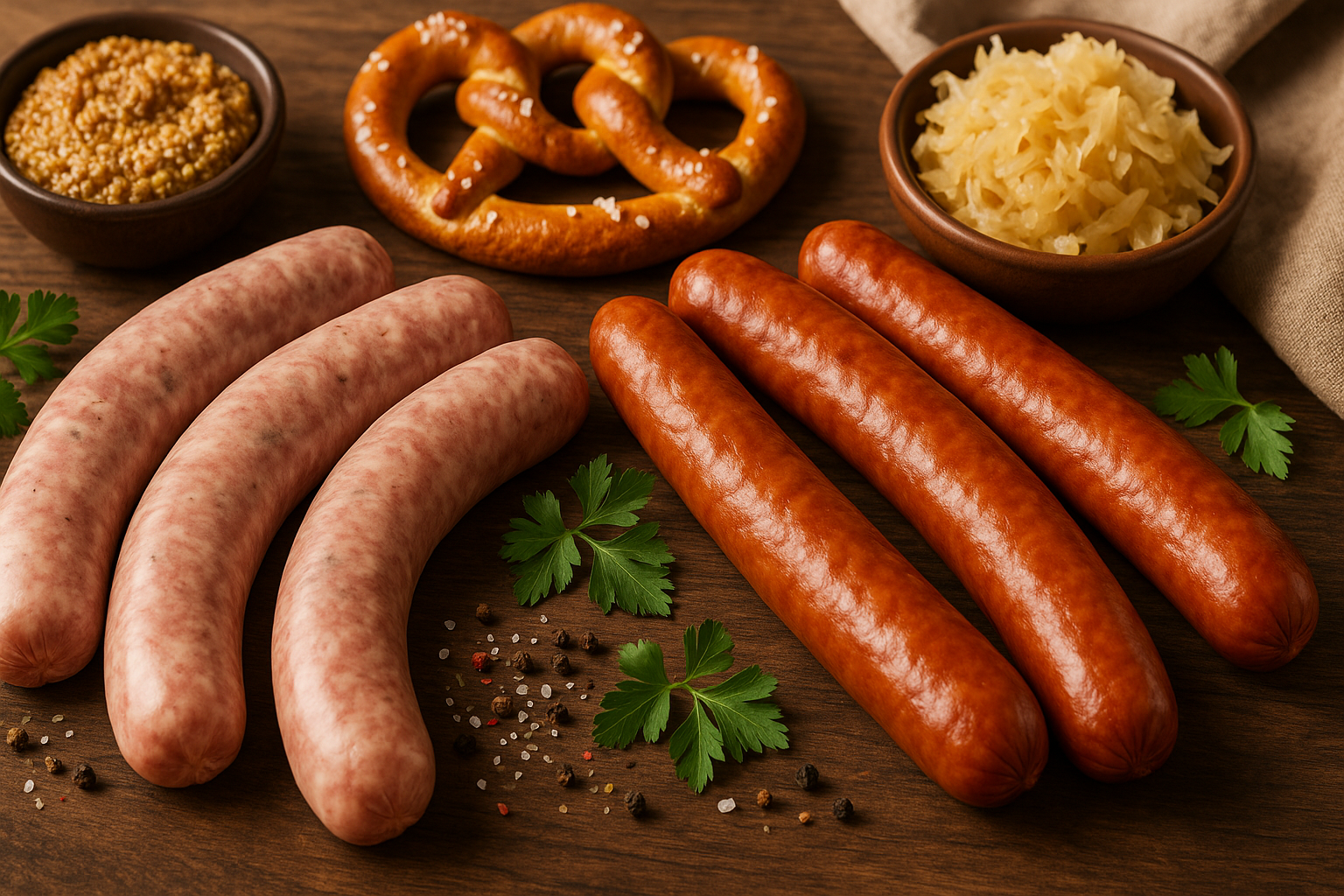
Fresh bratwurst and smoked bratwurst aren’t interchangeable, despite what many grocery store shoppers assume. One requires careful cooking to reach safe temperatures while the other is already cooked and ready to eat straight from the package. Understanding these differences will completely change how you approach grilling season.
Disclosure: As an Amazon Associate, this site earns from qualifying purchases. Thank you!
Understanding Fresh Bratwurst
Fresh bratwurst is raw pork sausage, often mixed with veal or beef, stuffed into natural casings. You’ll find it in the refrigerated meat section, usually pale gray or pink in color. This is the traditional German style that requires full cooking before eating.
The meat mixture typically contains finely ground pork shoulder combined with spices like white pepper, nutmeg, ginger, and caraway. Some regional varieties add marjoram or coriander. The key point is that fresh bratwurst contains raw meat that must reach an internal temperature of 160°F to be safe for consumption.
Fresh bratwurst has a shorter shelf life than its smoked counterpart. You’ll need to cook it within two days of purchase or freeze it for later use. This raw state gives you more control over the final flavor and texture, but it also means you can’t just throw it on a hot grill and expect good results.
What Makes Smoked Bratwurst Different
Smoked bratwurst goes through a smoking process after being stuffed into casings. The sausages hang in a smokehouse at temperatures between 150°F and 185°F until they’re fully cooked and infused with smoke flavor. This process gives them a darker, brownish exterior and a firmer texture.
You can eat smoked bratwurst right out of the package without additional cooking. The smoking process has already cooked the meat to safe temperatures and added preservative qualities that extend shelf life. Many people prefer to heat them up for better flavor and texture, but food safety isn’t a concern like it is with fresh varieties.
The smoking process fundamentally changes the flavor profile. You get notes of hickory, applewood, or whatever wood was used in the smokehouse. The meat becomes denser and less juicy than fresh bratwurst. Some people love this concentrated, smoky character while others find it overpowering.
Cooking Fresh Bratwurst Properly
The biggest mistake people make with fresh bratwurst is cooking it too fast over high heat. This causes the casings to split and all those delicious juices to leak out, leaving you with dry, cracked sausages. You need a two-stage cooking method for the best results.
Start by simmering fresh bratwurst in beer, water, or a combination of both. Add sliced onions and a few peppercorns to the liquid. Bring it to a gentle simmer (not a rolling boil) and cook for 20 minutes. This gentle poaching cooks the sausages through without bursting the casings.
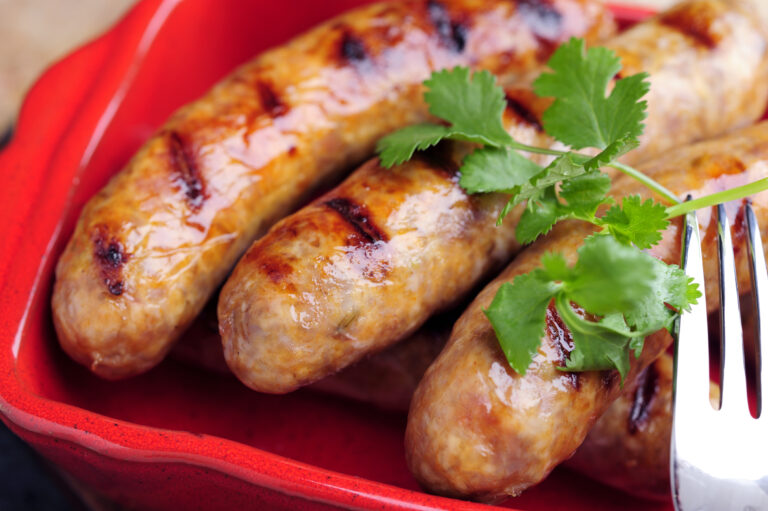
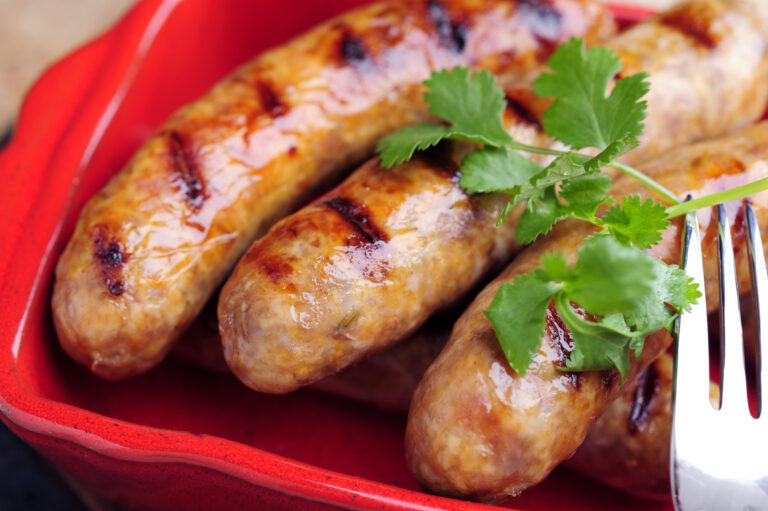
After poaching, you can finish the brats on the grill or in a skillet. You’re looking for a golden-brown exterior with nice char marks. This takes about 5 minutes over medium heat, turning frequently. The internal temperature should read 160°F on an instant-read thermometer.
Some cooks prefer to skip the poaching step and use indirect grilling instead. Place the fresh bratwurst on the cool side of your grill with the burners on the opposite side set to medium. Close the lid and cook for 20-25 minutes, then move them over direct heat to brown. This method works well but requires more attention to prevent flare-ups.
Beer Braising Method
Beer braising is my preferred technique for fresh bratwurst because it adds flavor while ensuring even cooking. Use a large skillet or Dutch oven that can hold all your sausages in a single layer. Add enough beer to come halfway up the sides of the brats.
A light lager or pilsner works better than dark beer for this application. Dark beers can make the sausages taste bitter. Add a tablespoon of butter, a sliced onion, and a pinch of caraway seeds to the beer. Bring everything to a simmer over medium heat.
Cover the pan partially and maintain a gentle simmer for 20 minutes. The beer will reduce into a flavorful sauce that you can serve alongside the finished sausages. After the braising step, brown the brats in a hot skillet with a bit of oil for that essential crispy exterior.
Cooking Smoked Bratwurst
Smoked bratwurst is already cooked, which means you’re really just reheating and adding some caramelization. You can grill them over direct heat without any of the precautions required for fresh varieties. Medium-high heat for about 8-10 minutes total, turning occasionally, gives you a nice crispy exterior.
Alternatively, you can pan-fry smoked bratwurst in a skillet with a bit of oil or butter. Medium heat for 10-12 minutes, turning every few minutes, creates an evenly browned surface. Some people add sliced onions and peppers to the pan for a complete meal.
You can even microwave smoked bratwurst if you’re in a hurry, though I don’t recommend it. The texture becomes rubbery and you miss out on the crispy exterior that makes bratwurst enjoyable. If you must use the microwave, wrap the sausages in damp paper towels and heat for 2-3 minutes on medium power.
For slow cooking meat techniques, smoked bratwurst works well in a slow cooker with sauerkraut and beer. Set it on low for 4 hours and you’ll have incredibly tender sausages with deeply developed flavors. This method doesn’t work as well with fresh bratwurst because the extended cooking time makes them mushy.
Flavor Profile Comparison
Fresh bratwurst has a cleaner, more delicate pork flavor. The spices shine through without competing with smoke. You taste the quality of the meat itself, along with the subtle notes of nutmeg, pepper, and herbs. The texture is softer and juicier, with a satisfying snap from the casing.
Smoked bratwurst brings bold, assertive flavors to the table. The smoke dominates the flavor profile, adding a campfire-like quality that some people crave. The meat tastes more concentrated because moisture evaporates during smoking. The texture is firmer and denser, with less juice when you bite into it.
For traditional German preparations, fresh bratwurst is the clear winner. It pairs better with sauerkraut, mustard, and beer because the flavors remain balanced. Smoked bratwurst can overpower delicate accompaniments, though it holds up well against strong flavors like spicy mustard or horseradish.
I prefer fresh bratwurst for sit-down meals where you want to appreciate the quality of the sausage itself. Smoked bratwurst works better for quick weeknight dinners or when you’re feeding a crowd and don’t want to fuss with two-stage cooking methods.
Traditional Accompaniments and Serving Suggestions
Both types of bratwurst shine when served on a quality bun with the right toppings. Skip the standard hot dog buns and look for crusty bratwurst rolls or pretzel buns. The bread should have enough structure to hold up to juicy sausages without falling apart.
German mustard is non-negotiable. Sweet American mustard doesn’t belong anywhere near bratwurst. You want a spicy, coarse-grain mustard or Düsseldorf-style mustard with horseradish. Spread it generously on the bun before adding the sausage.
Sauerkraut is the classic topping, though fresh bratwurst pairs better with it than smoked varieties. The tangy, fermented cabbage complements the clean pork flavor without creating flavor overload. Drain your sauerkraut well and heat it up with a bit of butter and caraway seeds before serving.
Caramelized onions work beautifully with both fresh and smoked bratwurst. Cook them low and slow until they’re deeply golden and sweet. This takes at least 30 minutes but the results are worth it. Adding a splash of beer to the onions during cooking creates another layer of flavor.
Storage and Food Safety
Fresh bratwurst requires refrigeration at 40°F or below and should be cooked within two days of purchase. The raw meat can harbor harmful bacteria like salmonella or E. coli, making proper storage critical. If you’re not cooking them immediately, freeze fresh bratwurst for up to three months.
Smoked bratwurst lasts longer in the refrigerator, typically 7-10 days after opening. The smoking process acts as a preservative, though you still need to keep them cold. Freezing smoked bratwurst is less common because most people buy them for immediate use, but they’ll keep for 2-3 months in the freezer.
Never leave either type of bratwurst at room temperature for more than two hours. This is basic food safety that applies to all meat products. If you’re serving bratwurst at a party or cookout, keep them hot on the grill or in a warming tray rather than letting them sit out.
For more information on keeping meat fresh and safe, check out these home meat preservation tips that cover proper freezing and storage techniques.
Price and Availability Considerations
Fresh bratwurst tends to be more budget-friendly than smoked varieties at most grocery stores. The production process is simpler and there’s no expensive smoking step. You’ll find fresh bratwurst year-round, though selection peaks during grilling season from May through September.
Smoked bratwurst costs more due to the additional processing time and equipment required. The smoking process adds labor and extends production time, which manufacturers pass along to consumers. However, the convenience factor and longer shelf life can make the extra expense worthwhile for some shoppers.
Both types are widely available at major grocery stores, though you’ll find better quality and selection at butcher shops or German specialty stores. Look for bratwurst made with natural casings rather than synthetic ones. The snap and texture difference is noticeable.
If you’re interested in making your own bratwurst from scratch, you’ll need a quality meat grinder and a sausage stuffer. Check current prices on Amazon to see if the investment makes sense for your cooking habits. Making your own gives you complete control over ingredients and flavors, plus you’ll save money if you buy pork shoulder in bulk.
Regional Variations Worth Trying
German bratwurst styles vary significantly by region. Nuremberg bratwurst is small and thin, traditionally served six to a plate. Thuringer bratwurst contains marjoram as the dominant spice. Coburger bratwurst includes eggs in the mixture, creating a lighter texture.
Wisconsin has developed its own bratwurst culture, with beer braising becoming the standard preparation method. Wisconsin-style brats often include more garlic than German versions and are typically sold fresh rather than smoked. The state hosts numerous bratwurst festivals where you can sample different regional preparations.
Smoked bratwurst is less common in traditional German cuisine but has gained popularity in American markets. Most German immigrants brought fresh bratwurst recipes with them, and the smoked versions emerged later as a convenience product for American consumers who wanted fully cooked options.
Equipment Recommendations
A reliable meat thermometer is essential for cooking fresh bratwurst safely. Don’t guess about internal temperatures. An instant-read digital thermometer takes the guesswork out of determining when your sausages reach 160°F. This investment pays for itself in food safety and better cooking results.
For grilling either type of bratwurst, you need good temperature control. A two-zone fire setup works best for fresh bratwurst, letting you cook them gently over indirect heat before finishing over direct flames. Smoked bratwurst can handle direct heat the entire time, but you still want medium-high rather than raging hot temperatures.
A cast iron skillet gives you excellent browning and heat retention for pan-frying bratwurst. The even heat distribution prevents hot spots that can cause casings to burst. Season your cast iron properly and you’ll get that perfect golden-brown crust every time.
If you’re serious about bratwurst, consider investing in a bratwurst pan with ridges that keep the sausages elevated while cooking. This lets excess fat drain away while maintaining even contact with the heat source. Check current prices and reviews to find one that fits your needs.
Spices and Seasonings
Traditional bratwurst spices include white pepper, nutmeg, ginger, and caraway. White pepper gives a sharp, clean heat without the visual black specks of regular pepper. Nutmeg adds warmth and complexity. Fresh-grated nutmeg tastes significantly better than pre-ground.
Marjoram appears in many regional German recipes, particularly Thuringer-style bratwurst. This herb has a delicate, slightly sweet flavor that complements pork beautifully. Don’t confuse it with oregano, which is too assertive for bratwurst.
For more ideas on building flavor in your cooking, explore these essential spices for home cooking that work well beyond just bratwurst preparations.
Smoked bratwurst gets additional flavor from the wood used during smoking. Hickory creates a strong, bacon-like taste. Applewood provides milder, slightly sweet smoke. Cherry wood gives a subtle fruity note. The choice of wood significantly impacts the final flavor profile.
Common Mistakes to Avoid
Pricking fresh bratwurst before cooking is a terrible idea despite what some old recipes suggest. Those holes let all the juices escape, leaving you with dry, flavorless sausages. The casings are designed to contain the fat and moisture during cooking. Trust them to do their job.
Cooking fresh bratwurst over high direct heat causes the outside to char before the inside reaches safe temperatures. You end up with burned casings and raw centers. Always use moderate heat and give the sausages time to cook through properly.
Boiling fresh bratwurst in water alone makes them taste bland and washed out. The flavorful fats and juices leach into the cooking liquid, which you then throw away. Using beer or adding aromatics to the poaching liquid solves this problem. Better yet, finish them on the grill after poaching to add back that essential char flavor.
Overcooking smoked bratwurst makes them tough and rubbery. Remember, they’re already cooked and you’re just reheating them. Eight to ten minutes on the grill or in a pan is plenty. Any longer and you’re just drying them out.
Which Type Should You Choose?
Fresh bratwurst wins for traditional German meals and when you want to control the cooking process from start to finish. The superior texture and cleaner flavor make it worth the extra effort. If you’re hosting a proper bratwurst dinner with all the accompaniments, don’t settle for the smoked version.
Smoked bratwurst makes sense for quick weeknight meals, camping trips, or situations where food safety is a concern. You can throw them on the grill without worrying about internal temperatures or two-stage cooking methods. They’re also better for feeding large groups where speed matters more than perfection.
For backyard cookouts where you’re grilling other foods simultaneously, smoked bratwurst reduces complexity. You don’t need to dedicate grill space to indirect cooking or manage multiple temperature zones. This convenience factor shouldn’t be dismissed if you’re juggling burgers, steaks, and vegetables on the same grill.
I keep both types in my freezer for different occasions. Fresh bratwurst for weekend dinners when I have time to do things properly. Smoked bratwurst for Tuesday nights when I need protein on the table in 15 minutes. Having options lets you match the product to the situation rather than compromising on either quality or convenience.
FAQ About Fresh and Smoked Bratwurst
Can you cook fresh bratwurst without boiling first?
Yes, you can cook fresh bratwurst using indirect grilling or oven roasting without pre-boiling. Place them on a baking sheet at 325°F for 25-30 minutes, then finish under the broiler or on the grill for browning. This method works well but takes longer than the beer-braising approach. Make sure the internal temperature reaches 160°F regardless of which method you choose.
How do you tell fresh bratwurst from smoked at the store?
Fresh bratwurst appears pale gray or pinkish and feels softer to the touch. Smoked bratwurst has a darker brown exterior and firmer texture. Check the label for cooking instructions. Fresh varieties will say “cook thoroughly” or list an internal temperature requirement. Smoked versions often state “fully cooked” or “ready to eat.” When in doubt, ask the butcher.
Can smoked bratwurst be eaten cold?
Technically yes, since smoked bratwurst is fully cooked during the smoking process. However, cold bratwurst tastes greasy and unappetizing. The fat solidifies at room temperature, creating an unpleasant mouthfeel. Always heat smoked bratwurst before serving, even if food safety isn’t a concern. A quick pan-fry or few minutes on the grill makes all the difference in taste and texture.
Does fresh bratwurst taste better than smoked?
Fresh bratwurst has a cleaner, more refined flavor that lets you taste the quality of the meat and spices. Smoked bratwurst offers bold, assertive smoke flavor that some people prefer. It’s not about better or worse but rather different flavor profiles for different preferences. Try both styles prepared properly before deciding which one you like best. Most bratwurst enthusiasts keep both types on hand for different occasions.
This article contains affiliate links. If you purchase through these links, we may earn a small commission at no extra cost to you.