9 Low-Sugar BBQ Rubs and Keto-Friendly Sauces You Can Make at Home
Homemade low sugar BBQ rub and keto BBQ sauce recipes that deliver authentic flavor without the carbs. Perfect for keto, diabetic, and health-conscious grillers.
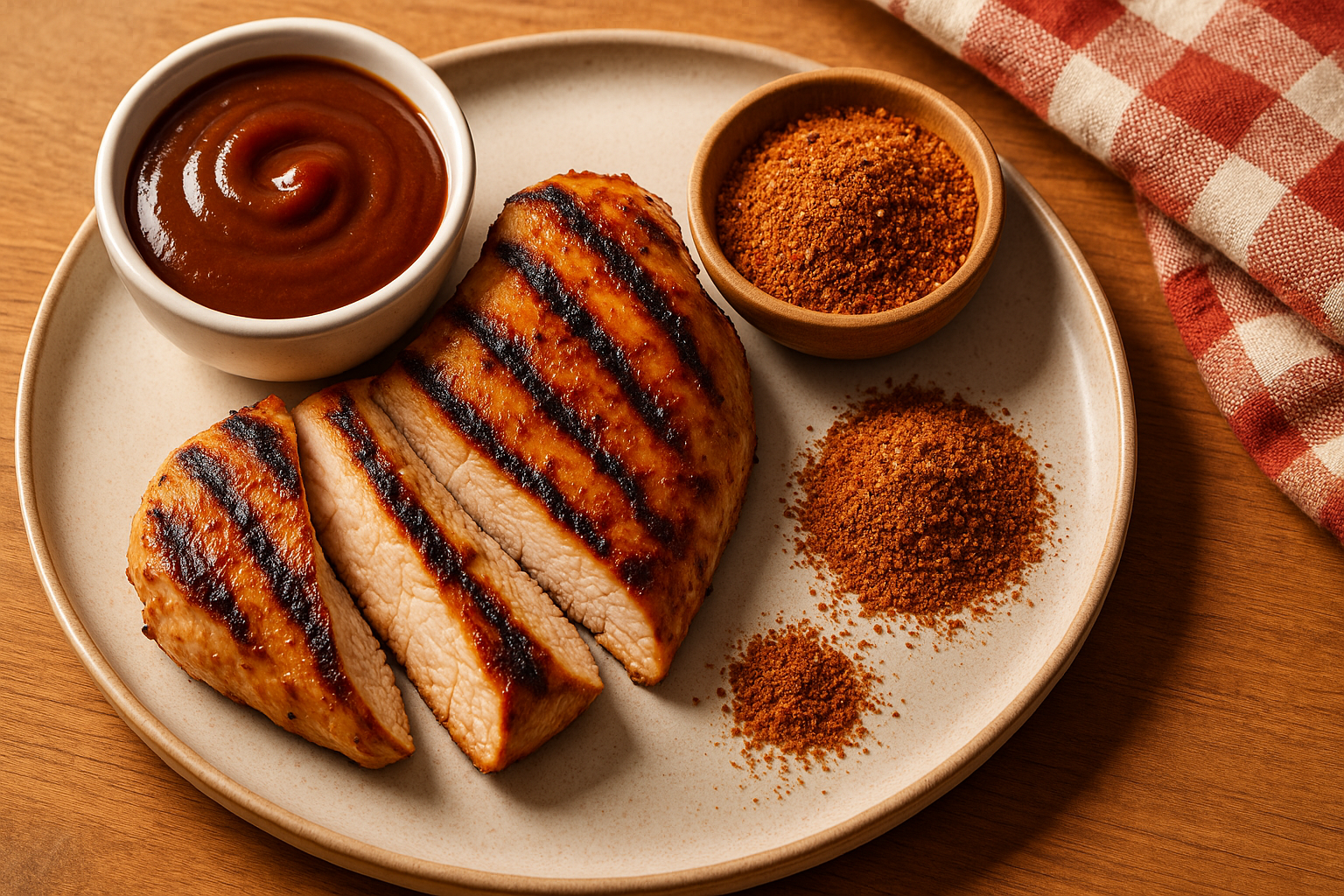
Most BBQ sauces pack more sugar than a can of soda, which makes them terrible for anyone following keto or watching their blood sugar. But you don’t need molasses and brown sugar to get that deep, complex flavor on grilled meat.
These nine homemade rubs and sauces deliver authentic BBQ taste without spiking your glucose or kicking you out of ketosis. I’ve tested each one multiple times, and they hold up against any store-bought product.
## Why Commercial BBQ Sauces Are Sugar Bombs
Check the label on your favorite bottle and you’ll find sugar listed in the first three ingredients, usually multiple times. Tomato paste, brown sugar, molasses, honey, corn syrup, and “natural flavors” all contribute to the 12-16 grams of carbs in just two tablespoons.
That’s more than half the daily carb limit for strict keto dieters. Even worse, most people use way more than two tablespoons on a rack of ribs or pulled pork.
The problem isn’t just the quantity of sugar. Commercial sauces rely on sweetness to mask cheap ingredients and lack of real spice complexity. Once you start making your own, you’ll notice how one-dimensional those bottles taste.
## The Three Keys to Sugar-Free BBQ Flavor
Building flavor without sugar requires understanding what sugar actually does in BBQ. It provides sweetness (obviously), creates caramelization, and balances acidity and heat.
You can replace sweetness with alternative sweeteners, but choose carefully. Erythritol works better than stevia in BBQ applications because it doesn’t have that bitter aftertaste. Monk fruit sweetener is another solid option, though it costs more.
For caramelization, you need the Maillard reaction from proteins and fats, not sugar browning. Proper rubs with paprika, onion powder, and garlic powder create plenty of bark on smoked meat.
Balancing acidity means using vinegar thoughtfully and adding umami-rich ingredients like tomato paste (which has natural sugars but far less than added sweeteners), Worcestershire sauce, or soy sauce.
## Low-Sugar BBQ Rub Recipes
### 1. Classic Keto BBQ Rub
This is my go-to rub for ribs, brisket, and chicken. It works on everything and costs a fraction of specialty rubs.
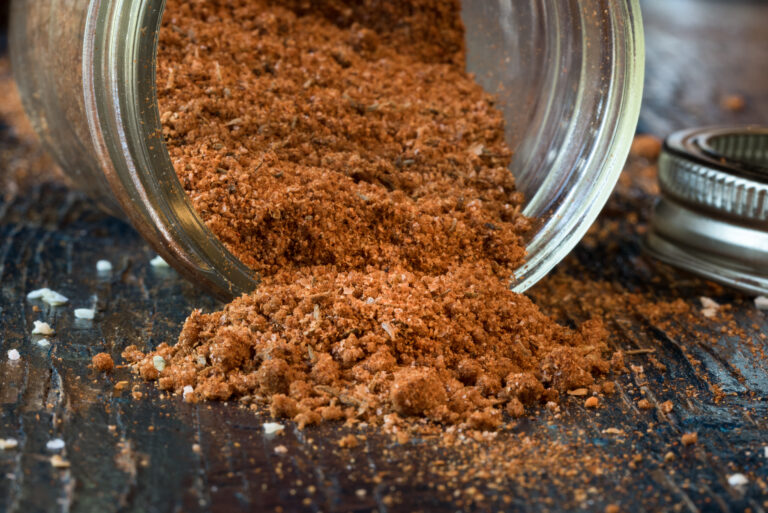
Combine 3 tablespoons smoked paprika, 2 tablespoons erythritol, 1 tablespoon black pepper, 1 tablespoon garlic powder, 1 tablespoon onion powder, 2 teaspoons salt, 1 teaspoon cayenne pepper, and 1 teaspoon dried mustard.
The smoked paprika provides that essential BBQ color and smokiness. Don’t use regular paprika or you’ll miss the depth. Apply this rub at least 2 hours before cooking, or overnight for best results.
### 2. Coffee-Crusted Beef Rub
Coffee adds bitter complexity that perfectly complements beef without any sugar. I use this exclusively on brisket and tri-tip.
Mix 2 tablespoons finely ground coffee (not instant), 2 tablespoons chili powder, 1 tablespoon cocoa powder, 1 tablespoon cumin, 1 tablespoon garlic powder, 2 teaspoons black pepper, 2 teaspoons salt, and 1 teaspoon coriander.
The cocoa powder might surprise you, but it adds earthiness without chocolate flavor. This rub creates an incredible bark on low-and-slow beef. You can find quality smoked paprika in bulk to keep costs down.
### 3. Lemon-Herb Chicken Rub
Poultry needs brightness that beef and pork don’t. This rub brings citrus forward without any sweetness.
Combine 3 tablespoons dried lemon peel (or zest from 4 lemons, dried), 2 tablespoons dried thyme, 1 tablespoon dried rosemary (crushed), 1 tablespoon garlic powder, 1 tablespoon onion powder, 2 teaspoons black pepper, 2 teaspoons salt, and 1 teaspoon white pepper.
If you’re using fresh lemon zest, dry it in a 200°F oven for 30 minutes before mixing. This prevents moisture from clumping your rub.
### 4. Carolina Mustard Rub
South Carolina mustard-based BBQ translates perfectly to a dry rub. This works exceptionally well on pork shoulder.
Mix 3 tablespoons dried mustard, 2 tablespoons paprika, 1 tablespoon garlic powder, 1 tablespoon onion powder, 1 tablespoon black pepper, 2 teaspoons salt, 1 teaspoon turmeric, and 1 teaspoon cayenne.
The turmeric gives you that distinctive yellow color without any sugar. Apply this generously and let it sit for at least 4 hours before smoking.
If you’re working with tougher cuts of beef, these rubs help build a flavorful crust that complements the long cooking time needed for tenderness.
## Sugar-Free BBQ Sauce Recipes
### 5. Tomato-Based Keto BBQ Sauce
This is the closest you’ll get to traditional BBQ sauce without the carbs. One batch makes about 2 cups.
Combine 1 cup tomato paste, 1/2 cup apple cider vinegar, 1/2 cup water, 1/4 cup erythritol, 2 tablespoons Worcestershire sauce, 1 tablespoon smoked paprika, 1 tablespoon onion powder, 2 teaspoons garlic powder, 1 teaspoon black pepper, 1 teaspoon salt, and 1/2 teaspoon cayenne.
Simmer everything together for 15 minutes, stirring frequently. The sauce will thicken as it cools. Store it in the refrigerator for up to two weeks.
The Worcestershire adds umami depth that makes you forget about the missing sugar. Just check your brand because some versions add high-fructose corn syrup.
### 6. Vinegar-Based Carolina Sauce
Eastern Carolina sauce is naturally low-sugar and incredibly flavorful. This recipe has zero added sweeteners.
Mix 1 cup apple cider vinegar, 1/4 cup water, 1 tablespoon red pepper flakes, 1 tablespoon black pepper, 2 teaspoons salt, 1 teaspoon garlic powder, and 1 teaspoon cayenne.
Heat everything together until just simmering, then remove from heat and let it steep for 30 minutes. This sauce is thin and meant for pulled pork. The acidity cuts through fatty meat perfectly.
I prefer this on pork shoulder more than any thick sauce. The vinegar penetrates the meat instead of sitting on top like syrupy sauces.
### 7. Alabama White Sauce
Alabama white sauce is mayonnaise-based and naturally low in sugar. People either love it or hate it, but I’m firmly in the love camp.
Whisk together 1 cup mayonnaise, 1/4 cup apple cider vinegar, 2 tablespoons lemon juice, 1 tablespoon horseradish, 2 teaspoons black pepper, 1 teaspoon salt, 1 teaspoon garlic powder, and 1/2 teaspoon cayenne.
This sauce is incredible on smoked chicken. Don’t cook it, just mix and use. The tanginess and creaminess create something completely different from red BBQ sauce.
Use full-fat mayo for best results. The low-fat versions add sugar to compensate for missing fat.
### 8. Chipotle-Lime Sauce
This recipe brings heat and smoke together with bright citrus. It’s perfect for grilled chicken or pork chops.
Blend 3 chipotle peppers in adobo sauce, 1/4 cup lime juice, 1/4 cup olive oil, 3 tablespoons tomato paste, 2 tablespoons apple cider vinegar, 1 tablespoon erythritol, 2 teaspoons cumin, 1 teaspoon garlic powder, and 1 teaspoon salt.
Blend until completely smooth. This sauce has a kick, but the lime keeps it from being one-dimensional heat. If you want less spice, use only 2 chipotles.
The adobo sauce contains some sugar, but spread across the whole batch it’s negligible. You’re getting maybe 1 gram of carbs per serving.
### 9. Asian-Inspired Ginger Sauce
This sauce breaks from traditional BBQ but works brilliantly on grilled meats. I use it constantly for weeknight chicken thighs.
Whisk together 1/4 cup soy sauce (or coconut aminos for gluten-free), 1/4 cup rice vinegar, 2 tablespoons sesame oil, 2 tablespoons grated fresh ginger, 2 tablespoons erythritol, 1 tablespoon minced garlic, 1 teaspoon red pepper flakes, and 1 teaspoon fish sauce.
The fish sauce adds incredible depth. Don’t skip it even if you think you won’t like it. You won’t taste fish, just rich umami flavor.
Here’s a video showing how to make a similar keto BBQ sauce with great techniques:
## Storage and Shelf Life Tips
All these dry rubs last indefinitely if you store them in airtight containers away from heat and light. I use mason jars and keep them in my pantry for 6-12 months without any quality loss.
The sauces with vinegar as a primary ingredient (like the Carolina vinegar sauce) keep for a month in the refrigerator. The tomato-based and mayo-based sauces last about two weeks.
Label everything with the date you made it. Once you’re making multiple rubs and sauces, you’ll forget which is which.
Consider making double batches of your favorite rubs. The time investment is the same, and you’ll always have some ready. You can find quality spice jars with labels to keep everything organized.
## How These Rubs and Sauces Compare to Store-Bought
I’ve tested these recipes against the leading “low-sugar” commercial products, and homemade wins on every metric except convenience.
Most store-bought sugar-free BBQ sauces use artificial sweeteners that leave a chemical aftertaste. The ones using natural sweeteners typically cost three times what you’ll pay making your own.
Making rubs at home saves even more money because you’re paying for spices, not packaging and marketing. A batch of the classic keto rub costs about the same as buying individual spices in small quantities, but yields enough for 10-15 applications.
Quality matters with your base spices. Cheap garlic powder and onion powder taste stale and flat. Spring for fresh spices from a place with high turnover, or order quality spice sets designed for BBQ.
## Using These Rubs and Sauces on Different Meats
Beef handles bold, aggressive rubs best. The coffee rub and classic BBQ rub both create excellent bark on brisket and chuck roast. Apply rubs 12-24 hours before smoking for maximum penetration.
Pork takes well to both rubs and sauces. I prefer dry rubs during cooking, then sauce during the last 30 minutes or served on the side. The mustard rub is my top choice for pork shoulder and ribs.
Chicken benefits from lighter rubs like the lemon-herb version. The Asian ginger sauce works brilliantly on thighs. Avoid putting sauce on chicken skin before cooking because it prevents crisping.
For maximum flavor, use a rub during cooking and finish with sauce at the table. This gives people control over their preferred flavor intensity. Check out these spice rubs for smoking meats for more detailed smoking techniques.
## Adapting These Recipes to Your Taste
Start with these base recipes, then adjust based on what you like. If you prefer more heat, double the cayenne. Want more smoke flavor? Add more smoked paprika or a teaspoon of liquid smoke to sauces.
The erythritol amounts are conservative. Some people want more sweetness in their BBQ sauce. Others prefer zero sweetness. Adjust gradually because it’s easier to add sweetener than remove it.
Salt levels vary based on your preferences and what meat you’re using. Brined meats need less salt in the rub. Unsalted meats can handle more aggressive seasoning.
Write down your modifications. Once you dial in your perfect version, you’ll want to replicate it exactly.
## Common Mistakes to Avoid
Don’t apply sauce too early. Sugar-free sauces can still burn under high heat, and they won’t caramelize the way sugar-based sauces do. Add sauce in the last 15-30 minutes of cooking.
Avoid using old spices. If your paprika is more than a year old, it probably tastes like cardboard. Fresh spices make the difference between mediocre and excellent rubs.
Don’t be shy with the rub. You want good coverage on all surfaces of the meat. Use more than you think you need, especially on large cuts like brisket.
Refrigerate all sauces, even the vinegar-based ones. While high-acid sauces are shelf-stable, refrigeration extends quality and prevents any potential issues.
## Health Benefits Beyond Low Sugar
These recipes eliminate refined sugar, but they also let you control sodium levels. Commercial BBQ sauces often contain shocking amounts of salt to compensate for cheap ingredients.
You can use high-quality ingredients like organic spices and grass-fed butter (if adding fat to rubs). This gives you cleaner flavor and potentially better nutritional profiles.
For diabetics, these recipes provide consistent carb counts you can track accurately. No hidden sugars or mystery “natural flavors” that might affect blood glucose.
The vinegar in these sauces may help with blood sugar control according to some research. While I wouldn’t rely on BBQ sauce for health benefits, the acetic acid in vinegar has shown promise in studies for improving insulin sensitivity.
## Equipment That Makes This Easier
You don’t need special equipment for dry rubs. A bowl and whisk work fine. For sauces, an immersion blender makes quick work of getting smooth consistency.
A kitchen scale helps with consistent batches. Measuring spices by weight instead of volume gives you perfect results every time. Once you find your ideal recipe, weighing ensures you can replicate it.
For grinding whole spices (which taste better than pre-ground), a dedicated coffee grinder works perfectly. Just clean it thoroughly between coffee and spices unless you want cinnamon-flavored morning coffee.
Small mason jars or spice containers keep rubs fresh and organized. Label them clearly because most BBQ rubs look similar.
## FAQ
### Can I use these rubs and sauces if I’m not on keto?
Absolutely. These recipes work for anyone who wants to reduce sugar intake, whether you’re diabetic, watching calories, or just prefer less sweet BBQ. The flavors are complex enough that most people can’t tell they’re sugar-free.
### How much rub should I use per pound of meat?
Use about 2 tablespoons of rub per pound of meat for most cuts. Brisket and pork shoulder can handle more, up to 3 tablespoons per pound. Chicken needs less, around 1-1.5 tablespoons per pound. The key is complete coverage rather than thick coating.
### Will erythritol give me digestive issues?
Some people experience digestive discomfort from erythritol in large doses, but the amounts in these recipes are relatively small per serving. If you know you’re sensitive, try monk fruit sweetener instead, or reduce the sweetener by half. The sauces still taste good with less sweetness once you adjust to it.
### Can I freeze these sauces?
Yes, all the sauces freeze well except the Alabama white sauce (mayonnaise doesn’t freeze properly). Freeze in ice cube trays, then transfer to freezer bags. Each cube is about 2 tablespoons, perfect for portioning. Thaw in the refrigerator overnight before using.
## Final Recommendations
The classic keto BBQ rub and tomato-based sauce should be your starting point. They’re versatile, crowd-pleasing, and work on any meat. Make a batch of each this weekend and you’ll be set for months.
For pork specifically, pair the Carolina mustard rub with the vinegar-based sauce. This combination is better than any commercial product I’ve tried, sugar-free or not.
The Asian ginger sauce deserves regular rotation even if you’re a BBQ purist. It’s that good on chicken thighs, and it comes together in five minutes.
These recipes prove you don’t need sugar to make outstanding BBQ. The depth of flavor from quality spices and smart acid balance beats one-note sweetness every time. Your taste buds will adjust within a few meals, and you’ll wonder why you ever needed all that sugar in the first place.
This article contains affiliate links. If you purchase through these links, we may earn a small commission at no extra cost to you.