Grow Your Own BBQ: 10 Herbs and Peppers Every Griller Should Plant
Grow your own BBQ seasonings with these essential herbs and peppers. Practical guide covering rosemary, jalapeños, thyme, and more for incredible grilled food.
“`html
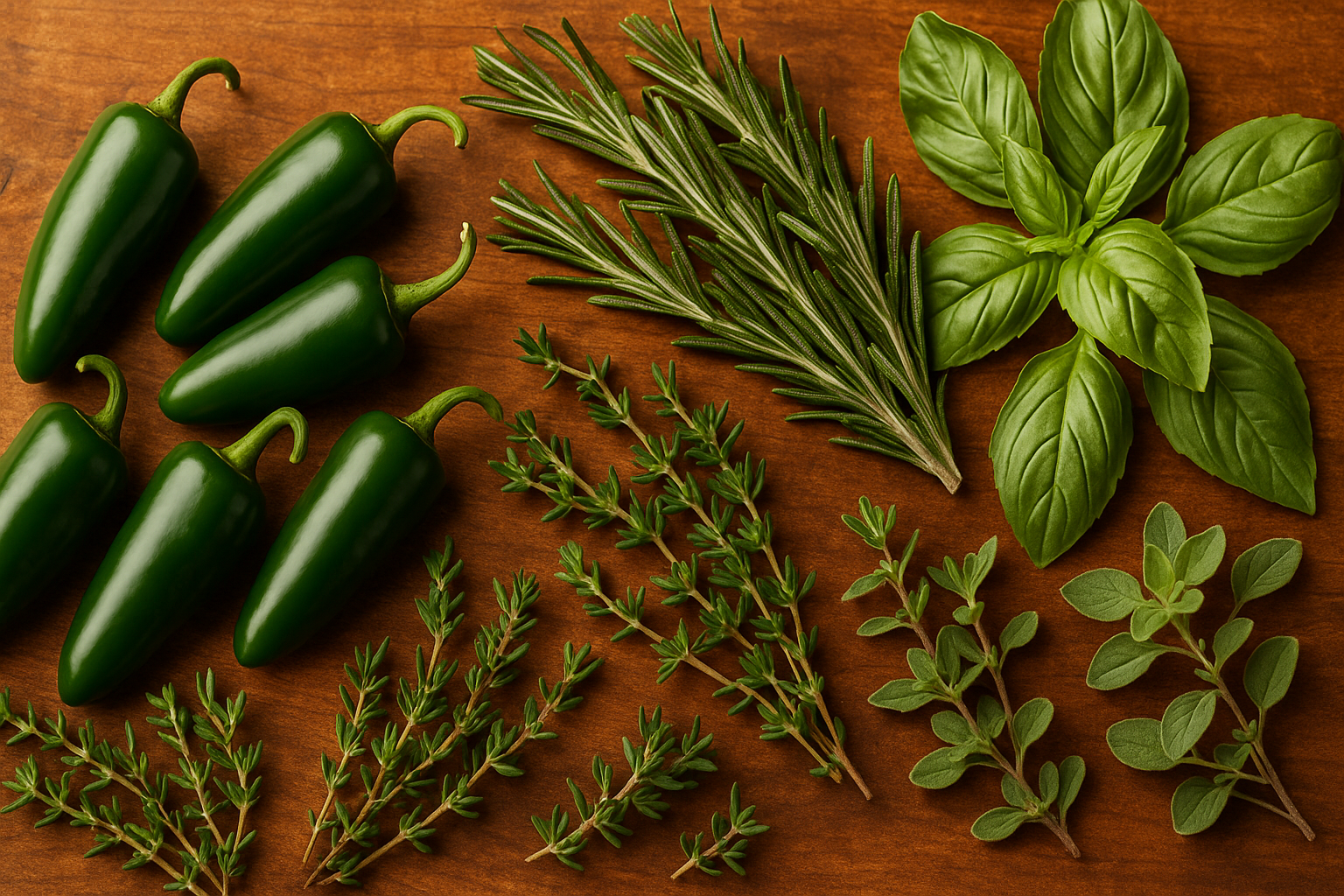
Growing your own BBQ herbs and peppers isn’t just about saving money at the grocery store. It’s about having the freshest, most potent seasonings possible right outside your door when you’re about to grill. Fresh rosemary beats dried supermarket herbs every single time, and homegrown jalapeños pack more flavor than anything sitting under fluorescent lights for days.
Disclosure: As an Amazon Associate, this site earns from qualifying purchases. Thank you!
Why Your BBQ Needs a Garden
The difference between fresh and dried herbs is dramatic. Fresh rosemary has volatile oils that are at peak potency seconds after you clip it. Those same oils fade and oxidize in dried herbs sitting in your spice cabinet for months. You’ll use less seasoning and get better flavor.
Growing your own also means you can experiment with varieties you’ll never find at the store. Try lemon thyme instead of regular thyme, or grow chocolate habaneros for a deeper, smokier heat in your hot sauces. These aren’t gimmicks. They’re legitimate flavor improvements that separate memorable BBQ from mediocre food.
The 10 Best Plants for Your BBQ Garden
1. Rosemary (The Backbone of Any Rub)
Rosemary is the single most important herb for grilling. It stands up to high heat without losing its piney, almost campfire-like aroma. Plant it once and it’ll keep producing for years if you’re in zones 7-10, or treat it as an annual in colder climates.
Strip the leaves from the stems and chop them finely for rubs on pork, lamb, or beef. The stems themselves make excellent skewers for kebabs, infusing smoke and flavor as they char. Water rosemary sparingly. It’s a Mediterranean herb that thrives on neglect and gets woody and flavorless if you overwater it.
Start with established plants rather than seeds. Rosemary from seed takes forever and has spotty germination rates. You can find starter plants at any garden center or check current prices on Amazon for live rosemary plants.
2. Thyme (The Underrated Workhorse)
Thyme doesn’t get enough credit. It works with everything from chicken to fish to vegetables, adding an earthy, slightly minty background note. Unlike rosemary’s aggressive pine flavor, thyme plays well with others and won’t dominate your seasoning blend.
Lemon thyme is superior for BBQ applications. The citrus notes brighten fatty meats like pork shoulder or duck. Regular thyme works fine too, but if you’re planting from scratch, go with lemon thyme. It’s just as easy to grow and more versatile.
Harvest thyme by cutting stems rather than picking individual leaves. You can tie bundles with kitchen twine and hang them to dry, or strip fresh leaves directly into your rubs. Thyme handles our marinade and seasoning preparations better than almost any other herb because it doesn’t bruise easily.
3. Jalapeños (Your Gateway to Homegrown Heat)
Jalapeños are beginner-friendly peppers that produce like crazy. One plant will give you 25-35 peppers over a season. They’re perfect for everything from fresh salsas to smoked and dried into chipotle powder.
Plant jalapeños after the last frost when soil temperatures reach 70°F consistently. They need full sun and regular watering, unlike the drought-tolerant herbs. Space plants 18 inches apart and stake them once they start fruiting because loaded branches will snap.
Pick jalapeños when they’re still green for the classic flavor, or let them ripen to red for a sweeter, fruitier heat. Red jalapeños are exceptional when smoked low and slow, then blended into BBQ sauces. They add complexity without overwhelming heat.
4. Habaneros (When You Want Serious Heat)
Habaneros bring the fire. They’re roughly 50 times hotter than jalapeños, but they also have a distinct fruity, almost apricot-like flavor underneath that heat. This makes them perfect for hot sauces and spicy rubs where you want both heat and depth.
Growing habaneros is identical to jalapeños but they need about 10-15 more days to ripen. Orange habaneros are the standard, but chocolate habaneros have an earthier, smokier profile that’s better for BBQ applications. If you can only grow one habanero variety, make it chocolate.
Handle habaneros with gloves. This isn’t optional. The capsaicin oil will stay on your hands for hours even after washing, and you will eventually touch your eyes or nose and regret every decision that led you to that moment.
5. Sage (Underused and Powerful)
Sage is underrated in American BBQ but it’s a powerhouse with pork and poultry. The slightly peppery, savory flavor cuts through fat beautifully. Fresh sage leaves can be placed directly on meat during the last few minutes of grilling, where they’ll crisp up and become edible garnishes.
Grow sage in well-drained soil with full sun. It’s nearly impossible to kill once established. The fuzzy leaves hold up well to drying, making sage one of the few herbs where dried isn’t dramatically inferior to fresh.
Try rubbing whole pork loins with chopped fresh sage, garlic, and coarse salt before smoking. The combination is traditional Italian, but it translates perfectly to American low-and-slow cooking methods.
6. Oregano (Essential for Marinades)
Oregano is your marinade herb. It breaks down in liquid and releases oils that penetrate meat better than most other herbs. This makes it perfect for overnight marinades on chicken, beef, or lamb.
Greek oregano has a more robust flavor than Italian varieties. It’s worth seeking out specifically if you’re buying plants. Mexican oregano is actually a different plant entirely with a stronger, more citrusy profile. Both work for BBQ, but Greek oregano is more versatile.
Cut oregano stems before the plant flowers to encourage bushier growth. Like thyme, you can dry entire stems by hanging them in bundles, or strip fresh leaves for immediate use. Oregano’s flavor actually intensifies slightly when dried, making it one of the few herbs that works equally well in both forms.
7. Cilantro (Fresh is the Only Way)
Cilantro divides people, but if you’re in the camp that loves it, growing your own is mandatory. Store-bought cilantro wilts in days and loses its bright, citrusy punch. Fresh-cut cilantro is a completely different ingredient.
Cilantro bolts (goes to seed) quickly in hot weather, which is exactly when you’re grilling the most. Plant it in partial shade and succession plant every two weeks throughout the season. This gives you a continuous supply rather than one big harvest that bolts before you can use it all.
Use cilantro stems, not just leaves. The stems have concentrated flavor and add texture to chimichurris, salsas, and fresh herb sauces. Chop them finely and treat them like the leaves. You’re wasting half the plant if you’re throwing away the stems.
8. Basil (Not Just for Italian Food)
Basil on BBQ sounds wrong until you try it. Thai basil specifically brings an anise-like sweetness that pairs beautifully with grilled pork and chicken. It’s common in Southeast Asian grilling traditions and it should be more common here.
Genovese basil (the standard Italian variety) works fine too, particularly in marinades or as a fresh garnish on grilled vegetables. But Thai basil has sturdier leaves that won’t wilt as quickly from residual heat off the grill.
Pinch off flower buds as soon as they appear. Once basil flowers, the leaves turn bitter and the plant stops producing. Keep harvesting aggressively from the top and the plant will bush out and produce more. One plant easily provides enough basil for a family throughout the summer.
9. Chives (The Finishing Touch)
Chives are your finishing herb. Snip them fresh over grilled steaks, baked potatoes, or compound butters. They’re milder than onions but still bring that allium punch without overwhelming your carefully balanced rub or sauce.
Chives are perennials that come back stronger each year. They’re one of the first herbs up in spring and one of the last to die back in fall. Plant them once and forget about them. They’ll handle neglect, poor soil, and inconsistent watering better than almost anything else.
The purple flowers are edible too. They have a mild onion flavor and look impressive scattered over a finished plate. Let a few stems flower, then cut them back to encourage more leaf growth.
10. Garlic (The Foundation Flavor)
Growing garlic is different from growing herbs. You plant cloves in fall, they overwinter, and you harvest in early summer. But having your own garlic means access to fresh garlic scapes in late spring, which are incredible grilled whole or chopped into compound butters.
Hardneck garlic varieties produce scapes and have more complex flavor than the softneck garlic you find in supermarkets. Plant individual cloves (the big ones, not the small interior cloves) four inches deep in October. Mulch heavily and ignore them until spring.
The bulbs you harvest in June and July will cure and store for months. One 10-foot row gives you enough garlic for a year of cooking. Fresh garlic has higher moisture content and roasts better than storage garlic that’s been sitting for months.
Setting Up Your BBQ Garden
Location matters more than soil quality. Put your herb garden as close to your grill as possible. You’re not going to walk across the yard in the middle of cooking to grab fresh herbs. You’ll use dried herbs from the cabinet instead and miss the whole point.
Most herbs want full sun (6-8 hours daily) and well-drained soil. Peppers need the same conditions. If your only sunny spot is 50 feet from your grill, grow herbs in containers and move them closer. Large pots or half whiskey barrels work perfectly for this purpose.
Don’t overcomplicate soil. Basic potting mix works for containers. For in-ground beds, till in a few inches of compost and you’re done. Herbs are Mediterranean plants that evolved in rocky, nutrient-poor soil. Rich soil makes them leggy and dilutes their essential oils.
Container Growing vs In-Ground
Containers give you more control. You can move plants to follow the sun, bring tender herbs inside before frost, and replace spent plants easily. The tradeoff is that containers need more frequent watering, sometimes twice daily in peak summer.
In-ground gardens require less maintenance once established. Herbs develop deeper root systems and can handle heat and drought better. Perennial herbs like rosemary, thyme, and chives will spread and get more productive each year.
I prefer a hybrid approach. Grow perennial herbs in the ground where they can establish and spread. Grow annuals like basil and cilantro in containers where you can succession plant easily and move them around. Peppers work well in large containers (at least 5 gallons per plant) but produce slightly more in-ground.
When to Plant What
Herbs and peppers have different temperature requirements. Most herbs can go out two weeks before your last frost date. They handle cool spring weather fine. Peppers are tropical plants that sulk in cold soil. Wait until nighttime temperatures stay consistently above 55°F.
Here’s the practical timeline for most of the US:
- Early spring (4-6 weeks before last frost): Plant rosemary, thyme, sage, chives, oregano from transplants
- Mid spring (2 weeks before last frost): Direct sow cilantro, plant more herbs
- Late spring (after last frost, soil 70°F+): Plant peppers, basil, start garlic scapes harvest
- Fall (October): Plant garlic cloves
Succession plant cilantro and basil every two weeks through June for continuous harvests. Both bolt quickly and you want replacement plants coming up as older ones decline.
Harvesting and Storage
Harvest herbs in the morning after dew dries but before the sun gets intense. Essential oils are at peak concentration early in the day. This actually makes a noticeable difference in flavor intensity.
Never harvest more than one-third of an herb plant at once. This keeps plants productive rather than stressing them into survival mode. Regular light harvesting is better than occasional heavy cutting for both plant health and your continuous supply.
Peppers can be picked at any stage. Smaller, younger peppers are milder. Fully ripe peppers (usually red, orange, or yellow depending on variety) are sweeter and often slightly hotter. Pick regularly to encourage more fruit production.
For storage, most herbs dry well in small bundles hung in a dark, dry location. Basil and cilantro are exceptions that lose too much flavor when dried. These are best used fresh or frozen in oil. Pour chopped herbs into ice cube trays, cover with olive oil, freeze, then pop out cubes as needed.
Making Your Own Rubs and Blends
The real payoff comes from creating custom blends. Once you have fresh ingredients, you can make rubs that are infinitely better than commercial products. You control salt levels, heat intensity, and flavor balance.
A basic template for any BBQ rub starts with roughly equal parts dried herbs (rosemary, thyme, oregano), aromatics (garlic powder, onion powder), heat (ground peppers), and sweet (brown sugar or granulated sugar). Add salt to taste, usually about 15-20% of total volume.
Dry your own peppers for grinding. Thread jalapeños or habaneros on kitchen twine and hang them in a warm, dry spot for 2-3 weeks until they’re brittle. Grind them in a spice grinder or blender for custom chile powder that’s fresher than anything in stores. Similar techniques work well with various international seasoning approaches too.
You can find quality spice grinders through Amazon’s selection of electric spice grinders, which makes processing your homegrown ingredients much easier than using a standard blender.
Dealing with Common Problems
Aphids are your main enemy with herbs. These tiny green or black insects cluster on new growth and suck plant juices. Spray them off with a hard stream of water or use insecticidal soap. Don’t use harsh pesticides on plants you’re about to eat.
Powdery mildew shows up as white, dusty patches on leaves. It’s caused by poor air circulation and overhead watering. Water at the base of plants early in the day. Space plants properly. Remove affected leaves immediately.
Pepper plants drop flowers when temperatures exceed 90°F during the day or stay above 75°F at night. You can’t fix this. The plants will resume setting fruit when temperatures moderate. Don’t panic and overfertilize, which makes the problem worse.
Bolting cilantro is inevitable in summer heat. Accept it and succession plant replacements every two weeks. You can also let some plants bolt completely and save seeds (coriander) for cooking. Toasted coriander seeds are excellent in dry rubs.
Winter Options for Year-Round Growing
Most herbs overwinter successfully indoors on a sunny windowsill. Bring rosemary, thyme, oregano, and sage inside before frost. Cut them back by about one-third and pot them up if they’re in-ground. Water sparingly through winter.
Basil and peppers won’t survive winter even indoors in most climates. Treat them as annuals and start fresh in spring. You can take cuttings of basil in late summer and root them in water for small winter plants, but production will be limited without grow lights.
If you’re serious about winter growing, invest in a small grow light setup. LED grow lights use minimal electricity and let you keep basil, cilantro, and even peppers producing through cold months. You can find suitable options by checking current prices on LED herb growing lights.
Garlic chives (different from regular chives, with flat leaves and garlic flavor) are extremely cold hardy and can be grown in containers brought to a barely heated garage or mudroom. They’ll go dormant but survive temperatures down to 0°F.
Cooking with Fresh vs Dried
The standard conversion is three parts fresh herbs equal one part dried. Fresh herbs have higher water content, so you need more volume to get equivalent flavor. But this ratio is just a starting point.
Some herbs are better fresh, period. Cilantro, basil, and chives lose too much in drying. Use them fresh or not at all. Others like oregano, thyme, and sage work well dried and are sometimes preferable because their flavors concentrate.
For rubs applied before grilling, dried herbs are usually better. They stick to meat better and won’t burn as easily as fresh herbs with high moisture content. Save fresh herbs for last-minute additions, garnishes, or marinades where their brightness shines.
Compound butters are the perfect use for fresh herbs. Blend softened butter with finely chopped fresh herbs, roll into logs in plastic wrap, and freeze. Slice off coins to melt over steaks, chops, or vegetables right off the grill. The technique works beautifully with techniques from binding preparations for poultry as well.
This video from Pitmaster X tests different pepper varieties to find the best options for grilling and BBQ applications, which can help you decide which pepper plants deserve space in your garden.
Frequently Asked Questions
How much space do I need for a basic BBQ herb garden?
You can grow all the essential herbs in a 4×4 foot raised bed or equivalent container space. That’s enough room for two rosemary plants, three pepper plants, and smaller herbs like thyme, oregano, and chives filling in around them. If you’re limited to containers only, five to seven 5-gallon pots will cover your basics. The key is putting the garden near your grill, not maximizing production.
Can I grow these herbs and peppers if I only have partial sun?
Herbs tolerate partial shade better than peppers. Rosemary, thyme, oregano, and chives will produce adequately with 4-5 hours of direct sun, though they won’t be as bushy or potent as full-sun plants. Peppers really need 6+ hours of direct sun to set fruit properly. If you only have partial sun, focus on shade-tolerant herbs like mint (which is too aggressive for most gardens but works in containers) and cilantro, which actually prefers some afternoon shade in hot climates. Skip the peppers or grow them in portable containers you can move to the sunniest spots.
What’s the single best plant to start with if I’m new to gardening?
Start with rosemary. Buy an established plant (not seeds), put it in full sun, and water it once weekly. That’s the entire care routine. It’s nearly impossible to kill from neglect, and you’ll use it constantly for grilling. Success with rosemary builds confidence for expanding to other herbs and eventually peppers. Plus, even one plant produces enough to make a meaningful difference in your cooking, unlike herbs that need multiple plants for adequate harvesting.
How long until I can harvest from newly planted herbs and peppers?
Established herb transplants can be lightly harvested within two weeks of planting. Peppers take much longer. From transplants, expect 60-80 days until first harvest depending on variety. Jalapeños are faster (60-70 days), habaneros slower (90-100 days). This is why you plant peppers from transplants rather than seeds unless you start them indoors 8-10 weeks before your last frost. Perennial herbs like rosemary, thyme, and oregano get more productive each year, while annuals like basil and cilantro need succession planting every few weeks for continuous harvests.
Getting Started This Weekend
Pick three plants maximum for your first attempt. One rosemary, one jalapeño, and one basil plant will teach you everything you need to know without overwhelming you. Put them in 5-gallon containers near your grill, water when the top inch of soil feels dry, and harvest regularly.
Success with those three will naturally lead you to expand. You’ll notice the difference in flavor immediately and wonder why you didn’t start years ago. By next season, you’ll be ready for a full garden producing custom rubs and sauces that are impossible to buy anywhere.
The gap between good BBQ and great BBQ isn’t expensive equipment or exotic wood chips. It’s fresh ingredients used at peak potency. Growing your own herbs and peppers closes that gap completely. Your brisket might take 12 hours to smoke, but the rosemary you sprinkled on it was at peak flavor 30 seconds before you used it. That’s the difference people taste but can’t quite identify.
This article contains affiliate links. If you purchase through these links, we may earn a small commission at no extra cost to you.