
Cajun Ribs Recipe: Louisiana-Style Spice with Smoky Heat
Bold Cajun pork ribs with homemade spice blend, vinegar mop sauce, and smoking tips for perfect bark. Louisiana-style heat that delivers serious flavor.
“`html
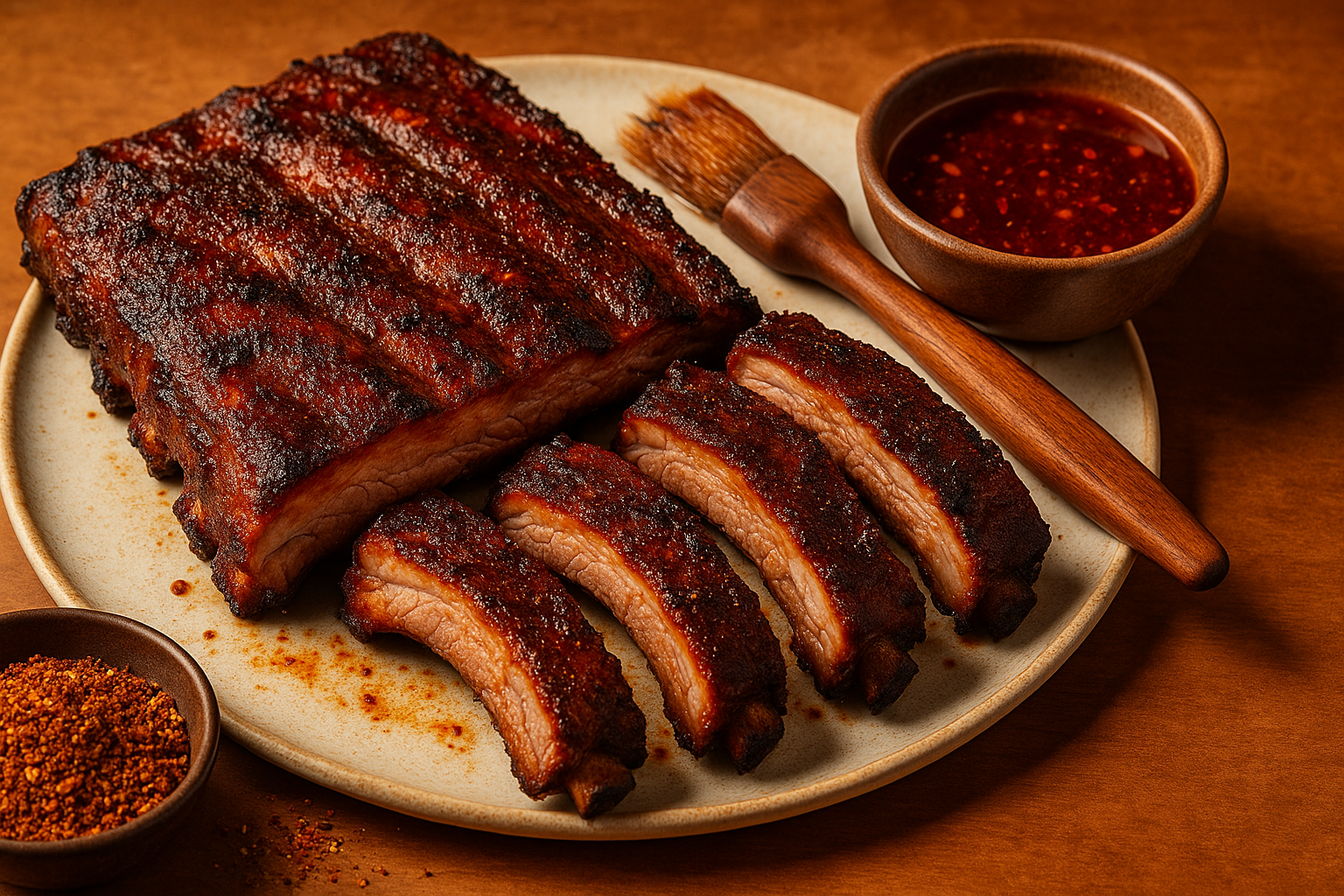
Cajun ribs deliver intense spice, deep smoke, and a crust that cracks when you bite into it. This Louisiana-style approach skips the sweet sauce and goes straight for savory heat with a homemade spice blend that’ll make your mouth tingle in the best way possible.
You’ll coat these ribs in a bold mix of cayenne, paprika, and garlic, then smoke them low and slow while mopping with a tangy vinegar sauce. The result is tender pork with a dark, flavorful bark that puts those sticky-sweet competition ribs to shame.
Disclosure: As an Amazon Associate, this site earns from qualifying purchases. Thank you!
What Makes Cajun Ribs Different
Cajun ribs aren’t about hiding pork flavor under layers of molasses and brown sugar. The spice blend takes center stage, built on cayenne pepper and paprika instead of chili powder. You’re tasting the meat, the smoke, and the spices in equal measure.
The vinegar-based mop sauce keeps the ribs moist during smoking while adding another layer of tang. Unlike thick BBQ sauces that can burn during long cooking times, this thin liquid penetrates the meat and complements the spice rub instead of masking it.
Louisiana cooking tradition calls for building heat gradually. The spice blend provides immediate kick, while the cayenne builds as you eat. If you’re used to milder BBQ styles, these ribs will wake up your taste buds fast.
Choosing Your Ribs
St. Louis-style spare ribs work best for this recipe. They’ve got more fat than baby backs, which means more flavor and better protection against drying out during the long smoke. The uniform shape also helps them cook evenly.
Look for racks with good meat coverage over the bones. You want even thickness from end to end, without thin spots that’ll overcook. The membrane on the bone side should be intact when you buy them, which you’ll remove before seasoning.
Fresh ribs beat previously frozen every time. Check the color and make sure you’re seeing pink meat without gray patches. For more details on selecting quality cuts, check out our guide on tender ribs recipes.
The Cajun Spice Blend
This homemade rub packs considerably more punch than store-bought Cajun seasonings, which often lean too heavily on salt. Making your own lets you control the heat level and avoid the metallic taste some commercial blends have.
Ingredients for the Rub
- 3 tablespoons paprika (smoked paprika adds extra depth)
- 2 tablespoons cayenne pepper
- 2 tablespoons garlic powder
- 1 tablespoon onion powder
- 1 tablespoon black pepper (coarsely ground)
- 1 tablespoon dried oregano
- 1 tablespoon dried thyme
- 2 teaspoons white pepper
- 1 tablespoon kosher salt
- 1 teaspoon ground mustard
Mix all the spices in a bowl until they’re completely combined. The blend should look uniform in color with no clumps. You can make this several days ahead and store it in an airtight container, though the flavors are strongest when freshly mixed.
If you’re not a fan of serious heat, cut the cayenne back to 1 tablespoon. But honestly, these ribs should make you reach for a cold drink. That’s part of the experience. For more information about building your spice tolerance, read our guide to handling spicy foods.
Having a quality spice grinder helps when you want to use whole spices for maximum freshness. Grinding your own black pepper and toasting whole spices before grinding takes this rub to another level.
Preparing the Ribs
Flip the ribs bone-side up. You’ll see a thin, silvery membrane covering the bones. Slide a butter knife under this membrane at one end to loosen it, then grab it with a paper towel and peel it off in one piece. This step matters because the membrane blocks smoke penetration and stays chewy after cooking.
Trim any loose fat or meat hanging off the edges. You want a clean rack that’ll cook evenly. Pat the ribs completely dry with paper towels. Moisture prevents the rub from sticking properly.
Apply a thin layer of yellow mustard all over both sides of the ribs. You won’t taste the mustard after smoking, but it helps the spice blend adhere and promotes better bark formation. Some pitmasters swear by this technique, and they’re right.
Coat both sides of the ribs generously with your Cajun spice blend. Don’t be shy here. Press the rub into the meat so it sticks. You should barely see pink meat under the dark spice coating. Let the seasoned ribs sit at room temperature for 30-45 minutes before they hit the smoker.
The Vinegar Mop Sauce
This thin, tangy sauce gets brushed on every hour during smoking. It keeps the surface moist, helps build bark, and adds acidity that cuts through the richness of the pork.
Mop Sauce Ingredients
- 1 cup apple cider vinegar
- 1/2 cup water
- 2 tablespoons Worcestershire sauce
- 1 tablespoon hot sauce (Louisiana-style like Crystal or Tabasco)
- 1 tablespoon of your Cajun spice blend
- 1 teaspoon black pepper
Combine everything in a saucepan and heat until just simmering. You’re not trying to reduce it, just dissolve the spices. Let it cool to room temperature before using. Keep this mixture in a spray bottle or use a barbecue mop to apply it during cooking.
The vinegar might seem like overkill at first, but it’s essential for authentic Louisiana-style ribs. This isn’t Kansas City BBQ. The acid helps tenderize the meat and provides contrast to the spicy, smoky flavors.
Smoking Temperature and Time
Set your smoker to 250°F. This temperature gives you the best balance between cooking time and bark development. Lower temperatures take forever and can dry out the ribs. Higher temps don’t give the smoke enough time to penetrate.
Use fruit wood like apple or cherry for a milder smoke that won’t overpower the Cajun spices. Hickory works if you want stronger smoke flavor, but skip the mesquite. It’s too aggressive for the long cooking time these ribs need.
Place the ribs bone-side down on the grate. This protects the meat from direct heat and helps render the fat between the bones. You’re looking at 5-6 hours of total cooking time for St. Louis-style ribs at this temperature.
Apply your mop sauce every hour after the first hour. This keeps the surface from drying out and helps build up layers of flavor. Don’t open the smoker more than necessary though, you’re losing heat and smoke every time that lid comes off.
For additional smoking tips and techniques, our article on achieving great barbecue flavor covers important fundamentals that apply to any smoked meat.
Testing for Doneness
Forget about hitting a specific internal temperature. Ribs are done when they pass the bend test and the bite test, not when a thermometer reads a certain number.
Pick up the rack with tongs at the center. The ribs should bend easily and the meat should start to crack on the surface, but not fall apart completely. If they’re still stiff, they need more time.
For the bite test, tear off a rib from the end. Take a bite. The meat should pull away from the bone cleanly with a gentle tug, but you shouldn’t be eating mush that slides right off. You want some texture left in there.
If you insist on using a thermometer, you’re targeting somewhere between 195°F and 203°F in the thickest part of the meat. But learn to trust the bend test instead. It’s more reliable for ribs than any temperature reading.
Resting and Serving
Pull the ribs off the smoker and tent them loosely with foil. Let them rest for 15-20 minutes. This allows the juices to redistribute and makes cutting between the bones much easier.
Cut between each bone with a sharp knife. You should be able to slice through cleanly without sawing back and forth. If you’re meeting resistance, your knife needs sharpening.
Serve these ribs naked. They don’t need sauce. The spice crust and smoke flavor are the star. Put out some extra hot sauce on the side for anyone who wants more heat, but don’t drown your work in sweet BBQ sauce.
Classic Louisiana sides work perfectly here: red beans and rice, coleslaw with a vinegar dressing, cornbread, or potato salad. You want sides that can stand up to the spice without competing with it.
Common Mistakes to Avoid
Wrapping these ribs in foil halfway through cooking is wrong for this recipe. The “Texas crutch” method steams the meat and softens your bark. You spent hours building that crust, don’t ruin it.
Using too much sugar in your rub or mop sauce creates a different style of rib entirely. Cajun cooking doesn’t rely on sweetness to balance heat. If you want sweet ribs, make a different recipe.
Opening the smoker constantly to check on things drops your temperature and extends cooking time. Trust the process. Check once per hour when you mop, otherwise leave them alone.
Cutting into the ribs immediately after pulling them from the smoker lets all the juices run out. Patience during the rest period makes a measurable difference in how moist your final product turns out.
Equipment You’ll Need
Any smoker works for this recipe, whether you’re using an offset stick burner, a pellet grill, or a kettle with charcoal. Temperature control matters more than the type of smoker you own.
A good instant-read thermometer is essential for monitoring both your smoker temperature and meat temperature. I recommend checking current prices on a reliable instant-read thermometer on Amazon.
You’ll want either a barbecue mop or a spray bottle for applying the vinegar sauce. Mops give you better control over how much liquid you’re applying, while spray bottles are faster. Both work fine.
Heavy-duty high-heat resistant tongs make handling hot racks of ribs much safer. Cheap tongs bend and make you fumble with expensive meat over hot coals.
If you’re working with other smoked meats beyond ribs, our guide to the best smokers for fish offers insights into equipment that handles delicate proteins well.
Making Extra Rub and Sauce
This spice blend keeps for three months in an airtight container away from light and heat. Make a double or triple batch and use it on chicken, shrimp, or catfish. It’s excellent on roasted vegetables too.
The mop sauce stays good in the refrigerator for two weeks. Heat it up before using it again. You can also use leftover mop sauce as a marinade for chicken or as a braising liquid for greens.
Don’t store the spice blend and liquid sauce together. Keep them separate until you’re ready to cook. Mixing them ahead creates a paste that’s harder to work with and doesn’t stick to meat as well as dry rub.
Adjusting Heat Levels
If you’re cooking for people who can’t handle serious spice, reduce the cayenne to 1 tablespoon and add an extra tablespoon of paprika to maintain the volume. You’ll still get Cajun flavor without the intense burn.
For even hotter ribs, add 1 teaspoon of ground chipotle pepper to your rub. This adds smoky heat that’s different from cayenne’s sharp bite. You can also increase the hot sauce in your mop by another tablespoon.
White pepper contributes a different kind of heat than black pepper or cayenne. Don’t skip it thinking you’re reducing spice. It adds complexity to the overall flavor profile that you’ll miss if you leave it out.
Learn more about different chile varieties and heat building in our guide to alternative hot sauces.
Pairing with Other Cajun Dishes
These ribs fit perfectly into a larger Louisiana-style cookout. Pair them with andouille sausage for a mixed meat platter that shows off different aspects of Cajun cooking.
Start the meal with a pot of gumbo or jambalaya. The ribs become the star protein alongside these classic dishes. You’re creating a complete Louisiana experience, not just serving random BBQ.
Dirty rice, red beans with smoked sausage, and fried okra all complement the spicy ribs without repeating flavors. Balance is important when everything on the table has bold seasoning.
Storing and Reheating Leftovers
Wrap leftover ribs tightly in foil and refrigerate for up to four days. They’re excellent cold, sliced thin and added to sandwiches or chopped for fried rice.
To reheat, wrap the ribs in foil with a splash of the mop sauce and warm them in a 250°F oven for about 30 minutes. Don’t use the microwave unless you enjoy rubbery, dried-out meat.
You can freeze cooked ribs for up to three months. Wrap them in plastic wrap, then foil, then put them in a freezer bag. Thaw in the refrigerator overnight before reheating. The texture won’t be quite as good as fresh, but the flavor holds up well.
Watch a Pro Make Cajun Ribs
This video from allthingsbbq demonstrates the technique and shows what your finished ribs should look like:
Building Your Spice Collection
Quality ingredients make a difference in your final product. Cheap paprika tastes like dust, while good paprika brings earthy sweetness and vibrant color to your rub.
Buy whole spices and grind them yourself when possible. Whole peppercorns, coriander seeds, and dried thyme retain their essential oils much longer than pre-ground versions. For more on this topic, read our article about the best coriander for spice rubs.
Store spices away from your stove. Heat degrades flavor compounds faster than you think. A cool, dark pantry keeps your spice collection fresh for months longer than a cabinet next to the oven.
Replace ground spices every six months and whole spices every year. If you can’t remember when you bought something, smell it. Spices should have strong, distinct aromas. If they smell like cardboard, throw them out.
Building a complete spice arsenal helps with all kinds of cooking. Our guide to essential cooking spices covers what you need beyond this Cajun blend.
Beyond Pork Ribs
This same spice blend and technique works beautifully on beef ribs. You’ll need to extend your cooking time to 7-8 hours because beef ribs are thicker and have more connective tissue to break down.
Chicken quarters take the Cajun treatment well too. Cut your smoking time to 2-3 hours at the same 250°F temperature. The vinegar mop keeps the chicken skin from drying out while adding tons of flavor.
Whole catfish or redfish covered in this rub and grilled over high heat delivers authentic Louisiana fish. Skip the mop sauce for fish and just use the dry rub generously on both sides before grilling.
Competition vs. Home-Style Ribs
Competition BBQ ribs focus on a sweet, glossy appearance and meat that barely clings to the bone. That’s not what you’re making here. Louisiana-style ribs prioritize spice, smoke, and a toothsome texture.
You won’t win a KCBS competition with these ribs. They’re too dark, too spicy, and not sweet enough for mainstream BBQ judges. But you’ll impress anyone who appreciates bold flavors and regional authenticity.
Home cooking lets you follow regional traditions without pandering to judges looking for a specific profile. Embrace the differences instead of trying to make these ribs into something they’re not meant to be.
Frequently Asked Questions
Can I use baby back ribs instead of spare ribs?
You can, but reduce your cooking time to 4-5 hours since baby backs are smaller and leaner. They won’t have quite as much flavor as spare ribs because there’s less fat to render and baste the meat during cooking. The spice rub helps compensate, but spare ribs are still the better choice for this recipe.
Do I need to wrap these ribs in foil at any point?
No. Wrapping creates steam that softens your bark and turns the texture mushy. These ribs are designed to be cooked unwrapped the entire time, developing a firm, flavorful crust through constant smoke exposure. If you’re worried about drying out, apply your mop sauce more frequently instead of wrapping.
How spicy are these ribs compared to standard BBQ?
Considerably spicier. Standard BBQ ribs might have some black pepper and chili powder, but this recipe uses 2 tablespoons of cayenne plus white pepper and hot sauce in the mop. If you have low spice tolerance, start with half the cayenne and adjust from there. You can always add more heat, but you can’t take it away once the rub is on the meat.
Can I cook these in the oven if I don’t have a smoker?
You’ll miss the smoke flavor, which is a key component, but you can get decent results in a 250°F oven. Use a roasting pan with a rack and apply the mop sauce every hour just like you would in a smoker. Add a teaspoon of liquid smoke to your mop sauce to approximate some of that missing smokiness. Finish the ribs under the broiler for 2-3 minutes to crisp up the bark.
Final Thoughts on Cajun Ribs
These ribs represent everything Louisiana cooking does well: bold spice, layers of flavor, and a refusal to play it safe. You’re making real Cajun food here, not a watered-down version designed to please everyone.
Master this recipe and you’ll have a signature dish that stands out from typical BBQ. The vinegar mop and spice-forward approach creates ribs with serious character that’ll make people remember your cooking long after the meal ends.
Start with quality spare ribs, don’t skimp on the spice blend, and keep that temperature steady throughout the smoke. Everything else is just patience and trust in the process.
This article contains affiliate links. If you purchase through these links, we may earn a small commission at no extra cost to you.


