
Grilled Venison Heart Skewers with Chimichurri
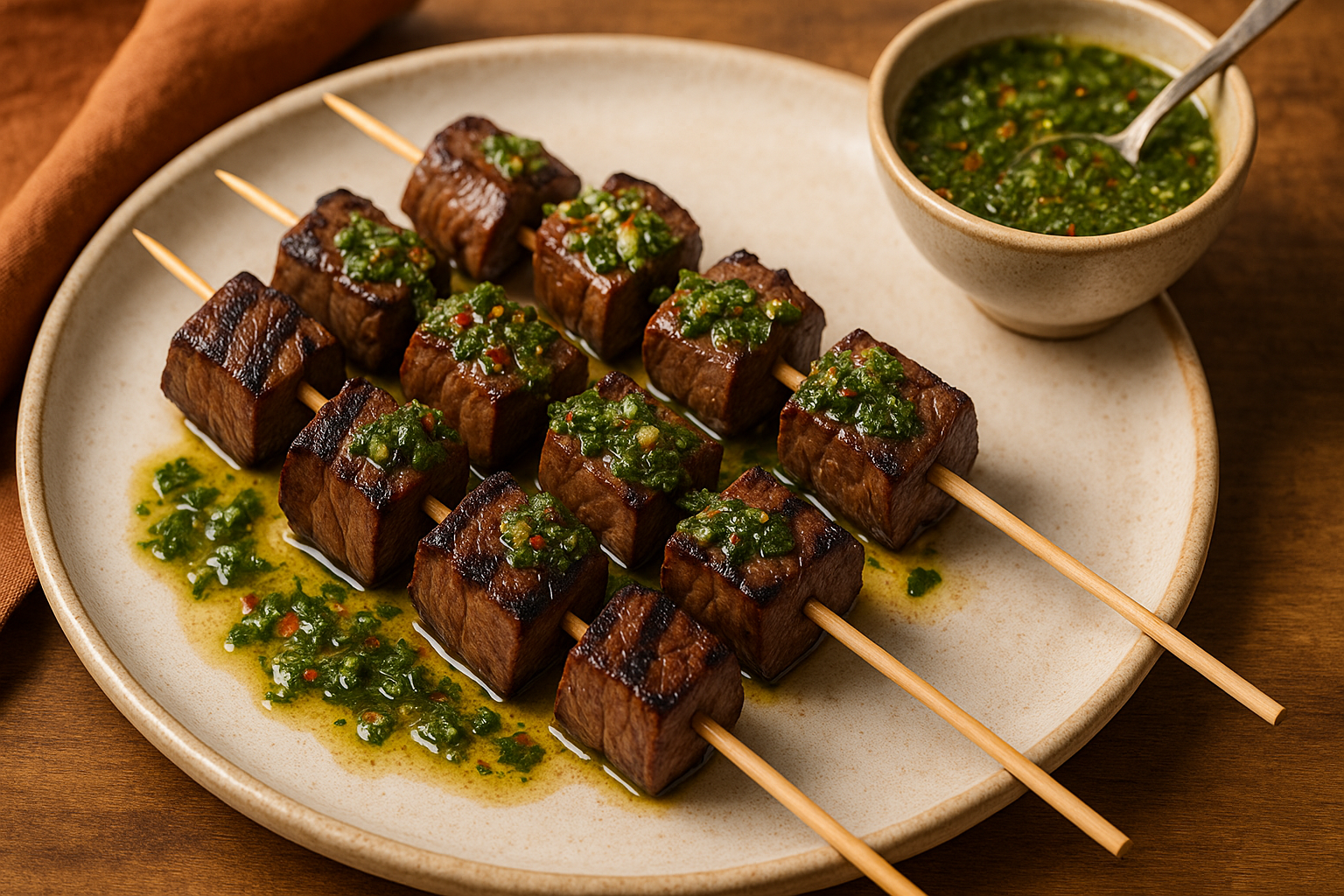
Learn to grill tender venison heart skewers with bright chimichurri sauce. This easy recipe makes organ meat approachable for any home cook.
Disclosure: As an Amazon Associate, this site earns from qualifying purchases. Thank you!
Why Venison Heart Deserves a Spot on Your Grill
Venison heart is lean, tender, and takes to the grill better than most muscle cuts. This recipe transforms a single deer heart into skewers with a bright chimichurri sauce that covers any gamey notes you might worry about.
Heart meat cooks fast and stays juicy when you treat it right. Most people who say they don’t like organ meat haven’t tried heart yet. It tastes more like a lean steak than anything medicinal or funky.
Understanding Venison Heart as a Cut
A deer heart is pure muscle. Unlike liver or kidneys, it doesn’t filter anything or store compounds that create strong flavors. You’re eating the hardest-working muscle in the animal, which means tight grain and almost zero fat.
One whole venison heart weighs between 8 to 12 ounces depending on the deer’s size. That gives you enough meat for 3-4 servings when cubed for skewers. The texture falls somewhere between flank steak and beef tenderloin, with a mild flavor that accepts marinades and sauces beautifully.
The nutritional profile puts conventional cuts to shame. Heart meat packs more CoQ10, B vitamins, and iron than standard muscle meat. If you’re interested in the broader benefits of organ meats, our guide on beef organs and their nutritional value covers why these cuts matter for your diet.
Trimming and Prepping the Heart
You’ll find some connective tissue and fat deposits on the exterior of a venison heart. Don’t skip the trimming step. Those bits turn chewy and unpleasant on the grill.
Start by rinsing the heart under cold water. Pat it completely dry with paper towels. Place it on a cutting board and locate the top opening where blood vessels entered. Cut away any visible fat, silverskin, or tough membranes around this area.
Slice the heart in half lengthwise. You’ll see chambers inside with some remaining blood vessels and membranes. Use a sharp knife to scrape these out. You want nothing but clean, dark red muscle meat.
Once cleaned, cut the heart into 1-inch cubes. Consistent sizing matters here because you want even cooking across every piece. Smaller than 1 inch and they’ll overcook. Larger and the outside chars before the inside finishes.
The Chimichurri That Makes This Recipe Work
Chimichurri brings acid, fat, and herbs that balance the rich, iron-forward notes of heart meat. You need a version with enough punch to stand up to the grill char.
Here’s what goes into the sauce:
- 1 cup fresh parsley, finely chopped
- 3 tablespoons fresh oregano, finely chopped
- 4 garlic cloves, minced
- 1/2 cup olive oil
- 3 tablespoons red wine vinegar
- 1 teaspoon red pepper flakes
- 3/4 teaspoon salt
- 1/2 teaspoon black pepper
Combine everything in a bowl and let it sit at room temperature for at least 30 minutes before serving. The flavors meld and the garlic mellows slightly during this rest period.
Some recipes call for food processors to make chimichurri. Skip that approach. Hand-chopping creates better texture and prevents the sauce from turning into a puree. You want distinct flecks of herbs, not baby food.
The acid in chimichurri also works as a light marinade if you toss the heart cubes in half the batch 30 minutes before grilling. Save the other half for serving. For more ideas on building flavor with herbs and spices, check out our essential spices guide.
Building and Grilling the Skewers
Thread the heart cubes onto skewers with about 1/4 inch of space between each piece. This spacing allows heat to circulate and promotes even cooking. Pack them too tight and the centers stay raw.
Metal skewers work better than bamboo for this recipe. Heart meat is dense enough that it won’t spin on metal skewers, and you avoid the soaking step required for bamboo skewers. If you need specific recommendations, our roundup of the best skewers for grilling covers which designs handle dense meats best.
Preheat your grill to high heat, around 450-500°F. Oil the grates well. Heart meat is so lean it will stick without proper grate prep.
Place the skewers directly over the heat. Grill for 2-3 minutes per side, rotating to hit all four sides of the cubes. You’re looking for a nice char on the exterior while keeping the interior medium-rare to medium.
Total cooking time runs 8-12 minutes depending on your grill’s heat output and cube size. Use an instant-read thermometer to check for doneness. Pull the skewers at 130-135°F for medium-rare, which gives you the best texture and flavor.
Overcooking ruins heart meat faster than any other cut. Past 145°F, the texture turns from tender to rubbery. There’s no fat to keep things moist, which means you can’t recover from overcooking.
Serving and Pairing Suggestions
Pull the skewers off the grill and let them rest for 3-4 minutes. This brief rest allows juices to redistribute without losing the temperature advantage you built during cooking.
Slide the heart cubes off the skewers onto a serving platter. Spoon the reserved chimichurri generously over the top. The sauce should pool around the meat, not just lightly coat it.
Grilled venison heart pairs well with simple sides that don’t compete for attention. Roasted potatoes, grilled vegetables, or a crisp green salad all work. You want the heart and chimichurri to be the stars.
Serving this at a dinner party? Don’t announce it’s organ meat upfront. Let people taste it first. Most guests will think it’s a lean beef cut and ask for seconds before you reveal what they’re eating.
Storing and Reheating Leftovers
Leftover grilled venison heart keeps in the refrigerator for up to 3 days. Store it in an airtight container with extra chimichurri to prevent the meat from drying out.
Reheating requires a gentle touch. Microwave on 50% power in 30-second bursts until just warmed through. High heat will turn yesterday’s tender skewers into hockey pucks.
Better yet, eat the leftovers cold. Slice the heart cubes thin and pile them on sandwiches or salads. The chimichurri continues to flavor the meat as it sits, making next-day eating even better than the original meal.
Why This Recipe Converts Organ Meat Skeptics
Heart meat gives you the nutritional benefits of organ meat without the challenging flavors that make people avoid kidneys or liver. The texture feels familiar to anyone who’s eaten steak.
Grilling adds smokiness and char that mask any mineral notes some people detect in organ meats. The high heat caramelizes the exterior and creates the same Maillard reactions you get from conventional cuts.
Chimichurri handles any remaining hesitation. The bright acid and fresh herbs make every bite taste vibrant rather than heavy. Even committed organ meat skeptics tend to finish their portions and ask about the recipe.
If you’re expanding into wild game cooking beyond just traditional roasts and steaks, explore our collection of venison recipes healthier than beef for more ideas on working with this lean protein.
Sourcing Venison Heart
Hunters get venison hearts for free with every deer they harvest. Most processing facilities will include the heart if you request it during drop-off. Many hunters discard these organs, which means you might score free hearts from hunting friends.
Buying venison heart through specialty meat suppliers or game meat vendors works if you don’t hunt. The hearts typically come frozen and cleaned. You’ll still need to trim some connective tissue, but the major cleaning work is done.
Farm-raised venison from New Zealand appears in some high-end grocery stores. These hearts cost more than wild venison but guarantee consistent quality and year-round availability.
Wild venison heart tastes leaner and slightly more mineral-forward than farm-raised. Both work perfectly for this recipe. The chimichurri levels the playing field between wild and farmed sources.
Adapting This Recipe for Other Hearts
This same method works for beef heart, lamb heart, or even pork heart. Adjust cooking times based on size. Beef heart cubes need an extra minute or two per side. Lamb heart cooks slightly faster than venison.
Beef heart gives you a beefier, less gamey flavor but comes from a much larger organ. One beef heart feeds 8-10 people. Beef organs in general are easier to source than wild game organs if you’re testing the waters before committing to venison.
Chicken hearts work in this recipe too but require shorter cooking times. Keep them at 1-2 minutes per side or they’ll dry out completely. The smaller size also means you’ll need more hearts to fill your skewers.
Equipment That Makes This Easier
A sharp boning knife helps with the trimming work. Dull knives tear rather than cut cleanly through the heart’s dense muscle fibers.
Flat metal skewers prevent the heart cubes from spinning when you try to flip them. Round skewers create frustration because the meat rotates instead of staying put while you build a good char on each side. You can check current prices on flat metal skewers on Amazon to find options that work for your grill setup.
An instant-read thermometer takes the guesswork out of doneness. Heart meat looks done on the outside before the interior reaches temperature. A quick probe saves you from serving raw centers or overcooking the entire batch. Browse instant-read thermometers on Amazon to find one that fits your budget.
A grill basket works as a backup if you don’t have good skewers. You lose the visual appeal of serving meat on skewers, but the basket prevents small pieces from falling through grill grates. This matters especially if you’re grilling heart cubes alongside vegetables.
Common Mistakes to Avoid
Incomplete trimming leaves chewy bits that ruin the eating experience. Take an extra five minutes to remove every piece of connective tissue. You can’t fix this problem after cooking.
Cutting the heart into inconsistent sizes creates a mix of overcooked and undercooked pieces. Use a ruler if you need to until you develop an eye for consistent 1-inch cubes.
Skipping the rest period after grilling sends juices onto the cutting board instead of staying in the meat. Just a few minutes of patience improves the final texture noticeably.
Using bottled lemon juice instead of proper red wine vinegar in your chimichurri weakens the sauce. Red wine vinegar has the right acidity level and flavor profile for this application. Lemon juice tastes too bright and citrusy.
Marinating the heart overnight seems like it should help but actually hurts the texture. The acid in chimichurri starts breaking down the proteins after a few hours. Stick to 30 minutes maximum for the pre-grill marinade portion.
Scaling This Recipe for Crowds
One venison heart feeds 3-4 people as an appetizer or 2-3 as a main course. Plan on two hearts for every five guests if you’re serving this as the protein centerpiece.
Make the chimichurri in larger batches. The sauce keeps in the refrigerator for up to one week. Double or triple the recipe and you’ll have extra for other grilled meats throughout the week.
Threading multiple skewers takes time. Recruit help or prep the skewers a few hours ahead. Keep them refrigerated on a sheet pan until you’re ready to grill.
Grilling in batches works better than crowding your grates. Heart cooks so quickly that you can knock out three or four rounds in the time it takes to grill a single batch of chicken thighs.
Nutritional Benefits Worth Mentioning
A 3-ounce serving of venison heart contains around 25 grams of protein with less than 5 grams of fat. Compare that to the same portion of ribeye steak at 23 grams of protein and 24 grams of fat.
The CoQ10 content in heart meat supports cellular energy production. You’ll find more CoQ10 in a serving of heart than in most supplements. This compound also supports cardiovascular health, which makes eating heart to help your heart slightly ironic but scientifically sound.
B vitamins, particularly B12, appear in concentrations higher than conventional muscle meats. One serving provides over 100% of your daily B12 requirements. This matters especially for people who limit or avoid red meat in their regular diet.
Iron from heart meat is heme iron, which your body absorbs more efficiently than non-heme iron from plant sources. If you struggle with iron deficiency, working organ meats like heart into your rotation helps more than downing spinach salads.
FAQ
Can you eat venison heart rare?
Yes, you can safely eat venison heart cooked to rare or medium-rare. Heart is muscle tissue like steak, not a filtering organ, which makes it safe to eat with a pink center. Pull it off the grill at 125-130°F for rare or 130-135°F for medium-rare. These temperatures give you the best texture. Cooking past medium turns the lean meat tough and dry.
Does venison heart taste gamey?
Venison heart has a much milder flavor than other organ meats and less gamey taste than hindquarter roasts or shoulder cuts. The heart tastes similar to a lean beef steak with subtle mineral notes. The gamey flavor people associate with deer meat comes mainly from fat and improper field dressing. Since heart contains almost no fat and is removed quickly during processing, it avoids the compounds that create strong game flavors. Grilling and serving with chimichurri further masks any wild taste.
How do you know when venison heart is done?
Use an instant-read thermometer to check internal temperature. Venison heart is done at 130-135°F for medium-rare, which gives you the ideal texture. Visual cues don’t work well because the exterior chars quickly while the inside may still be raw. The meat should feel firm but still have some give when you press it with tongs. If it feels rock-hard, you’ve overcooked it. Cut into a test cube if you don’t have a thermometer. You want a warm pink center, not gray throughout.
Can you freeze venison heart after cooking?
You can freeze cooked venison heart for up to 3 months, but the texture suffers slightly after thawing. Freezing raw heart works better if you’re planning ahead. Wrap cleaned, trimmed heart tightly in plastic wrap, then place in a freezer bag with all air removed. Frozen raw heart keeps for 6-8 months. Thaw overnight in the refrigerator before cutting into cubes and grilling. If you do freeze cooked heart, add extra chimichurri when reheating to compensate for moisture loss.
Making Venison Heart a Regular Part of Your Cooking
Grilled venison heart skewers prove that organ meat doesn’t need to be intimidating or weird. This recipe requires basic grilling skills and ingredients you probably have in your kitchen right now.
The combination of quick cooking, bold chimichurri, and the naturally tender texture of heart meat creates a dish that converts skeptics into fans. You’ll spend less time cooking this than most conventional grilling recipes while delivering better nutrition and deeper flavor.
Start with one heart. Get the trimming and grilling technique down. Once you’ve tasted how simple and delicious this cut can be, you’ll understand why throwing away the heart after processing a deer makes no sense. Save them all, or better yet, ask your hunting friends for the hearts they’re planning to discard.
This article contains affiliate links. If you purchase through these links, we may earn a small commission at no extra cost to you.


