7 Seasoning Vegetables Tips to Make Your Veggies Tastier
Season your veggies right with the perfect herbs and spices for every season, enhancing flavors and transforming bland veggies into mouthwatering dishes.

Unlocking the full potential of your vegetables doesn’t require culinary wizardry; it’s simply a matter of mastering the art of seasoning. Whether you’re wielding a skillet, firing up the grill, or preheating the oven, the key lies in selecting the perfect blend of flavors. Elevating your veggies from mundane to magnificent is within reach, regardless of the season.
Disclosure: As an Amazon Associate, this site earns from qualifying purchases. Thank you!
Essential Herbs and Spices for Every Season
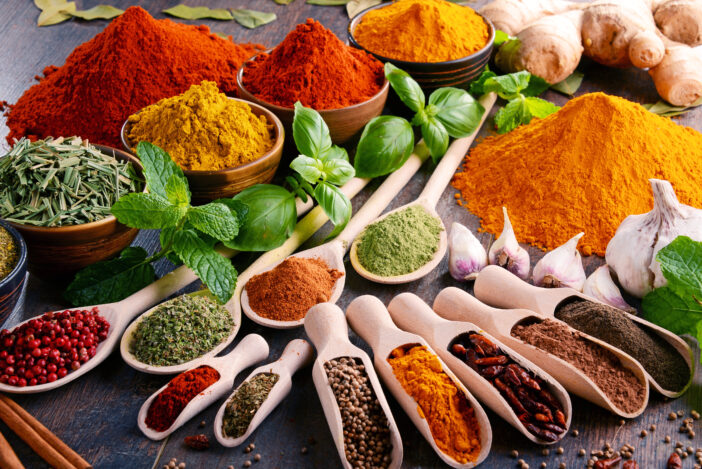
Unlock the full potential of seasonal vegetables with the right selection of herbs and spices. Let’s dive into the perfect pairings that’ll make your dishes stand out, no matter the time of year.
Winter Warmers
During the chilly days of winter, vegetables like root veggies and squashes take center stage. Elevate their natural sweetness and earthiness with:
- Rosemary – Its piney flavor works wonders with roasted potatoes and carrots.
- Thyme – Adds a subtle, earthy warmth to soups and stews.
- Sage – Perfect for butternut squash, it brings a slightly peppery flavor.
- Bay Leaves – These add depth to slow-cooked dishes, releasing complexity as they simmer.
- Nutmeg – A pinch enhances the creaminess of pureed soups and mashed root vegetables.
Spring Freshness
As the snow melts away, spring brings a bounty of tender, leafy vegetables to your table. Capture their freshness with:
- Dill – Complements light spring veggies like asparagus and peas.
- Parsley – Its clean, slightly peppery taste brightens salads and egg dishes.
- Chives – Offers a mild onion flavor, ideal for dressings and creamy sauces.
- Tarragon – With its hint of licorice, it’s great in vinaigrettes or with steamed artichokes.
- Mint – Adds a cool, refreshing touch to salads or spring rolls.
Summer Zest
Summer’s heat encourages the growth of a wide array of vegetables, from juicy tomatoes to crispy bell peppers. Celebrate their vibrancy with:
- Basil – Sweet and fragrant, it’s a must for fresh tomato dishes.
- Cilantro – Its lively flavor is a staple in salsas and lighter fare.
- Oregano – Brings a bold, slightly bitter taste ideal for grilling season.
- Lemongrass – Infuses dishes with a citrusy flavor, perfect for stir-fries.
- Smoked Paprika – Adds a hint of smokiness to grilled veggies.
Autumn Spice
As the air turns crisp and leaves start to fall, autumn ushers in hearty vegetables that beg for warmer, spicier notes. Warm up with:
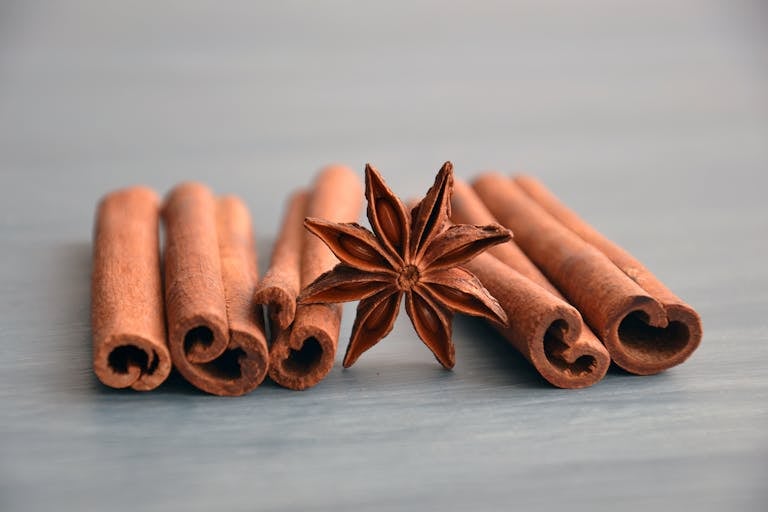
- Cinnamon – Not just for sweets, it can add warmth to savory squashes and carrots.
- Cloves – Use sparingly to introduce a deep, spicy warmth to heartier dishes.
- Ginger – Offers a biting spice that’s fantastic with sweet potatoes and pumpkin.
- Cardamom – Its slightly sweet, intense flavor pairs well with root vegetables.
- Turmeric – Lends a vibrant color and earthy taste, complementing the autumn palette.
Seasoning vegetables isn’t just about enhancing flavor; it’s about bringing the best out of your produce in harmony with the season. With these herbs and spices in your pantry, you’re ready to tackle any vegetable, any time of the year, with confidence.
Choosing Between Fresh and Dried Seasonings
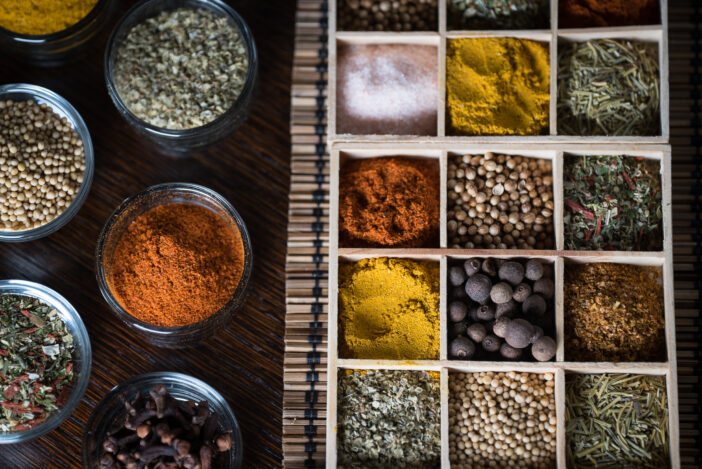
As you delve into the art of seasoning your vegetables, a pivotal choice you’ll face is whether to reach for fresh or dried seasonings. This decision can make or break the flavor profile of your dish. So, let’s break down how to choose the right type of seasoning for your vegetable dishes, ensuring every bite is as delicious as it is nutritious.
When to Opt for Fresh Seasonings
Choose fresh herbs like parsley, cilantro, and basil when you’re looking for bright, vibrant flavors. Fresh seasonings are perfect for:
- Finishing Touches: Adding fresh herbs right at the end of cooking brings out a burst of fresh flavor. For dishes where the herb’s raw, natural taste is front and center—think basil in a fresh tomato salad—fresh is best.
- Cold Dishes: In salads or cold vegetable platters, fresh herbs maintain their texture and color, elevating the visual appeal and taste.
- Delicate Cooking: When you’re steaming or lightly sautéing, the subtle flavors of fresh herbs complement vegetables without overwhelming them.
When Dried Seasonings Shine
Dried herbs and spices pack a concentrated, robust flavor that withstands cooking processes better than their fresh counterparts. Opt for dried seasonings when:
- Cooking for Longer Periods: Dried herbs thrive in slow-cooked dishes. Their flavors meld and intensify over time, making them ideal for soups, stews, or braises.
- Creating Base Flavors: Use dried seasonings at the beginning of cooking to build a rich flavor foundation. Adding them to warm oil, for instance, releases their aromas and infuses the dish from the start.
- Seasoning Blends: Dried spices are essential for making your own seasoning blends, offering consistency and a long shelf life. They allow you to experiment with flavors, tailoring mixes to your taste.
Making the Choice
Ultimately, deciding between fresh and dried seasonings comes down to the dish you’re preparing and the depth of flavor you desire. Fresh herbs lend a delicate, aromatic touch ideal for lighter, quick-cooked dishes or as a final garnish. In contrast, dried seasonings offer a more robust, enduring flavor optimal for longer cooking times and foundational flavors.
Seasonal Vegetable Guide and Their Perfect Pairings
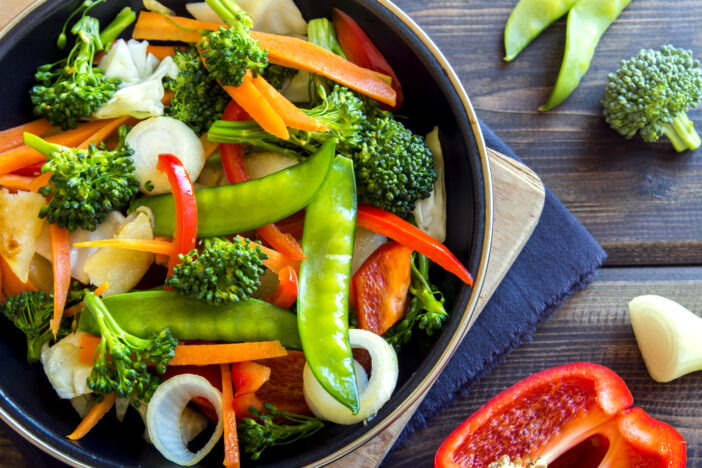
Seasoning your vegetables just right can enhance every meal, regardless of the season. Here’s a quick rundown of the perfect herb and spice combinations for each season’s produce:
- Winter: Opt for robust herbs like rosemary, thyme, and sage, with a hint of nutmeg or cinnamon to enhance the sweetness of hearty veggies like squash and parsnips.
- Spring: Lighter seasonings such as parsley, chives, and dill complement tender vegetables like asparagus and peas. Try adding lemon zest or tarragon for an extra burst of freshness.
- Summer: Vibrant herbs like basil, cilantro, and mint pair perfectly with summertime veggies such as tomatoes and bell peppers. Sprinkle smoked paprika or cumin for a zesty twist, ideal for grilled vegetables.
- Autumn: Embrace warm spices like clove, cinnamon, and ginger to accentuate the rustic flavors of autumn vegetables like pumpkin and sweet potatoes. Sage adds a savory note, while a touch of maple syrup or honey enhances their natural sweetness.
Experiment with these pairings to create flavorful and seasonally inspired dishes that celebrate the best of each time of year.
Homemade Vegetable Seasoning Mixes
After exploring seasonal pairings and the debate between fresh versus dried herbs, let’s dive into creating your own homemade vegetable seasoning mixes. These blends will not only elevate the taste of your veggies year-round but also give your meals a personalized touch. Here, we’ll cover three essential seasoning mixes that cater to a range of palates and dishes.
All-Purpose Seasoning Mix
Your go-to blends for, well, everything. The beauty of an all-purpose seasoning mix is its versatility.
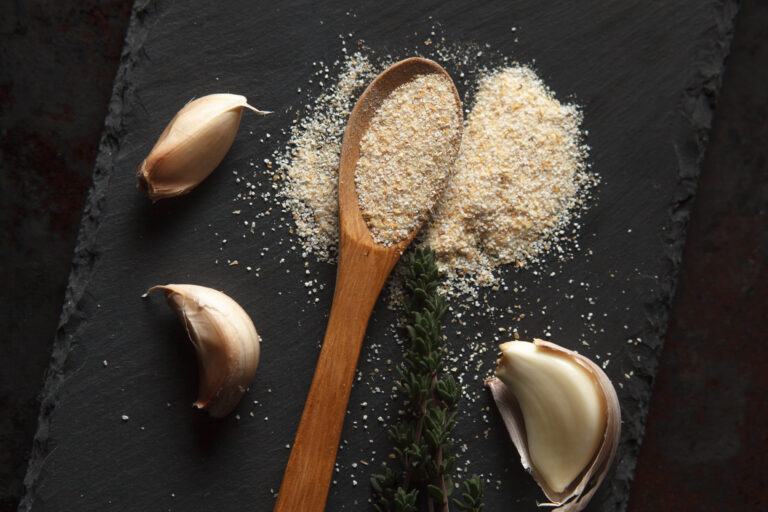
- Ingredients: Start with 2 tablespoons of garlic powder and onion powder, adding 1 tablespoon of ground black pepper and 3 tablespoons of dried thyme and basil. For a bit of warmth, incorporate 2 teaspoons of paprika.
- How to Use: Sprinkle this mix on your veggies before ro