10 Sous Vide Steak Tips for Perfect Flavor and Texture
Sous vide cooking offers precise, flavorful steak every time. Choose the right cut and thickness, sear for a perfect crust, and pair with creative sides for a gourmet meal.
Unlock the secret to achieving the perfect steak every time with sous vide cooking, a technique cherished by restaurant chefs worldwide. This method, known for its precision and ease, transforms your tri-tip into a tender, juicy masterpiece with minimal hands-on time.
Disclosure: As an Amazon Associate, this site earns from qualifying purchases. Thank you!
Understanding Sous Vide: The Perfect Steak Cooking Method
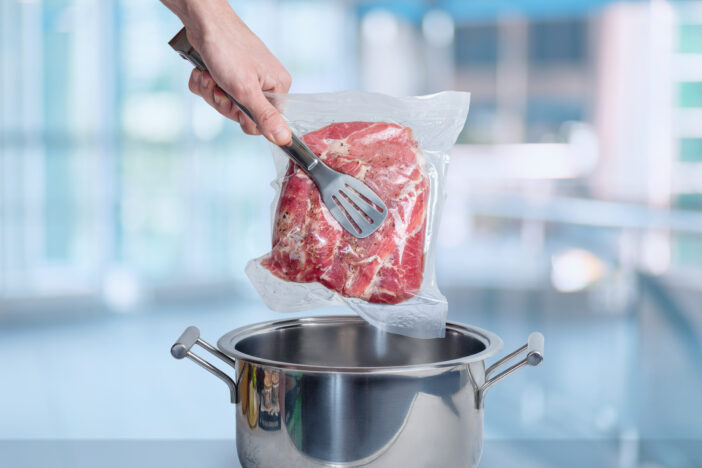
Sous vide, a French term for “under vacuum,” revolutionizes steak cooking by offering unparalleled precision and consistency. This technique, embraced by culinary experts worldwide, brings out the best in your steak, ensuring every bite is a testament to perfection.
Why Sous Vide Enhances Steak Flavor and Texture
Sous vide cooking elevates steak flavor and texture to new heights, making it a go-to method for steak aficionados. Here’s how:
- Even Cooking: By immersing the steak in a water bath at a precise temperature, sous vide ensures your steak cooks evenly from edge to edge. No more guessing if the center is done or if the outside is overcooked. Every inch of the steak reaches the same perfect temperature, showcasing uniform doneness and preserving the steak’s natural juiciness.
- Flavor Intensification: Cooking steak sous vide in a vacuum-sealed bag not only prevents moisture loss but also amplifies the steak’s inherent flavors. Seasonings and marinades are in constant contact with every surface of the meat, deeply infusing the steak with intense flavors throughout the cooking process.
- Ultimate Tenderization: The gentle, low-and-slow sous vide technique allows for the breakdown of tougher muscle fibers without overcooking the steak. This method results in remarkably tender meat that maintains its moisture and integrity, making every bite effortlessly melt in your mouth.
The Scientific Principles Behind Sous Vide
Understanding the science behind sous vide helps grasp why it produces such superior results:
- Temperature Control: Sous vide uses precise temperature control to target and maintain the exact temperature needed to achieve your desired level of doneness. This precision prevents temperature spikes that can lead to overcooking, ensuring a perfect cook every time.
- Time Efficiency: The method relies on the low-temperature, long-duration approach to cooking. This slow breakdown of fibers without loss of moisture or flavor means even traditionally tough cuts emerge tender and juicy.
- Moisture Retention: Sous vide cooking is moisture-rich, thanks to the vacuum-sealed bags that lock in flavors and juices. These bags prevent evaporative losses, ensuring that steaks remain succulent and full of their natural essences, a contrast to traditional methods where high heat can dry out the exterior.
- Enhanced Safety: The precise temperature control of sous vide cooking eliminates guesswork, ensuring meat reaches a safe internal temperature for consumption. This method not only enhances the texture and flavor but also ensures that your steak is cooked safely, with less room for error.
Sous vide transforms steak cooking from an art into a science, allowing you to enjoy steakhouse-quality results in the comfort of your kitchen. Its blend of simplicity, precision, and flavor enhancement makes it the ultimate method for preparing the perfect steak. For a comprehensive guide on sous vide temperatures, equipment, and essential tips, you’ll find everything you need to get started.
Selecting Your Steak: A Comprehensive Guide
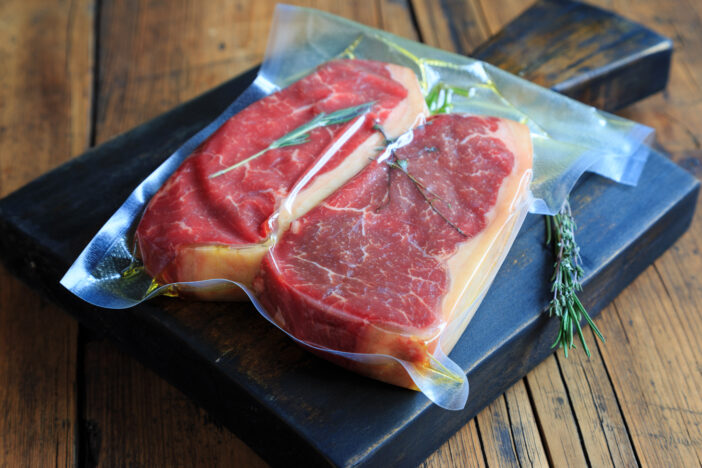
Diving into the world of sous vide steak, your choice of cut and its thickness is pivotal. This guide ensures you’re well-equipped to make savvy selections, guaranteeing restaurant-quality outcomes right from your kitchen.
The Best Cuts of Steak for Sous Vide Cooking
When it comes to sous vide, not all steaks are created equal. Your selection can make or break the dining experience. The method thrives with various cuts, each offering unique flavors and textures:
- Sirloin: Lean yet tender, sirloin strikes the perfect balance for those new to sous vide. It’s forgiving and delivers a juicy result without much fat.
- Ribeye: For those who crave richness, ribeye’s marbling transforms under sous vide into a succulent, buttery feast. Its fat evenly renders, creating unparalleled taste and texture.
- Filet Mignon: Lean and notoriously tricky to perfect, sous vide makes cooking filet mignon failproof, yielding a melt-in-your-mouth tenderness that’s hard to achieve otherwise.
- Flank and Skirt: These tougher cuts benefit immensely from sous vide’s slow cooking process, emerging intensely flavorful and surprisingly tender.
Each cut offers a distinct dining experience, proving sous vide’s versatility and its capacity to uplift even the most humble steak.
Importance of Steak Thickness in Sous Vide
Thickness isn’t merely a physical attribute—it’s a determiner of success in the sous vide realm. Here’s why paying attention to it pays off:
- Even Cooking: Achieving that edge-to-edge consistent doneness relies heavily on the thickness of your steak. Thinner steaks can easily become overcooked, while thicker cuts (at least 1.5 inches) allow for a more forgiving window to reach your perfect level of doneness.
- Texture Optimization: A thicker steak provides sous vide the time it needs to tenderize the connective tissues, enhancing the meat’s natural flavors and textures without the risk of drying out or overcooking.
- Seasoning Penetration: With more mass to season, thicker steaks benefit from a deeper infusion of flavors, both from marinades and simple salt and pepper, resulting in a richer, more robust taste journey.
Steak thickness isn’t just a dimension—it’s a crucial facet of the sous vide process that influences cooking time, texture, and overall taste satisfaction. Choosing wisely means the difference between a good steak and an unforgettable meal.
By selecting the right cut and considering thickness, you’re setting the stage for a spectacular sous vide steak experience. With these insights, your culinary creations will not only impress your palate but also rival those of the finest steak houses.
Mastering Sous Vide Temperatures and Timing
Let’s dive deep into the precision world of sous vide cooking. Understanding the right temperatures and times is your secret weapon to achieving that steakhouse quality at home.
Ideal Temperature Settings for Desired Doneness
In the world of sous vide, temperature is king. For steaks that hit your ideal point of doneness, here’s a quick guide:
- Rare: Aim for 125°F (52°C) to enjoy a steak that’s lightly seared outside with a bright red, tender interior.
- Medium-Rare: Set your device to 131°F (55°C) for that perfect balance of juicy tenderness and flavor.
- Medium: 140°F (60°C) is your go-to for a steak that’s firm yet still boasts a pink, succulent center.
Fine-tuning these settings to your taste can make all the difference, and with sous vide, you’ve got the control.
How Long Should You Sous Vide Different Steak Cuts?
Thickness and cut dictate time in the sous vide bath:
- Thin cuts (1 inch or less): 1 to 2 hours is typically enough.
- Thicker cuts (1 to 2 inches): These require more time, about 2 to 3 hours, for heat to work its magic evenly.
- Large or tough cuts: Such as a thick ribeye or a tri-tip, excel with longer cooking times, often 4 hours or more, allowing for tenderizing and flavor concentration.
The beauty of sous vide is its flexibility—overcooking is a concern of the past, as the water bath won’t exceed your set temperature.
Temperature and Timing Chart for Reference
To keep it simple, here’s a handy chart for your steak sous vide endeavors:
| Doneness | Temperature | Time Range |
|---|---|---|
| Rare | 125°F (52°C) | 1 to 2.5 hours |
| Medium-Rare | 131°F (55°C) | 1 to 4 hours |
| Medium | 140°F (60°C) | 1 to 4 hours |
Adjustments may be necessary based on personal preference and specific cuts, but this chart is a solid foundation for all your steak sous vide adventures.
Remember, sous vide cooking is about precision and patience. By embracing these temperature and timing guidelines, you’re well on your way to elevating your home-cooked steaks to professional standards. Enjoy the journey and the delicious results that await.
Preparing Your Steak for Sous Vide Success
Embarking on the journey of sous vide cooking promises an experience that elevates your steak to restaurant-quality heights. The key to unlocking this perfection lies in the initial steps you take before your steak ever hits the water bath.
Seasoning: Balancing Flavors for Optimal Taste
Before you seal your steak and submerge it, a crucial step is seasoning. Generously season your steak tips—or any cut of choice—with kosher salt and ground black pepper. This isn’t just about adding flavor; it’s about ensuring that every bite is as savory as the next. Salt, especially, plays a vital role in this process as it enhances the meat’s natural flavors and improves its overall taste. Unlike traditional cooking methods, sous vide allows the seasonings to infuse the steak more evenly, thanks to the vacuum-sealed environment. Sprinkle your steak with a good amount of salt and pepper, remembering that some of it will dissolve during the cooking process, so a little extra can go a long way.