
10 Traditional Italian Cooking Techniques to Elevate Your Culinary Skills
Craft perfect Italian dishes with traditional techniques like handmade pasta, mastering sauces, risotto secrets, bread baking, and slow-cooking methods.
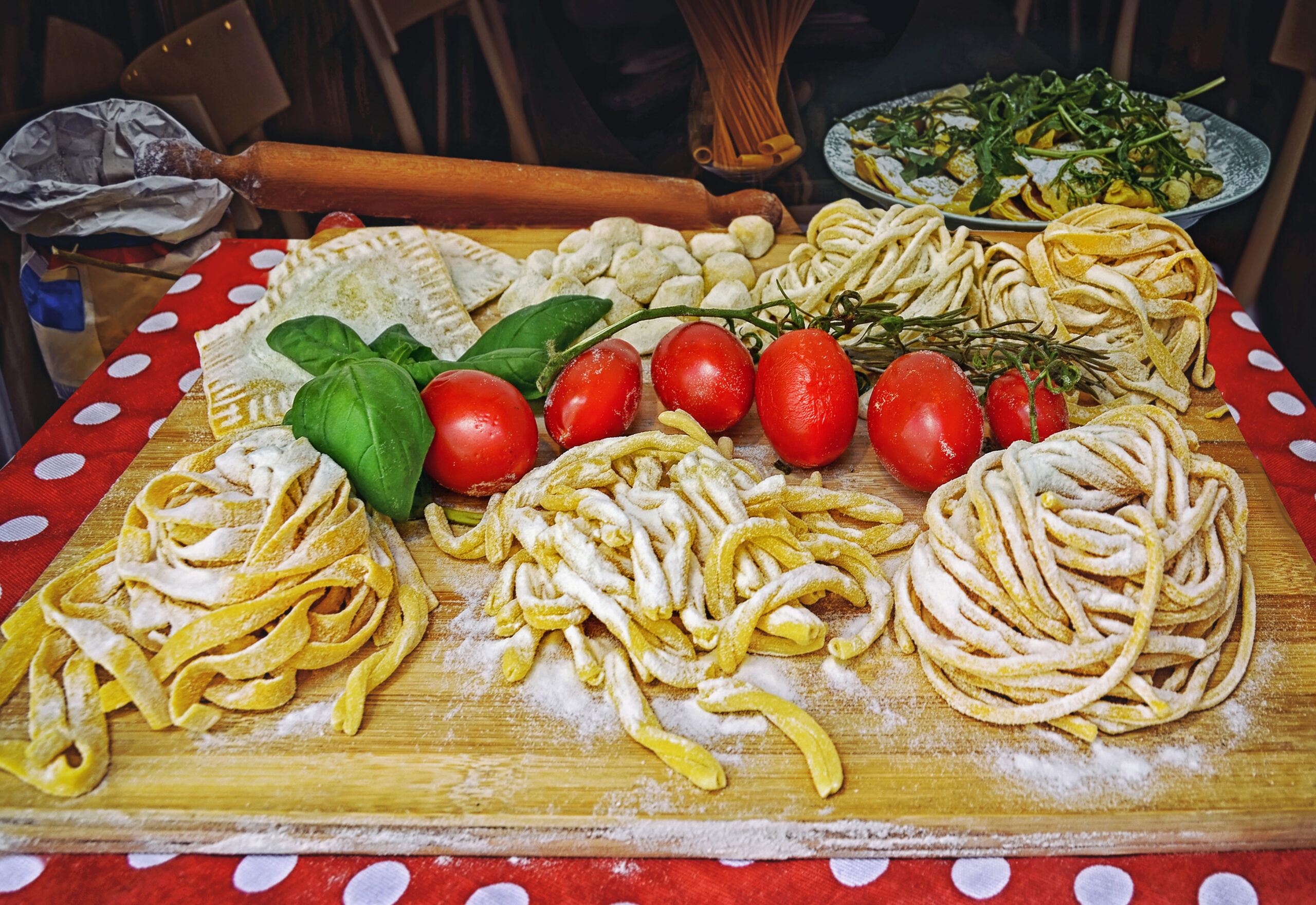
Italian cuisine is beloved worldwide for its rich flavors and time-honored traditions. Mastering traditional Italian cooking techniques can elevate your culinary skills and bring authentic tastes to your kitchen.
From perfectly al dente pasta to slow-simmered ragù, these methods have been passed down through generations. You’ll discover the secrets behind creating velvety risottos, hand-rolled pasta, and mouthwatering sauces that capture the essence of Italian gastronomy.
Disclosure: As an Amazon Associate, this site earns from qualifying purchases. Thank you!
Mastering the Art of Italian Soffritto
The soffritto is the aromatic foundation of many Italian dishes, providing depth and complexity to your culinary creations.
Perfecting the Holy Trinity of Aromatics
- Key ingredients: Onions, celery, and carrots, finely diced.
- Ratio: Use equal parts of each vegetable for balance.
- Technique: Sauté slowly in olive oil over low heat.
- Time: Cook for 10-15 minutes until vegetables are soft and golden.
- Consistency: Aim for a uniform, paste-like texture.
- Versatility: Use as a base for soups, sauces, and stews.
Why it matters: Mastering soffritto elevates your Italian cooking, infusing dishes with rich, layered flavors.
Enhancing Flavor Profiles in Italian Dishes
- Aromatics: Add garlic, herbs, or pancetta for depth.
- Customization: Adjust ratios to suit specific recipes.
- Regional variations: Explore soffritto styles from different Italian regions.
- Cooking method: Use a heavy-bottomed pan for even heat distribution.
- Storage: Prepare in bulk and freeze for convenience.
- Application: Incorporate into risottos, pasta sauces, and braised meats.
The bottom line: Soffritto is the secret weapon in Italian cuisine, transforming simple ingredients into extraordinary dishes. Understanding flavor pairings in Italian cooking can further enhance your ability to create well-balanced, authentic meals.
The Ancient Technique of Pasta Making by Hand
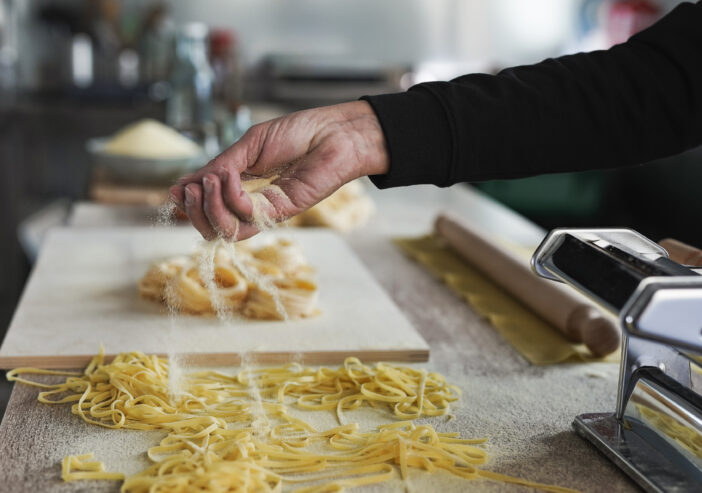
Rolling and Shaping Fresh Pasta Dough
Key points:
- Start with a simple dough of flour, eggs, and salt
- Knead until smooth and elastic (about 10 minutes)
- Rest dough for 30 minutes before shaping
- Use a rolling pin or pasta machine to create thin sheets
- Cut into desired shapes (tagliatelle, fettuccine, etc.)
- Dust with flour to prevent sticking
- Air-dry briefly before cooking
Why it matters: Handmade pasta offers superior texture and flavor compared to store-bought varieties.
Regional Variations in Pasta Shapes and Textures
The big picture: Italy’s diverse regions boast unique pasta shapes, each designed to complement local ingredients and sauces.
Notable variations:
- Orecchiette (Puglia): Ear-shaped pasta perfect for chunky vegetable sauces
- Trofie (Liguria): Twisted pasta ideal for pesto
- Pici (Tuscany): Hand-rolled, thick spaghetti great with robust meat sauces
- Strozzapreti (Emilia-Romagna): Twisted, elongated shape that pairs well with cream-based sauces
Bottom line: Exploring regional pasta shapes enhances your understanding of Italian cuisine and expands your culinary repertoire.
Perfecting the Slow-Cooked Ragù
Building Layers of Flavor in Meat Sauces
Why it matters: A well-crafted ragù is the cornerstone of many Italian dishes, elevating pasta to new heights.
Key steps:
- Start with soffritto: Sauté onions, carrots, and celery in olive oil.
- Brown the meat: Use a mix of ground beef and pork for depth.
- Add aromatics: Garlic, herbs, and wine enhance complexity.
- Simmer low and slow: Cook for 3-4 hours to meld flavors.
- Finish with milk: A splash adds richness and smooths the sauce.
Pro tip: Deglaze the pan with red wine to capture all the flavorful bits. For a truly authentic ragù, consider incorporating different Italian sausage varieties to add unique regional flavors to your sauce.
Regional Differences in Ragù Preparation
The big picture: Italy’s diverse regions each have their own unique take on ragù.
Regional variations:
- Bolognese (Bologna): Meat-heavy with milk and white wine.
- Napoletana (Naples): Slow-cooked with large cuts of meat.
- Tuscany: Wild boar or rabbit often replaces beef and pork.
- Abruzzese: Includes bell peppers and sometimes lamb.
Bottom line: Exploring regional ragùs offers a taste of Italy’s culinary diversity and local ingredients.
The Delicate Art of Risotto Making
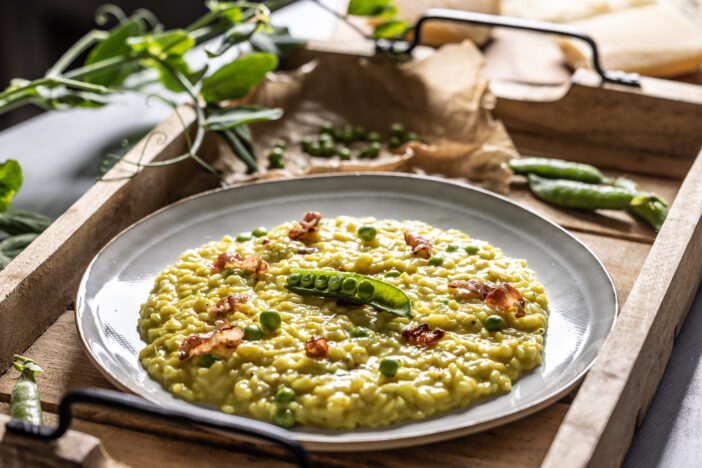
Mastering the Toasting and Gradual Stock Addition
- Key steps: Toast rice, add wine, then slowly incorporate hot stock.
- Toasting: Coat rice in oil or butter, cook until slightly translucent.
- Wine addition: Use white wine, cook until absorbed for depth of flavor.
- Stock technique: Add hot stock gradually, 1/2 cup at a time, stirring constantly.
- Patience is crucial: Process takes 18-20 minutes for optimal creaminess.
- Consistency check: Rice should be creamy but still have a slight bite.
Achieving the Perfect Al Dente Texture
- Al dente definition: Firm to the bite, not too soft or mushy.
- Timing is everything: Start testing rice at 16 minutes.
- Visual cue: Look for a tiny white dot in the center of each grain.
- Texture test: Rice should offer slight resistance when bitten.
- Final stage: Remove from heat when slightly underdone; residual heat will finish cooking.
- Mantecatura: Stir in butter and cheese off-heat for extra creaminess.
Preserving Traditions with Homemade Tomato Sauce
Selecting and Preparing Fresh Tomatoes
Key points:
- Choose ripe, flavorful tomatoes: San Marzano or Roma varieties are ideal.
- Look for firm, heavy fruits with vibrant color and no blemishes.
- Wash and core tomatoes, then blanch in boiling water for 30 seconds.
- Plunge in ice water, then peel off skins easily.
- Cut in half, remove seeds, and chop or puree based on desired sauce texture.
Why it matters: Fresh, high-quality tomatoes are the foundation of authentic Italian tomato sauce.
Slow-Cooking Methods for Rich Flavors
The basics:
- Start with a soffritto base: sauté onions, garlic, and herbs in olive oil.
- Add prepared tomatoes and simmer on low heat for 2-3 hours.
- Stir occasionally to prevent sticking and burning.
- Season with salt and pepper gradually throughout cooking.
- Optional: Add a pinch of sugar to balance acidity if needed.
The impact: Slow-cooking concentrates flavors, creating a rich, authentic sauce that captures traditional Italian taste.
The Importance of Braising in Italian Cuisine
Tenderizing Tough Cuts of Meat
Why it matters: Braising transforms tough, inexpensive cuts into tender, flavorful dishes.
- Start with searing: Brown meat in hot oil to develop a rich flavor base.
- Low and slow: Cook meat in liquid at low temperatures for 2-3 hours.
- Choose the right cuts: Opt for chuck roast, short ribs, or osso buco.
- Aromatics are key: Add onions, garlic, and herbs to infuse depth.
- Patience pays off: The long cooking process breaks down connective tissues, resulting in fork-tender meat.
Creating Flavorful One-Pot Dishes
The big picture: Braising is the secret to many classic Italian one-pot meals.
- Versatile technique: Works for meat, vegetables, and even seafood.
- Builds layers of flavor: Ingredients meld together during the long cooking process.
- Popular dishes: Think osso buco, brasato al Barolo, and chicken cacciatore.
- Economical cooking: Uses less expensive ingredients to create restaurant-quality meals.
- Make-ahead friendly: Flavors often improve when reheated the next day.
Mastering the Technique of Italian Bread Making
Perfecting the Art of Leavening and Kneading
Key points:
- Use a “biga” starter for authentic flavor


