
How Much Does Prime Ribeye Steak Cost? 2024 Price Breakdown by Grade and Source
Ribeye steak costs $18-35/lb depending on grade and source. Complete 2024 pricing breakdown for Prime, Choice, Select grades plus money-saving tips.
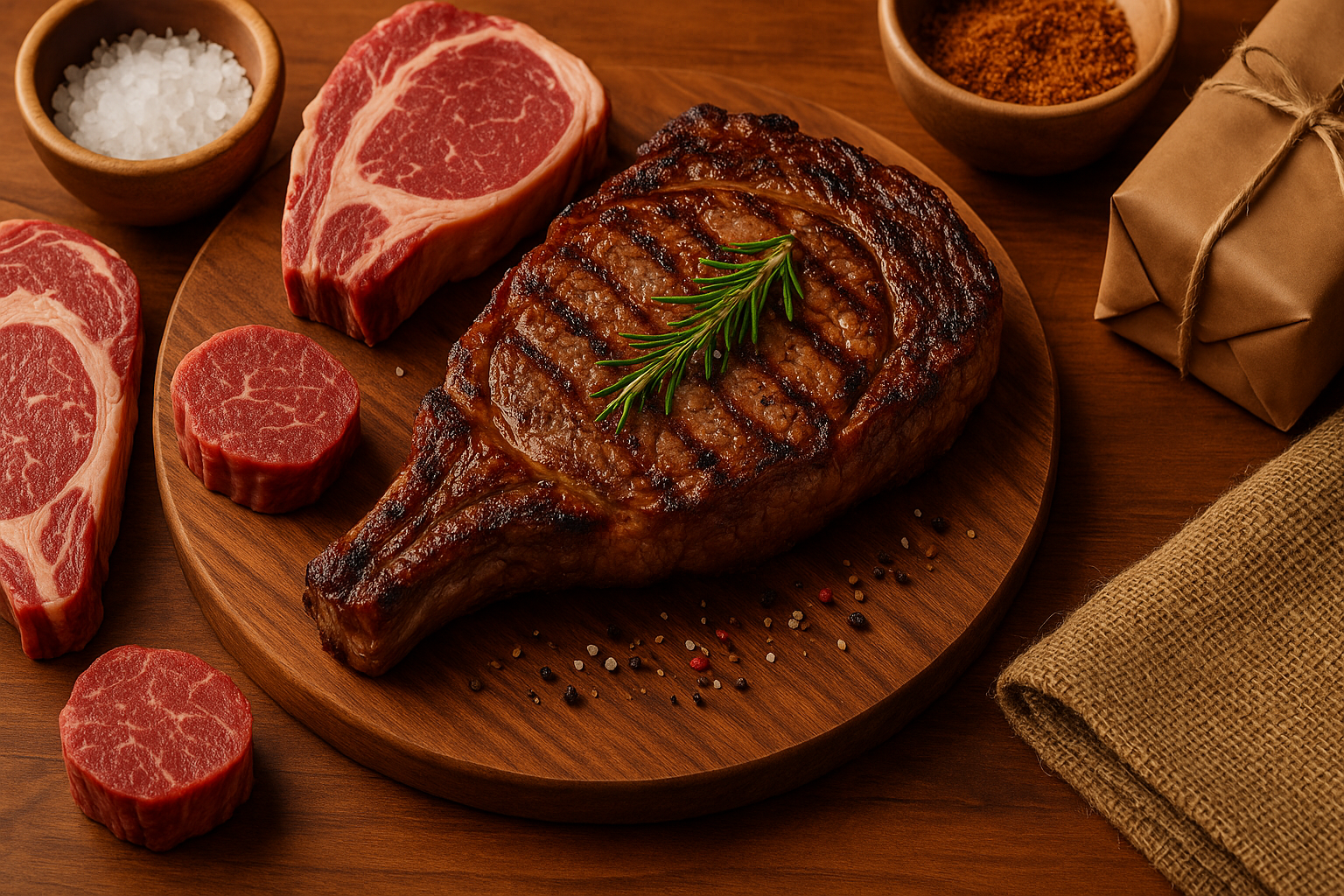
Prime ribeye steak typically costs between $18-35 per pound at grocery stores, with specialty cuts reaching $50+ per pound from premium sources. Your final price depends on the grade, cut thickness, and where you shop.
Ribeye prices have climbed steadily in 2024, making this marbled cut one of the priciest options at the meat counter. Understanding what drives these costs helps you make smarter buying decisions and find the best value for your money.
Disclosure: As an Amazon Associate, this site earns from qualifying purchases. Thank you!
USDA Grade Pricing Breakdown
USDA grading makes a massive difference in ribeye pricing. Each grade offers distinct marbling levels and eating experiences, reflected directly in the price tag.
Prime Grade Ribeye
Prime ribeye commands $25-35 per pound at most retailers. This top grade features heavy marbling throughout the muscle, creating that buttery texture and rich flavor ribeye lovers crave.
You’ll find Prime ribeye at upscale grocery stores like Whole Foods, specialty butcher shops, and warehouse clubs. The high price reflects limited availability since only 3-5% of beef earns Prime grading.
Prime ribeye delivers consistent results whether you’re grilling, pan-searing, or reverse-searing. The abundant fat content makes it nearly impossible to overcook, justifying the premium price for special occasions.
Choice Grade Ribeye
Choice ribeye runs $18-28 per pound, offering excellent value for regular consumption. This grade provides good marbling without the extreme premium of Prime cuts.
Most grocery stores stock Choice ribeye as their standard option. The marbling varies more than Prime, but you’ll still get tender, flavorful steaks that satisfy any ribeye craving.
Choice grade gives you the ribeye experience at a more manageable price point. For everyday grilling and family dinners, Choice ribeye delivers 90% of Prime’s satisfaction at 70% of the cost.
Select Grade Ribeye
Select ribeye costs $15-22 per pound but disappoints most steak enthusiasts. The minimal marbling creates a leaner, tougher eating experience that doesn’t showcase ribeye’s best qualities.
You’ll find Select ribeye at discount grocery stores and warehouse clubs selling budget-friendly options. While cheaper upfront, the eating experience often leaves you wishing you’d spent more on Choice or Prime.
Skip Select ribeye unless budget constraints leave no other option. The reasons ribeye steak is expensive include the marbling that makes it special, and Select grade lacks this key feature.
Pricing by Cut Style and Thickness
Ribeye cut specifications dramatically impact pricing beyond just grade differences. Thickness, bone-in versus boneless, and specialty cuts all command different price points.
Standard Boneless Ribeye
Standard 1-inch thick boneless ribeyes represent the baseline pricing for each grade. These convenient cuts cook evenly and fit most recipes and cooking methods.
Thick-cut ribeyes (1.5-2 inches) add $3-5 per pound to the base price. The extra thickness requires different cooking techniques but delivers restaurant-quality results at home.
Thin-cut ribeyes (0.75 inches or less) sometimes sell at slight discounts but cook too quickly for proper searing. Stick with 1-inch minimum thickness for best results.
Bone-In Ribeye
Bone-in ribeyes cost $2-4 less per pound than boneless cuts, but you’re paying for bone weight. The actual meat cost often equals or exceeds boneless pricing.
The bone adds flavor during cooking and helps regulate temperature, creating more even results. Many experienced cooks prefer bone-in ribeyes despite the slight price premium per edible portion.
Cowboy ribeyes (bone-in with extended rib bone) command specialty pricing, often $5-8 more per pound than standard bone-in cuts. The dramatic presentation justifies the cost for special occasions.
Tomahawk Ribeye
Tomahawk ribeyes cost $45-65 per pound due to their Instagram-worthy presentation and specialty cutting. The high tomahawk steak price reflects both the dramatic bone presentation and limited availability.
You’re paying significantly for presentation since the meat quality matches standard bone-in ribeye. Consider whether the visual impact justifies the substantial price premium for your specific occasion.
Retail Source Price Comparison
Where you buy ribeye steak affects pricing as much as grade selection. Each retail channel offers different advantages and price points worth considering.
Warehouse Clubs
Costco and Sam’s Club offer the best ribeye prices, typically $3-6 per pound below grocery store pricing. Their bulk purchasing power translates directly to consumer savings.
Warehouse clubs stock primarily Choice and Prime grades in large multi-packs. You’ll need freezer space and willingness to buy 4-6 steaks at once to access these savings.
The quality consistently matches or exceeds grocery store offerings. Costco’s Prime ribeye at $22-26 per pound beats most grocery stores’ Choice pricing.
Traditional Grocery Stores
Supermarket chains price ribeye at full retail, typically $20-30 per pound for Choice grade. You pay for convenience, smaller portions, and consistent availability.
Sale periods offer significant savings, with Choice ribeye dropping to $15-18 per pound during promotional events. Stock up during these sales for best value.
High-end chains like Whole Foods charge premium prices ($28-35 per pound) but offer superior grade consistency and specialty cuts not available elsewhere.
Local Butcher Shops
Independent butchers charge $25-40 per pound but provide custom cutting, aging services, and expert advice. The premium pays for personalized service and specialty options.
Many butchers source from local farms or specialty processors, offering unique flavor profiles and feeding programs not available through commercial channels.
Building relationships with local butchers often leads to advance notice of special purchases and bulk pricing opportunities that offset the higher per-pound costs.
Online Specialty Retailers
Online ribeye retailers charge $30-50 per pound plus shipping, targeting convenience and premium quality. Companies like Snake River Farms and Holy Grail Steak Co. cater to serious steak enthusiasts.
Shipping costs add $15-25 to each order, making online purchasing economical only for larger orders or special occasions. The convenience factor appeals to busy professionals and gift buyers.
Quality often exceeds local options, with specialty aging, unique breeds, and grading above standard USDA Prime. Expect restaurant-quality results that justify the premium pricing.
Seasonal Price Variations
Ribeye prices fluctuate throughout the year based on demand patterns and cattle market conditions. Understanding these cycles helps you time purchases for maximum savings.
Summer grilling season (May through August) drives prices up $2-4 per pound across all grades. Memorial Day and Fourth of July represent peak pricing periods when demand outstrips supply.
Fall and winter months offer the best ribeye values, with November through February showing the lowest average prices. Holiday meal preparation shifts demand toward other cuts, creating opportunities for steak buyers.
Cattle market cycles affect long-term pricing trends. Drought conditions, feed costs, and processing capacity all influence wholesale prices that trickle down to retail levels.
Money-Saving Strategies
Smart ribeye shopping requires timing, flexibility, and strategic purchasing to maximize value without sacrificing quality.
Buy during off-peak seasons and stock your freezer during November-February sales. Properly wrapped ribeye maintains quality for 6-8 months frozen, letting you enjoy summer grilling at winter prices.
Consider Choice grade over Prime for regular consumption. The $5-8 per pound savings adds up quickly, and proper cooking techniques can close most of the quality gap.
Watch for manager’s special markdowns on ribeyes approaching sell-by dates. These steaks cook immediately or freeze for later use, offering 20-30% savings on premium cuts.
Split whole ribeye roasts with friends or neighbors. Buying the entire muscle and cutting your own steaks saves $3-5 per pound while giving you control over thickness and portioning.
Cooking Tips for Maximum Value
Proper cooking technique protects your ribeye investment and ensures every dollar spent delivers maximum satisfaction.
Room temperature steaks before cooking prevents uneven results that waste premium beef. Pull ribeyes from refrigeration 30-45 minutes before cooking for even temperature distribution.
High-heat searing followed by moderate finishing creates the perfect crust and interior. Start at 450-500°F for the sear, then reduce to 350-375°F to reach desired doneness.
Resting cooked ribeyes for 5-10 minutes redistributes juices and prevents waste through runoff. Making your ribeye taste better involves proper resting as much as seasoning and cooking technique.
A quality instant-read thermometer eliminates guesswork and prevents overcooking expensive steaks. Target 125°F for medium-rare, the optimal doneness for ribeye’s marbling.
This video explores budget-friendly alternatives that deliver similar satisfaction to ribeye at lower cost points.
Equipment Recommendations
Investing in proper cooking equipment protects your ribeye investment and improves results consistently.
A quality cast iron skillet provides even heating and excellent searing capability for stovetop ribeye preparation. Browse cast iron skillets on Amazon to find options that fit your budget and cooking style.
Digital instant-read thermometers eliminate guesswork and prevent overcooking expensive cuts. Check current thermometer prices on Amazon for reliable temperature monitoring tools.
For serious steak enthusiasts, sous vide equipment delivers restaurant-quality results at home. Sous vide steak tips can help you master this precision cooking method for perfect ribeyes every time.
Frequently Asked Questions
Why is ribeye steak more expensive than other cuts?
Ribeye commands premium pricing due to its exceptional marbling, tenderness, and location on the cow. The rib section produces limited quantities of this highly marbled cut, creating supply constraints that drive up prices. The intense beefy flavor and buttery texture make ribeye one of the most sought-after steaks.
Is Prime grade ribeye worth the extra cost?
Prime grade justifies its premium for special occasions and serious steak enthusiasts. The superior marbling creates noticeably better flavor and texture compared to Choice grade. However, Choice grade ribeye offers excellent value for regular consumption and satisfies most home cooks’ expectations.
What’s the best thickness for ribeye steaks?
One to 1.5-inch thickness provides optimal results for most cooking methods. Thinner steaks cook too quickly for proper searing, while thicker cuts require advanced techniques like reverse-searing to cook evenly. The standard 1-inch thickness balances ease of cooking with excellent results.
How long can I store ribeye steaks?
Fresh ribeye keeps 3-5 days refrigerated and 6-8 months frozen when properly wrapped. Use vacuum sealing or freezer paper to prevent freezer burn on long-term storage. Thaw frozen steaks slowly in the refrigerator for 24 hours before cooking to maintain texture and quality.
Final Recommendations
Choice grade ribeye from warehouse clubs offers the sweet spot between quality and value for most home cooks. Save Prime grade for special occasions when the extra cost delivers meaningful improvement to your dining experience.
Time your purchases during fall and winter months to capture the best prices, and don’t hesitate to stock up during sales periods. Properly stored ribeye maintains its quality for months, letting you enjoy premium steaks at off-season prices.
Focus your budget on quality beef rather than expensive equipment. A basic cast iron pan and instant-read thermometer will serve you better than elaborate gadgets paired with lower-grade meat.
This article contains affiliate links. If you purchase through these links, we may earn a small commission at no extra cost to you.


