What Is Prosciutto? A Complete Guide to Italian Dry-Cured Ham
Learn everything about prosciutto from production methods and regional varieties to quality grades and serving techniques. Discover what makes Italian prosciutto unique.
“`html
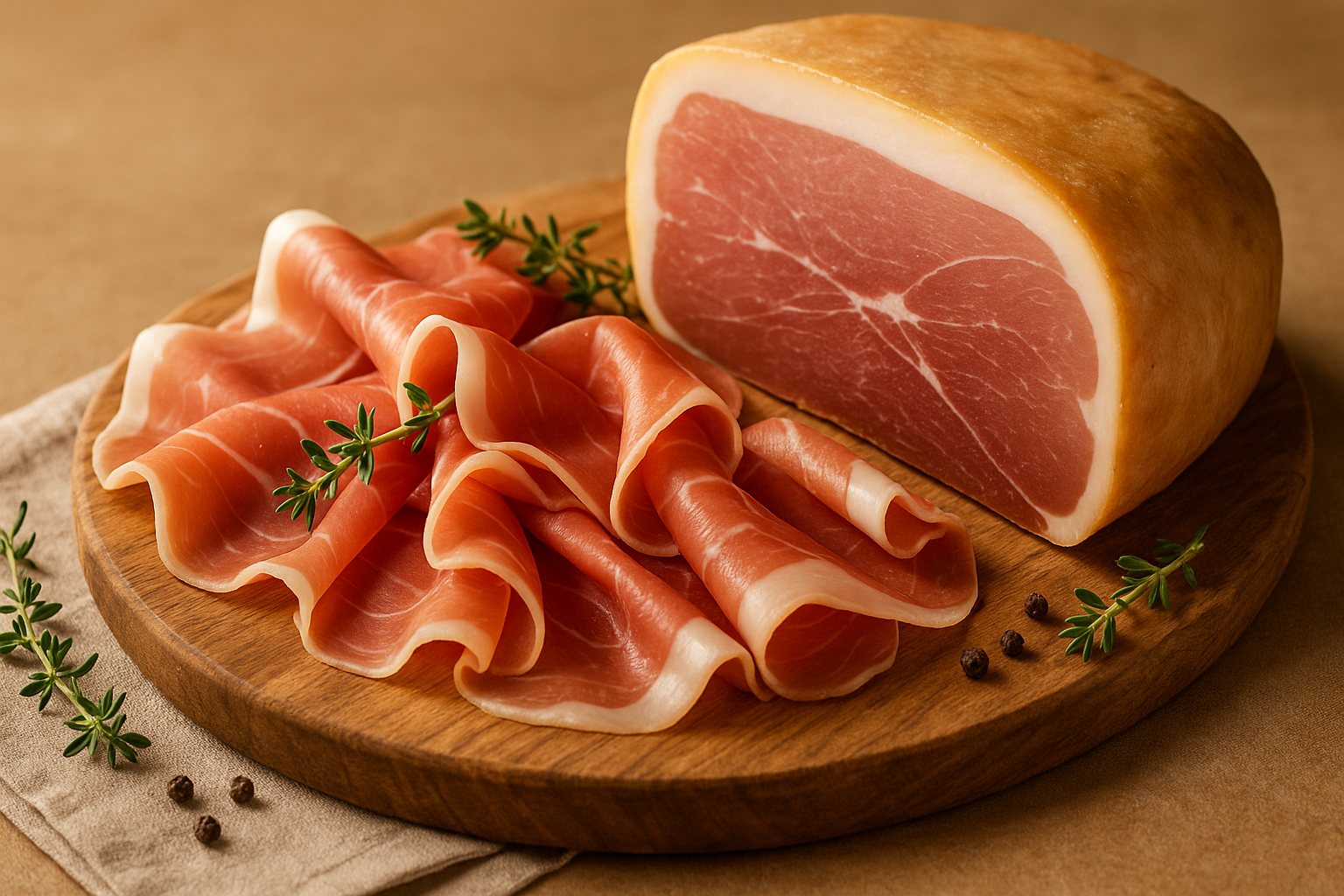
Prosciutto is Italian dry-cured ham made from the hind leg of a pig, salt-cured for months or even years, and sliced paper-thin to serve raw. Unlike cooked ham, this delicacy gets its tender texture and complex flavor from careful aging rather than heat.
You’ll find prosciutto on charcuterie boards, wrapped around melon, or layered into Italian sandwiches. But understanding what makes authentic prosciutto special requires looking at how it’s made, where it comes from, and what separates the good from the exceptional.
Disclosure: As an Amazon Associate, this site earns from qualifying purchases. Thank you!
The Traditional Prosciutto Making Process
Making prosciutto starts with selecting the right pork leg. Italian producers use specific breeds raised in controlled environments, and the quality of the raw meat determines everything that follows.
The process begins with salt. Producers massage coarse sea salt into the meat, covering every surface to draw out moisture. This initial salting lasts about two weeks, with additional salt applications as needed. The salt pulls water from the meat through osmosis, creating an environment where harmful bacteria can’t survive.
After salting, the legs get washed and hung in temperature-controlled rooms. The curing process takes at least 12 months for smaller legs, with premium prosciutto aging 18 to 36 months. During this time, the meat loses about 30% of its original weight as moisture evaporates.
The aging rooms aren’t just storage spaces. Air circulation, humidity levels, and temperature shifts all affect how the meat develops flavor. Traditional producers in Italy use natural ventilation, letting seasonal temperature changes guide the aging process. Modern facilities control these variables precisely, but many purists insist the natural method produces superior results.
This video walks through the complete process of making dry-cured ham at home, showing each step from initial salting to final aging.
Prosciutto di Parma: The Gold Standard
Prosciutto di Parma comes exclusively from the Parma region of Italy and carries a protected designation of origin (PDO). You can’t call your ham “Prosciutto di Parma” unless it meets strict requirements enforced by Italian law.
The pigs must come from specific breeds raised in designated regions of Italy. They eat a controlled diet that includes whey from Parmigiano-Reggiano cheese production. The meat must weigh at least 20 pounds before processing begins.
Producers in Parma use only Italian sea salt during curing, with no nitrates, nitrites, or additional preservatives allowed. The aging happens in the hills around Parma, where the specific climate creates ideal conditions. Each leg gets stamped with the five-pointed Ducal Crown, certifying its authenticity.
Real Prosciutto di Parma tastes sweet and nutty, with a buttery texture that melts on your tongue. The fat should be pure white or slightly pink, never yellow. If you’re buying prosciutto for a special occasion, look for that crown stamp to ensure you’re getting the authentic product. Similar to other dry-cured ham varieties, proper aging makes all the difference.
Other Notable Prosciutto Types
Prosciutto di San Daniele comes from the Friuli region in northeastern Italy. It uses whole legs with the foot still attached, unlike Parma which removes the trotter. San Daniele has a slightly more intense flavor with a firmer texture. The meat ages in mountain air that flows from the Alps to the Adriatic, creating a unique microclimate.
Prosciutto Toscano from Tuscany includes black pepper, rosemary, and other herbs in the cure. This regional style tastes more savory and aromatic than the sweeter Parma version. Tuscans traditionally serve their prosciutto with unsalted bread to balance the seasoned meat.
Culatello di Zibello represents the ultimate luxury in Italian cured meats. Producers use only the rear muscle of the leg, removing the bone and wrapping the meat in a pig’s bladder. It ages in the foggy Po River valley, developing an incredibly soft texture and refined flavor. Production quantities stay small, making this the most exclusive type you can buy.
Spanish Jamón Serrano and Jamón Ibérico aren’t technically prosciutto, but they follow similar curing methods. Serrano comes from white pigs and ages 12 to 18 months. Ibérico uses black Iberian pigs that feed on acorns, creating marbled meat with a distinctive nutty taste. Both are excellent alternatives if you want to explore different cured ham traditions.
Quality Grades and How to Identify Them
Premium prosciutto comes from pigs between 9 and 15 months old, weighing 350 to 450 pounds at slaughter. Younger pigs produce more tender meat, while older animals develop stronger flavors. The best producers balance these factors carefully.
Look at the fat when evaluating quality. It should be bright white and evenly distributed through the meat. Yellow fat indicates oxidation or poor storage conditions. The lean meat should appear deep rose to ruby red, never brown or gray.
Texture tells you about aging conditions. Premium prosciutto feels slightly moist but not wet or sticky. It should tear easily along the muscle grain but hold together when sliced thin. Dry, crumbly edges mean the meat wasn’t stored properly or aged too long without adequate humidity control.
Pre-sliced packages offer convenience but sacrifice quality. Prosciutto oxidizes quickly once cut, losing its delicate flavor within days. Buy whole pieces and slice them fresh, or purchase from a counter where they cut to order. If you must buy pre-sliced, check the packaging date and use it within two days of opening.
Nutritional Profile and Health Considerations
A one-ounce serving of prosciutto contains about 70 calories, 5 grams of fat, and 6 grams of protein. The fat includes both saturated and monounsaturated varieties, similar to what you’d find in olive oil.
Salt content runs high because of the curing process. That same ounce delivers roughly 600 milligrams of sodium, about 25% of the recommended daily limit. People watching their sodium intake need to treat prosciutto as an occasional indulgence rather than a regular protein source.
The curing process concentrates nutrients along with flavor. Prosciutto provides significant amounts of B vitamins, particularly B12 and niacin. It also contains selenium, zinc, and phosphorus. These nutrients support metabolism, immune function, and bone health.
Traditional prosciutto contains no nitrates or nitrites, unlike many cooked hams. The long aging process and high salt content preserve the meat naturally. However, some commercial producers add these compounds to speed production and enhance color. Read labels carefully if you want to avoid them, just as you would when selecting ham or bacon products.
Proper Storage and Handling
Store whole prosciutto legs at 60 to 65°F with 70% humidity. This keeps the meat from drying out while preventing mold growth. Most home refrigerators run too cold and too dry for long-term storage. If you buy a whole leg, you’ll need a dedicated space with proper conditions.
Sliced prosciutto belongs in the refrigerator, wrapped tightly in butcher paper or plastic wrap. It stays fresh for three to five days after slicing. Before serving, remove it from the refrigerator 20 minutes early. Cold prosciutto tastes flat because the fat doesn’t release its aromatic compounds until it warms up.
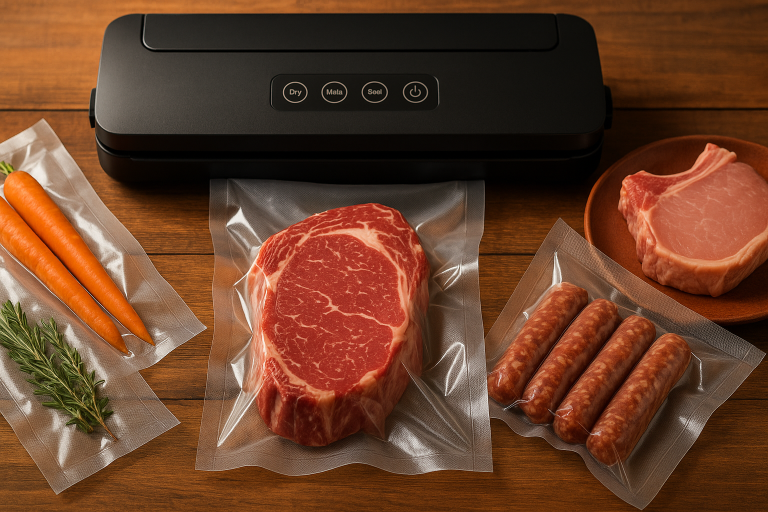
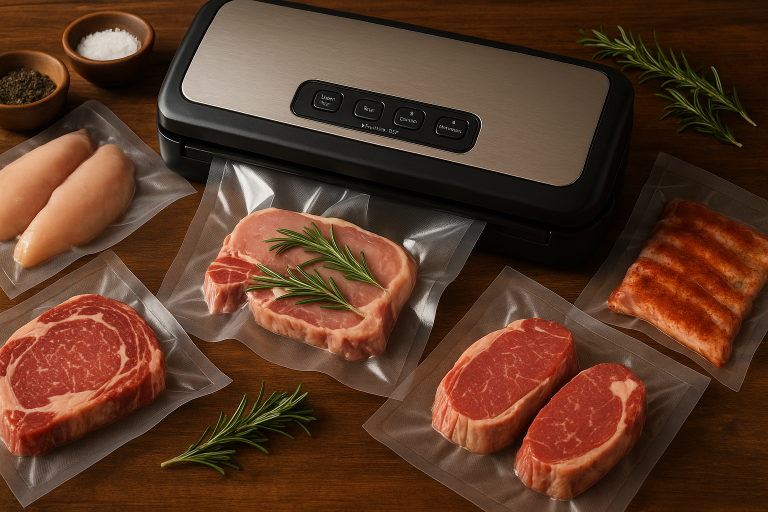
Vacuum-sealed packages last several weeks unopened in the refrigerator. Once you break the seal, treat the meat like fresh-sliced product and use it within a few days. Don’t refreeze prosciutto after thawing because it destroys the texture.
White mold sometimes appears on the outside of whole legs during aging. This natural mold protects the meat and adds flavor complexity. Simply wipe it away with a cloth dampened in white vinegar before slicing. Green or black mold indicates spoilage, and you should discard any meat showing these colors.
Serving Methods and Culinary Uses
Classic Italian service keeps things simple. Drape thin slices over a white plate with chunks of Parmigiano-Reggiano cheese and fresh figs. Add breadsticks and good olive oil for dipping. This preparation lets you taste the prosciutto’s full flavor without distractions.
Wrapping prosciutto around melon remains popular for good reason. The sweet fruit balances the salty meat perfectly. Use cantaloupe, honeydew, or the traditional Italian choice of muskmelon. Cut the melon into wedges, wrap each piece with one slice of prosciutto, and serve immediately.
Prosciutto transforms simple dishes into special meals. Layer it into grilled cheese sandwiches or quesadillas. Wrap it around asparagus spears and roast at 400°F for 12 minutes. Tear pieces over pizza during the last two minutes of baking. Add it to pasta dishes just before serving so the heat softens the meat without cooking it.
You can include prosciutto on your Italian charcuterie board alongside other cured meats and cheeses. Fold each slice into quarters or roll it into cylinders for easy picking. Pair it with aged cheeses, olives, and crusty bread.
Cooking prosciutto changes its character completely. Brief exposure to high heat renders the fat and crisps the meat, creating a texture similar to bacon. This works well as a pizza topping or salad garnish. Extended cooking in sauces adds depth and saltiness but eliminates the delicate texture that makes prosciutto special.
Buying Guide: What to Look For
Specialty Italian markets and high-end grocery stores stock the best selection. They typically buy from importers who specialize in Italian products and maintain proper storage conditions. Staff at these shops usually understand prosciutto and can guide your selection.
Ask to taste before buying. Reputable sellers offer samples because they know good prosciutto sells itself. The meat should taste complex and balanced, with sweetness, saltiness, and umami all present. Avoid any that tastes overwhelmingly salty or has bitter notes.
Check the origin stamp. Authentic Italian prosciutto carries either the Parma crown or the San Daniele guitar-shaped brand. These marks guarantee you’re getting properly aged, traditionally produced meat. Domestic “prosciutto” rarely matches Italian quality because American producers use different breeds, shorter aging times, and climate-controlled facilities throughout.
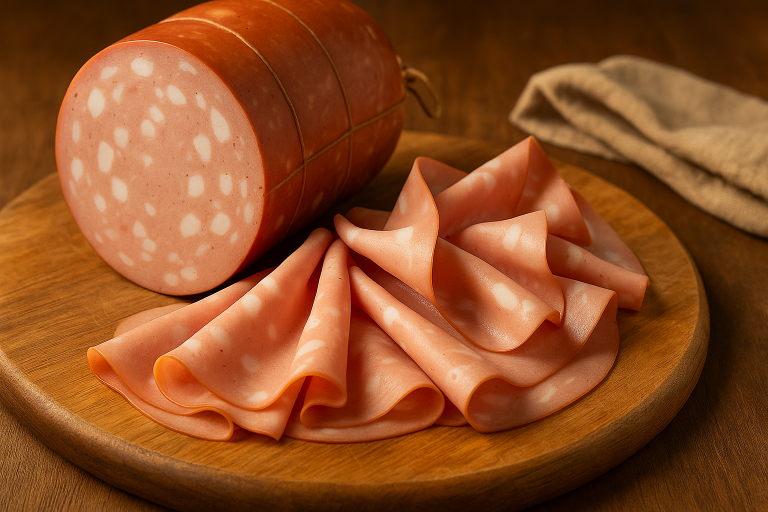
Buy from the whole leg rather than pre-packaged slices whenever possible. Watch the person slice it to ensure they cut it thin enough. Proper prosciutto slices should be almost translucent. Thick slices taste too chewy and don’t release their flavor properly.
If you want to slice prosciutto at home, you’ll need a quality meat slicer. You can check current prices on meat slicers to find options that fit your needs. A sharp slicing knife works for occasional use, but getting consistently thin slices takes considerable practice.
Making Prosciutto at Home
Home production requires significant space, time, and equipment. You’ll need a dedicated refrigerator or climate-controlled room where you can maintain precise temperature and humidity for 12 to 24 months. Most home cooks find the investment prohibitive.
Start with a fresh pork leg from a local farm or butcher. The pig should weigh at least 250 pounds at slaughter for proper leg size. Remove any remaining hair and trim the leg to the traditional prosciutto shape, keeping about two inches of skin around the edges.
Calculate salt using 3% of the meat’s weight. Massage it thoroughly into every surface, paying special attention to the area around the bone. Place the leg in a non-reactive container and refrigerate at 36 to 38°F for two weeks. Drain any liquid that accumulates every few days.
After the initial cure, rinse the salt away and pat the meat completely dry. Hang it in your aging space at 60 to 65°F with 70 to 75% humidity. You’ll need a hygrometer and humidifier to maintain these conditions. The meat loses weight steadily as it ages. After 12 months, test for doneness by inserting a horse bone needle and smelling it. The aroma should be pleasant and nutty, never sour or ammonia-like.
Professional producers use commercial-grade equipment and testing protocols that most home setups can’t replicate. Unless you’re deeply committed to the craft, buying quality prosciutto makes more sense than producing it yourself. You might also want to explore traditional Italian cooking techniques that require less specialized equipment.
Prosciutto vs Other Cured Meats
Prosciutto cotto is cooked Italian ham, completely different from the dry-cured version. Producers brine the meat, then steam or roast it. The result tastes similar to American deli ham but with finer texture and more delicate seasoning. Don’t confuse it with true prosciutto.
Speck comes from the same leg cut but gets cold-smoked during aging. South Tyrol in northern Italy produces the best speck, using juniper and other Alpine woods for smoking. It tastes less sweet than prosciutto, with distinctive smoky notes throughout.
Bresaola uses beef instead of pork, typically made from top round or eye of round. The lean meat cures with salt and spices, then air-dries for two to three months. It has an intense beefy flavor and firm texture. Serve bresaola the same way as prosciutto, sliced thin with lemon and olive oil.
American country ham follows different traditions but achieves similar results through salt curing and aging. Southern producers use more salt than Italian methods, creating a drier, saltier product. You need to cook most country ham before eating, unlike prosciutto which is always served raw. Understanding when ham is properly cooked becomes important for these varieties.
Price Considerations and Value
Authentic Italian prosciutto costs significantly more than domestic alternatives because of import duties, protected designation requirements, and longer aging times. You’re paying for certified quality and traditional production methods.
Buying from the counter typically costs less per pound than pre-packaged slices. You get fresher product and can request exactly the amount you need. Building relationships with counter staff often leads to samples of new arrivals and advance notice of special products.
Whole legs offer the best value for serious enthusiasts. You’ll need proper storage conditions and a meat slicer, but the per-pound cost drops substantially. Whole legs also let you control slice thickness and use different parts of the leg as they develop different flavors during aging.
Domestic “prosciutto” costs less but delivers different results. American producers can’t replicate the specific climate conditions, pig breeds, and multi-year aging that define authentic Italian product. Buy domestic versions for cooking applications where the subtle differences won’t matter, but invest in imports for serving raw.
For serious home cooks, getting a proper prosciutto knife makes a difference. You can see current pricing on prosciutto knives designed specifically for slicing cured meats.
Pairing Prosciutto With Other Foods
Aged cheeses complement prosciutto’s saltiness beautifully. Parmigiano-Reggiano is the traditional choice, but aged Gouda, Manchego, and sharp Cheddar all work well. The crystalline texture of well-aged cheese provides contrast against the soft meat.
Fresh cheeses create different but equally successful combinations. Burrata’s creamy center pairs wonderfully with prosciutto’s salt. Fresh mozzarella works too, especially when you add fresh basil and tomatoes. Ricotta topped with prosciutto and honey makes an excellent appetizer.
Wine pairings depend on whether you’re serving prosciutto alone or with other foods. Prosecco’s bubbles and slight sweetness cut through the fat nicely. Light red wines like Bardolino or Valpolicella match the meat’s intensity without overwhelming it. Avoid heavy, tannic reds that clash with the delicate flavor.
Fruit pairings extend beyond melon. Fresh figs, pears, and peaches all bring sweetness that balances the salt. Dried fruits work too, particularly apricots and dates. Avoid citrus fruits, which react badly with the cured meat’s fat.
Bread should be simple and let the prosciutto shine. Crusty Italian bread, plain breadsticks, or neutral crackers all work. Skip strongly flavored breads with herbs, cheese, or seeds that compete for attention. Many antipasto platter arrangements successfully incorporate prosciutto with complementary items.
Common Mistakes to Avoid
Serving prosciutto too cold ranks as the most common error. The fat needs to be at room temperature to release its aromatic compounds. Take it out of the refrigerator at least 20 minutes before serving, longer if your kitchen runs cool.
Slicing too thick ruins the texture. Prosciutto should be nearly transparent, thin enough that light passes through it. Thick slices taste chewy and concentrate the salt too much. If you’re buying from a counter, don’t be shy about asking them to slice it thinner.
Overcooking destroys everything special about prosciutto. Brief high heat for crisping works fine, but don’t treat it like regular ham that needs thorough cooking. The meat is already cured and safe to eat raw. Extended heat just dries it out and eliminates the delicate texture.
Storing opened prosciutto improperly leads to waste. It oxidizes quickly once exposed to air, developing off flavors and discoloration. Wrap it tightly in plastic wrap or butcher paper, pressing out all air bubbles. Use it within three days of opening.
Buying low-quality “prosciutto” at big-box stores sets unrealistic expectations. Many mass-market products labeled as prosciutto bear little resemblance to authentic Italian versions. They use quick curing methods, added preservatives, and cheaper pork. If your first experience with prosciutto disappoints you, try a proper Italian import before writing off the entire category.
Frequently Asked Questions
Can you eat prosciutto raw straight from the package?
Yes, prosciutto is safe to eat without cooking. The curing and aging process preserves the meat and eliminates harmful bacteria. That’s exactly how Italians have eaten it for centuries. Just remove it from the refrigerator 20 minutes before serving so it reaches room temperature and develops full flavor.
How long does prosciutto last once opened?
Sliced prosciutto stays fresh for three to five days after opening if you wrap it tightly in plastic wrap or butcher paper and refrigerate it. Vacuum-sealed packages last longer, up to two weeks unopened. Once you break the seal, treat it like fresh-sliced product. Whole legs properly stored can last several months as you slice from them.
What’s the difference between prosciutto and regular ham?
Prosciutto is dry-cured and aged raw for 12 months or longer, while regular ham is wet-brined and cooked. Prosciutto develops complex flavors during aging and is served uncooked in paper-thin slices. Regular ham tastes milder, has higher moisture content, and requires cooking before eating in most cases. You can learn more about these distinctions by reading about how different ham types are prepared.
Is prosciutto healthy or just a salty indulgence?
Prosciutto provides good protein, B vitamins, and minerals but contains high sodium levels from the curing process. One ounce delivers about 600 milligrams of sodium, roughly 25% of the daily recommended limit. Treat it as an occasional delicacy rather than a regular protein source. The traditional Italian approach of eating small amounts with other foods makes sense for balanced nutrition.
Final Recommendations
Authentic Prosciutto di Parma or San Daniele delivers an experience domestic alternatives can’t match. The protected designation standards ensure consistent quality and traditional production methods. Look for the certification stamps and buy from specialty shops that store the meat properly.
Slice it fresh rather than buying pre-packaged whenever you can. The flavor difference is substantial, and watching the slicer work lets you ensure proper thickness. Build a relationship with your local Italian market or specialty butcher, and they’ll guide you toward the best products.
Serve prosciutto simply to appreciate what makes it special. A white plate, room-temperature meat sliced thin, good cheese, and fresh fruit is all you need. Save the lesser-quality domestic versions for cooking applications where the subtleties get lost anyway.
If you’re planning a special meal or putting together an impressive spread, quality prosciutto elevates everything else on the table. It’s worth seeking out the real thing rather than settling for approximations. Your guests will notice the difference, and you’ll understand why this Italian tradition has survived for centuries.
For the best experience, consider picking up a quality charcuterie serving board to present your prosciutto properly alongside complementary items.
This article contains affiliate links. If you purchase through these links, we may earn a small commission at no extra cost to you.
“`