Macanese Pork Chop Bun: The Street Food Sandwich You Need to Try
Learn to make Macau’s famous pork chop bun with bone-in chops, five-spice marinade, and crusty rolls. Simple ingredients, incredible flavor.

Disclosure: As an Amazon Associate, this site earns from qualifying purchases. Thank you!
What Makes the Macanese Pork Chop Bun Special
The pork chop bun from Macau is one of those rare street foods that accomplishes something remarkable with just three main components: a bone-in pork chop, a crispy roll, and a simple marinade. You won’t find elaborate sauces or complicated toppings here. This sandwich puts all its faith in a perfectly seasoned, thin-cut pork chop that’s been pounded flat and grilled until the edges crisp up.
What separates this from your typical pork sandwich is the bone-in chop. Most street food vendors would remove the bone for convenience, but in Macau, they keep it. You eat around it, and that bone helps the meat stay juicier during the high-heat cooking process. The chop gets marinated in a mix that typically includes Worcestershire sauce, soy sauce, and Chinese five-spice powder, creating a flavor profile that straddles Portuguese and Cantonese cooking traditions.
The bun itself matters more than you’d think. Traditional versions use a Portuguese-style roll called a piggy bun (or “pineapple bun” without the filling), which has a slightly sweet, crackly crust. You can substitute with a crusty French roll or Portuguese roll if you can’t find the authentic version. The key is toasting it with butter until it gets crispy on the outside while staying soft inside.
The History Behind Macau’s Signature Sandwich
Macau spent over 400 years as a Portuguese colony, creating a unique fusion cuisine that blends Portuguese ingredients and techniques with Cantonese flavors. The pork chop bun emerged from this cultural crossroads sometime in the mid-20th century, though pinning down an exact origin proves difficult.
The sandwich gained legendary status at a handful of shops in Macau, particularly Tai Lei Loi Kei, which has been serving them since 1968. These establishments don’t overthink the concept. They pound the chop thin, marinate it briefly, grill it over charcoal, and serve it on a toasted bun. That’s it.
This simplicity means every element needs to be perfect. You can’t hide behind layers of toppings or complex sauces. The meat quality matters. The marinade balance matters. The bun texture matters. This is why making a proper pork chop bun at home requires attention to detail, even though the ingredient list stays short.
Choosing the Right Pork Chop
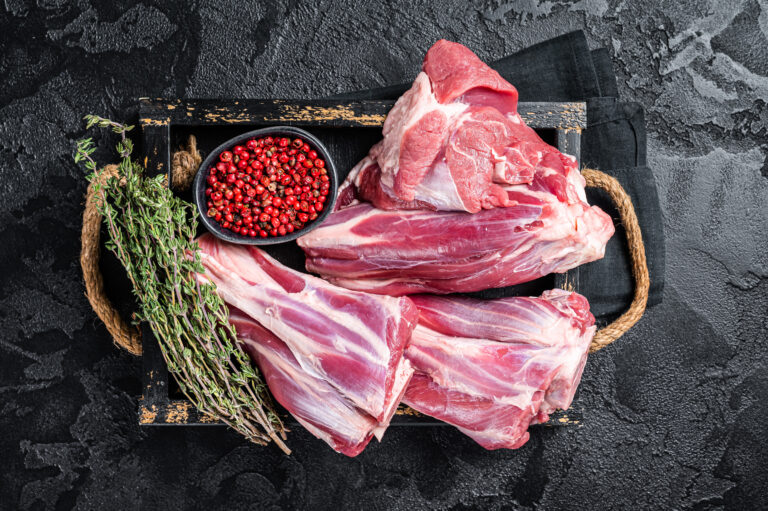
For this recipe, you’ll want bone-in pork chops cut about 1/2 to 3/4 inch thick. Rib chops work better than loin chops because they have slightly more fat, which helps with flavor and prevents drying out during the pounding and grilling process.
Buy chops with a decent fat cap still attached. Don’t trim it off. That fat renders during cooking and bastes the meat. If you’re concerned about using quality pork, consider looking into Duroc pork chop benefits, as this heritage breed tends to have better marbling and flavor than standard commodity pork.
You’ll need to pound these chops thin, to about 1/4 inch thickness. This technique serves multiple purposes: it tenderizes the meat, creates more surface area for the marinade to penetrate, and ensures the chop cooks quickly at high heat without drying out the interior. Place each chop between two pieces of plastic wrap or in a zip-top bag, then use a meat mallet to pound evenly from the center outward.
Some recipes call for boneless chops to make eating easier, but you lose some of the traditional character and the moisture-retention benefits. Make the choice based on your priorities, but I’d recommend keeping the bone in for your first attempt.
The Marinade Formula
The marinade for Macanese pork chop bun uses ingredients you can find at any Asian grocery store or well-stocked supermarket. Here’s what you need:
- 2 tablespoons Worcestershire sauce
- 2 tablespoons light soy sauce
- 1 tablespoon oyster sauce
- 1 tablespoon Shaoxing wine (or dry sherry)
- 1 teaspoon Chinese five-spice powder
- 1 teaspoon sugar
- 1/2 teaspoon white pepper
- 2 cloves garlic, minced
- 1 tablespoon vegetable oil
Mix these ingredients together and coat your pounded pork chops thoroughly. You can marinate for as little as 30 minutes or up to 4 hours in the refrigerator. Beyond 4 hours, the soy sauce starts to make the exterior mushy rather than helping it crisp up during cooking.
The Worcestershire sauce might seem like an odd choice for an Asian recipe, but remember that Macau’s cuisine reflects Portuguese influence. This British condiment made its way into the local pantry and adds a tangy, slightly sweet depth that complements the five-spice perfectly.
Don’t skip the sugar. It helps with caramelization and balances the salty elements. The small amount won’t make the marinade taste sweet, but without it, the flavor profile feels incomplete.
Cooking Method: Grill or Pan-Fry
Traditional pork chop buns get cooked over charcoal, which adds a subtle smokiness and creates excellent char on the exterior. You can absolutely use a charcoal grill if you have one. Get the coals extremely hot, around 450-500°F. The pounded chops only need about 2-3 minutes per side at this temperature.
For most home cooks, a cast iron skillet or grill pan works perfectly well. Heat it over high heat until it’s smoking slightly. Add a thin layer of vegetable oil (not butter, which will burn). Place the marinated chops in the pan without crowding them. You’ll hear an immediate, aggressive sizzle if the pan is hot enough.
Let the chops cook undisturbed for 2-3 minutes on the first side. You’re looking for a deep golden-brown crust with some darker charred spots. Flip once and cook another 2 minutes on the second side. Because you’ve pounded the meat thin, it cooks through quickly. An instant-read thermometer should register 145°F for safe consumption, but given how thin these are, you can usually judge by appearance and touch.
Remove the chops from the heat and let them rest for 2-3 minutes. This brief rest allows the juices to redistribute instead of running out all over your cutting board.
The Bun Preparation
While your chops are cooking (or resting), prepare the buns. You want Portuguese rolls if you can find them at a local bakery. These have a slightly sweet flavor and a crispy, almost crackly crust. French rolls or bolillo rolls make acceptable substitutes. Avoid soft hamburger buns, which turn into a soggy mess.
Slice the rolls horizontally, leaving them hinged on one side. Spread softened butter on both cut surfaces. You can add a thin layer of mayonnaise if you like, though traditional versions often skip it.
Toast the buttered buns in a dry skillet or under the broiler until they’re golden and crispy. This step matters more than you might think. The textural contrast between the crispy, buttery bread and the tender meat defines the eating experience.
Some modern variations add lettuce, tomato, or pickled vegetables, but purists serve the sandwich with just the meat and bun. I’d recommend trying it the traditional way first, then experimenting with additions if you want.
Assembly and Serving
Place one pork chop on the bottom half of each toasted bun. That’s it. You don’t need sauce, though some people like a drizzle of the reduced marinade or a touch of hot sauce.
Serve immediately while everything is hot. The sandwich is meant to be eaten with your hands, bone and all. You work around the bone as you eat, which feels slightly inelegant but adds to the street food authenticity.
Pair these with a cold drink. In Macau, people often wash down pork chop buns with milk tea or a cold beer. A light lager works particularly well because it cuts through the richness without competing with the five-spice flavors.
Recipe Variations Worth Trying
Once you’ve mastered the basic version, several variations offer interesting twists while staying true to the concept. Some shops in Macau serve the pork chop on a pineapple bun (bo lo bao), which has a sweet, cookie-like topping. This adds another textural layer and a subtle sweetness that some people prefer.
You can experiment with different marinade components. Some recipes add curry powder or turmeric for color and a slightly different spice profile. Others incorporate honey or hoisin sauce for more sweetness and stickiness.
For a fusion approach that borrows from other Asian sandwiches, try adding quick-pickled vegetables like daikon, carrot, and cucumber. This pushes the sandwich toward banh mi territory but provides acidic contrast that works surprisingly well with the rich pork.
If you’re interested in exploring other Asian-inspired dishes with different proteins, check out these fusion tacos that blend cultural influences in creative ways.
Equipment You’ll Need
You don’t need specialized equipment for this recipe, but a few tools make the process easier. A meat mallet for pounding the chops is essential. You can substitute with a heavy skillet or rolling pin, but a proper mallet gives you better control.
A cast iron skillet provides excellent heat retention and creates better crust development than a regular pan. If you cook these regularly, consider picking up a quality cast iron skillet on Amazon if you don’t already own one.
An instant-read thermometer takes the guesswork out of doneness, though with practice, you’ll learn to judge by touch and appearance. Given how quickly these thin chops cook, there’s a narrow window between perfectly done and overcooked.
For authentic presentation, look for a meat mallet designed for tenderizing. The textured side helps break down the muscle fibers more effectively than a smooth pounder.
Common Mistakes to Avoid
The biggest mistake people make with pork chop buns is overcooking the meat. These thin, pounded chops need high heat and short cooking time. If you treat them like regular thick chops and cook them for 6-7 minutes per side, you’ll end up with dry, tough meat that no amount of sauce can save.
Another frequent error is under-pounding the chops. You want them uniformly thin, about 1/4 inch throughout. Uneven thickness means parts of the chop overcook while other parts remain underdone. Take your time with this step and check the thickness as you work.
Using the wrong bun diminishes the entire sandwich. Soft hamburger buns or sandwich bread don’t provide the textural contrast you need. Hunt down proper crusty rolls or make a trip to an Asian bakery for Portuguese-style buns.
Skipping the bun toasting step is another common shortcut that degrades the final result. The buttery, crispy bread provides essential texture and flavor. Don’t just warm the bun; toast it until it’s genuinely crispy.
Scaling Up for a Crowd
This recipe works beautifully for feeding a group. You can pound and marinate the chops several hours ahead, then cook them quickly when guests arrive. The actual cooking time per chop is under 5 minutes, making it feasible to cook for 8-10 people without spending hours at the stove.
If you’re cooking for a larger gathering, consider setting up an assembly line approach. Have one person managing the grill or stovetop while another handles bun toasting and assembly. This keeps the process moving and ensures everyone gets their sandwich hot.
For outdoor events, grilling these over charcoal elevates the flavor and creates a more festive atmosphere. The visual appeal of cooking bone-in chops over fire adds to the experience. Just make sure your grill grates are clean and well-oiled to prevent sticking.
You might also consider offering these alongside other Asian-inspired items. Pork sausage recipes could complement the pork chop buns nicely in a buffet-style setup.
Storage and Reheating
Pork chop buns taste best eaten immediately after cooking, but you can prepare components ahead. Cook the pork chops earlier in the day and reheat them briefly in a hot skillet before assembling. They won’t be quite as good as fresh-cooked, but this approach works for meal prep situations.
Don’t assemble the sandwiches until right before eating. The crispy bun will get soggy if it sits with the meat for any length of time. Keep the components separate and toast the buns fresh when ready to serve.
Leftover cooked pork chops keep in the refrigerator for 3-4 days. Reheat them in a 400°F oven for about 5 minutes to restore some crispiness to the exterior. Microwaving makes them rubbery and sad.
You can freeze the marinated raw chops for up to 3 months. Let them marinate, then freeze them in individual portions. Thaw in the refrigerator overnight before cooking. This makes it easy to have a quick, impressive meal ready to go whenever you want.
Video Tutorial
For a visual guide to making authentic Macanese pork chop buns, this tutorial walks through the traditional technique:
Nutritional Considerations
A typical pork chop bun contains approximately 450-550 calories, depending on the size of the chop and bun. The majority of the calories come from the pork itself and the buttered bread. The marinade adds minimal calories but contributes significant sodium, largely from the soy sauce and Worcestershire sauce.
Pork chops provide excellent protein, with a 4-ounce serving delivering about 25-30 grams. They’re also a good source of B vitamins, particularly thiamine and niacin, as well as minerals like selenium and phosphorus.
If you’re watching sodium intake, you can reduce the soy sauce and Worcestershire sauce by half and compensate with additional garlic, ginger, or citrus juice. The flavor won’t be as authentic, but it’s a workable modification for dietary needs.
The bone-in chops used in traditional recipes tend to have slightly higher fat content than boneless loin chops, which improves flavor and juiciness but adds calories. You can find detailed nutritional information for various pork cuts through the USDA FoodData Central database.
Where to Find Ingredients
Most ingredients for pork chop buns are available at regular supermarkets, but Asian grocery stores offer better options for certain items. Chinese five-spice powder varies significantly in quality and freshness. Buy it from a store with high turnover rather than grabbing the dusty jar that’s been sitting on a regular grocery shelf for years.
Shaoxing wine, a Chinese rice wine used in the marinade, adds an authentic depth that dry sherry approximates but doesn’t quite match. Any Asian grocery will stock it in the cooking wine section. Don’t buy the salted versions marketed as cooking wine; get the drinkable stuff for better flavor.
For the buns, check Portuguese bakeries, Asian bakeries, or Latin markets that carry bolillo rolls. If you live somewhere without access to these options, a good French baguette cut into 6-inch sections works in a pinch.
Quality meat matters for this simple recipe. Visit a butcher who can cut your pork chops to the right thickness and answer questions about the pork’s source. Better pork makes a noticeable difference when you’re not masking it with heavy sauces.
Pairing Suggestions
Pork chop buns work as a complete meal on their own, but a few simple sides round out the experience. A light cucumber salad with rice vinegar and sesame oil provides refreshing contrast to the rich meat. Asian-style coleslaw with ginger-sesame dressing offers similar brightness with more crunch.
For drinks, unsweetened iced tea or Hong Kong-style milk tea are traditional choices. If you prefer alcohol, light lagers or pilsners work better than heavy beers or hoppy IPAs. The clean, crisp character of these beers cleanses your palate between bites without overwhelming the five-spice flavors.
Sweet potato fries make an excellent side that feels appropriate with the Portuguese influence. Season them with salt and a touch of five-spice powder to tie them to the sandwich’s flavor profile.
Keep side dishes simple. This sandwich deserves to be the star, not part of a crowded plate competing for attention with heavy sides.
The Complete Recipe
Ingredients
For the pork:
- 4 bone-in pork rib chops, about 1/2 to 3/4 inch thick
- 2 tablespoons Worcestershire sauce
- 2 tablespoons light soy sauce
- 1 tablespoon oyster sauce
- 1 tablespoon Shaoxing wine
- 1 teaspoon Chinese five-spice powder
- 1 teaspoon sugar
- 1/2 teaspoon white pepper
- 2 cloves garlic, minced
- 1 tablespoon vegetable oil
- Additional oil for cooking
For serving:
- 4 Portuguese rolls or crusty French rolls
- 2-3 tablespoons butter, softened
Instructions
Place each pork chop between two pieces of plastic wrap. Use a meat mallet to pound evenly to about 1/4 inch thickness throughout. Pay attention to even thickness so the chops cook uniformly.
Combine Worcestershire sauce, soy sauce, oyster sauce, Shaoxing wine, five-spice powder, sugar, white pepper, minced garlic, and 1 tablespoon oil in a bowl. Mix well until the sugar dissolves.
Place the pounded chops in a shallow dish or large zip-top bag. Pour the marinade over them, turning to coat both sides completely. Refrigerate for at least 30 minutes, up to 4 hours. Turn the chops once or twice during marinating.
When ready to cook, heat a cast iron skillet or grill pan over high heat until very hot, about 3-4 minutes. Add a thin layer of vegetable oil.
Remove chops from the marinade, letting excess drip off but don’t wipe them dry. Place in the hot pan without crowding (cook in batches if necessary). Cook for 2-3 minutes on the first side without moving them. You want deep golden-brown color with some charred spots.
Flip the chops and cook for another 2 minutes on the second side. Check for doneness by cutting into the thickest part (should be just barely pink) or using an instant-read thermometer (145°F). Remove from heat and let rest for 2-3 minutes.
While the chops cook or rest, slice the rolls horizontally and spread butter on both cut surfaces. Toast in a dry skillet or under the broiler until golden and crispy, about 2 minutes.
Place one pork chop on the bottom half of each bun. Close the sandwich and serve immediately while hot.
Why This Recipe Works for Home Cooks
Unlike many restaurant specialties that require professional equipment or hard-to-find ingredients, pork chop buns translate beautifully to home kitchens. You don’t need a charcoal grill (though it’s nice), special tools beyond a meat mallet, or exotic ingredients you’ll never use again.
The recipe is forgiving in some ways and demanding in others. You can adjust the marinade spices to your taste, substitute different types of rolls, and even go boneless if you prefer. But you can’t skip the pounding, rush the cooking, or use a soggy bun.
This makes it an excellent recipe for building cooking skills. You’ll learn about heat management, the importance of proper prep work, and how simple ingredients can create complex flavors when treated correctly.
The relatively short cooking time means you can experiment without investing hours. If your first attempt doesn’t turn out perfectly, you can try again tomorrow without major time or financial commitment.
Making It Your Own
Once you’ve made the traditional version a few times, feel free to experiment. Some cooks add a fried egg on top, creating a breakfast sandwich version. Others incorporate cheese (cheddar or pepper jack work well) for a more Americanized take.
Spice lovers can add fresh chilies to the marinade or serve with sriracha or sambal oelek. The five-spice base handles additional heat quite well.
For a lighter version, try chicken thighs pounded thin instead of pork chops. The cooking time stays similar, and the marinade works just as well. You could also explore other quality pork products to experiment with different flavor profiles.
Some people prefer adding fresh herbs like cilantro or Thai basil. This pushes the sandwich in a Vietnamese direction but creates an interesting fusion that respects the original while adding something new.
FAQ
Can I use boneless pork chops instead of bone-in?
Yes, boneless pork chops work fine for this recipe. You’ll lose some of the traditional character and potentially a bit of moisture retention during cooking, but the flavor and overall concept remain intact. Choose boneless chops with decent marbling for best results. The cooking time stays about the same since you’re pounding them thin regardless of whether they have bones.
What if I can’t find Portuguese rolls?
French rolls, bolillo rolls, or any crusty white roll with a tender interior makes an acceptable substitute. Avoid soft hamburger buns or sandwich bread, which don’t provide the necessary textural contrast. The roll should have a crispy crust that gets even crispier when toasted with butter. In a pinch, a section of French baguette works better than a soft bun.
How do I prevent the pork chops from drying out?
Three key factors prevent dry pork chops: don’t overcook them, use high heat for a short time, and let them rest after cooking. At 1/4 inch thickness, these chops need only 4-5 minutes total cooking time. Pull them off the heat when they reach 145°F internally. The brief rest allows juices to redistribute. Also, don’t pound them too thin (below 1/4 inch), as this makes overcooking almost inevitable.
Can I make these on a regular outdoor grill?
Absolutely. A gas or charcoal grill works great for pork chop buns. Preheat the grill to high heat (450-500°F). The thin, pounded chops cook quickly over direct heat. Watch them carefully since outdoor grills often have hot spots that can char the meat too quickly. Charcoal adds a subtle smokiness that enhances the overall flavor. Just make sure your grates are clean and well-oiled to prevent sticking.
Final Thoughts
The Macanese pork chop bun proves that street food doesn’t need to be complicated to be craveable. Three main components, a simple marinade, and proper technique create something far greater than the sum of its parts. This isn’t fusion food that tries too hard or street food dumbed down for home cooks. It’s an authentic recipe that happens to work perfectly in home kitchens.
Make these for your next casual gathering, weeknight dinner, or whenever you want something different from the usual sandwich rotation. The bone-in chop might feel unusual at first, but that’s part of the experience. You’re not just making food; you’re connecting with a specific place and culinary tradition that deserves more attention outside of Macau.
Start with the traditional version before you experiment. Taste what makes this sandwich special in its pure form, then decide if you want to add anything. More often than not, you’ll find that the original needs nothing extra.
This article contains affiliate links. If you purchase through these links, we may earn a small commission at no extra cost to you.