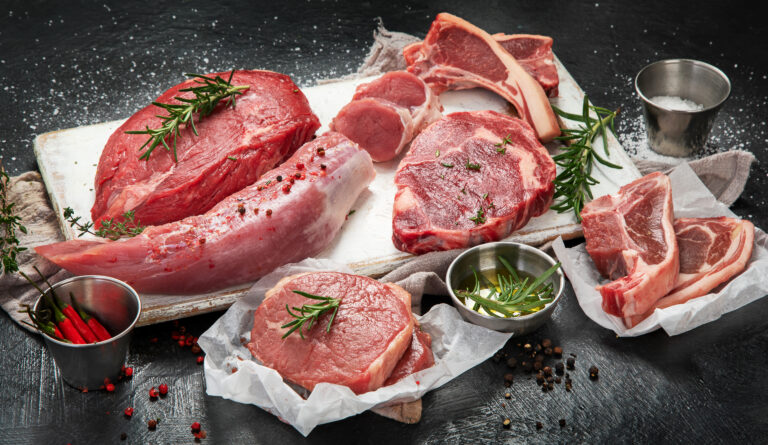
Can Ground Beef Be Pink and Still Be Safe to Eat?
Ground beef can stay pink at 160°F. Learn why color doesn’t indicate safety, the role of myoglobin, and why temperature is the only reliable test.

You pull apart your burger, and the center still looks pink even though you’ve cooked it to the right temperature. Before you panic and toss it back on the grill, you need to know that color isn’t always the most reliable indicator of safety for ground beef.
Disclosure: As an Amazon Associate, this site earns from qualifying purchases. Thank you!
Why Ground Beef Can Stay Pink Even When Fully Cooked
Ground beef gets its color from a protein called myoglobin, which stores oxygen in muscle tissue. This protein changes color based on oxygen exposure, cooking temperature, and even the pH level of the meat. What throws people off is that myoglobin doesn’t always turn brown at the same temperature or rate.
Several factors can keep your ground beef pink even after it reaches safe internal temperatures. If your beef contains more myoglobin naturally (which happens with younger cattle or certain muscle groups), it’ll maintain that pink color longer. The presence of nitrites or nitrates, whether from seasonings or the processing environment, can also lock in that pink hue.
Carbon monoxide exposure during packaging is another culprit. Some meat processors use modified atmosphere packaging that includes CO, which binds to myoglobin and creates a stable pink color that won’t change much during cooking. This practice is completely legal and safe, but it confuses people who rely on visual cues.
Temperature Is the Only Reliable Test for Doneness
You need a meat thermometer. There’s no way around it. The USDA recommends cooking ground beef to an internal temperature of 160°F (71°C) to eliminate harmful bacteria like E. coli and Salmonella. This temperature threshold kills pathogens regardless of what color your meat appears.
A good instant-read thermometer will give you results in 2-3 seconds and take all the guesswork out of cooking ground beef. Insert it into the thickest part of your burger or the center of your meatloaf, making sure not to touch bone or the cooking surface. You can check current prices on Amazon for reliable digital options that last for years.
Don’t rely on cooking time alone either. A thin burger patty cooked at high heat might reach 160°F in four minutes, while a thick meatloaf at lower heat could take 45 minutes. Variables like your stove’s heat output, pan material, and starting temperature of the meat all affect cooking time.
When Pink Ground Beef Actually Means Danger
While pink doesn’t automatically mean unsafe, you should still pay attention to other warning signs. If your ground beef smells sour or has a slimy texture before cooking, that pink color is the least of your concerns. These are signs of spoilage, and no amount of cooking will make that meat safe or palatable.
Fresh ground beef should smell neutral or slightly metallic, never ammonia-like or rancid. The texture should be firm and slightly moist but not sticky or slimy. For tips on keeping your raw meat fresh from the store, check out our guide on storage solutions for raw meat.
You also can’t judge doneness by the color of meat juices. Clear juices don’t guarantee safety, and pink juices don’t necessarily mean the meat is undercooked. Myoglobin can leak into those juices and create a pink tint even after the meat hits 160°F.
Understanding Myoglobin and Color Changes
Myoglobin goes through three main color stages. Fresh beef contains oxymyoglobin, which gives meat that bright cherry-red color you see in the store. As oxygen exposure continues, it oxidizes into metmyoglobin, creating brown or grayish tones. Heat denatures myoglobin into hemichrome, which typically appears tan or brown.
But here’s where it gets tricky. The pH level of your beef affects how myoglobin responds to heat. Meat with a higher pH (more alkaline) tends to stay pink longer during cooking. Grass-fed beef often has a different pH than grain-fed beef, which can affect color changes during cooking.
The grinding process itself introduces another variable. Ground beef has more surface area exposed to oxygen than whole cuts, which means more opportunity for oxygen to interact with myoglobin. This is why you might notice color variations throughout a batch of ground beef, even from the same package.
The Science Behind Safe Ground Beef Temperature
Bacteria multiply rapidly between 40°F and 140°F, which food safety experts call the danger zone. Ground beef is particularly vulnerable because grinding distributes any surface bacteria throughout the entire product. A steak can be cooked rare because bacteria only touch the outside surface, but ground beef needs thorough cooking all the way through.
The USDA’s 160°F recommendation isn’t arbitrary. At this temperature, harmful bacteria die within seconds. Between 140°F and 160°F, you’re in a gray area where some bacteria survive longer. Below 140°F, you’re gambling with food safety, especially for vulnerable populations like young children, pregnant women, and people with compromised immune systems.
Here’s a reality check: commercial ground beef often comes from multiple cattle. One package might contain meat from dozens of different animals processed at different times. This increases the statistical chance that harmful bacteria made it into the mix, which is why thorough cooking matters more for ground beef than for whole cuts.
How Different Cooking Methods Affect Color
Grilling at high heat creates a dark crust on the outside while the inside might still look pink. This Maillard reaction browns the surface but doesn’t guarantee the center reached safe temperatures. You could have a beautifully charred burger that’s still raw in the middle.
Oven-cooking at lower temperatures tends to produce more uniform color changes, but even this method can leave you with pink centers at safe temperatures. Slow cookers present similar challenges because the moist environment and lower temperatures can preserve pink colors even after hours of cooking.
Pan-frying gives you better control and visual feedback, but you still need that thermometer. The sizzle and crust formation are satisfying, but they don’t tell you what’s happening in the center of your burger or meatball.
What to Do With Pink But Fully Cooked Ground Beef
If your thermometer reads 160°F or higher, eat the burger. Seriously. You’ve done your job correctly, and the pink color is just a quirk of meat chemistry. Your guests might look skeptical, but you can explain the science or just let them use your thermometer to verify.
Some cooks prefer to slightly overcook ground beef to 165°F or 170°F to ensure that brown color everyone expects. This isn’t necessary for safety, but it might save you from fielding questions at your next barbecue. Just know that you’re sacrificing some juiciness for visual reassurance. For methods to maintain moisture in your ground beef dishes, our article on keeping ground beef moist offers practical techniques.
You can also invest in a leave-in probe thermometer for larger items like meatloaf or stuffed peppers. These devices let you monitor internal temperature throughout cooking without opening the oven repeatedly. Browse probe thermometers on Amazon to find models with alarms that alert you when your target temperature is reached.
Common Myths About Ground Beef Safety
Myth number one: brown ground beef is always safe. Premature browning happens all the time, especially with lean beef or beef cooked at very high temperatures. The surface can turn brown while the interior remains dangerously undercooked.
Myth number two: you can tell by texture. Firm meat isn’t necessarily cooked to safe temperatures. You might have firm but undercooked ground beef, especially if you’ve added binders like eggs or breadcrumbs that change the texture.
Myth number three: microwaving doesn’t count as real cooking. Microwaves cook unevenly, but if you get every part of your ground beef to 160°F and let it rest, it’s just as safe as stovetop cooking. The method doesn’t matter; the final temperature does.
This video explains some of the processing considerations for ground beef and what to look for when purchasing.
Choosing Quality Ground Beef for Better Results
Buy your ground beef from butchers who grind it fresh daily. Freshly ground beef has less time for bacterial growth and typically comes from fewer cattle than pre-packaged supermarket options. You can often see them grind it right in front of you, which gives you confidence about the source.
Fat content affects both flavor and cooking behavior. Ground beef labeled 80/20 (80% lean, 20% fat) stays juicier and more forgiving during cooking. Lean 90/10 or 93/7 ground beef dries out faster and requires more careful temperature monitoring to avoid overcooking while still hitting that 160°F target.
Grass-fed versus grain-fed beef isn’t just about flavor profiles. As mentioned earlier, grass-fed beef can have different pH levels and myoglobin content, which affects color retention during cooking. Neither option is superior for safety, but knowing what you’re working with helps set expectations for color changes.
Storage Tips to Maintain Quality Before Cooking
Keep ground beef refrigerated at 40°F or below and use it within two days of purchase. The clock starts ticking the moment it’s ground because all that surface area provides more opportunities for bacterial growth. If you’re not cooking it within two days, freeze it.
Frozen ground beef maintains quality for three to four months when properly wrapped. Use freezer paper or vacuum-sealed bags to prevent freezer burn, which affects texture and flavor but not safety. Label your packages with dates because it’s surprisingly easy to lose track of what’s been in your freezer for six months.
Thaw ground beef in the refrigerator, not on the counter. Counter-thawing lets the outer portions enter the danger zone while the center remains frozen. Refrigerator thawing takes longer but keeps everything at safe temperatures. You can also use cold water thawing if you’re in a rush, changing the water every 30 minutes.
Teaching Others About Safe Ground Beef Practices
If you’re cooking for skeptical family members who insist pink meat is dangerous, demonstrate with your thermometer. Let them see the numbers. Most people trust technology more than they trust color, and seeing 165°F on a digital display usually settles the argument.
Make thermometer use a habit in your kitchen. Kids who grow up seeing adults check temperatures learn that this is just part of cooking, like preheating the oven or washing vegetables. You’re setting them up for a lifetime of safer cooking practices.
Share resources from credible sources. The USDA website has excellent information about ground beef safety, and seeing official guidelines often carries more weight than your explanation, even if you’re saying the exact same thing. People respect institutional authority, especially about food safety.
Special Considerations for Different Ground Beef Dishes
Burgers present unique challenges because you want that nice crust without overcooking the interior. Use the dimple technique (pressing a small indent in the center of each patty) to promote even cooking. This prevents the burger from puffing up into a meatball shape and helps heat penetrate more uniformly.
Meatloaf requires patience because the dense mass takes time to heat through. Check temperature in multiple spots, especially the center, because ovens have hot spots that can create uneven cooking. A meatloaf that reads 160°F on one end might still be 145°F in the middle.
Tacos and crumbled applications are easier because you can break up the meat and ensure even heat distribution. Cook it in a single layer when possible, and use your thermometer to check a few representative pieces. Once the smallest pieces hit 160°F, everything else should be there too.
Equipment That Makes Ground Beef Cooking Safer
A quality instant-read thermometer is non-negotiable. Digital models with thin probes give you accurate readings faster and with less damage to your food. Dial thermometers work but take longer and create bigger holes in your burgers.
Cast iron skillets and griddles distribute heat evenly, reducing the chance of cold spots where bacteria might survive. They also develop excellent crusts that people often mistake for signs of doneness, but you still need to check the temperature regardless of how good that crust looks.
Meat grinders let you control exactly what goes into your ground beef. You can find reliable meat grinders on Amazon that attach to stand mixers or operate independently. Grinding your own meat from whole cuts reduces the number of animals in your finished product and gives you confidence about freshness.
FAQ Section
Can ground beef be pink at 160 degrees?
Yes, ground beef can absolutely remain pink even after reaching 160°F. The myoglobin protein responsible for meat color doesn’t always change from pink to brown at the same rate or temperature. Factors like pH level, the presence of nitrites, and the age of the cattle all influence whether cooked ground beef stays pink. As long as your thermometer confirms 160°F or higher, the meat is safe to eat regardless of color.
How can you tell if ground beef is done without a thermometer?
You can’t reliably tell if ground beef is done without a thermometer. Color, texture, juice clarity, and cooking time are all unreliable indicators of safety. Brown meat can still be undercooked, and pink meat can be fully cooked. The only way to confirm ground beef has reached the safe internal temperature of 160°F is by using an accurate meat thermometer. Invest in a good instant-read model and use it every time.
Is slightly pink ground beef safe to eat?
Slightly pink ground beef is safe to eat only if it has reached an internal temperature of 160°F throughout. The pink color by itself tells you nothing about safety. Use a meat thermometer to verify the temperature in the thickest part of your burger, meatball, or meatloaf. If it reads 160°F or higher, the pink color is just a harmless quirk of meat chemistry and poses no health risk.
Why does grass-fed beef stay pink longer than grain-fed beef?
Grass-fed beef often has a different pH level and myoglobin composition compared to grain-fed beef. These differences affect how the myoglobin protein responds to heat and oxygen exposure. Higher pH levels in grass-fed beef can cause it to retain pink coloration even at safe cooking temperatures. This is a natural variation based on the animal’s diet and doesn’t indicate any safety concerns. Always use a thermometer with grass-fed beef just as you would with grain-fed options.
Your Takeaway for Safe Ground Beef
Stop trusting your eyes and start trusting your thermometer. Pink ground beef at 160°F is perfectly safe, while brown ground beef at 150°F could make you sick. Color is a terrible indicator of doneness for ground beef because myoglobin behaves unpredictably based on factors you can’t control or even see.
Buy a quality instant-read thermometer today if you don’t already own one. Check every burger, every meatloaf, and every batch of taco meat until it becomes second nature. You’ll cook better food, waste less meat from overcooking, and eliminate the anxiety of wondering whether that pink center is safe.
The science is clear, the guidelines are simple, and the tools are affordable. There’s no excuse for guessing about ground beef safety when a reliable answer is just a few seconds and a thermometer probe away.
This article contains affiliate links. If you purchase through these links, we may earn a small commission at no extra cost to you.