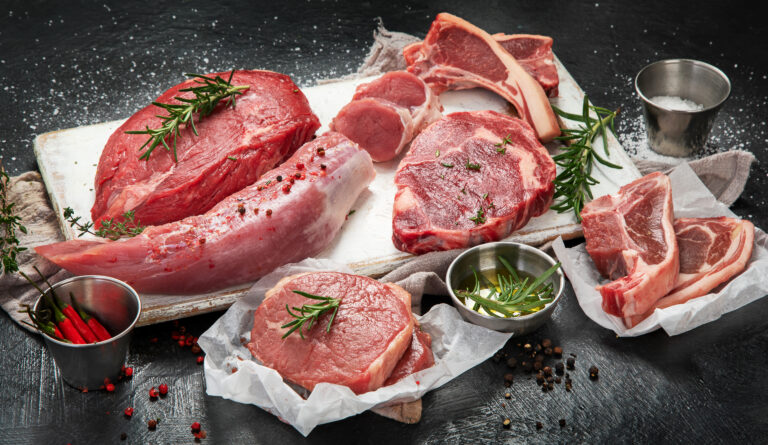
How Long Can Thawed Ground Beef Stay in the Fridge?
USDA guidelines say thawed ground beef stays safe 1-2 days in the fridge. Learn safe thawing methods, spoilage signs, and storage tips.

Thawed ground beef stays safe in the refrigerator for one to two days, according to USDA guidelines. That’s your window from the moment it finishes thawing until you need to cook it or toss it out.
This timeline applies whether you thawed it in the fridge, cold water, or microwave. Once defrosted, the clock starts ticking on bacterial growth, and you don’t want to push your luck beyond that two-day mark.
Disclosure: As an Amazon Associate, this site earns from qualifying purchases. Thank you!
Why Thawed Ground Beef Spoils Faster Than Fresh
Ground beef has more surface area exposed to bacteria than whole cuts. Every time you grind meat, you’re spreading any surface bacteria throughout the entire batch. Freezing doesn’t kill these bacteria; it just puts them in a dormant state.
When you thaw ground beef, those bacteria wake up and start multiplying again. The grinding process also damages cell structures, releasing moisture and nutrients that bacteria love. This creates the perfect environment for rapid spoilage once temperatures rise above freezing.
Fresh ground beef typically lasts one to two days in the fridge from purchase. Thawed ground beef gets the same timeline because the thawing process doesn’t magically extend shelf life. You’re basically resetting the clock to where fresh ground beef starts.
Safe Thawing Methods That Actually Matter
The way you thaw ground beef directly affects both safety and quality. You’ve got three USDA-approved methods, and each has different implications for your two-day storage window.
Refrigerator Thawing
This is the safest method, hands down. Place your frozen ground beef on a plate or in a container to catch drips, then let it thaw in the fridge at 40°F or below. A pound of ground beef takes about 24 hours to fully thaw this way.
The major advantage here is that your meat stays at safe temperatures throughout the process. Once thawed, you get the full one to two days in the fridge before you need to cook it. You can even refreeze refrigerator-thawed ground beef if you change your dinner plans, though you’ll lose some quality.
Cold Water Thawing
Place your sealed ground beef package in a leak-proof bag and submerge it in cold tap water. Change the water every 30 minutes to keep it cold. A pound of ground beef thaws in about an hour with this method.
You must cook ground beef thawed this way immediately after it’s defrosted. Don’t let it sit in the fridge for later. The temperature fluctuations during cold water thawing create conditions where bacteria can start multiplying faster than with refrigerator thawing.
Microwave Thawing
Use your microwave’s defrost setting and cook the ground beef immediately after thawing. Some areas of the meat might start cooking during the defrost cycle, which puts those sections in the bacterial danger zone (40°F to 140°F).
Microwave-thawed ground beef should never go back in the fridge for later use. Cook it right away and then refrigerate the cooked meat if you need to store it.
Recognizing Spoiled Ground Beef
Your senses are reliable tools for catching spoiled ground beef. Don’t rely on dates alone. Check for these clear warning signs before cooking.
Fresh ground beef appears bright red on the outside and may look gray-brown in the center where oxygen hasn’t reached. This color difference is normal. Spoiled ground beef turns brown or gray throughout, sometimes with patches of green or white.
Smell is your best indicator. Fresh ground beef has a mild, slightly metallic scent. Spoiled meat gives off a sour, ammonia-like odor that’s unmistakable. If you catch a whiff of anything rancid or off-putting, throw it out.
Texture matters too. Fresh ground beef feels cool and slightly moist, but not slimy. If your thawed ground beef has a sticky or slimy coating, bacterial growth has progressed too far. That slime is biofilm created by bacteria colonies.
Trust your instincts. If something seems off about your thawed ground beef, don’t talk yourself into using it. The cost of replacing ground beef is nothing compared to a case of food poisoning.
Maximizing Your Two-Day Window
Keep your refrigerator at 40°F or below. Most home fridges run a bit warmer than ideal, especially if you open the door frequently. Get a refrigerator thermometer and check it regularly.
Store thawed ground beef on the lowest shelf in the coldest part of your fridge. This is usually the back, away from the door. The lower shelf placement also prevents any drips from contaminating other foods below.
Keep the meat in its original packaging if it’s intact, or transfer it to an airtight container. Exposure to air accelerates oxidation and bacterial growth. A good glass food storage container works better than plastic wrap alone.
Don’t crowd your refrigerator. Good air circulation keeps temperatures consistent throughout. If cold air can’t flow around your food, warm spots develop where bacteria thrive.
What to Do If You Can’t Cook It in Time
You can refreeze ground beef that was thawed in the refrigerator, even if you haven’t cooked it yet. The quality will suffer with ice crystal formation and moisture loss, but it’s safe.
Cooking it first is the better option. Brown your ground beef, let it cool, then freeze it in portion-sized containers. Cooked ground beef stays good in the freezer for two to three months and thaws much faster than raw meat.
I prefer cooking ground beef before freezing because it saves time on busy weeknights. You can add it straight from frozen into sauces, soups, and casseroles. Pre-seasoning before freezing makes it even more convenient.
A vacuum sealer dramatically extends freezer life by preventing freezer burn. If you buy ground beef in bulk, this tool pays for itself quickly.
How Packaging Affects Storage Life
Ground beef sold in tubes lasts just as long as tray-packed ground beef once thawed. The packaging difference affects price and convenience, not safety timelines.
Vacuum-sealed ground beef from butcher shops gives you no extra time once thawed. The vacuum seal protects against freezer burn during storage, but once you break that seal and thaw the meat, you’re back to the standard one to two days.
Modified atmosphere packaging (MAP) used by some retailers extends fresh ground beef shelf life by replacing oxygen with carbon dioxide and nitrogen. This only works for fresh, never-frozen meat. Once you freeze and thaw MAP-packaged ground beef, the protective atmosphere is gone.
The Difference Between Sell-By and Use-By Dates
Sell-by dates tell retailers when to rotate stock, not when the meat becomes unsafe. Ground beef often stays good for one to two days past its sell-by date if kept properly refrigerated and never frozen.
Use-by dates are quality indicators, not safety deadlines for most foods. For ground beef, treat them more seriously than sell-by dates, but your senses still trump printed dates.
When you freeze ground beef, those dates become irrelevant. The one to two day countdown starts fresh when you thaw the meat, regardless of how close it was to its original date when frozen.
Special Considerations for Different Fat Contents
Higher-fat ground beef (73/27 or 80/20) doesn’t spoil faster than lean ground beef (90/10 or 93/7) within the two-day window. Both follow the same USDA guidelines for refrigerator storage after thawing.
Fat does oxidize and turn rancid over time, which affects flavor before it affects safety. This matters more for longer freezer storage than short-term refrigeration. Keep fattier ground beef in the freezer for no more than three months for best quality.
Lean ground beef loses moisture faster during thawing and cooking. If you’re comparing grass-fed versus grain-fed beef, grass-fed tends to be leaner and benefits from more careful handling to prevent dryness.
Proper Cooking Temperature
Cook ground beef to an internal temperature of 160°F. This kills harmful bacteria like E. coli and Salmonella that may have grown during storage. Color is not a reliable indicator of doneness.
Get a good instant-read meat thermometer. Guessing at doneness based on appearance is risky with ground beef. Insert the thermometer into the thickest part of your burger or the center of your meatloaf to check temperature.
Cooked ground beef stays safe in the refrigerator for three to four days, much longer than raw. You can also freeze cooked ground beef for two to three months without significant quality loss.
Meal Prep Strategies
Buy ground beef on sale and freeze it in meal-sized portions. One pound works perfectly for most recipes serving four people. Flatten packages before freezing so they thaw faster.
Label everything with the date you froze it. Frozen ground beef maintains best quality for three to four months. It stays safe indefinitely at 0°F, but quality degrades over time.
Thaw only what you’ll use within two days. Breaking a large package into smaller portions before freezing gives you flexibility. You’re not stuck thawing three pounds when you only need one.
Consider cooking ground beef straight from frozen. It takes longer and requires lower heat to prevent burning the outside while the inside cooks, but it’s completely safe. This works great for recipes where you crumble the meat anyway.
Restaurant and Food Service Standards
Commercial kitchens follow the same USDA guidelines. Restaurants must use or discard thawed ground beef within one to two days. They often have stricter internal policies to maintain quality standards.
Professional kitchens typically use FIFO (first in, first out) rotation systems. The oldest thawed meat gets used first. Home cooks should adopt this approach when storing multiple packages.
Food service operations date-label everything. You should too. Write the thaw date on your container with a permanent marker or use masking tape labels. This removes guesswork.
Common Myths About Ground Beef Storage
Freezing doesn’t kill bacteria. This is probably the most dangerous misconception. Freezing pauses bacterial growth but doesn’t eliminate existing bacteria. Proper cooking is what kills bacteria.
Rinsing thawed ground beef doesn’t extend its shelf life or make it safer. You’re actually more likely to spread bacteria around your sink and counters. Skip the rinse and focus on proper cooking temperature.
Marinating doesn’t preserve ground beef longer. Acids in marinades can slow bacterial growth slightly on the surface, but ground beef is mixed throughout. The two-day limit still applies.
Your nose can’t detect all harmful bacteria. Some dangerous pathogens don’t produce noticeable odors in their early stages. Follow time guidelines even if the meat smells fine.
Frequently Asked Questions
Can I refreeze ground beef after thawing it in the fridge?
Yes, you can refreeze ground beef that was thawed in the refrigerator, even if you haven’t cooked it. The USDA confirms this is safe as long as the meat was thawed at 40°F or below and hasn’t been sitting in the fridge longer than two days. Expect some quality loss from ice crystals and moisture loss, but the meat remains safe to eat. Ground beef thawed by cold water or microwave methods must be cooked before refreezing.
How can I tell if ground beef went bad in the freezer?
Ground beef doesn’t spoil in the freezer if kept at 0°F, but it suffers freezer burn after three to four months. Look for grayish-brown patches, ice crystals inside the package, and a dried-out appearance. Freezer-burned ground beef is safe but tastes off and has a tough, chewy texture. Trim away affected areas before cooking or use the meat in heavily seasoned dishes where texture matters less.
Is gray ground beef in the middle safe to eat?
Yes, gray or brown ground beef in the center of the package is perfectly safe. This color change happens because oxygen hasn’t reached the interior meat. Only the outer layer exposed to air maintains that bright red color from oxymyoglobin. If the entire package is gray or brown and smells sour, that indicates spoilage. Fresh ground beef with a gray center but red exterior is completely normal.
Can I thaw ground beef on the counter?
Never thaw ground beef at room temperature. Bacteria multiply rapidly between 40°F and 140°F, the danger zone for food safety. Even if the center stays frozen, the outer portions warm up and become breeding grounds for pathogens. Stick with refrigerator thawing for safety, or use cold water or microwave methods if you’re in a hurry. Room temperature thawing isn’t worth the risk of food poisoning.
The Real Bottom Line on Ground Beef Storage
Don’t gamble with thawed ground beef beyond two days. The USDA sets these guidelines based on decades of food safety research, not guesswork. Your fridge isn’t sterile, and bacteria don’t care about your dinner plans.
Refrigerator thawing gives you the most flexibility and safety. Plan ahead when possible. If you’re consistently finding yourself with thawed ground beef you can’t use in time, adjust your buying and freezing strategy.
Keep your ground beef handling practices tight from purchase through cooking. A reliable thermometer, proper refrigerator temperature, and clear labeling prevent waste and keep your family safe. The small effort of tracking dates and temperatures is worth avoiding food poisoning.
This article contains affiliate links. If you purchase through these links, we may earn a small commission at no extra cost to you.