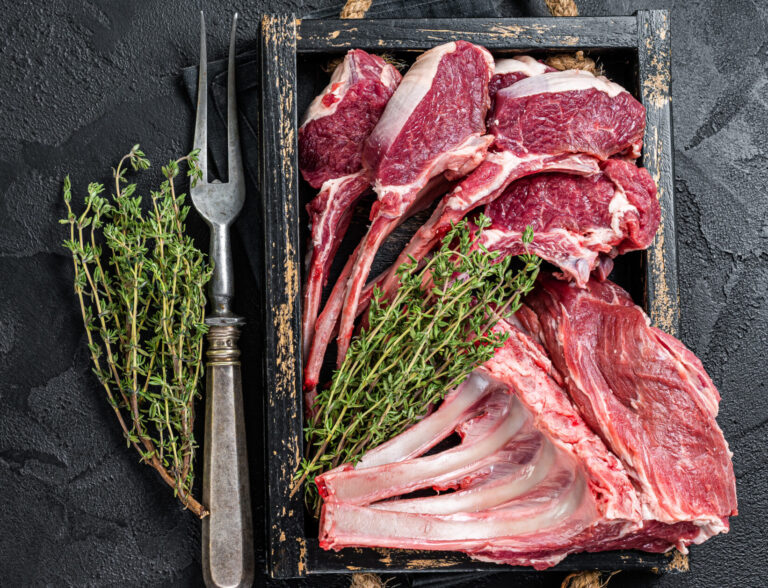
How to Reheat Pork Chops Without Drying Them Out
Four proven methods to reheat pork chops and keep them juicy: oven with broth, skillet sear, microwave hack, and sous vide. Includes temps and times.

Leftover pork chops get a bad reputation because most people reheat them wrong. The secret isn’t just about adding heat back, it’s about adding moisture at the same time.
Disclosure: As an Amazon Associate, this site earns from qualifying purchases. Thank you!
Why Pork Chops Dry Out When Reheated
Pork chops contain very little fat compared to other cuts, especially if you’re working with center-cut loin chops. During the initial cooking, they’ve already lost moisture. Reheating just continues that dehydration process unless you actively counteract it.
The internal temperature matters more than you think. Pork chops were already cooked to 145°F, which is the safe minimum. Every degree you go above that during reheating squeezes out more juice. Your goal is to warm them through without overcooking them further.
Thickness plays a huge role too. A thin chop reheats faster but also dries out faster. A thick-cut bone-in chop gives you more room for error because the bone helps distribute heat more evenly.
Method 1: Oven Reheat with Broth (Best for Multiple Chops)
This is my top recommendation for reheating more than two pork chops at once. You’ll get consistently juicy results every time.
Preheat your oven to 250°F. Place your pork chops in a baking dish with sides, leaving a bit of space between each one. Pour in chicken or vegetable broth until it comes about halfway up the sides of the chops, roughly 1/4 to 1/2 cup depending on how many you’re reheating.
Cover the dish tightly with aluminum foil. This traps steam and creates a gentle, moist heat environment. Slide it into the oven for 15-20 minutes for thin chops or 25-30 minutes for thick ones.
Check the internal temperature with an instant-read thermometer. You’re aiming for 120-130°F, not the full 145°F, because carryover heat will bring it up those last few degrees after you remove them. This prevents overshooting and drying them out.
The broth method works brilliantly because it essentially braises the chops during reheating. You can add aromatics like garlic cloves, fresh thyme, or a bay leaf to the broth for extra flavor. Just like reheating tri-tip properly, keeping moisture in the environment makes all the difference.
Optional Finishing Touch
After removing the chops from the oven, pat them dry and sear them in a hot skillet for 30 seconds per side. This restores some of the exterior texture that steaming can soften. It’s an extra step, but it makes restaurant-quality leftovers.
Method 2: Skillet Sear Method (Best for 1-2 Chops)
The stovetop gives you more control and works perfectly for a quick lunch or dinner for one. You’ll need a lid for this method, which is crucial.
Heat a skillet over medium-low heat and add about a tablespoon of butter or oil. Once it’s melted and shimmering, place your pork chop in the pan. Add 2-3 tablespoons of water, broth, or even apple juice around the chop, not directly on top.
Immediately cover with a lid. This creates a mini-steam chamber. Cook for 3-4 minutes, flip the chop, add another splash of liquid, and cover again for another 3-4 minutes.
The combination of direct heat from the pan and steam from the liquid reheats the chop while keeping it moist. You get a slight sear on the outside and a juicy interior. Remove it the moment the center reaches 130°F.
This method works especially well if your original pork chops were grilled or pan-seared. You’re essentially recreating that cooking method but at lower heat and with added moisture protection.
Method 3: Microwave with Moisture Guard (Best for Speed)
Everyone says microwaving ruins pork chops, but that’s only true if you do it wrong. With the right technique, you can microwave pork chops in 2-3 minutes without turning them into hockey pucks.
Place the pork chop on a microwave-safe plate and add a tablespoon of water or broth next to it. Cover the entire plate with a damp paper towel, making sure it drapes over the edges of the chop. This creates a moisture barrier.
Microwave on 50% power, not full power. This is absolutely critical. Start with 1 minute, flip the chop, rearrange the damp paper towel, and microwave another 1-2 minutes depending on thickness.
Check the temperature in the thickest part. You want 130-135°F. Let it rest for a minute before eating. The microwave heats unevenly, but the resting time allows the temperature to equalize throughout the meat.
For boneless chops, slice them before microwaving. Smaller pieces reheat more evenly and faster, reducing the risk of creating dry edges while the center is still cold. You can check prices on digital meat thermometers on Amazon if you don’t already have one. They’re essential for any reheating method.
Method 4: Sous Vide Precision (Best for Perfect Results)
If you own a sous vide circulator, this method gives you foolproof results but requires planning ahead. Set your water bath to 130°F.
Place the pork chop in a vacuum-seal bag or zip-top freezer bag. Add a pat of butter or a drizzle of olive oil. Remove the air using the water displacement method by slowly lowering the bag into water, letting pressure push out the air before sealing.
Submerge the bag and reheat for 30-45 minutes. This might seem like a long time, but you literally cannot overcook the chop at 130°F. It’ll reach that temperature and stay there perfectly.
After sous vide reheating, dry the chop thoroughly and sear it in a screaming-hot cast iron skillet for 30 seconds per side. This restores the crust and adds those delicious Maillard flavors back.
This method works particularly well for expensive or perfectly-cooked chops like Berkshire pork chops where you really don’t want to mess up the reheating. You can browse sous vide circulators on Amazon to see current options and reviews.
Don’t Skip the Resting Period
Regardless of which method you use, let the pork chop rest for 2-3 minutes after reheating. This isn’t optional fussiness. Resting allows the proteins to relax and reabsorb some of the moisture that got pushed toward the surface during heating.
If you cut into a freshly reheated chop immediately, you’ll see all those precious juices run onto the plate. Wait those few minutes and they stay in the meat where they belong.
Should You Reheat Frozen Pork Chops Differently?
Thaw them first, always. Reheating from frozen leads to uneven results with overdone edges and a cold center. Move the chops from freezer to refrigerator the night before you plan to eat them.
If you’re truly in a pinch, you can use the oven method at 275°F with extra broth and extend the time by about 50%. But you’re gambling with texture at that point. Similar principles apply as when you’re reheating frozen cooked ribs, just scaled down for the smaller cut.
What About Breaded or Crusted Pork Chops?
These need a different approach because you want to maintain the crispy coating. Skip any methods involving steam or moisture covers.
Use your oven at 375°F on a wire rack set inside a baking sheet. This allows hot air to circulate all around the chop. Reheat for 10-12 minutes, flipping halfway through. The higher temperature crisps the exterior while the shorter time prevents the interior from drying out.
You can also use an air fryer at 350°F for 5-7 minutes. Spray or brush the coating lightly with oil before reheating to help it crisp up. Check the internal temperature to make sure you hit 130°F in the center.
Temperature Monitoring Is Non-Negotiable
Buy a reliable instant-read thermometer if you don’t have one. Guessing leads to dry, overcooked pork every single time.
Insert the thermometer into the thickest part of the chop, avoiding the bone if there is one. Bones conduct heat differently than meat and will give you a false reading. You’re looking for 130-135°F during reheating, knowing it’ll climb another 5 degrees during resting.
The USDA recommends 145°F for pork safety, but that’s for cooking raw meat. Your leftovers were already cooked to that temperature the first time. During reheating, you just need to bring them back to a pleasant eating temperature without cooking them further.
Sauce Strategies for Extra Insurance
A good sauce can cover a multitude of sins, but it’s better used as enhancement rather than emergency moisture. Apple cider pan sauce, mushroom gravy, or a tangy mustard cream sauce all pair beautifully with reheated pork chops.
Make your sauce while the chops reheat. When you plate them, spoon the sauce over the top immediately. The warm sauce adds both flavor and moisture right where you’re about to cut into the meat.
Chimichurri or salsa verde also work great as bright, fresh toppings that make day-old pork taste vibrant again. Keep these herb sauces in your fridge and they’ll rescue countless leftover proteins beyond just pork.
Storage Tips That Help With Reheating Later
How you store cooked pork chops affects how well they’ll reheat. Cool them quickly after the initial cooking, then wrap each chop individually in plastic wrap before putting them in an airtight container.
The individual wrapping prevents moisture loss and freezer burn if you’re freezing them. It also makes it easier to reheat just one or two chops without exposing the others to temperature changes.
Use refrigerated pork chops within 3-4 days. In the freezer, they’ll maintain quality for 2-3 months. Label everything with the date so you’re not playing guessing games three weeks later.
Store any sauce or gravy separately from the chops. Adding it before storage can make the meat soggy and create food safety concerns during reheating.
Common Mistakes That Guarantee Dry Chops
Using high heat is the biggest killer. People think cranking the heat will speed things up, but it just creates a texture gradient from leather on the outside to barely warm in the center.
Skipping the cover or moisture addition ranks second. Dry heat pulls moisture out of the meat into the surrounding air. You need either steam, liquid, or a covering to trap moisture.
Reheating straight from the refrigerator creates problems too. Let the chops sit at room temperature for 15-20 minutes before reheating. This reduces the temperature differential and promotes more even heating.
Finally, reheating the entire meal together rarely works. Your vegetables and starches need different temperatures and times than your protein. Reheat components separately and plate them together.
My Personal Method Ranking
After reheating hundreds of pork chops using every method imaginable, here’s my honest ranking. The oven with broth method wins for consistency and quality when you’re reheating multiple chops. It’s nearly impossible to mess up.
The skillet method takes second place for speed and convenience with one or two chops. You get great results in under 10 minutes with equipment everyone already owns.
Sous vide is technically the most precise, but the equipment requirement and time commitment knock it down to third. Save it for special occasions or when you’re batch-cooking for the week.
The microwave method is last, not because it’s bad, but because the margin for error is smaller. It absolutely works if you follow the technique exactly, but most people won’t. They’ll rush it at full power and wonder why their pork turned out terrible.
What to Serve with Reheated Pork Chops
Pairing reheated pork with the right sides makes the meal feel intentional rather than like eating leftovers. Roasted Brussels sprouts with bacon, garlic mashed potatoes, or a simple arugula salad with lemon vinaigrette all work beautifully.
If your pork chops came out slightly drier than ideal despite your best efforts, serve them with something creamy or saucy. Mac and cheese, creamed spinach, or scalloped potatoes add richness that balances any textural shortcomings in the meat.
Fresh vegetables with high water content like cucumber salad or sliced tomatoes also help. The cool, crisp contrast makes each bite of pork feel juicier than it might actually be.
Using a Cast Iron Skillet for Better Results
Cast iron retains and distributes heat more evenly than thin stainless steel or nonstick pans. This matters when you’re trying to gently reheat without creating hot spots.
The thermal mass of cast iron means once it reaches your target temperature, it stays there. You get consistent gentle heat that warms the chop through without scorching the bottom.
If you’re shopping for cookware, a good cast iron skillet makes a difference for this and many other cooking tasks. You can find options ranging from budget-friendly to heirloom quality on Amazon’s cast iron selection.
Frequently Asked Questions
Can you reheat pork chops more than once?
Technically yes, but quality degrades rapidly with each reheating cycle. Each time you heat and cool meat, you lose more moisture and risk bacterial growth if you’re not careful about temperatures. Reheat only what you’ll eat in one sitting. If you know you’ll want multiple small meals from your leftovers, portion them out before the first reheating and only warm one portion at a time.
How long do reheated pork chops stay good?
Once you’ve reheated pork chops, eat them within 2 hours if they’re sitting at room temperature. If you refrigerate them after reheating, use them within 24 hours maximum. The quality drops significantly and food safety becomes a bigger concern with each cooling and reheating cycle. It’s better to store them cold and reheat once rather than reheating, storing, and reheating again.
What’s the best way to add moisture back to already-dry pork chops?
You can’t truly put moisture back into overcooked meat fibers, but you can mask the dryness. Slice the dry chop thinly against the grain and toss the pieces in a pan sauce or gravy. The thin slices have more surface area to absorb the liquid. Another option is to chop the meat and use it in tacos, sandwiches, or salads where other moist ingredients compensate. Add barbecue sauce, ranch dressing, or a creamy coleslaw to distribute moisture throughout each bite.
Is it better to reheat bone-in or boneless pork chops?
Bone-in chops reheat more evenly because the bone conducts heat into the center of the meat while the exterior heats from the outside. This creates a more gradual temperature rise and reduces the risk of dried-out edges with a cold center. Boneless chops are more convenient and reheat faster, but you have a smaller margin for error. If you have the choice and you’re concerned about maintaining juiciness, pick bone-in chops for your initial cooking and your leftovers will thank you.
Final Recommendations
Don’t overthink this. Pick the oven-with-broth method if you have 20 minutes, or use the skillet method if you need food in 10 minutes. Both work reliably well.
The real key isn’t the specific method but understanding the principles: gentle heat, added moisture, and stopping before you overshoot 135°F. Master those three things and you’ll never eat another dry leftover pork chop again.
Take a few extra minutes to do it right. The difference between sad, chewy leftovers and a legitimately delicious second meal is just proper technique. Your reheated pork chops can taste just as good as they did fresh off the stove.
This article contains affiliate links. If you purchase through these links, we may earn a small commission at no extra cost to you.