How to Use Wood Chips on a Charcoal Grill for Maximum Smoke Flavor
Master wood chips on your charcoal grill with foil packet methods, direct placement tips, and perfect timing for incredible smoke flavor without bitterness.

Adding wood chips to your charcoal grill transforms ordinary grilled food into something with deep, smoky flavor that rivals dedicated smokers. The technique is simple, but getting the timing and method right makes the difference between subtle smoke notes and an overpowering, acrid taste.
Most beginners overthink this process. You don’t need fancy equipment or a degree in thermodynamics. You just need to understand three basic methods and match them to what you’re cooking.
Disclosure: As an Amazon Associate, this site earns from qualifying purchases. Thank you!
Soaking vs. Dry Wood Chips: What Actually Works
The debate about soaking wood chips has been going on for decades, and I’m going to settle it for you right here. Don’t soak your chips unless you’re doing a very long cook (over 3 hours). The science is clear on this.
Water-logged wood chips don’t produce more smoke. They produce steam. The surface moisture needs to evaporate before the wood can reach the 570°F needed for proper combustion and smoke production. You’re just delaying the smoke, not extending it.
Dry chips ignite faster and start producing flavorful smoke within 5-10 minutes of hitting the coals. For most backyard grilling sessions (burgers, chicken, steaks, or chops), dry chips give you better control and more consistent results.
The one exception: if you’re doing a low and slow cook that runs 4-6 hours, soaked chips can buy you an extra 10-15 minutes of burn time per handful. Even then, many pitmasters prefer just adding dry chips more frequently.
The Foil Packet Method for Controlled Smoke
This is my go-to technique for most grilling because it gives you the most predictable results. You’re creating a controlled environment where chips smolder instead of flaring up.
Take a sheet of heavy-duty aluminum foil about 12 inches long. Place 1-2 cups of dry wood chips in the center. Fold the foil into a flat packet, leaving the chips loose inside. Poke 8-10 holes in the top with a fork or knife tip.
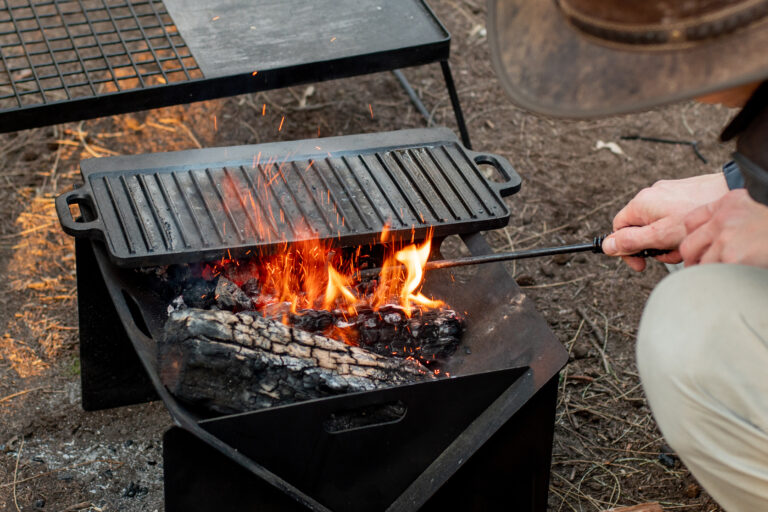
Place the packet directly on your lit charcoal once the coals are covered with white ash and you’ve got your two-zone fire set up. Position it on the hot side, slightly off to the edge rather than dead center. You want it hot enough to smoke but not so hot it combusts into flames.
The smoke will start within 10-15 minutes. You’ll see thin, bluish-white smoke wisps coming through the holes. That’s exactly what you want. Thick, white billowing smoke means the packet is too hot and you’re getting bitter creosote instead of clean smoke flavor.
One packet typically lasts 45-60 minutes, perfect for chicken breasts, pork chops, or a couple rounds of burgers. For longer cooks, prepare a second packet and add it when the first one stops producing visible smoke.
Direct Placement on Coals for Intense Flavor
Tossing wood chips directly onto hot charcoal gives you immediate, intense smoke. This method works best for cuts that cook quickly and can handle bold smoke flavor.
Wait until your charcoal is fully lit and ashed over. Sprinkle a small handful of dry chips (about 1/2 to 3/4 cup) directly onto the coals. They’ll ignite within 2-3 minutes and produce heavy smoke for about 15-20 minutes before burning out completely.
This technique shines for foods that spend 20-30 minutes on the grill, like thick ribeyes, lamb chops, or chicken thighs. The smoke hits hard and fast, which matches the cooking time perfectly. You get pronounced smoke flavor without having to tend multiple packets.
The downside is less control. If you use too many chips at once, you’ll get flames and possibly bitter flavors. Start with a small handful and add more only if you want additional smoke later in the cook. Remember, you can always add more smoke, but you can’t take it away once it’s absorbed into the meat.
Using a Charcoal Basket or Smoker Box
A dedicated charcoal smoker box gives you the benefits of the foil packet method with better durability and airflow. These stainless steel boxes sit right on your coals and create consistent smoke for extended periods.
Fill the box about three-quarters full with dry chips. Don’t pack them tight since you need air circulation for proper smoldering. Place the closed box directly on your hot coals on the opposite side from where your food sits (assuming you’re using indirect heat).
Quality smoker boxes hold more chips than a foil packet and can smoke for 90 minutes or longer. They’re especially useful if you’re cooking something like ribs or a whole chicken that needs 2-3 hours on the grill. Check current prices on a smoker box and you’ll find options that last for years of regular use.
Keep in mind that metal boxes take slightly longer to start producing smoke compared to foil packets (15-20 minutes vs. 10-15). Plan accordingly and get your box on the coals before you put your meat on the grill grates.
Matching Wood Types to What You’re Grilling
Different woods create distinctly different flavors, and matching them to your protein matters more than most people think.
Hickory and mesquite are the heavyweight champions of smoke flavor. Hickory delivers a strong, bacon-like taste that pairs beautifully with pork and beef. Mesquite is even more intense with an earthy, almost spicy quality. I use mesquite sparingly because it can overwhelm delicate foods, but it’s fantastic for beef, especially when you’re going for that Texas barbecue vibe.
Apple and cherry woods offer sweeter, milder smoke that works with everything. Apple is my top choice for chicken and pork because it adds complexity without dominating the natural meat flavor. Cherry gives you a beautiful mahogany color along with a subtle, fruity note that’s excellent for poultry and pork.
Oak sits right in the middle of the spectrum. It’s versatile enough for any meat and gives you solid smoke flavor without being aggressive. Many professionals use oak as their base and then add small amounts of fruitwoods for complexity.
Avoid softwoods like pine, cedar, or spruce. They contain resins that create harsh, chemical-tasting smoke that ruins food. Stick with hardwoods from fruit or nut trees, and you’ll always get good results.
Timing Your Wood Chip Addition for Best Results
Understanding when to add chips during your cook separates mediocre results from restaurant-quality smoke flavor. Meat absorbs smoke most readily during the first 30-60 minutes of cooking, while the surface is still moist and temperatures are rising.
Add your first batch of chips (whether in a packet, directly on coals, or in a smoker box) right after you put your meat on the grill. This is when you want maximum smoke exposure. The cool, wet surface of the meat acts like a magnet for smoke particles.
For cooks under an hour, one application of chips is plenty. Adding more just wastes wood and can create too much smoke flavor. Yes, too much smoke is definitely a thing, and it tastes like licking an ashtray.
For longer cooks (2+ hours), add a second round of chips at the halfway point. By then, the meat’s surface has dried somewhat and formed a light crust, which means it won’t absorb smoke as readily. You’re just maintaining a subtle smoke presence rather than building intense flavor.
Stop adding wood chips during the last 30-45 minutes of any cook. The meat has absorbed all the smoke it’s going to take, and additional smoke at this stage often creates bitter, sooty flavors that coat the exterior.
Temperature Control With Wood Chips
Adding wood chips affects your grill temperature, and ignoring this causes problems. A foil packet has minimal impact since the chips smolder slowly inside. Direct placement and smoker boxes can temporarily spike temperatures by 25-50°F as the wood ignites.
Account for this by adjusting your vents immediately after adding chips. Close the bottom vent slightly to reduce oxygen flow and prevent temperature spikes. Once the initial flare-up passes and you see steady smoke, readjust vents to maintain your target temperature.
For low and slow cooking around 225-250°F, use the foil packet method or a smoker box. Direct placement generates too much heat too quickly for maintaining steady low temperatures. You’ll end up fighting temperature swings instead of focusing on your cook.
For hot and fast grilling at 350-450°F, direct placement works perfectly. The extra heat from burning chips is negligible compared to your base fire temperature. Just make sure you’re using a two-zone setup with your food on the indirect side to prevent flare-ups from dripping fat.
How Much Smoke Is Enough?
Thin, almost transparent smoke is what you’re after. It should look bluish or light gray and smell pleasant, like wood burning in a fireplace. This clean smoke contains the flavor compounds you want without the harsh creosote that comes from incomplete combustion.
Thick, white smoke means something is wrong. Either your chips are too wet, you’ve used too many at once, or they’re not getting enough oxygen. This smoke tastes bitter and acrid. If you see billowing white clouds, remove some chips or increase airflow through your vents.
You don’t need constant visible smoke throughout the entire cook. Some of the best barbecue happens with smoke that’s nearly invisible. Trust your nose more than your eyes. If you can smell pleasant wood smoke, it’s working even if you barely see it.
Start with less smoke than you think you need. You can always cook with more chips next time, but you can’t fix meat that tastes like a campfire. Most beginners use three times more wood than necessary and wonder why their food tastes harsh.
Avoiding Common Wood Chip Mistakes
The biggest error people make is using green or treated wood. Only use chips specifically sold for cooking. Lumber scraps, construction waste, and fresh-cut branches contain chemicals, moisture, and resins that create toxic smoke. Buy proper cooking wood chips and skip the improvisation.
Another mistake is adding chips too frequently. Every time you lift the lid to toss in another handful, you lose heat and extend your cooking time. You also don’t gain meaningful smoke penetration after the first hour. Add chips once or twice per cook maximum, and resist the urge to fuss with them constantly.
Don’t mix too many wood varieties in one cook. Combining hickory, mesquite, and cherry sounds like it would create complex flavor, but it usually just creates muddy, confused taste. Pick one or maybe two complementary woods and stick with them. Simple is better.
Piling chips into mountains on your coals is wasteful and counterproductive. A small handful (half to one cup) produces plenty of smoke for 45-60 minutes. More than that just smothers your fire, reduces oxygen, and creates dirty smoke. Spread your chips in a single layer rather than heaping them up.
Preparing Your Charcoal Grill for Smoking
Set up a proper two-zone fire before you even think about wood chips. Bank all your lit coals to one side of the grill, leaving the other side empty. This indirect zone is where your food goes, while wood chips sit on or near the coals on the direct heat side.
Use a charcoal chimney to get your coals started evenly. Once they’re ashed over (about 15-20 minutes), pour them into your grill and add your wood chips using your chosen method. Wait another 10 minutes for the chips to start smoking before adding food.
Place a water pan on the indirect side underneath where your food will sit. This isn’t just for moisture (though that helps). The water moderates temperature swings and creates a more stable cooking environment. Fill it with hot water so it doesn’t sap heat from your fire.
A good grill cover keeps your equipment in top shape between cooks, but during the cook itself, keep the lid closed except when adding chips or checking doneness. Every peek drops the temperature by 25-50°F and adds 5-10 minutes to your cooking time.
Troubleshooting Smoke Flavor Issues
If your food tastes bitter or acrid, you’ve used too much smoke or the wrong kind of smoke. Cut back to half the amount of chips next time, and make sure you’re seeing thin, clean smoke rather than thick white billows. Bitter flavors also develop when you add chips too late in the cook or use them on meat that’s already fully cooked.
Food with barely any smoke flavor means your chips burned too quickly or you didn’t use enough. This happens most often with direct placement on very hot coals. Try the foil packet method instead, or add chips earlier in the cook when the meat surface is more receptive.
Uneven smoke flavor (one side smoky, one side bland) comes from poor chip placement or not rotating your food. Position your chips so smoke flows across all the meat, not just one section. Rotating food halfway through the cook helps, though it costs you some heat.
If your chips keep catching fire instead of smoldering, you’re placing them in too hot a zone or using too small a quantity. Move them slightly away from the hottest coals, use the foil packet method, or close your vents partially to reduce oxygen.
Pairing Smoke Flavor With Different Cuts
Fattier cuts like pork belly, beef brisket, and pork shoulder can handle aggressive smoke because the fat mellows the intensity. Use stronger woods like hickory or mesquite, and don’t worry about going a bit heavy on the chips.
Lean proteins like chicken breasts, fish, and pork tenderloin need gentler smoke. Fruitwoods work best here, and you should use about half the chips you’d use for beef or pork. These cuts absorb smoke quickly and can easily become overpowered.
Medium-fat cuts like chicken thighs, lamb chops, and pork chops fall in the middle. Oak or apple chips in moderate amounts give you excellent results. These are the most forgiving cuts for experimenting with smoke levels.
Burgers benefit from just a kiss of smoke, about 15-20 minutes total. Any more and the smoke dominates the beef flavor. Use a single small handful of chips placed directly on the coals right when the patties hit the grill.
Maintaining Equipment Between Smoking Sessions
Wood ash and creosote buildup affects smoke flavor over time. After every 3-4 smoking sessions, deep clean your grill grates and scrape the inside walls of built-up residue. Old, rancid smoke deposits create off-flavors in future cooks.
Empty your ash catcher after each use once everything has cooled completely. Ash absorbs moisture and can corrode the bottom of your grill if left sitting. It also restricts airflow for your next cook, making temperature control harder.
If you use a metal smoker box, clean it thoroughly between uses. Burnt chip residue insulates the metal and reduces effectiveness. Soak it in hot, soapy water and scrub with a wire brush. A clean box produces better, more consistent smoke.
Check your grill vents and make sure they open and close smoothly. Sticky vents prevent proper temperature and smoke control. A quick spray of high-heat oil on the vent mechanisms keeps everything moving freely. Just like maintaining other cooking equipment, regular care extends the life of your grill.
Frequently Asked Questions
Should I soak wood chips before using them on a charcoal grill?
Skip soaking for most backyard grilling. Dry chips produce clean smoke faster and give you better control over smoke levels. Soaked chips just create steam for the first 15-20 minutes before they dry out enough to actually smoke. The only time soaking makes sense is for extremely long cooks over 4 hours where you want to slightly extend burn time, but even then, most experienced grillers prefer adding dry chips more frequently.
How many wood chips should I use on a charcoal grill?
Start with one cup of dry chips for a typical 45-60 minute cook. This produces plenty of smoke flavor without overwhelming your food. For longer cooks, add another half cup at the halfway point. Less is more with smoke. You can always use more chips next time if you want stronger flavor, but you can’t fix food that tastes like an ashtray. Most beginners use three times too many chips and end up with bitter, harsh flavors.
What’s the best wood chip method for smoking on a charcoal grill?
The foil packet method gives you the most consistent results for typical backyard grilling. It provides controlled, steady smoke for 45-60 minutes without temperature spikes or flame-ups. Wrap 1-2 cups of dry chips in heavy-duty foil, poke holes in the top, and place it directly on your hot coals. Direct placement works well for short, hot cooks under 30 minutes, while a dedicated smoker box is worth the investment if you smoke frequently.
Can you put wood chips directly on charcoal?
Yes, and it works great for quick cooks. Sprinkle a small handful (half to three-quarters cup) of dry chips directly onto fully lit, ashed-over coals. They’ll ignite within 2-3 minutes and produce intense smoke for 15-20 minutes. This method delivers bold smoke flavor fast, perfect for steaks, burgers, or chops that cook in 20-30 minutes. Just don’t use too many at once or you’ll get flames and bitter smoke instead of clean, flavorful smoke.
Final Recommendations
Master the foil packet method first. It’s reliable, forgiving, and works for 80% of what you’ll cook on your charcoal grill. Once you’re comfortable with smoke levels and timing, experiment with direct placement for steaks and chops where you want intense, quick smoke.
Buy a variety pack of wood chips so you can match wood type to what you’re cooking. Apple and cherry are your everyday workhorses for chicken and pork. Keep hickory on hand for beef and ribs. Skip mesquite until you know what you’re doing since it’s easy to overdo.
Remember that smoke is a seasoning, not the main event. The goal is enhancing meat flavor, not covering it up. Start light, pay attention to results, and adjust your technique based on what you taste. Within 3-4 cooks, you’ll develop an intuition for exactly how much smoke your palate prefers.
This article contains affiliate links. If you purchase through these links, we may earn a small commission at no extra cost to you.