Ribeye vs Sirloin: Which Steak Cut Is King of the Grill?
Ribeye delivers rich flavor and tenderness while sirloin offers lean, beefy taste at better value. Compare marbling, cooking methods, and find your winner.

Disclosure: As an Amazon Associate, this site earns from qualifying purchases. Thank you!
Why Ribeye and Sirloin Battle for Your Grill
You can’t go wrong with either ribeye or sirloin on your grill, but these two cuts deliver completely different experiences. Ribeye brings rich, buttery flavor with plenty of fat marbling, while sirloin offers a leaner, beefier taste that won’t break the bank. Understanding what sets them apart will help you choose the right steak for your next cookout.
Both cuts come from different parts of the cow and have distinct personalities. Ribeye comes from the rib section (ribs six through twelve), where the muscle doesn’t work as hard. Sirloin comes from the rear back portion, closer to the round. This location difference explains why they look, taste, and cook so differently.
Marbling: Where Ribeye Takes the Lead
Ribeye wins the marbling contest without question. Those white streaks of intramuscular fat running throughout the meat create an incredibly juicy, flavorful steak. The fat melts during cooking, basting the meat from the inside and creating that rich, almost decadent taste ribeye lovers crave.
You’ll find varying degrees of marbling in ribeye, especially between USDA grades. Prime ribeye has the most marbling, followed by Choice, then Select. Even a Select ribeye typically has more fat than most sirloin cuts.
Sirloin is much leaner by comparison. You might see thin streaks of fat, but nothing like the dramatic marbling of ribeye. This makes sirloin a healthier option for people watching their fat intake, but it also means you need to be more careful during cooking. Less fat means less margin for error, and overcooked sirloin gets tough fast.
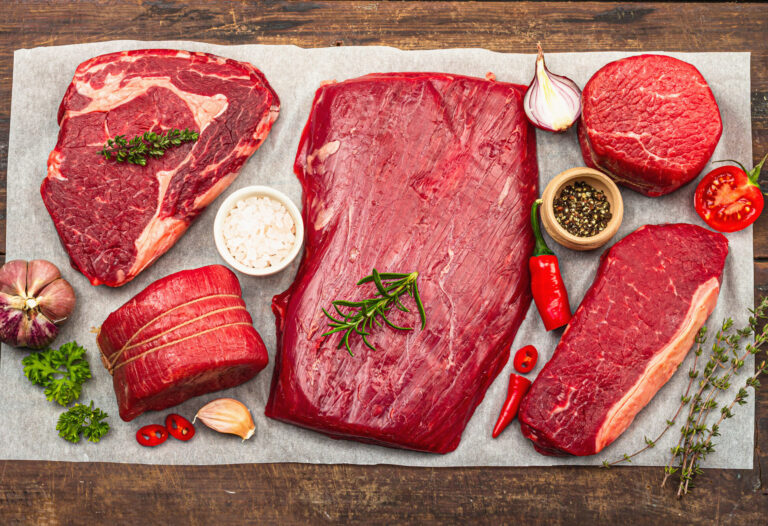
The differences between ribeye and sirloin become immediately obvious when you look at raw steaks side by side.
Flavor Profile: Two Different Steak Experiences
Ribeye delivers intense, beefy flavor with a buttery richness. The high fat content creates complexity that fills your mouth and lingers after each bite. Many steak enthusiasts consider ribeye the most flavorful cut you can buy. The fat doesn’t just add moisture; it carries flavor compounds that make each bite memorable.
Sirloin offers cleaner, more straightforward beef flavor. It tastes meatier and less fatty, which some people actually prefer. You get the essence of beef without the richness that can sometimes feel heavy. Sirloin lets you taste the quality of the beef itself rather than being dominated by fat.
Your preference between these two often depends on what you’re pairing with your steak. Ribeye can stand alone with just salt and pepper because it has so much inherent flavor. Sirloin benefits from marinades, compound butters, or flavorful sauces that complement rather than compete with the meat.
Tenderness: A Clear Winner Emerges
Ribeye is significantly more tender than sirloin. Those fat deposits not only add flavor but also create a softer texture. You can cut ribeye with a regular dinner knife, and it practically melts in your mouth when cooked properly.
Sirloin has a firmer, chewier texture because the muscles in that area work harder during the cow’s life. It’s not tough by any means if you cook it correctly, but it definitely has more resistance than ribeye. Top sirloin tends to be more tender than bottom sirloin, which can get quite chewy if you’re not careful.
This tenderness difference matters more depending on how you like your steak cooked. Ribeye stays relatively tender even at medium doneness. Sirloin really needs to be cooked to medium-rare or rare to maintain good texture. Push sirloin past medium and you’ll be working your jaw muscles.
Best Cooking Methods for Each Cut
Grilling Ribeye
Ribeye thrives on high, direct heat. The fat content means you can handle aggressive temperatures without drying out the meat. Preheat your grill to 450-500°F and cook your ribeye for 4-5 minutes per side for a 1-inch thick steak, aiming for an internal temperature of 130-135°F for medium-rare.
Watch for flare-ups because that fat will drip and cause flames. Keep a spray bottle handy or have a cooler zone on your grill where you can move the steak if things get too intense. Those flare-ups add flavor but can also char the outside before the inside cooks through.
Let your ribeye rest for at least 5 minutes after grilling. This redistributes the juices throughout the meat. Ribeye is forgiving enough that you can even cook it to medium without sacrificing too much tenderness.
Grilling Sirloin
Sirloin needs a slightly gentler approach. You still want high heat (around 400-450°F), but you can’t leave it on as long. For a 1-inch sirloin, cook 3-4 minutes per side and pull it at 125-130°F internal temperature. Carryover cooking will bring it up another 5 degrees.
Consider using a two-zone fire setup. Sear the sirloin over high heat for 2 minutes per side to get good grill marks, then move it to indirect heat to finish cooking. This prevents the outside from overcooking while the inside catches up.
Marinating sirloin for 2-4 hours before grilling adds both flavor and helps tenderize the meat. Acidic marinades with vinegar or citrus work particularly well. You can also use a meat tenderizer tool to break down some of those tougher muscle fibers.
A reliable instant-read thermometer is essential for sirloin because you have such a narrow window between perfectly cooked and overdone.
Other Cooking Options
Both cuts work well in a cast-iron skillet if grilling isn’t an option. Heat your pan until it’s smoking hot, add a high-smoke-point oil, and sear each side. You’ll get a beautiful crust that rivals any grill marks.
Reverse searing works excellently for thick ribeyes (1.5 inches or more). Cook the steak in a 275°F oven until it reaches 115°F internally, then sear it hard in a screaming hot pan or grill for 1-2 minutes per side. This method gives you perfect edge-to-edge doneness with a crispy exterior.
For sirloin, sous vide followed by a quick sear helps ensure you don’t overcook this less forgiving cut. Set your sous vide to 129°F for medium-rare, cook for 1-2 hours, then sear for 30-45 seconds per side in a ripping hot pan.
Nutritional Comparison
Sirloin wins the nutrition battle if you’re counting calories or watching fat intake. A 3-ounce serving of sirloin contains roughly 180 calories and 8 grams of fat. The same portion of ribeye packs about 240 calories and 18 grams of fat.
Both cuts provide excellent protein, delivering around 23-25 grams per 3-ounce serving. They’re also good sources of iron, zinc, and B vitamins. The quality of beef matters too; grass-fed beef offers a better omega-3 to omega-6 ratio than grain-fed.
For a detailed breakdown, check out nutritional comparisons between different steak cuts.
If you’re choosing between sirloin steak and chicken for health reasons, sirloin actually holds its own while delivering far more flavor and satisfaction.
Value Considerations
Sirloin gives you more bang for your buck. You’ll typically pay significantly less per pound compared to ribeye. This makes sirloin an excellent choice for feeding a crowd or for regular weeknight dinners.
Ribeye costs more because of its superior marbling and tenderness. Some people call it a premium cut worth the splurge, especially for special occasions. You’re paying for that extra fat and the incredible eating experience it provides.
Both cuts vary in availability and quality. You can find both at any grocery store, but the grade and source make a huge difference. Prime grade ribeye from a quality butcher will cost substantially more than Select grade sirloin from a big-box store, but you’re comparing apples to oranges.
Check current pricing at your local butcher or compare ribeye options online to find the best value for your needs.
Different Varieties and What They Mean
Ribeye Variations
Boneless ribeye (also called ribeye steak) is what most people buy. It’s easier to cook evenly and portion consistently. Bone-in ribeye (also called cowboy steak or tomahawk when the bone is extra long) has additional flavor from the bone and makes for dramatic presentation.
The ribeye cap (spinalis dorsi) is the most tender, flavorful part of the ribeye. Some butchers sell this separately as “ribeye cap steak” or “spinalis steak.” If you see this available, grab it. Understanding the differences between rib steak and ribeye helps you make informed purchases.
Sirloin Variations
Top sirloin is the more desirable cut, coming from the upper portion of the sirloin. It’s more tender and flavorful than bottom sirloin. Top sirloin steak and top sirloin cap (picanha) are both excellent choices.
Bottom sirloin includes cuts like tri-tip, which benefits from longer cooking methods or slicing against the grain. Sirloin tip actually comes from the round and isn’t technically sirloin at all, despite the name.
For more context on how sirloin compares to other cuts, read about tenderloin versus sirloin.
Which Cut to Choose for Different Occasions
Choose ribeye when you want to impress guests, celebrate a special occasion, or treat yourself to the ultimate steak experience. It’s the showstopper that delivers maximum flavor and tenderness. Ribeye works best when you keep seasonings simple and let the meat shine.
Pick sirloin for regular family dinners, meal prep, or when you’re feeding multiple people on a reasonable budget. It’s also the better choice if you prefer leaner meat or plan to use bold marinades and sauces. Sirloin slices well for steak salads, fajitas, or stir-fries.
For weeknight grilling, sirloin keeps your grocery budget in check without sacrificing quality. For weekend cookouts where you want to wow people, ribeye justifies the extra expense. Both have their place in a well-rounded meat rotation.
If you’re exploring other premium cuts, compare filet mignon versus ribeye or porterhouse versus ribeye to expand your steak knowledge.
Common Mistakes to Avoid
Don’t skip bringing your steak to room temperature before cooking. Cold meat straight from the fridge cooks unevenly. Let it sit out for 30-45 minutes before it hits the grill.
Avoid overseasoning ribeye. Its natural flavor is so good that you only need coarse salt and freshly cracked black pepper. Save the elaborate rubs for sirloin or other leaner cuts that benefit from extra flavor.
Never press down on your steak while it’s cooking. This squeezes out precious juices and creates a drier, less flavorful result. Just let it cook undisturbed.
Don’t cook sirloin past medium. This cut becomes noticeably tougher as it cooks beyond 140°F internal temperature. If someone insists on well-done steak, give them ribeye, which can handle it better.
Quality grilling tools make a difference. A good set of long-handled tongs and a sturdy grill brush are essential investments.
The Clear Winner for Grilling
Ribeye takes the crown for pure grilling performance. The high fat content means it’s nearly impossible to screw up, it delivers incredible flavor without any fussing, and it stays tender across a wider range of doneness temperatures. You can throw ribeye on a hot grill with nothing but salt and have an amazing meal.
That doesn’t make sirloin a loser. It wins on value, versatility, and nutrition. For regular eating and budget-conscious shopping, sirloin is the smarter choice. You just need to pay more attention to cooking temperature and timing.
If you can only keep one cut in regular rotation, ribeye gives you more consistent results and requires less technique. But having both options available lets you choose the right tool for each situation. Keep sirloin for Tuesday nights and save ribeye for when you really want to celebrate.
Frequently Asked Questions
Is ribeye or sirloin better for meal prep?
Sirloin works better for meal prep because it’s leaner and holds up well when reheated. Ribeye can become greasy when stored and reheated. Slice sirloin thin against the grain and it stays tender even after refrigeration. Cook it to medium-rare, and it will still be good after a quick reheat in the microwave or on the stovetop.
Can you substitute sirloin for ribeye in recipes?
You can substitute sirloin for ribeye, but adjust your cooking time and method. Since sirloin is leaner, it cooks faster and dries out more easily. Reduce cooking time by about 20% and consider using a marinade to add moisture. Recipes that call for ribeye expect more fat content, which affects both cooking time and final texture. Don’t expect identical results, but you can make it work.
Which steak is easier for beginners to cook?
Ribeye is far more forgiving for beginners. The fat content provides a buffer against overcooking, and it stays juicy across a wider temperature range. Sirloin requires more precision with timing and temperature because it has less fat to keep it moist. If you’re just learning to grill steak, start with ribeye. You’ll build confidence faster with consistent results.
Does the USDA grade matter more for ribeye or sirloin?
USDA grade matters significantly more for ribeye. The difference between Prime, Choice, and Select ribeye is dramatic because you’re primarily paying for marbling. Prime ribeye has substantially more fat than Select. With sirloin, the difference between grades is less noticeable since it’s already lean. Choice sirloin is usually sufficient; you don’t need to splurge on Prime. For ribeye, upgrade to Choice or Prime if your budget allows.
This article contains affiliate links. If you purchase through these links, we may earn a small commission at no extra cost to you.