Mississippi Sweet and Sour BBQ Sauce Recipe
Easy homemade Mississippi BBQ sauce recipe with vinegar, brown sugar, and spices. Perfect for ribs, pulled pork, and chicken. Ready in 20 minutes.

Mississippi-style BBQ sauce brings together the sharp tang of vinegar with the rich sweetness of brown sugar in a way that cuts through fatty meats without overpowering their natural flavor. This homemade version takes about 20 minutes from start to finish and stores in your fridge for up to three weeks.
Disclosure: As an Amazon Associate, this site earns from qualifying purchases. Thank you!
What Makes Mississippi BBQ Sauce Different
Unlike thick, molasses-heavy Kansas City sauces or mustard-based Carolina styles, Mississippi BBQ sauce stays thin and pourable. The base relies heavily on apple cider vinegar, which provides acidity that helps tenderize meat while adding that distinctive tang.
The sauce also incorporates more brown sugar than typical vinegar-based sauces. This creates a balanced sweet-and-sour profile that works especially well with pork ribs and pulled pork. The thinner consistency means it penetrates meat better during cooking rather than just sitting on top like a glaze.
You’ll find variations across Mississippi, but most versions include tomato paste or ketchup for body, along with generous amounts of black pepper and hot sauce. Some cooks add Worcestershire sauce for umami depth, while others keep it simpler with just vinegar, sugar, and heat.
Essential Ingredients for Authentic Flavor
Quality ingredients make a real difference in this recipe since you’re working with relatively few components. Here’s what you need:
- 1 cup apple cider vinegar (5% acidity)
- 3/4 cup packed dark brown sugar
- 1/2 cup tomato paste
- 1/4 cup water
- 2 tablespoons hot sauce (preferably Louisiana-style)
- 1 tablespoon Worcestershire sauce
- 1 tablespoon coarse black pepper
- 2 teaspoons garlic powder
- 1 teaspoon onion powder
- 1 teaspoon smoked paprika
- 1/2 teaspoon cayenne pepper (adjust to taste)
- 1/2 teaspoon salt
Dark brown sugar works better than light because it contains more molasses, which adds complexity to the sweetness. You can substitute honey or maple syrup, but you’ll lose some of that deep caramel flavor that defines this sauce.
For the hot sauce, stick with Louisiana-style options like Crystal or Tabasco rather than thick sriracha or habanero sauces. You want vinegar-forward heat that blends seamlessly with the apple cider vinegar base. If you’re looking for ingredients to enhance other sweet and sour preparations, check out the best tamarind pastes for glazes for additional flavor options.
Step-by-Step Cooking Instructions
This recipe comes together quickly on the stovetop. Unlike slow-simmered tomato sauces that need hours, Mississippi BBQ sauce develops its flavor in just 15 minutes of active cooking.
Combine Your Base Ingredients
Pour the apple cider vinegar into a medium saucepan over medium heat. Add the brown sugar and whisk constantly until the sugar dissolves completely. This takes about 2 minutes, and you’ll know it’s ready when you can’t feel any grit when you drag a spoon across the bottom of the pan.
Stir in the tomato paste and water. The tomato paste will resist mixing at first, but keep whisking. You want a completely smooth consistency with no lumps floating around.
Build the Flavor Profile
Add your hot sauce, Worcestershire sauce, and all the dry spices. Bring the mixture to a gentle simmer, then reduce the heat to low. You’re looking for occasional bubbles breaking the surface, not a rolling boil.
Simmer uncovered for 12-15 minutes, stirring every 3-4 minutes. The sauce will thicken slightly as it reduces, but it should still pour easily off a spoon. If it gets too thick, add water one tablespoon at a time until you reach the right consistency.
The sauce is done when it coats the back of a spoon but runs off in a thin stream rather than clinging heavily. Taste and adjust your seasoning. You might want more heat, more sweetness, or more salt depending on your preferences and what meat you’re planning to pair it with.
Cool and Store Properly
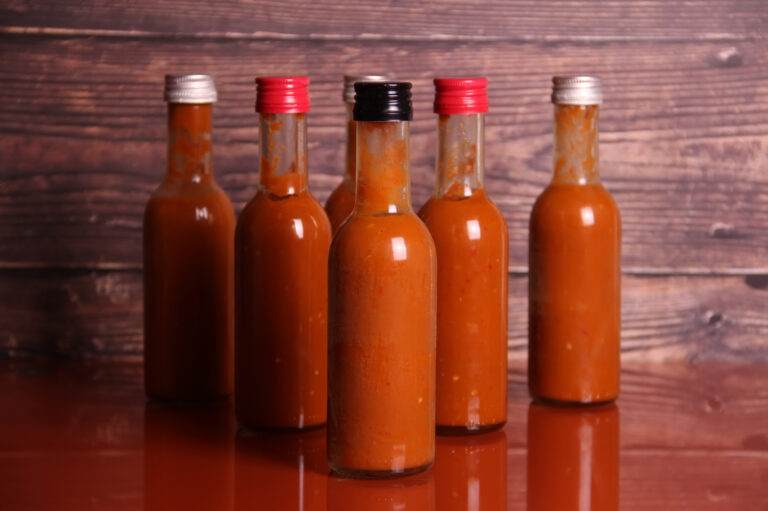
Remove the pan from heat and let the sauce cool to room temperature. This takes about 30 minutes. Transfer it to a clean glass jar or bottle with a tight-fitting lid.
Store your Mississippi BBQ sauce in the refrigerator for up to three weeks. The high vinegar and sugar content acts as natural preservatives, but you should still refrigerate it after opening. For more guidance on keeping your sauces fresh, read these BBQ sauce storage tips.
Best Uses for This Sweet and Sour Sauce
This sauce shines brightest on fatty cuts that benefit from acidic balance. The vinegar cuts through rich pork belly, beef short ribs, and chicken thighs without making them taste heavy or cloying.
During Cooking vs. Finishing Sauce
You can use Mississippi BBQ sauce throughout your cooking process, unlike sugary sauces that burn easily. The thin consistency and balanced sugar content mean you can baste BBQ short ribs during the last hour of cooking without worrying about charring.
For pulled pork, mix it directly into the meat after shredding. Use about 1/2 cup of sauce per pound of cooked pork, tossing thoroughly so every strand gets coated. The sauce will absorb into the meat rather than pooling at the bottom of your serving dish.
On chicken, brush it on during the final 15 minutes of grilling. The sugars will caramelize just enough to create a glossy finish without burning. Apply it in two thin coats rather than one thick layer for better adhesion and more even coverage.
Beyond Traditional BBQ Applications
This sauce works surprisingly well as a marinade for tougher cuts. The acidity helps break down connective tissue in flank steak or pork shoulder. Marinate for 4-8 hours in the refrigerator, turning the meat occasionally.
You can also use it as a dipping sauce for fried foods. The vinegar tang cuts through breading on fried chicken or fish in a way that thick, sweet sauces can’t match. Serve it at room temperature or slightly warmed for the best flavor experience.
It makes an excellent glaze for meatloaf or meatballs too. Brush it on during the last 10 minutes of baking to create a tangy-sweet crust. For more ideas on working with ground meat, check out these meatball recipe tips.
Customizing Your Sauce Recipe
The beauty of homemade BBQ sauce is that you control every element. Start with this base recipe, then adjust based on what you’re cooking and your personal taste preferences.
Adjusting Heat Levels
If you want more heat, add cayenne pepper gradually in 1/4 teaspoon increments. Remember that the sauce’s heat will mellow slightly as it sits in the refrigerator, so what tastes spicy right after cooking might taste milder the next day.
For a different kind of heat, try adding 1-2 teaspoons of red pepper flakes during the simmering stage. This gives you visible flakes throughout the sauce and a different heat profile than pure cayenne.
You can also swap out half the hot sauce for habanero hot sauce if you want serious heat. Just be aware that this will change the overall flavor profile significantly, adding fruity notes alongside the burn.
Playing with Sweetness
The 3/4 cup brown sugar measurement creates a balanced sauce that leans slightly toward the sweet side. If you prefer tangier sauce, reduce the sugar to 1/2 cup. For sweeter sauce, go up to 1 cup, but test it on your meat first because very sweet sauces can overpower delicate flavors.
Substituting honey for half the brown sugar creates a more floral sweetness that pairs beautifully with chicken and pork chops. Use 1/3 cup honey and 1/3 cup brown sugar for this variation.
Some cooks add a tablespoon of molasses for deeper, almost smoky sweetness. This works particularly well if you’re using the sauce on smoked meats where you want to amplify those smoky notes.
Texture Modifications
For a thicker sauce that clings better to meat, increase the tomato paste to 3/4 cup. You’ll need to add an extra 2-3 tablespoons of water to maintain the right consistency during cooking.
Adding 1 tablespoon of cornstarch mixed with 2 tablespoons of water creates a glossier, thicker finish. Stir this slurry in during the last 2 minutes of simmering and cook until the sauce thickens noticeably.
For a chunkier sauce with texture, finely mince one small onion and two cloves of garlic. Sauté them in the saucepan for 3-4 minutes before adding the vinegar and other ingredients. This adds body and creates little flavor pockets throughout the sauce.
Equipment and Tools You’ll Need
You don’t need specialized equipment for this recipe, but having the right tools makes the process smoother and more enjoyable.
A medium saucepan (2-3 quart capacity) works perfectly for this amount of sauce. Stainless steel or enameled cast iron both work well. Avoid bare aluminum pans because the vinegar’s acidity can react with the metal and create off-flavors.
A good wire whisk helps you incorporate the tomato paste smoothly and prevents lumps. Get one with a comfortable handle since you’ll be stirring frequently during the simmering phase.
For storage, glass jars with tight-fitting lids work better than plastic containers. The vinegar won’t absorb any plastic flavors, and glass lets you see exactly how much sauce you have left. You can check current options for glass storage jars on Amazon if you need containers.
A kitchen thermometer isn’t essential, but it helps if you’re new to sauce-making. You want to maintain your simmer at around 180-190°F. Any hotter and you risk burning the sugars, any cooler and the flavors won’t develop properly.
If you plan to use this sauce while grilling, invest in a good silicone basting brush. Unlike natural bristle brushes, silicone won’t shed bristles onto your meat and cleans up easily after use. Look for one with a long handle to keep your hands away from the heat.
Pairing This Sauce with Different Meats
Each type of meat benefits from slightly different application techniques and timing with this sauce.
Pork Ribs and Pulled Pork
Apply Mississippi BBQ sauce during the last hour of cooking ribs, basting every 15-20 minutes. This builds up layers of flavor without burning. After removing the ribs from heat, brush on one final coat while they’re still hot so the sauce gets absorbed into the meat.
For pulled pork, smoke or roast your shoulder until it reaches 203°F internal temperature. After shredding, toss the meat with sauce while it’s still steaming hot. Start with 1/2 cup per pound of cooked meat, then add more if needed. Learn more about wrapping ribs in foil for better moisture retention during cooking.
Chicken and Poultry
Brush the sauce on chicken during the final 10-15 minutes of grilling. The sugars will caramelize quickly on the outside while the meat finishes cooking. For bone-in pieces, apply the sauce once the internal temperature reaches 155°F, then continue cooking to 165°F.
Chicken thighs handle this sauce better than breasts because they stay moister during cooking. The higher fat content also balances the vinegar’s acidity more effectively.
Beef Cuts
Beef brisket benefits from this sauce used as a finishing touch rather than during cooking. Slice your brisket, arrange it on a platter, and drizzle the sauce over the top right before serving. This preserves the bark you worked hard to create during smoking.
For grilled steaks, use it as a dipping sauce on the side rather than brushing it on during cooking. The bold flavors can overpower more delicate beef cuts, so let your guests control how much they want. If you’re working with premium cuts, check out these grilled beef tenderloin tips.
Making Larger Batches for Meal Prep
This recipe doubles or triples easily if you want to make sauce ahead for parties or meal prep. Just maintain the same ratios and use a larger pot to accommodate the extra volume.
When making large batches, increase your simmering time by 5-10 minutes. The extra volume takes longer to reduce properly and develop full flavor. You’ll know it’s ready when a spoon dragged through the sauce leaves a trail that fills in slowly.
Large batches can be canned using proper water bath canning techniques if you want to store the sauce at room temperature. Process pint jars for 15 minutes in a boiling water bath, following USDA canning guidelines for acidic foods. The high vinegar content makes this sauce safe for water bath canning without pressure canning equipment.
You can also freeze this sauce in portions for up to six months. Use freezer-safe containers or heavy-duty freezer bags, leaving about one inch of headspace for expansion. Thaw frozen sauce in the refrigerator overnight before using.
Common Mistakes to Avoid
Even experienced cooks can run into problems with BBQ sauce if they’re not paying attention. Here are the pitfalls to watch for.
Overcooking the Sauce
Simmering the sauce too long or at too high a temperature concentrates the vinegar and makes it harsh. If you accidentally let your sauce reduce too much, it’ll taste aggressively acidic rather than balanced. Add water in small amounts to bring it back to the right consistency.
Scorching the sugar is another common problem. If you see brown bits stuck to the bottom of your pan or smell anything burning, your heat is too high. Reduce the temperature immediately and transfer the sauce to a clean pan if needed.
Applying Sauce at the Wrong Time
Putting sugar-based sauce on meat too early leads to burning and bitter flavors. Always wait until your meat is at least 75% done before you start basting with any sauce containing significant sugar.
On the flip side, waiting too long means the sauce won’t have time to caramelize and develop that glossy finish you want. For chicken on a 400°F grill, 15 minutes of sauce time is perfect. For low-and-slow ribs at 225°F, you can go 30-45 minutes.
Storage Issues
Leaving the sauce at room temperature for extended periods invites bacterial growth, even with the vinegar content. Always refrigerate within two hours of making it, and definitely refrigerate after opening if you’ve canned it.
Using dirty utensils to scoop sauce from your storage jar can introduce contaminants that reduce shelf life. Always use a clean spoon, or pour out what you need rather than dipping directly from the jar.
Equipment Recommendations for Better BBQ
While you can make this sauce with basic kitchen equipment, a few specialized tools will improve your overall BBQ experience.
A good instant-read thermometer takes the guesswork out of determining when your meat is ready for sauce application. You can see current options for meat thermometers on Amazon that provide accurate readings in under 3 seconds.
If you’re grilling frequently, consider getting quality grill mats that prevent flare-ups when the sauce drips. These also make cleanup easier after cooking with sticky sauces. Learn more about grill mat benefits for your cooking setup.
For sauce storage and transport to cookouts, wide-mouth mason jars work perfectly. The wide opening makes it easy to spoon out sauce, and they’re durable enough to survive trips in a cooler. You can find wide-mouth mason jars on Amazon in various sizes.
Frequently Asked Questions
How long does homemade Mississippi BBQ sauce last in the refrigerator?
Properly stored in an airtight container, this sauce keeps for three weeks in the refrigerator. The high vinegar and sugar content acts as natural preservatives. Discard the sauce if you notice any mold growth, off smells, or separation that doesn’t remix with stirring.
Can I use white vinegar instead of apple cider vinegar?
White vinegar works but creates a sharper, less complex flavor. Apple cider vinegar adds subtle fruity notes that round out the sweetness better. If you only have white vinegar, use 3/4 cup instead of a full cup to compensate for its more aggressive acidity.
What’s the difference between Mississippi BBQ sauce and other Southern styles?
Mississippi sauce falls between thin Carolina vinegar sauces and thick Kansas City tomato sauces. It’s sweeter than Carolina styles but thinner and tangier than KC sauces. Unlike mustard-based South Carolina sauces, it relies on vinegar and tomato as its primary base ingredients. The high vinegar content with brown sugar creates a unique sweet-sour balance that defines Mississippi BBQ.
Can this sauce be used for grilling vegetables?
Absolutely. Brush it on portobello mushrooms, zucchini, or bell peppers during the last 5-7 minutes of grilling. The vinegar’s acidity helps vegetables caramelize beautifully, and the sweetness enhances their natural flavors. It works particularly well on grilled onions and sweet potatoes.
Final Recommendations
Mississippi BBQ sauce deserves a place in your regular rotation because it delivers complex flavor with minimal effort. The balance between sharp vinegar and rich brown sugar makes it more versatile than heavy tomato sauces or straight vinegar mops.
Make a batch this weekend and test it on pork ribs or chicken thighs. You’ll notice how the thin consistency lets you taste the meat itself rather than just coating it with sauce. The recipe scales easily, stores well, and improves slightly after a day or two in the refrigerator as the flavors meld together.
Don’t be afraid to adjust the ratios to match your preferences. BBQ is personal, and the best sauce is the one you’ll actually use. Start with this foundation, then make it your own by tweaking the heat level, sweetness, or spice blend until it matches your ideal flavor profile.
This article contains affiliate links. If you purchase through these links, we may earn a small commission at no extra cost to you.