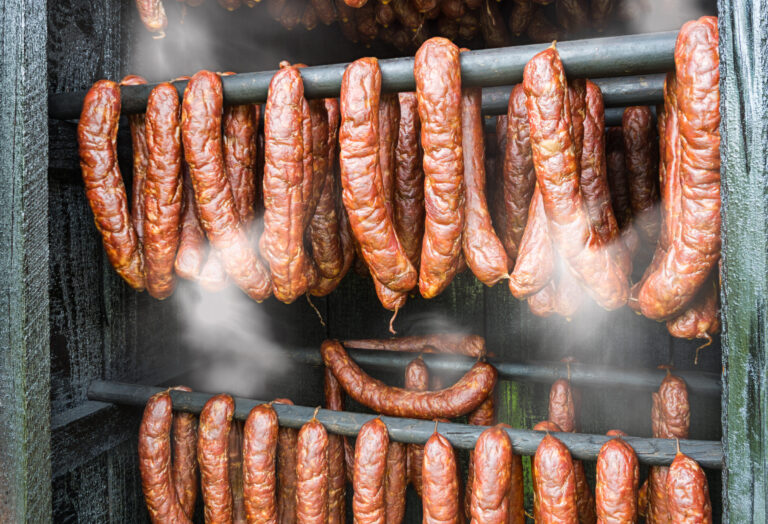
Homemade Italian Sausage: From Grind to Grill
Learn to make Italian sausage from scratch with pork shoulder, fennel, and red pepper. Complete guide to grinding, seasoning, and casing homemade sausage.

Making Italian sausage at home gives you complete control over quality, fat content, and seasoning. You’ll get restaurant-quality links for a fraction of the cost while knowing exactly what’s in your meat.
Disclosure: As an Amazon Associate, this site earns from qualifying purchases. Thank you!
Why You Should Grind Your Own Sausage
Store-bought Italian sausage can be hit or miss. Some brands load up on fillers and preservatives, while others skimp on the spices that give Italian sausage its signature flavor. When you make it yourself, you choose premium pork shoulder, adjust the fennel and red pepper to your taste, and skip the additives entirely.
You’ll also save money per pound. Buying whole pork shoulder and grinding it costs less than purchasing pre-ground sausage, especially if you’re getting quality links from a butcher. The difference becomes clear when you’re making large batches for meal prep or parties.
The process isn’t complicated. You need a meat grinder (manual or electric), pork shoulder, spices, and optionally natural casings if you want links instead of bulk sausage. Natural sausage casings give you traditional links that hold up beautifully on the grill.
Choosing the Right Cut of Pork
Pork shoulder is your best choice for homemade Italian sausage. It has the ideal fat-to-meat ratio (about 70-80% lean) that keeps sausages juicy and prevents them from drying out during cooking. Leaner cuts like loin will give you dry, crumbly sausages that fall apart.
Don’t trim the fat before grinding. You want that marbling throughout the meat. If your shoulder is exceptionally lean, you can add some pork fat back (also called fatback), but most shoulders come with plenty of natural fat already distributed.
Buy a whole shoulder and cut it into chunks yourself rather than using pre-cubed meat. You’ll get better texture control and ensure everything stays cold during grinding, which is critical for proper texture.
Essential Equipment for Making Sausage at Home
A meat grinder is non-negotiable. Manual grinders work fine for small batches, but an electric grinder saves considerable effort if you’re making more than a couple pounds. Check current prices on electric meat grinders to find one that fits your needs.
KitchenAid stand mixer owners can pick up a grinder attachment that works remarkably well. It won’t match the speed of a dedicated electric grinder, but it’s a budget-friendly option if you already own the mixer.
You’ll also need a good chef’s knife for breaking down the pork shoulder, a large mixing bowl, and measuring spoons for your spices. If you’re stuffing casings, add a sausage stuffer to your list. Many grinders come with a stuffing tube attachment, though dedicated stuffers give you better control and fewer air pockets.
For casings themselves, different types of homemade sausage casings work for different applications, but hog casings are standard for Italian sausage. Natural hog casings are available on Amazon and come packed in salt. Rinse them thoroughly before use.
The Perfect Italian Sausage Seasoning Blend
Traditional Italian sausage relies on a few key spices. Fennel seed gives it that distinctive licorice-like flavor, while red pepper flakes add heat. Garlic, salt, and black pepper round out the profile.
Here’s my go-to recipe for 5 pounds of pork shoulder:
- 3 tablespoons fennel seeds, lightly crushed
- 2 tablespoons kosher salt
- 1 tablespoon red pepper flakes (adjust for heat preference)
- 1 tablespoon paprika
- 2 teaspoons black pepper, coarsely ground
- 2 teaspoons garlic powder
- 1 teaspoon onion powder
- 1/4 cup ice-cold water
Quality fennel seeds make a huge difference here. Stale or low-grade fennel tastes more dusty than aromatic. Toast your fennel seeds lightly in a dry pan before crushing them to wake up their essential oils.
The ice-cold water helps distribute seasonings evenly and keeps the fat from smearing during mixing. Some recipes call for wine instead of water, which adds complexity but isn’t necessary for excellent sausage.
Step-by-Step: Grinding and Mixing
Cut your pork shoulder into 1-inch cubes. Trim away any glands or lymph nodes (they’re small, greyish lumps), but keep the fat. Spread the cubes on a sheet pan and freeze for 30-45 minutes until they’re firm but not frozen solid. This keeps the fat from smearing and gives you a better grind texture.
Also chill your grinder parts in the freezer. Cold equipment is just as important as cold meat. Run the pork through the grinder using a medium plate (about 3/8 inch holes). For a coarser texture, use a large plate. For fine-textured sausage, grind twice through a small plate.
Once ground, add all your seasonings and the ice water. Mix with your hands for about 90 seconds until everything’s distributed evenly and the mixture becomes slightly sticky. This stickiness (called “primary bind”) helps the sausage hold together during cooking.
Don’t overmix. You want the fat evenly distributed, not smeared into a paste. The mixture should still have visible fat particles throughout.
Testing Your Seasoning Before Stuffing
Before you stuff dozens of links, test your seasoning. Take a small portion of the mixture and form it into a patty. Cook it in a skillet over medium heat until it reaches 160°F internally.
Taste it. Too bland? Add more salt. Not enough fennel? Crush and add more. Too spicy? You can’t fix that, but you’ll know for next batch. Adjust the remaining mixture before stuffing.
This step saves you from discovering underseasoned sausage after you’ve already stuffed 10 pounds into casings. Pre-made sausage seasoning mixes are available if you prefer consistency between batches, though making your own blend gives you more control.
Stuffing Sausage Casings
Rinse your natural casings thoroughly under cold running water, then soak them in fresh water for 30 minutes. This removes excess salt and makes them pliable. Flush water through the inside of each casing to check for holes or tears.
Thread a casing onto your stuffing tube, leaving about 3 inches hanging off the end. Tie a knot in that end. Start feeding sausage mixture through the stuffer, filling the casing slowly. Don’t overstuff or the casings will burst during twisting and cooking.
You want the casing filled firmly but with a little give when you squeeze it. Air pockets are your enemy. If you spot one, prick it with a sterilized pin to release the air.
Once you’ve stuffed a length of casing (usually 3-4 feet), twist it into individual links. Pinch the casing every 5-6 inches and twist each link in alternating directions. First link clockwise, second counterclockwise, third clockwise, and continue the pattern.
Cooking Your Homemade Italian Sausage
Fresh sausage needs to reach 160°F internal temperature for food safety. You can grill, pan-fry, bake, or simmer your links. Each method has advantages.
For grilling, use medium-indirect heat. Direct high heat will burst the casings before the inside cooks through. Place your links on the cooler side of the grill, close the lid, and cook for 20-25 minutes, turning occasionally. Finish over direct heat for 2-3 minutes to get char marks. Charcoal grills give you better smoke flavor, but gas grills offer easier temperature control.
Pan-frying works well for quick weeknight meals. Add a little oil to a skillet, brown the sausages over medium heat for 3-4 minutes per side, then add 1/4 cup water, cover, and steam for 10 minutes. This ensures they cook through without burning the outside.
Baking at 375°F for 25-30 minutes is the easiest hands-off method. Place links on a rimmed baking sheet and turn once halfway through. You won’t get the same char as grilling, but they cook evenly.
Proper grill preparation prevents sticking and torn casings. Clean grates and a light oil coating make a big difference.
Storing and Freezing Homemade Sausage
Fresh sausage keeps for 2-3 days in the refrigerator. Store it wrapped in butcher paper or placed in a covered container. Don’t use airtight plastic wrap for the first 24 hours as the casings need to dry slightly, which helps them firm up.
For longer storage, freeze your sausages. Separate individual links with squares of parchment paper, then pack them in freezer bags. Squeeze out as much air as possible. They’ll keep for up to 3 months frozen.
You can also freeze bulk sausage (unstuffy mixture) in one-pound portions. Flatten them into disks before freezing so they thaw faster. Frozen bulk sausage works great for quick Italian sausage recipes where you’re crumbling it anyway.
Thaw frozen sausages in the refrigerator overnight. Don’t microwave them or run them under hot water, which can start cooking the outside before the inside thaws.
Troubleshooting Common Sausage Problems
Dry, crumbly sausage means your pork was too lean or you ground it too fine. Add more fat next time (aim for 20-30% fat content) and use a coarser grind plate.
Mushy texture happens when your meat gets too warm during grinding or you overmix. Keep everything cold and mix just until combined. The grind should hold its shape when you squeeze it.
Bursting casings usually mean you overstuffed them. Leave a little room for expansion during cooking. Also avoid cooking over direct high heat, which causes casings to burst before the inside finishes.
Bland flavor indicates underseasoning. Don’t be shy with salt. Five pounds of meat needs at least 2 tablespoons of kosher salt. Remember that cold sausage tastes less seasoned than warm, so your test patty should taste slightly overseasoned when hot.
Making Sweet vs. Hot Italian Sausage
The base recipe I’ve given you makes a mildly spicy Italian sausage. For sweet Italian sausage, omit the red pepper flakes entirely. Some people add a pinch of sugar, though traditional recipes don’t call for it. The “sweet” refers to the absence of heat, not actual sweetness.
For hot Italian sausage, increase red pepper flakes to 2 tablespoons or more. You can also add fresh hot peppers to the grind. Calabrian chiles give authentic southern Italian heat, while jalapeños are easier to find and work fine.
Different Italian sausage styles vary by region. Northern Italian sausages tend toward milder seasoning with more garlic, while southern styles pack more heat and fennel.
Beyond Basic: Flavor Variations
Once you’ve mastered basic Italian sausage, try variations. Add sun-dried tomatoes and fresh basil for a Tuscan-style sausage. Include roasted red peppers and provolone chunks for a pizza-inspired version.
Wine makes an excellent addition. Replace half the water with dry white or red wine. The alcohol cooks off, leaving complex flavor behind. Vermouth works particularly well with pork.
Fresh herbs beat dried every time if you have them available. Use 3 times as much fresh herb as dried in any recipe. Fresh oregano, basil, and parsley all complement Italian sausage beautifully.
For something different, incorporate techniques from regional Italian cooking to create unique flavor profiles that reflect specific areas of Italy.
Using Bulk Sausage Instead of Links
You don’t have to stuff casings at all. Bulk Italian sausage (just the seasoned ground meat) works in countless recipes. Use it for pasta sauces, pizza toppings, stuffed peppers, or formed into patties for sandwiches.
Bulk sausage is actually easier for beginners since you skip the stuffing step entirely. Make your ground pork, add seasonings, test a cooked sample, and you’re done. Portion it into one-pound bags and freeze.
When cooking bulk sausage, brown it in a hot pan, breaking it into chunks with a wooden spoon. Don’t stir constantly or you’ll end up with tiny crumbles. Let it sit for 2-3 minutes between stirs to develop good browning.
Pairing and Serving Suggestions
Grilled Italian sausage pairs perfectly with peppers and onions. Slice bell peppers and onions into strips, toss with oil, and grill alongside your sausages. Pile everything onto crusty rolls for classic sausage sandwiches.
For a complete Italian spread, serve your homemade sausages as part of an Italian charcuterie board alongside cured meats, cheeses, and olives.
Slice cooked sausages and toss with pasta, garlic, and greens for a simple weeknight dinner. The fat from the sausage creates a light sauce that coats everything beautifully. Add pasta water to adjust consistency.
You can also dice cooked sausage into risotto, incorporate it into frittatas, or layer it in lasagna. Homemade Italian sausage works anywhere you’d use store-bought, but with noticeably better flavor.
Equipment Recommendations
For electric meat grinders, look for models with at least 400 watts of power. Weaker motors struggle with cold meat and fat, leading to smearing. Browse meat grinders on Amazon to compare features and check current availability.
Stainless steel grinder parts clean easier than aluminum and don’t react with acidic ingredients. Aluminum works fine but requires more care to prevent corrosion.
If you’re serious about sausage making, invest in a dedicated sausage stuffer. The vertical models with cranks give you excellent control over stuffing speed and pressure. They’re less frustrating than trying to stuff through a grinder attachment.
Vertical sausage stuffers range from small 3-pound models perfect for home use to commercial-grade 10-pound versions. Match the size to your typical batch.
Food Safety Considerations
Keep everything cold throughout the process. Bacteria multiply rapidly in meat above 40°F. Work quickly and return meat to the refrigerator or freezer if you need to take breaks.
Clean and sanitize all equipment before and after use. Grinder parts should be disassembled and washed in hot soapy water, then sanitized with a diluted bleach solution or run through the dishwasher.
According to the USDA Food Safety and Inspection Service, ground pork must reach 160°F internal temperature. Use an instant-read thermometer to verify. Don’t rely on color alone since sausage can stay pink even when fully cooked.
Cross-contamination is a real concern. Use separate cutting boards for raw meat and other ingredients. Wash your hands thoroughly after handling raw sausage.
Cost Analysis: Is Homemade Worth It?
You’ll spend more upfront on equipment, but the per-pound cost of homemade sausage beats premium store-bought versions once you’ve made a few batches. Pork shoulder costs less per pound than pre-made sausage, especially quality artisan links.
The time investment is real. Expect to spend 2-3 hours for your first batch including prep, grinding, mixing, and stuffing. You’ll get faster with practice, and making larger batches improves efficiency since setup time stays constant.
The quality difference is substantial enough that most people who try making sausage at home stick with it. You control fat content, seasoning levels, and ingredient quality in ways you can’t with commercial products.
Frequently Asked Questions
Can I make Italian sausage without a meat grinder?
You can ask your butcher to grind pork shoulder for you, then mix in seasonings at home. This gives you custom seasoning without requiring a grinder. Just make sure the butcher grinds it fresh and keeps it cold. Pick it up immediately and use it the same day. Some grocery stores will grind whole cuts for customers at the meat counter.
How long does homemade Italian sausage last compared to store-bought?
Fresh homemade sausage keeps for 2-3 days refrigerated, about the same as quality butcher sausage. Store-bought sausage from the grocery store often lasts longer because it contains preservatives like sodium nitrite or sodium erythorbate. Your homemade version has no preservatives, so freeze what you won’t use within a couple days. Frozen homemade sausage maintains quality for 2-3 months.
What’s the best way to prevent sausage casings from splitting during cooking?
Don’t overstuff the casings. They should be firm but not taut. Avoid cooking over direct high heat, which causes rapid expansion. Start with indirect heat to cook the inside through, then finish over direct heat for color. Pricking small holes with a pin before cooking releases steam and prevents bursting, though some purists consider this poor technique since it lets juices escape.
Can I substitute other meats for pork in Italian sausage?
You can make Italian-seasoned sausage with chicken, turkey, or beef, but it won’t taste like traditional Italian sausage. Pork’s fat content and flavor are integral to the classic profile. If you do substitute, add extra fat since poultry is too lean on its own. Beef gives you a completely different flavor that works better with different seasonings. Mix 80/20 ground beef with Italian spices if you want a beef version.
Final Recommendations
Start with bulk sausage before attempting stuffed links. Get comfortable with grinding and seasoning before adding the complexity of casings. Make a small batch first (2-3 pounds) to dial in your seasoning preferences before committing to larger quantities.
Keep detailed notes on what works. Write down your spice ratios, grind size, and any modifications. You’ll want to replicate successful batches exactly, and memory isn’t reliable after trying several variations.
Making homemade Italian sausage transforms ordinary grilled meals and pasta dishes into something special. The initial equipment investment pays off quickly, and you’ll wonder why you ever settled for mediocre store-bought links. Once you taste the difference, there’s really no going back to the supermarket version.
This article contains affiliate links. If you purchase through these links, we may earn a small commission at no extra cost to you.