Sautéed Fish Fillets with Lemon-Garlic Butter: A Master Recipe
Master the technique for perfectly sautéed fish fillets with crispy crust and juicy interior. Includes lemon-garlic butter pan sauce.

Learning to sauté fish properly means you’ll never order boring seafood at restaurants again. This foundational technique works for any fish fillet and delivers a golden, crispy crust with a tender, juicy interior every single time.
The best part about this method is that you’re building a quick pan sauce while you cook, using the flavorful bits stuck to the pan after searing. You’ll master the timing, temperature, and butter-basting technique that separates restaurant-quality fish from the rubbery disasters most people make at home.
Disclosure: As an Amazon Associate, this site earns from qualifying purchases. Thank you!
Why This Sautéed Fish Method Works Better Than Others
Most home cooks either undercook their fish (hoping to keep it moist) or blast it on high heat until it’s dried out. This recipe uses medium-high heat and a specific flour coating that protects the fish while creating that satisfying crunch.
The technique comes down to three things: proper pan temperature, a light coating that browns without getting soggy, and knowing exactly when to flip. You’ll use clarified butter or a butter-oil combo because straight butter burns too easily at the temperatures needed for a good crust.
I prefer this method over baking because you get immediate feedback. You can see the crust forming, smell when the butter starts browning, and adjust heat instantly. Baked fish is fine, but you’re missing that control and the chance to build a pan sauce from the fond.
Choosing the Right Fish Fillets
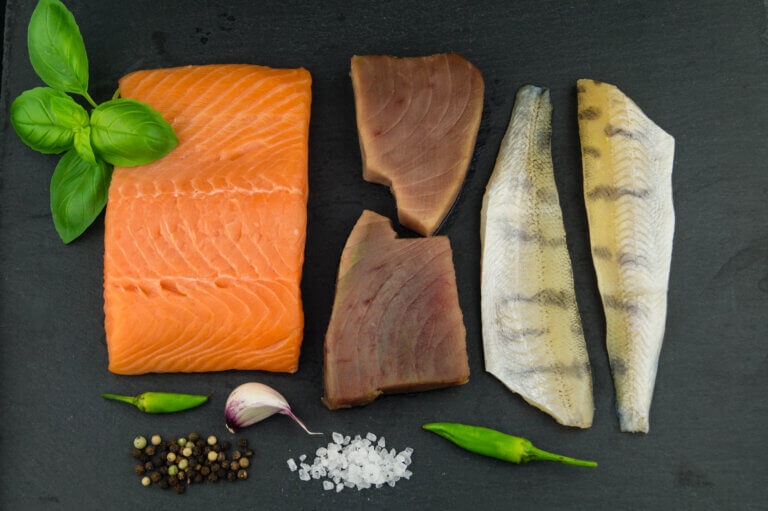
This technique works with almost any fish, but some perform better than others. Lean, firm fish like halibut, cod, and snapper are ideal because they hold together well and benefit from the added fat.
Oily fish like salmon and mackerel work too, but they need less cooking time since their natural fat keeps them moist. For beginners, I recommend starting with tilapia or cod. They’re forgiving, hold their shape, and won’t break your budget while you’re learning.
Thickness matters more than fish type. You want fillets between 3/4 inch and 1 inch thick. Thinner pieces cook too fast and dry out before you get a good crust. Thicker cuts won’t cook through by the time the outside is done. If you’re working with skin-on fillets, keep the skin on for extra protection and texture.
Check out this guide on freshwater fish benefits if you’re considering options like trout or perch for this recipe. Both work beautifully with this sautéing method.
Essential Equipment for Perfect Pan-Fried Fish
Your pan makes or breaks this recipe. You need a heavy-bottomed skillet that distributes heat evenly. Cast iron is my top choice because it maintains temperature when you add cold fish, but a good stainless steel pan works just as well.
Avoid nonstick pans for this technique. They don’t get hot enough to create proper browning, and you won’t develop the fond needed for the pan sauce. The fish might stick slightly to stainless or cast iron, but that’s actually a good sign that you’re getting caramelization.
For detailed recommendations, read this article about the best pans for cooking fish. A 12-inch skillet gives you room to cook 2-3 fillets without crowding. You can also check current prices on quality cast iron skillets at Amazon.
You’ll also need a fish spatula. These thin, slotted spatulas slide under delicate fillets without tearing them. The flexibility and angled edge make flipping almost foolproof. A regular spatula is too thick and will break your fish apart.
The Master Sautéed Fish Fillet Recipe
Ingredients
- 4 fish fillets (6 oz each, 3/4 to 1 inch thick)
- 1/2 cup all-purpose flour
- 1 teaspoon kosher salt
- 1/2 teaspoon black pepper
- 1/4 teaspoon paprika (optional, for color)
- 3 tablespoons clarified butter or 2 tablespoons butter + 1 tablespoon neutral oil
- 3 tablespoons cold butter (for finishing sauce)
- 3 cloves garlic, minced
- Juice of 1 lemon (about 3 tablespoons)
- 2 tablespoons fresh parsley, chopped
- 1/4 cup white wine or fish stock (optional, for deglazing)
Preparation Steps
Pat your fish fillets completely dry with paper towels. This is critical. Any moisture will steam the fish instead of searing it, and you’ll end up with a pale, soft exterior instead of a golden crust. I pat them dry, let them sit for 5 minutes, then pat again.
Season both sides with salt and pepper, then let the fish sit at room temperature for 15-20 minutes. This takes the chill off and helps it cook more evenly. Cold fish straight from the fridge will lower your pan temperature too much.
Mix your flour with additional salt, pepper, and paprika in a shallow dish. The paprika adds color without affecting flavor much. Keep the flour coating light because you’re not making fried fish. You just want a thin protective layer.
Cooking Instructions
Heat your skillet over medium-high heat for 2-3 minutes until properly hot. Add your clarified butter or butter-oil mixture. It should shimmer and flow easily across the pan but not smoke. If it’s smoking, your heat is too high.
Dredge each fillet in flour just before cooking, shaking off excess. Place the fish in the pan presentation side down (the side that will face up when you plate it). Don’t move it. Resist the urge to peek or adjust. Let it cook undisturbed for 3-4 minutes.
You’ll know it’s ready to flip when you can slide your spatula under easily and the edges have turned opaque about halfway up the fillet. Gently flip and cook another 2-3 minutes on the second side. The fish is done when it reaches 140°F internally and flakes easily with a fork.
For thicker fillets over 1 inch, reduce heat to medium after flipping and add another minute or two. You might need to finish them in a 400°F oven for 3-4 minutes if they’re particularly thick.
Making the Lemon-Garlic Butter Sauce
Remove the cooked fish to a warm plate and tent with foil. Leave the heat on medium and add your minced garlic to the pan. Stir constantly for 30 seconds until fragrant but not browned. Garlic burns fast, which turns bitter.
If you’re using wine or stock, add it and scrape up all the brown bits stuck to the pan. These bits are pure flavor. Let it bubble and reduce by half, which takes about 1-2 minutes.
Turn off the heat and add your cold butter one tablespoon at a time, swirling the pan to emulsify it into a glossy sauce. The residual heat melts the butter without breaking it. Add lemon juice and parsley, taste for seasoning, and pour over your fish immediately.
Common Mistakes That Ruin Sautéed Fish
Overcrowding the pan is mistake number one. When fillets touch, they steam instead of sear. You need at least an inch between each piece. Cook in batches if necessary, keeping finished fillets warm in a low oven.
Flipping too early tears the crust and sticks to the pan. The fish will release naturally when it’s ready. If it’s stuck, it needs more time. Patience here makes all the difference between amateur and professional results.
Using too much flour creates a gummy coating. You want a barely-there dusting that disappears into a crispy layer, not a thick breading. After dredging, hold the fillet vertically and tap it firmly to remove excess.
Another mistake is cooking fish straight from cold. Room temperature fillets cook 30% more evenly than refrigerator-cold ones. The exterior won’t overcook while waiting for the center to come up to temperature.
Variations and Flavor Combinations
This garlic butter fish recipe is your blank canvas. Once you nail the basic technique, you can swap flavors endlessly. Replace lemon with lime and add cilantro for a Mexican twist. Use orange juice and ginger for an Asian direction.
Try compound butters mixed ahead of time. Blend softened butter with herbs, citrus zest, capers, or sun-dried tomatoes. Keep a log in your freezer and slice off medallions to melt over hot fish.
For a Mediterranean version, add cherry tomatoes and olives to your pan sauce. They’ll warm through in the butter and add pops of acidity. Finish with fresh basil instead of parsley.
You can also bread the fillets more heavily with panko for extra crunch, though that moves away from a true sauté into pan-frying territory. The technique stays similar, just adjust your oil amount and expect more browning.
What to Serve With Your Crispy Fish Fillets
Keep sides simple since the fish is rich from butter. Steamed vegetables like asparagus or green beans work perfectly. Roasted potatoes or a light rice pilaf soak up the extra pan sauce nicely.
A simple salad with vinaigrette cuts through the richness. I like arugula with shaved fennel and a lemon dressing that echoes the sauce flavors. Crusty bread is non-negotiable for mopping up every drop of that garlic butter.
For more inspiration, check out these side dish ideas that pair well with pan-seared proteins. The potato and vegetable combinations translate beautifully to fish.
Storing and Reheating Leftovers
Leftover sautéed fish keeps for 2-3 days in the refrigerator, but the texture will never match freshly cooked. Store the fish and sauce separately in airtight containers. The sauce tends to separate but will come back together when gently reheated.
Reheat fish gently in a 275°F oven for 8-10 minutes rather than microwaving. Microwaves turn fish rubbery and create an unpleasant fishy smell. Cover loosely with foil to prevent drying.
Better yet, plan to use leftovers cold. Flake the fish over salads, fold it into tacos, or make fish cakes. The crispy coating won’t survive reheating anyway, but the cooked fish still tastes great repurposed.
Scaling This Recipe Up or Down
This recipe easily scales for any number of people. The key is cooking in batches rather than cramming everything into one pan. Each batch takes about 7 minutes total, and you can keep finished fillets warm in a 200°F oven.
For a single serving, use a smaller 8-inch skillet and reduce your butter by half. Everything else stays proportional. The cooking time remains the same since thickness matters more than quantity.
For a crowd, prep your flour station and season all fillets ahead of time. Have multiple pans going on different burners if possible. Make the sauce in the last pan you use so it incorporates fond from multiple batches.
Why Restaurant Fish Tastes Better (And How to Match It)
Restaurants have two advantages: commercial-grade burners that get much hotter, and they’re not afraid of butter. A typical restaurant uses twice the butter you’d use at home, constantly basting the fish for maximum richness.
They also start with better fish, period. Restaurant suppliers deliver fresh seafood daily. Your grocery store fish has been sitting longer. Find a good fishmonger or ask your grocery when they receive deliveries and shop that day.
You can match restaurant quality at home by using enough fat and proper heat. Don’t be timid with butter. That glossy, rich sauce comes from emulsifying cold butter into hot liquid. It’s technique, not magic.
Having quality cookware helps too. A thick, heavy pan maintains heat better than thin pans from discount stores. You can browse quality stainless steel skillets on Amazon to see what professional-grade options are available.
The Science Behind the Perfect Crust
That golden crust comes from the Maillard reaction, a chemical process between amino acids and sugars that creates hundreds of flavor compounds. It only happens above 285°F, which is why proper pan temperature matters so much.
The flour coating serves multiple purposes. It dries the surface further, provides starches that brown beautifully, and creates a barrier that slows moisture loss. Too much flour, though, and you’re insulating the fish too well.
Protein coagulation happens between 120-140°F. Below that, fish is translucent and raw-textured. Above 145°F, proteins squeeze out too much moisture and you get dry, chalky fish. That 10-degree window is your target.
According to the FDA guidelines on cooking seafood, fish should reach 145°F for safety, though many chefs prefer closer to 140°F for optimal texture with very fresh fish.
Troubleshooting Problems
If your fish is sticking badly, your pan wasn’t hot enough or you flipped too early. A properly preheated pan and patience solve 90% of sticking issues. Make sure you’re using enough fat too.
Pale, soft fish means insufficient heat. Your pan must be hot enough to create immediate sizzle when the fish hits it. That sound tells you the Maillard reaction is starting.
Burnt garlic in your sauce ruins everything with bitterness. Add garlic only after removing the fish, keep heat at medium or lower, and stir constantly. It needs just 30 seconds to bloom its flavor.
If your sauce breaks and looks greasy instead of creamy, you added butter while the pan was too hot. Let it cool for 30 seconds off heat, then add cold butter while swirling. The temperature differential creates the emulsion.
Alternative Cooking Fats
While butter provides unmatched flavor, other fats work for this technique. Ghee (clarified butter) handles high heat better than regular butter and adds a nutty taste. You can buy it ready-made or make your own by melting butter and skimming the milk solids.
Olive oil works but has a lower smoke point than refined oils. Use light olive oil rather than extra virgin for cooking, saving the good stuff for finishing. The fish will taste lighter and less rich compared to butter.
For truly neutral flavor, use avocado oil or refined coconut oil. Both handle high heat well. You lose that buttery richness, but you can always finish with a pat of compound butter on top after plating.
Building More Complex Pan Sauces
Once you master the basic lemon-garlic butter, expand into more sophisticated sauces. A beurre blanc adds shallots and white wine reduction before mounting with butter. It takes practice but transforms this simple dish into fine dining.
Brown butter sauces add deeper, nuttier notes. Let the butter solids toast until golden brown before adding lemon and capers. The nutty flavor pairs exceptionally well with mild white fish.
For richness, add a splash of heavy cream to your pan sauce after deglazing. It provides insurance against the sauce breaking and creates a silky texture. Finish with fresh herbs and a squeeze of lemon to brighten it up.
Frequently Asked Questions
Should I cook fish skin-side down first or flesh-side down first?
Always start skin-side down if your fillet has skin. The skin protects the delicate flesh and crisps up beautifully when placed against hot metal. It also shrinks as it cooks, which can curl your fillet if you start flesh-side down. For skinless fillets, start with the presentation side (the prettier side) down first to get the best browning where people will see it.
How do I know when my pan is hot enough?
Hold your hand 6 inches above the pan surface. You should feel strong, even heat. When you add butter or oil, it should shimmer and flow easily but not smoke. Drop a tiny pinch of flour into the pan. If it sizzles immediately but doesn’t burn, you’re at the right temperature. The fish should sizzle audibly the moment it touches the pan.
Can I use frozen fish fillets for this recipe?
Yes, but thaw them completely first and dry them extremely well. Frozen fish releases more moisture during cooking, which fights against getting a crispy crust. Thaw in the refrigerator overnight, never at room temperature or in water. After thawing, press fillets between paper towels to remove excess moisture, then let them air-dry for 10 minutes before cooking. The results won’t quite match fresh fish, but proper drying gets you close.
What’s the best way to check if fish is done without a thermometer?
Press the thickest part gently with your finger. It should feel firm but still have slight give, like pressing the tip of your nose. Insert a thin knife or skewer into the thickest part and hold it there for 3 seconds, then touch it to your lip. It should feel warm, not cool or hot. The fish should flake easily when pressed with a fork but still look slightly translucent in the very center. It will continue cooking from residual heat after you remove it from the pan.
Taking Your Technique Further
Once you’ve nailed this sautéed fish fillet recipe, you’ve unlocked a technique that applies to dozens of other proteins. The same method works for chicken cutlets, pork medallions, and thin steaks. The timing changes slightly, but the principles stay identical.
The pan sauce technique alone transforms boring proteins into restaurant-worthy dishes. Practice deglazing and butter mounting until it becomes second nature. You’ll use these skills constantly if you care about cooking well.
Similar techniques appear in other cuisines too. Country-style cooking uses the same foundational approach, just with different seasonings and sauces. Check out this country fried steak recipe to see how breading and pan-frying translates to beef.
For tools that make this technique easier, consider investing in a good instant-read thermometer. You can check current prices on digital cooking thermometers that take the guesswork out of doneness.
Final Thoughts on Mastering Sautéed Fish
This crispy fish fillet technique becomes muscle memory after a dozen attempts. You’ll stop thinking about steps and start adjusting by feel, sound, and smell. That’s when cooking becomes intuitive rather than stressful.
The garlic butter fish you make at home will rival anything you’d pay premium prices for at restaurants. You control the quality of fish, the amount of butter, and the exact doneness. Those factors matter more than any chef’s secret tricks.
Start with inexpensive fish while you’re learning. Once you can consistently produce golden, crispy fillets with juicy interiors, upgrade to premium species like halibut or sea bass. The technique stays identical, but the results become truly special. This pan fried fish lemon butter recipe deserves a permanent spot in your weeknight dinner rotation.
This article contains affiliate links. If you purchase through these links, we may earn a small commission at no extra cost to you.