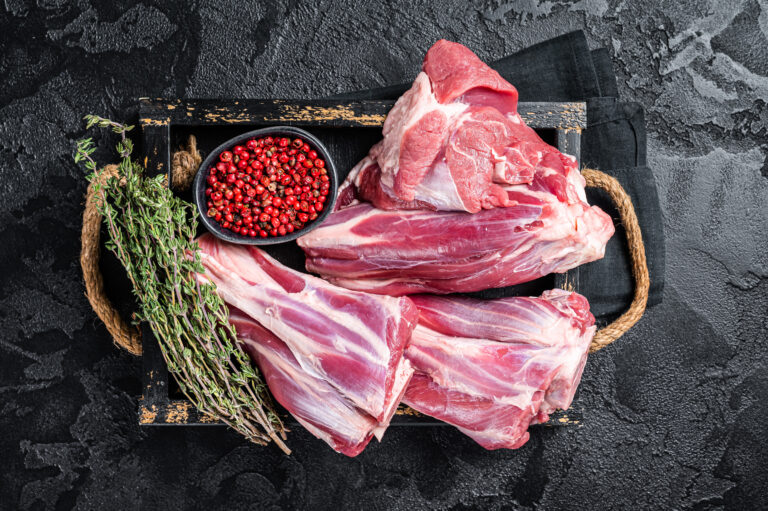
Balsamic Venison Backstrap with Heirloom Tomatoes
Learn to cook perfect venison backstrap with balsamic reduction and heirloom tomatoes. Simple technique, bold flavors, ready in 30 minutes.

“`html
Venison backstrap deserves better than being overcooked into shoe leather or drowned in heavy sauces that mask its natural flavor. This recipe treats this premium cut with the respect it deserves, pairing seared medallions with a sweet-tart balsamic reduction and the bright acidity of peak-season heirloom tomatoes.
The key to perfect venison backstrap is high heat, minimal cooking time, and letting the meat rest properly. You’ll have this elegant dish on the table in under 30 minutes, making it perfect for weeknight dinners or impressive enough for guests.
Disclosure: As an Amazon Associate, this site earns from qualifying purchases. Thank you!
Why This Venison Recipe Works
Most venison recipes fail because they treat this lean meat like beef. Venison has almost no intramuscular fat, which means it goes from perfectly cooked to dry and tough in about 60 seconds. The backstrap (the loin that runs along either side of the spine) is the most tender cut on a deer, and it cooks fast.
Balsamic reduction brings sweetness and acidity that complements venison’s mild, slightly sweet flavor without overpowering it. Unlike heavy cream sauces or aggressive marinades, this preparation lets you actually taste the meat. The heirloom tomatoes add freshness and juice that keeps each bite from feeling dry, even if you accidentally overcook slightly.
I’ve tested this recipe with both wild-harvested venison and farm-raised deer meat. Both work beautifully, though wild venison tends to have a slightly more pronounced flavor that stands up even better to the balsamic. If you’re new to cooking venison, check out our guide on what venison tastes like and how to enjoy it for more background on this underrated protein.
Ingredients You’ll Need
This recipe serves 4 people and takes about 25 minutes total.
For the Venison
- 1.5 to 2 pounds venison backstrap
- 2 tablespoons high-heat oil (avocado or grapeseed)
- 2 teaspoons kosher salt
- 1 teaspoon freshly cracked black pepper
- 1 teaspoon garlic powder
- 1/2 teaspoon dried thyme
For the Balsamic Reduction
- 1 cup balsamic vinegar (use decent quality, not the cheapest bottle)
- 2 tablespoons honey
- 1 garlic clove, smashed
- 1 sprig fresh rosemary
For the Tomato Base
- 2 pounds mixed heirloom tomatoes, sliced 1/4-inch thick
- 1/4 cup fresh basil leaves, torn
- 2 tablespoons extra virgin olive oil
- Flaky sea salt and black pepper to taste
Preparing the Venison Backstrap
Remove your backstrap from the refrigerator 30 minutes before cooking. Cold meat won’t sear properly and the temperature shock can make the muscle fibers seize up. Pat it completely dry with paper towels. Any surface moisture will prevent browning and create steam instead of that crucial crust.
Trim away any silver skin (the shiny, translucent membrane) with a sharp knife. This connective tissue won’t break down during quick cooking and creates chewy, unpleasant bites. Slide your knife under the silver skin at one end and angle the blade slightly upward while pulling the membrane taut with your other hand.
Mix your salt, pepper, garlic powder, and thyme in a small bowl. Season the backstrap generously on all sides. Don’t be shy here. Some of this seasoning will stay in the pan, and venison’s lean profile needs assertive seasoning.
Making the Balsamic Reduction
Start your reduction before you cook the meat. Combine the balsamic vinegar, honey, smashed garlic, and rosemary sprig in a small saucepan over medium heat. Bring it to a gentle boil, then reduce the heat to maintain a steady simmer.
You’re looking for the mixture to reduce by about two-thirds, which takes 15 to 20 minutes. It should coat the back of a spoon and have a syrupy consistency. Don’t walk away from this. Balsamic can go from perfect to burnt in the final few minutes.
Remove the garlic and rosemary sprig once the reduction reaches the right consistency. Keep it warm on the lowest heat setting while you cook the venison.
Searing the Venison
Heat a cast iron skillet or heavy stainless steel pan over high heat for 3 to 4 minutes. You want this pan screaming hot. Add your oil and swirl to coat. The oil should shimmer immediately and might even start to smoke slightly.
Place the backstrap in the pan. Don’t move it. Don’t poke it. Don’t press on it with your spatula. Let it sear undisturbed for 2 to 3 minutes until a dark brown crust forms. Flip and sear the other side for another 2 to 3 minutes.
For a thicker backstrap (more than 2 inches in diameter), quickly sear the edges by holding the meat with tongs and rolling it around the pan for 30 seconds. You’re aiming for an internal temperature of 125°F to 130°F for medium-rare. Get yourself a reliable instant-read thermometer because guessing will ruin this cut.
Once the venison hits temperature, remove it immediately to a cutting board. Tent it loosely with foil and let it rest for 10 minutes. This resting period is non-negotiable. The muscle fibers need time to relax and reabsorb the juices, or everything will run out onto your cutting board when you slice.
For more detailed techniques on cooking this specific cut, our article on ways to cook deer backstrap for perfect results covers additional methods including grilling and sous vide.
Preparing the Heirloom Tomatoes
While your venison rests, arrange the sliced heirloom tomatoes on a large serving platter or individual plates. Use a mix of colors and varieties if you can find them. The different tomatoes bring different levels of acidity and sweetness that make each bite slightly different.
Drizzle the tomatoes with extra virgin olive oil and season with flaky sea salt and freshly cracked black pepper. Scatter the torn basil leaves over the top. Don’t chop the basil with a knife. Tearing it by hand bruises it less and releases more aromatic oils.
Room-temperature tomatoes taste better than cold ones straight from the fridge. If you’ve stored your tomatoes properly (on the counter, not refrigerated), they’ll have much better flavor and texture.
Slicing and Plating
After the venison has rested, slice it against the grain into medallions about 1/2-inch thick. Cutting against the grain shortens the muscle fibers and makes each bite more tender. You should see a rosy medium-rare interior with a dark, caramelized crust on the outside.
Arrange the venison slices over the prepared tomatoes. Drizzle the warm balsamic reduction generously over everything. The reduction should pool slightly around the tomatoes and coat the venison without drowning either component.
Finish with a few extra basil leaves and another sprinkle of flaky salt. Serve immediately while the venison is still warm and the tomatoes are at room temperature.
Ingredient Sourcing and Substitutions
The quality of your ingredients matters here because this recipe is simple. You can’t hide behind complex sauces or long cooking times. Get the best heirloom tomatoes you can find at farmers markets or well-stocked grocery stores between July and September. Outside tomato season, skip this recipe entirely and make something else. Winter tomatoes won’t give you the flavor or juice you need.
For balsamic vinegar, you don’t need the expensive aged stuff from Modena, but avoid the cheapest bottles that are basically wine vinegar with caramel coloring added. A mid-range balsamic from Amazon’s balsamic vinegar selection will work perfectly for this reduction.
If you don’t have venison backstrap, you can substitute beef tenderloin using the exact same method. The cooking times will be identical for similar-sized cuts. However, beef won’t give you the same slightly sweet, clean flavor that makes venison special. This recipe also works with elk backstrap, which has a flavor profile very similar to venison.
Can’t find fresh rosemary? Use a teaspoon of dried rosemary instead, but remove it by straining the reduction through a fine-mesh sieve before serving. Dried herbs have sharp edges that aren’t pleasant to bite into.
What to Serve With This Dish
This recipe is surprisingly filling despite being relatively light. The richness of the venison and the acidity of the tomatoes and balsamic make it feel complete without heavy sides. I usually serve this with crusty bread to soak up the balsamic and tomato juices.
If you want something more substantial, roasted fingerling potatoes tossed with olive oil and sea salt work well. They add earthiness without competing with the main flavors. A simple arugula salad dressed with lemon and olive oil also complements the dish nicely.
Avoid starchy, heavy sides like mashed potatoes or rice. They’ll make the meal feel weighted down and distract from the bright, summery character of the tomatoes and basil. This isn’t a winter comfort food dish. It’s meant to showcase peak-season produce and premium venison.
Essential Equipment
You need a heavy pan that retains heat for proper searing. Cast iron is my top choice because it gets screaming hot and stays that way even when you add cold meat to the pan. If you’re still using thin, lightweight pans for searing meat, you’re fighting an uphill battle. The pan temperature drops immediately and you end up steaming instead of searing.
A reliable instant-read thermometer is non-negotiable for cooking venison. I use a Thermapen, but any decent digital thermometer that reads in under 3 seconds will work. Check instant-read thermometers on Amazon for current options and reviews.
You’ll also want a sharp knife for trimming silver skin and slicing the rested meat. A dull knife tears the meat fibers instead of cutting cleanly through them, which makes your perfectly cooked venison look ragged and unprofessional.
Common Mistakes to Avoid
Overcooking venison is the number one error. This meat has almost no fat, which means there’s no buffer zone between perfectly cooked and dry. A beef steak might forgive you for going 10 degrees over target temperature. Venison won’t. Stay vigilant and pull it off the heat at 125°F to 130°F internal temperature.
Using a pan that isn’t hot enough is the second biggest mistake. You need high heat to develop that crust quickly before the interior overcooks. If your pan isn’t hot enough, the meat will cook through before browning properly, and you’ll miss out on all those caramelized flavors.
Skipping the resting period after cooking ruins your hard work. Cut into the venison immediately after removing it from the pan and watch all those precious juices run out onto your cutting board. Those juices should stay in the meat where they belong.
Using out-of-season tomatoes is another common error. Those pink, mealy winter tomatoes from the supermarket won’t give you the juicy, flavorful base this dish needs. If you can’t get good heirloom tomatoes, make a different venison recipe instead. Our collection of venison recipes healthier than beef has plenty of options that work year-round.
Wine Pairing Suggestions
Venison’s lean, slightly gamey profile pairs beautifully with medium-bodied red wines that have good acidity. Pinot Noir is my first choice here. It has enough fruit to complement the balsamic reduction while its earthy notes enhance the venison without overwhelming it.
A lighter-style Syrah also works well, particularly if you prefer wines with a bit more body. Look for cooler-climate Syrah from Northern Rhône or Washington State rather than big, jammy Australian Shiraz.
For white wine drinkers, an aged white Burgundy (Chardonnay) with some weight and complexity can handle this dish. The key is having enough body to stand up to the meat while maintaining the acidity to complement the tomatoes and balsamic.
Scaling This Recipe
This recipe scales easily for larger or smaller groups. One backstrap typically weighs 1.5 to 2 pounds and serves 4 people comfortably. For 2 people, use a smaller backstrap (around 12 ounces) and halve the tomato quantity. The balsamic reduction recipe stays the same because leftovers keep well in the refrigerator for up to two weeks.
For larger groups, cook multiple backstraps in succession rather than crowding your pan. Overcrowding drops the pan temperature and you’ll end up steaming instead of searing. Keep finished backstraps warm in a low oven (200°F) while you cook additional pieces.
Make-Ahead Options
You can make the balsamic reduction up to a week in advance. Store it in an airtight container in the refrigerator and gently rewarm it before serving. It might thicken further as it cools, which is fine. Just add a tablespoon or two of water while reheating to bring it back to the right consistency.
The venison must be cooked immediately before serving. You can’t prepare it ahead and reheat it. The meat will overcook and dry out. However, you can trim the silver skin and season the backstrap up to 4 hours ahead, keeping it covered in the refrigerator. Just remember to bring it to room temperature before cooking.
Slice your tomatoes and prepare the basil up to 2 hours ahead, but don’t dress them with oil and salt until just before serving. Salt draws moisture out of tomatoes, and you’ll end up with a watery plate if you season too far in advance.
Nutrition Benefits of Venison
Venison backstrap is one of the leanest proteins you can eat. A 3-ounce serving contains about 130 calories, 26 grams of protein, and only 2 grams of fat. Compare that to beef tenderloin at roughly 240 calories and 17 grams of fat for the same portion.
Wild venison is also higher in omega-3 fatty acids than grain-fed beef. According to research from the Journal of Meat Science, wild game contains better fat composition than conventionally raised livestock. The difference in flavor and nutrition comes from the deer’s natural diet of browse, forbs, and grasses.
Venison is also rich in iron, zinc, and B vitamins, particularly B12 and niacin. The iron in red meat is heme iron, which your body absorbs more efficiently than the non-heme iron found in plant sources.
Storage and Leftovers
Leftover venison keeps for 3 to 4 days in the refrigerator. Store it separate from the tomatoes in an airtight container. Don’t try to reheat it in a pan or microwave. You’ll overcook it further and turn it tough and dry.
Instead, let the venison come to room temperature naturally or slice it thin and eat it cold. Cold venison makes excellent sandwiches with arugula, mustard, and pickled onions on crusty bread. You can also chop leftover venison and toss it with pasta, olive oil, and fresh herbs.
The balsamic reduction keeps for weeks in the refrigerator. Use leftover reduction on grilled chicken, roasted vegetables, or drizzled over fresh mozzarella and tomatoes for a quick caprese salad.
Sourcing Quality Venison
If you hunt, you already know the quality of venison you harvest depends heavily on field dressing, aging, and butchering. A poorly handled deer shot during the rut and improperly aged will taste gamey and tough. A well-handled doe taken in early season and properly aged for 7 to 10 days will rival any premium beef.
For non-hunters, farm-raised venison is increasingly available online and at specialty butchers. New Zealand venison is widely available and consistently high quality. It’s leaner than wild venison and has a milder flavor, making it a good introduction if you’re new to cooking game meat.
You can order venison online from specialty meat retailers. Check current availability and pricing for specific cuts. Farm-raised venison costs more than beef but less than premium cuts like wagyu. For more information on venison’s unique qualities, read our guide on venison recipes for delicious and healthy meals.
Seasoning Variations
The simple seasoning blend in this recipe lets the venison and balsamic shine, but you can adjust the spices based on your preferences. Smoked paprika adds depth without overwhelming the meat. A pinch of cayenne brings subtle heat that complements the sweetness of the balsamic reduction.
Fresh herbs work better than dried for coating the meat before searing. Try finely chopped rosemary and thyme pressed into the surface of the backstrap. The herbs will crisp up during searing and add aromatic complexity.
For more adventurous seasoning, juniper berries crushed with black peppercorns create a classic game meat crust. The piney, slightly resinous flavor of juniper has natural affinity with venison. Our article on essential spices for cooking covers more options for seasoning various proteins.
Regional Variations
This Italian-inspired preparation with balsamic and tomatoes works beautifully, but venison backstrap adapts to other flavor profiles just as well. A French approach might use a red wine reduction with shallots and fresh thyme instead of balsamic.
Asian preparations work surprisingly well too. Replace the balsamic with a glaze made from soy sauce, mirin, ginger, and garlic. Serve the sliced venison over sautéed bok choy or Chinese broccoli instead of tomatoes.
For a more American approach, serve the seared backstrap with a bourbon-peppercorn sauce and roasted root vegetables. The sweetness of bourbon mirrors the balsamic reduction while adding distinctly American flavors.
Frequently Asked Questions
Can I Use This Recipe for Other Cuts of Venison?
This recipe is specifically designed for backstrap (loin), which is the most tender cut. You can adapt it for tenderloin (the smaller muscle inside the body cavity), using the exact same cooking method and times. Both cuts are tender enough to cook quickly with dry heat.
Don’t try this method with tougher cuts like shoulder or shank. Those cuts need long, slow, moist cooking methods to break down connective tissue. Check out our venison meatloaf recipes for ideas on using ground venison from less tender cuts.
What’s the Best Oil for Searing Venison?
You need oil with a high smoke point for the screaming-hot pan required to properly sear venison. Avocado oil is my top choice with a smoke point around 520°F. Grapeseed oil also works well at 420°F. Both oils have neutral flavors that won’t interfere with the meat or balsamic reduction.
Don’t use extra virgin olive oil for searing. Its smoke point is too low (around 375°F) and it will burn at the temperatures you need. Save the good olive oil for finishing the tomatoes, where its fruity flavor actually enhances the dish.
Can I Make This Recipe Without Heirloom Tomatoes?
Regular beefsteak or vine-ripened tomatoes work if you can’t find heirlooms, but only if they’re in season and actually ripe. The tomatoes are a major component of this dish, not just a garnish. They provide acidity, juice, and freshness that balance the rich venison and sweet balsamic.
In winter months when good tomatoes aren’t available, skip the tomatoes entirely and serve the balsamic venison over sautéed greens like spinach or Swiss chard. You’ll lose the summery character of the original recipe, but you’ll still have an excellent dish.
How Do I Know When the Venison Is Done?
Use an instant-read thermometer and pull the venison at 125°F to 130°F for medium-rare. The internal temperature will continue rising another 5 degrees during the resting period, bringing you to a final temperature of 130°F to 135°F. This is perfect for venison backstrap.
Don’t cook venison past medium (140°F internal temperature after resting). The lack of intramuscular fat means medium-well or well-done venison will be unpleasantly dry and tough. If you prefer your meat more cooked, stick with beef and choose a fattier cut that can handle higher temperatures.
Final Thoughts on This Summer Venison Recipe
This balsamic venison recipe proves that premium cuts like backstrap don’t need complicated preparation. High heat, minimal cooking time, and quality seasonal ingredients create something special. The balsamic reduction takes a bit of attention but delivers complex sweet-tart flavors that enhance the venison without masking it.
Make this between July and September when heirloom tomatoes are at their peak. The combination of perfectly cooked venison, juicy ripe tomatoes, and aromatic basil captures everything good about late summer cooking. Master this technique and you’ll have confidence cooking venison backstrap any way you like, whether you’re following this recipe or experimenting with your own flavor combinations.
This article contains affiliate links. If you purchase through these links, we may earn a small commission at no extra cost to you.