Wild Boar Ragu with Pappardelle Pasta
Slow-simmered wild boar ragu with San Marzano tomatoes, red wine, and pappardelle pasta. Get rich, tender results with this detailed Italian game meat recipe.

“`html
Wild boar transforms a traditional Italian ragu into something richer and more complex than you’ll get with standard pork or beef. This recipe uses a slow simmer to break down tough shoulder meat into tender, flavorful strands that cling to wide pappardelle noodles.
You’ll need about 3-4 hours of cooking time, but most of that is hands-off simmering while you do other things. The active prep work takes maybe 30 minutes.
Disclosure: As an Amazon Associate, this site earns from qualifying purchases. Thank you!
Why Wild Boar Works Better Than Regular Pork
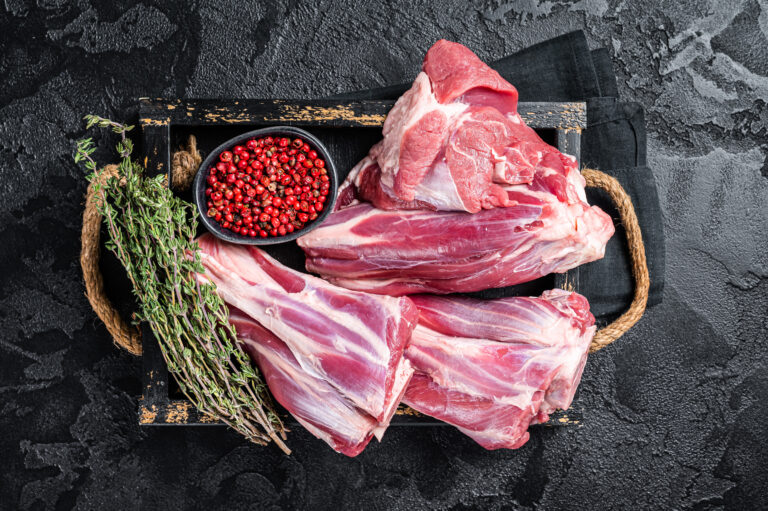
Wild boar has a deeper, almost nutty flavor compared to domesticated pork. The meat is leaner and darker because wild pigs actually move around and forage instead of standing in pens. This creates meat with more developed muscle fibers and a taste that holds its own against bold ingredients like red wine and tomatoes.
The shoulder cut is ideal for ragu because it has enough connective tissue to stay moist during long cooking. As the collagen breaks down, it creates body in your sauce without needing cream or excessive cheese. Wild boar’s unique flavor profile means you don’t need to mask anything with heavy seasoning.
You can find wild boar through specialty butchers, some farmers markets, or online suppliers. Check if hunters in your area are willing to sell or trade, especially in states where wild hog populations are managed actively. The meat is often more accessible than you’d think.
Essential Ingredients for Wild Boar Ragu
Here’s what you need for 6-8 servings:
- 2.5 to 3 pounds wild boar shoulder, cut into 2-inch chunks
- 1 large yellow onion, finely diced
- 2 medium carrots, finely diced
- 2 celery stalks, finely diced
- 6 garlic cloves, minced
- 3 tablespoons tomato paste
- 1 cup dry red wine (use something you’d actually drink, like Chianti or Sangiovese)
- 1 28-ounce can San Marzano tomatoes, crushed by hand
- 2 cups chicken or beef stock
- 3 bay leaves
- 1 teaspoon dried oregano
- 1/2 teaspoon red pepper flakes
- Salt and black pepper
- 3 tablespoons olive oil
- 1 pound dried pappardelle pasta
- Fresh parsley for garnish
- Parmigiano-Reggiano for serving
Don’t substitute regular diced tomatoes for San Marzanos. The authentic Italian variety has lower acidity and sweeter flesh that matters in a sauce this simple. You can find them at most grocery stores now, and they’re worth the slight premium.
Preparing the Boar Meat
Pat your boar chunks completely dry with paper towels. This matters more than you think because wet meat steams instead of browning, and you need that caramelization for flavor depth.
Season the meat aggressively with salt and pepper on all sides. Wild game is lean, so it needs proper seasoning to bring out its best qualities. Don’t be timid here.
Heat 2 tablespoons of olive oil in a large Dutch oven over medium-high heat until it shimmers. Working in batches to avoid crowding, brown the meat chunks on at least two sides. This takes about 3-4 minutes per side. You want a dark golden crust, not gray steamed meat.
Remove the browned meat to a plate and set aside. Don’t discard those browned bits stuck to the pot. That’s flavor.
Building the Ragu Base
Lower the heat to medium and add the remaining tablespoon of olive oil. Add your diced onion, carrot, and celery. This soffritto is the foundation of every great Italian sauce.
Cook these vegetables for about 8-10 minutes, stirring occasionally. You want them softened and just starting to color. Add the minced garlic and cook for another minute until fragrant.
Clear a space in the center of the pot and add the tomato paste. Let it cook in that spot for about 2 minutes without stirring much. This caramelizes the paste and removes the raw metallic taste.
Pour in the red wine and use a wooden spoon to scrape up all those browned bits from the bottom of the pot. Let the wine reduce by about half, which takes 4-5 minutes. You’ll know it’s ready when the raw alcohol smell mellows out.
The Long Simmer
Return the browned boar to the pot along with any accumulated juices. Add the crushed tomatoes, stock, bay leaves, oregano, and red pepper flakes. Stir everything together and bring it to a gentle simmer.
Once it’s simmering, reduce the heat to low. You want just a few lazy bubbles breaking the surface. Cover the pot, leaving it slightly cracked to let steam escape.
Simmer for 2.5 to 3 hours, stirring every 30-45 minutes. The meat should eventually become so tender you can shred it with a wooden spoon against the side of the pot. If your sauce looks too thick at any point, add some stock or water in 1/4 cup increments.
After the meat is tender, use two forks or a potato masher to break it into smaller shreds right in the pot. Some people prefer chunks, but traditional ragu has that stringy, pulled texture that coats pasta better.
Taste and adjust seasoning. Wild boar can handle more salt than you’d expect, and a pinch of sugar can balance any excessive acidity from the tomatoes.
Cooking the Pappardelle
About 15 minutes before you’re ready to serve, bring a large pot of salted water to a boil. The water should taste like the sea. This is your only chance to season the pasta itself.
Add the pappardelle and cook according to package directions, usually 8-10 minutes for dried pasta. Fresh pappardelle only needs 2-3 minutes.
Don’t you dare rinse this pasta. You need that surface starch to help the sauce cling. Reserve about 1 cup of pasta cooking water before draining.
Add the drained pappardelle directly to the pot of ragu. Toss everything together over low heat for 1-2 minutes, adding splashes of pasta water if needed to loosen the sauce. The pasta should be glossy and every ribbon should have sauce clinging to it.
Understanding the Difference Between Ragu and Bolognese
People often confuse these two sauces, but ragu and Bolognese have distinct characteristics. Bolognese is technically a specific type of ragu from Bologna that includes milk or cream and often uses a mixture of ground meats.
This wild boar version is a ragu in the broader sense, meaning a meat-based sauce cooked slowly until the meat breaks down. It skips the dairy and focuses on wine, tomatoes, and the natural richness of the game meat.
Ragu also typically uses larger pieces of meat that get shredded, while Bolognese uses ground meat from the start. Both are excellent, but they serve different purposes.
Best Equipment for This Recipe
A heavy-bottomed Dutch oven makes this recipe infinitely easier. The thick walls distribute heat evenly and prevent scorching during the long simmer. You can check current prices on 7-quart Dutch ovens on Amazon if you need one.
I also recommend having a good wooden spoon with a flat edge for scraping up fond and breaking down the meat. Metal utensils can scratch your pot’s enamel coating if you have that type.
If you’re serious about cooking wild game regularly, consider getting a vacuum sealer to preserve your meat properly. Wild boar freezes well, and proper sealing prevents freezer burn that ruins the texture.
Serving Suggestions and Pairings
Serve the pappardelle in wide, shallow bowls. Top each portion with freshly grated Parmigiano-Reggiano and a sprinkle of chopped fresh parsley. The cheese should be grated right before serving, not the pre-shredded stuff in bags.
This dish is rich enough that you don’t need much on the side. A simple arugula salad with lemon vinaigrette cuts through the richness nicely. Crusty bread for soaking up extra sauce is always welcome.
For wine, stick with Italian reds. A Chianti Classico or Barbera d’Alba both have enough acidity to balance the meat and tomatoes without overwhelming the subtle game flavors.
Storage and Reheating
The ragu actually improves after a day in the fridge. The flavors meld and deepen overnight. Store it in an airtight container for up to 4 days.
For longer storage, freeze the ragu in portion-sized containers for up to 3 months. Thaw overnight in the fridge, then reheat gently on the stovetop with a splash of stock or water to loosen it up.
Don’t store the pasta and sauce together. Cooked pasta absorbs sauce and gets mushy. Keep them separate and combine when reheating.
Variations and Substitutions
If you can’t find wild boar, venison shoulder or elk works similarly. Regular pork shoulder is fine too, though you’ll lose that distinctive gamey complexity. Avoid lean cuts like loin or tenderloin, which dry out during long cooking.
White wine works instead of red if that’s what you have, though the sauce will be lighter in color and slightly more acidic. Adjust with a bit of sugar if needed.
Some cooks add milk or cream in the last 30 minutes for a creamier sauce. This moves it closer to Bolognese territory, but it’s excellent if you prefer that style. Add about 1/2 cup and let it simmer in.
You can also add mushrooms for earthy depth. Dried porcini work especially well with game meat. Rehydrate about 1 ounce in hot water, chop them, and add them with the tomatoes. Use the soaking liquid as part of your stock.
Common Mistakes to Avoid
Don’t rush the browning step. Properly caramelized meat makes a huge difference in final flavor. If you crowd the pan, the meat steams and turns gray.
Keep your simmer gentle. A rolling boil makes the meat tough and stringy in a bad way. Those occasional slow bubbles are what you want.
Resist adding extra liquid too early. The sauce should reduce and concentrate. If you keep adding stock every time it looks thick, you’ll end up with soup.
Don’t overcook the pasta separately. It finishes cooking in the sauce, so aim for just under al dente when you drain it.
The Science Behind Slow-Cooked Game Meat
Wild boar shoulder contains significant connective tissue and collagen. These break down into gelatin at temperatures around 160-180°F when held for extended periods. This process can’t be rushed.
The acidity from tomatoes and wine helps break down tough muscle fibers, essentially acting as a slow marinade during cooking. This is why game meats pair so well with acidic ingredients.
Wild game is generally leaner and higher in protein than farmed meat, which means it needs that long cooking time to become tender. Quick cooking methods leave it tough and chewy.
Sourcing Quality Wild Boar
Online wild game suppliers ship frozen boar nationwide. Look for meat from reputable processors who follow proper field dressing and aging protocols. The meat should be dark red without strong odors.
If you’re buying from hunters directly, ask about the animal’s diet and age. Younger boars have milder flavor, while older ones can be quite strong. Either works for ragu, but know what you’re getting.
Ranch-raised wild boar is more widely available than truly wild-caught. It’s still excellent and has more consistent flavor than conventional pork. The animals are typically free-range and eat varied diets.
Why Pappardelle Is the Right Pasta Choice
Pappardelle’s wide ribbons have the surface area to hold chunky, meaty sauce. Each bite gets pasta and sauce in the right proportion. Narrower pastas like fettuccine don’t work as well because the shredded meat falls off.
The traditional width is about 3/4 inch, though you’ll find variations. Some artisan producers make it even wider. Fresh is better than dried if you can find it, but dried pappardelle from good Italian brands works perfectly fine.
You can substitute tagliatelle in a pinch, though it’s narrower. Avoid short pasta shapes like penne or rigatoni with this sauce. They don’t complement the texture of shredded meat.
Making This Recipe More Efficient
This recipe doubles easily if you want to make extra for freezing. Use a larger pot and add maybe 30 minutes to the cooking time since you’ll have more mass to heat through.
You can also make it in a slow cooker after browning the meat and vegetables on the stovetop. Transfer everything to the slow cooker and cook on low for 6-8 hours.
An Instant Pot works too, though I find the texture slightly less appealing. Brown the meat using the sauté function, add everything else, and pressure cook on high for 45 minutes with natural release.
Spices and Seasoning Adjustments
This recipe keeps spices relatively simple to let the boar shine. You can add more complexity with fennel seeds, which pair beautifully with pork family meats. Toast about 1 teaspoon and add with the tomatoes.
Fresh herbs change the character significantly. A sprig of fresh rosemary or thyme added during simmering adds pine-like aromatics. Remove the woody stems before serving.
Some regional Italian recipes include a piece of Parmigiano rind during the simmer. This adds umami depth without making the sauce cheesy. Fish it out before serving.
Advanced Wild Game Cooking Techniques
If you’re expanding your wild game cooking skills, this ragu teaches you fundamental techniques that apply across different animals. Advanced preparation methods like proper aging and trimming make significant differences in final quality.
Pay attention to the fat on wild boar. Unlike beef or lamb fat that tastes good, wild pig fat can have off flavors depending on the animal’s diet. Trim excess fat before cooking, leaving just enough for moisture.
Marinating isn’t necessary for this recipe since the long simmer in acidic liquid does that work. But for quick-cooking game meat preparations, overnight marinades with wine and herbs help tenderize and flavor.
FAQ About Wild Boar Ragu
Can I use ground wild boar instead of chunks?
Yes, ground wild boar works and cooks faster. Brown it well in batches to get good caramelization. Reduce the simmering time to 1.5-2 hours since ground meat breaks down quicker. The texture will be more like traditional Bolognese than rustic ragu.
How do I know when the wild boar is tender enough?
The meat should fall apart easily when you press it with a wooden spoon against the pot side. If you need to saw at it with a fork, it needs more time. Texture matters more than exact timing since different cuts and animal ages vary. Keep simmering until it shreds effortlessly.
Why is my ragu too acidic?
San Marzano tomatoes are less acidic than regular canned tomatoes, but batches vary. Add a teaspoon of sugar at a time and simmer for 5 minutes before tasting again. A small pat of butter stirred in at the end also mellows acidity. Make sure you’re reducing the wine properly before adding tomatoes, as raw wine contributes harsh acidity.
Can I make this with wild pig instead of wild boar?
Wild pig and wild boar are the same species. Regional terminology differs, but you’re cooking the same animal. The flavor might vary based on diet and age, but the cooking method stays identical. Both terms refer to feral Sus scrofa.
Final Thoughts on This Wild Boar Pasta Recipe
This ragu proves that wild game doesn’t need complicated techniques or fancy ingredients to shine. Good browning, patient simmering, and quality tomatoes do most of the work. The boar brings a depth that makes this more interesting than standard meat sauce without being aggressively gamey.
Make this on a weekend when you’re home anyway. The house will smell incredible, and you’ll have excellent leftovers. Once you’ve tasted properly cooked wild boar, you’ll understand why Italian hunters have been making versions of this dish for centuries.
If you enjoyed this recipe, check out a quality pasta pot with built-in strainer on Amazon to make the cooking process even smoother. The right tools make wild game cooking more enjoyable and consistent.
This article contains affiliate links. If you purchase through these links, we may earn a small commission at no extra cost to you.