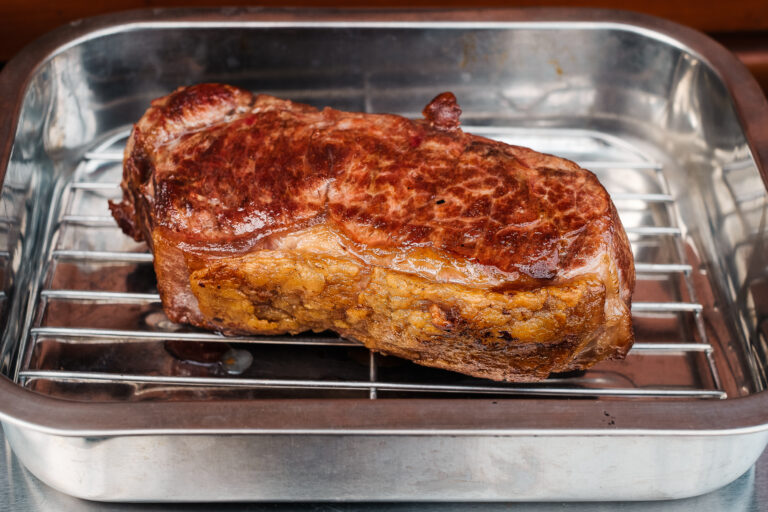
Lamb Shoulder Slow-Cooked with Garlic and Rosemary
Fork-tender slow cooked lamb shoulder rubbed with garlic and rosemary. Complete recipe with cooking times, temperatures, and tips for perfect results.

“`html
Lamb shoulder responds beautifully to long, slow cooking. This cut transforms from a tough, fatty piece of meat into something fork-tender and incredibly flavorful when you give it time and low heat. The garlic and rosemary combination is classic for a reason: it penetrates the meat during the cooking process and creates an aroma that’ll have everyone asking when dinner will be ready.
Disclosure: As an Amazon Associate, this site earns from qualifying purchases. Thank you!
Why Lamb Shoulder Works for Slow Cooking
Lamb shoulder contains plenty of connective tissue and fat marbling. Both of these break down during extended cooking at low temperatures, essentially basting the meat from the inside. You end up with incredibly moist, tender results that you can’t achieve with lean cuts or quick cooking methods.
This cut is also more budget-friendly than leg of lamb or rack of lamb, making it perfect for feeding a crowd without breaking the bank. You’ll get about 4-6 servings from a typical shoulder roast, depending on the size you choose.
Bone-in shoulder offers more flavor than boneless, though boneless is easier to carve. I recommend bone-in for this recipe because the bone conducts heat and adds richness to the finished dish. The meat will literally fall off the bone when it’s done properly.
Ingredients You’ll Need
Here’s what goes into this slow cooked lamb shoulder:
- 1 bone-in lamb shoulder (4-6 pounds)
- 8-10 garlic cloves, sliced
- 3 tablespoons fresh rosemary leaves (or 1 tablespoon dried)
- 2 tablespoons olive oil
- 2 teaspoons coarse sea salt
- 1 teaspoon black pepper
- 2 cups chicken or vegetable stock
- 1 large onion, quartered
- 3 carrots, cut into large chunks
- Optional: 2 tablespoons tomato paste for deeper color
The quality of your lamb matters here. Look for meat that’s bright red to pink with white fat. Yellow fat indicates an older animal and potentially stronger flavor. If you’re concerned about lamb’s characteristic taste, younger lamb will be milder, though proper preparation minimizes any gamey notes.
Preparing the Lamb Shoulder
Pat the lamb shoulder completely dry with paper towels. This is critical for getting a good sear and helping the rub stick to the meat. Any moisture on the surface will steam rather than brown.
Take a sharp paring knife and make about 15-20 small incisions all over the lamb, each about 1 inch deep. Push a sliver of garlic into each slit. This distributes garlic flavor throughout the meat rather than just on the surface.
Mix the rosemary, salt, pepper, and olive oil into a paste. Rub this mixture all over the lamb, working it into every crevice. You can do this step up to 24 hours ahead and refrigerate the meat. Just bring it back to room temperature for about an hour before cooking.
The Slow Roasting Process
Preheat your oven to 325°F. This temperature is ideal for breaking down collagen without drying out the meat. Some recipes call for even lower temperatures, but 325°F gives you the perfect balance of cooking time and results.
Place the lamb shoulder in a large roasting pan or Dutch oven. Scatter the onion and carrot chunks around it. These vegetables will flavor the cooking liquid and give you the base for a delicious gravy later.
Pour the stock around (not over) the lamb. You want the liquid to create steam and moisture in the cooking environment, but you don’t want to wash off your carefully applied rub. Cover the pan tightly with aluminum foil or put the lid on your Dutch oven.
Roast for 3.5 to 4.5 hours. The exact time depends on the size of your shoulder. You’re looking for an internal temperature of at least 190°F, but honestly, temperature is less important than tenderness here. The meat should be so tender that a fork twists easily and the meat pulls apart without resistance.
For the last 30 minutes of cooking, remove the foil or lid. This allows the surface to brown and crisp up slightly, creating texture contrast with the tender interior. You can also turn the oven up to 375°F during this final phase if you want more color.
Getting Perfect Results Every Time
The most common mistake people make with braised lamb is not cooking it long enough. Don’t worry about overcooking this cut. Unlike a steak or chop, lamb shoulder only gets better with extended cooking time.
Basting isn’t necessary during the covered cooking phase, but if you remove the foil, baste every 10 minutes with the pan juices. This keeps the surface moist while it browns and builds up layers of flavor.
You’ll notice a layer of fat will render off during cooking. Don’t skim this until after the meat is done. The fat protects the meat and contributes to the final flavor. You can remove excess fat from the sauce before serving.
A good meat thermometer eliminates guesswork. I use a digital instant-read thermometer to check doneness without repeatedly opening the oven. Check the thickest part of the shoulder, avoiding contact with the bone.
Making Gravy from the Pan Drippings
Once the lamb is done, transfer it to a cutting board and tent loosely with foil. Let it rest for at least 15 minutes. This allows the juices to redistribute through the meat.
Pour the pan drippings through a fine-mesh strainer into a fat separator or measuring cup. Let it sit for a few minutes so the fat rises to the top. Skim off most of the fat, leaving just a thin layer.
Return the defatted liquid to the roasting pan. Place the pan over medium-high heat on your stovetop. Add a tablespoon of flour or cornstarch mixed with cold water if you want to thicken it. Scrape up all the browned bits from the bottom of the pan with a wooden spoon. These bits are packed with flavor.
Simmer until the gravy reduces by about half and reaches your desired consistency. Taste and adjust seasoning. The gravy should be intensely flavorful and rich.
Serving Suggestions and Side Dishes
This lamb shoulder pairs beautifully with roasted potatoes, which you can cook in a separate pan during the last hour of the lamb’s cooking time. Toss quartered potatoes with olive oil, salt, and pepper, then roast at 425°F until golden and crispy.
Creamy polenta makes an excellent base for soaking up the gravy. You can also serve it with couscous, rice pilaf, or simply crusty bread for mopping up juices.
Green vegetables provide a fresh contrast to the rich meat. Roasted Brussels sprouts, sautéed green beans, or a simple arugula salad with lemon vinaigrette all work well. The acidity in the salad dressing helps cut through the lamb’s richness.
This dish reheats exceptionally well, making it perfect for meal prep or entertaining. You can make it entirely the day before, refrigerate it, and gently reheat in a 300°F oven until warmed through. The flavors actually improve overnight as they meld together.
Variations on the Basic Recipe
Mediterranean style works beautifully with lamb shoulder. Add sliced fennel, olives, and preserved lemon to the roasting pan. Use white wine instead of stock for a brighter flavor profile.
For a Moroccan twist, replace the rosemary with a spice rub of cumin, coriander, cinnamon, and paprika. Add dried apricots and chickpeas during the last hour of cooking. Serve over couscous with harissa or tamarind paste on the side.
Greek preparation involves adding lemon juice, oregano instead of rosemary, and potatoes directly in the roasting pan with the lamb. The potatoes absorb the lamb fat and become incredibly crispy on top while staying creamy underneath.
Indian-inspired flavors include garam masala, ginger, and yogurt in the marinade. Add tomatoes and serve with naan bread and raita for a complete meal that feels totally different from the classic preparation.
Choosing and Storing Lamb Shoulder
When shopping for lamb shoulder, look for meat with good marbling and avoid cuts that look dry or have dark, discolored fat. The surface should feel slightly moist but not slimy. Fresh lamb has a mild, slightly sweet smell. Any strong or sour odor means the meat is past its prime.
Store raw lamb shoulder in the coldest part of your refrigerator, ideally on a plate to catch any drips. Use it within 3-4 days of purchase, or freeze it for up to 6 months. Wrap it tightly in plastic wrap, then aluminum foil, and label with the date.
Proper storage solutions for raw meat prevent contamination and extend shelf life. Keep lamb on the bottom shelf of your refrigerator to prevent any juices from dripping onto other foods.
Leftover cooked lamb shoulder keeps in the refrigerator for 3-4 days. Shred it and use it in sandwiches, tacos, grain bowls, or shepherd’s pie. The versatility of leftovers makes cooking a larger shoulder worthwhile even for smaller households.
Equipment That Makes the Job Easier
A heavy-duty roasting pan or Dutch oven is essential for this recipe. You need something that can go from stovetop to oven and has high sides to contain the liquid. Cast iron Dutch ovens work particularly well because they distribute heat evenly and retain it effectively.
A good Dutch oven is one of the most versatile pieces of cookware you can own. Beyond braising lamb, you’ll use it for stews, bread baking, and countless other recipes. Look for one that’s at least 6 quarts to accommodate a full shoulder.
Sharp knives make prep work faster and safer. You need a good paring knife for making the garlic slits and a chef’s knife for chopping vegetables. Dull knives require more pressure and are more likely to slip.
A meat shredding tool or two forks work for pulling the finished lamb apart. Some people prefer bear claw meat shredders for this task. They’re faster than forks and give you more control over the texture of the shredded meat.
Understanding Lamb Cuts and Economics
Lamb shoulder represents excellent value compared to premium cuts like rack or loin. You get similar flavor with a different texture that many people actually prefer. Lamb can be expensive, but shoulder is one of the more accessible options for regular cooking.
Buying a whole shoulder and cutting it yourself can save money if you’re comfortable with basic butchery. You can separate the arm and blade portions, use bones for stock, and trim fat to your preference. Most butchers will also break down a shoulder for you at no extra charge if you ask.
Local farms sometimes offer better prices than grocery stores, especially if you buy in bulk or purchase directly during lamb season (typically spring). Farmers’ markets are another good source for finding quality lamb at reasonable rates while supporting local agriculture.
Freezing lamb shoulder when it’s on sale is smart meal planning. Properly wrapped lamb maintains quality in the freezer for months. Thaw it in the refrigerator over 24-48 hours before cooking.
Common Mistakes and How to Avoid Them
Cooking at too high a temperature is the biggest error people make. High heat toughens the meat instead of breaking down the connective tissue. Stick to 325°F or lower for the best results with this cut.
Not cooking long enough is another frequent problem. People get nervous about overcooking and pull the meat too early. Trust the process and cook until the meat is genuinely fall-apart tender. This takes hours, not minutes.
Skipping the searing step can work, but you miss out on flavor development. A quick sear before braising adds depth and color. Heat a tablespoon of oil in your Dutch oven over high heat and brown the lamb for 3-4 minutes per side before adding liquid and transferring to the oven.
Using too much liquid turns this into a boiled lamb rather than a roast. You want enough liquid to create steam and prevent burning, but not so much that the meat is submerged. Two cups is usually right for a standard shoulder.
Pairing Wine and Beverages
Red wine is the classic pairing for lamb shoulder. Medium to full-bodied reds with good tannin structure complement the rich meat. Syrah, Cabernet Sauvignon, or Bordeaux blends all work beautifully. The tannins cut through the fat while the fruit flavors enhance the meat’s natural sweetness.
For white wine drinkers, an oaked Chardonnay has enough body to stand up to lamb shoulder. The buttery notes in the wine harmonize with the rendered lamb fat. This isn’t a typical pairing, but it works surprisingly well.
Beer lovers should reach for malty, dark beers. Brown ales, porters, or stouts have the richness to match the lamb without overwhelming it. Avoid hoppy IPAs, which can clash with the rosemary and garlic flavors.
Non-alcoholic options include sparkling water with lemon, unsweetened iced tea, or even a tart pomegranate juice. You want something that refreshes your palate between bites rather than adding more richness.
Recipe Timeline for Meal Planning
This recipe requires minimal active work but substantial passive cooking time. Plan your schedule accordingly. The actual hands-on time is only about 20 minutes for prep and another 15 minutes for making gravy at the end.
Two days before serves as the perfect time to rub the lamb with garlic and herbs, then refrigerate. This extended marinating time allows flavors to penetrate deeply into the meat. Wrap the seasoned lamb tightly in plastic wrap to prevent the garlic smell from permeating your entire refrigerator.
On cooking day, remove the lamb from the refrigerator about an hour before you plan to cook it. Cold meat straight from the fridge takes longer to come up to temperature in the oven. Room temperature meat cooks more evenly.
Start cooking about 5 hours before you want to eat. This gives you 4 hours of cooking time, plus resting and gravy-making time. Better to have it done early than to keep hungry guests waiting while the meat finishes cooking.
Scaling the Recipe Up or Down
This recipe scales easily for larger gatherings. You can cook two shoulders in the same roasting pan as long as they’re not crowded. Maintain the same temperature and cooking time. Each shoulder cooks at its own pace based on size.
For smaller households, a half shoulder works perfectly. Reduce the garlic and herbs proportionally. Cooking time drops to about 2.5 to 3 hours for a smaller piece. Check for tenderness starting at the 2-hour mark.
You can also cook a full shoulder and plan for leftovers. The meat freezes beautifully after cooking. Shred it, portion it into meal-sized containers with some of the cooking liquid, and freeze for up to 3 months. You’ll have ready-made filling for sandwiches, tacos, or quick weeknight dinners.
Alternatively, use leftover lamb in other recipes. Mix it with ground lamb for burgers with amazing flavor, or add it to pasta dishes, fried rice, or salads. The seasoning in this recipe makes it versatile enough to work in many different cuisines.
Nutritional Considerations
Lamb shoulder is rich in protein, providing about 25 grams per 3-ounce serving of cooked meat. It’s also a good source of vitamin B12, zinc, and iron. These nutrients support energy production, immune function, and red blood cell formation.
The fat content is higher than lean cuts, which contributes to the tender texture and rich flavor. Much of this fat renders out during the long cooking process. You can remove additional fat when making the gravy to reduce the overall fat content of the finished dish.
According to the USDA FoodData Central, lamb is particularly high in conjugated linoleic acid (CLA), a fatty acid that has been studied for potential health benefits. Grass-fed lamb contains higher levels of omega-3 fatty acids compared to grain-finished lamb.
This dish provides significant calories, making it ideal for active individuals or as an occasional indulgence. Pair it with plenty of vegetables and reasonable portion sizes to create a balanced meal. A 4-ounce serving of lamb with vegetables and a starch creates a satisfying plate without going overboard.
Safety and Food Handling
Cook lamb shoulder to a minimum internal temperature of 145°F for safety, according to USDA guidelines. However, for this slow-cooked preparation, you’re aiming for much higher temperatures (around 190-200°F) to achieve the proper texture. At these temperatures, the meat is well beyond the safety threshold.
Avoid letting raw lamb sit at room temperature for more than two hours. Bacteria multiply rapidly in the temperature danger zone between 40°F and 140°F. Keep raw meat refrigerated until you’re ready to season and cook it.
Use separate cutting boards and utensils for raw meat and other ingredients. Clean all surfaces that touch raw lamb with hot, soapy water. This prevents cross-contamination that can lead to foodborne illness.
Store leftovers within two hours of cooking. Divide large amounts into smaller containers so they cool quickly in the refrigerator. Reheat leftovers to at least 165°F before serving.
Frequently Asked Questions
Can I cook lamb shoulder in a slow cooker instead of the oven?
Yes, a slow cooker works excellently for this recipe. Sear the lamb in a skillet first to develop color and flavor, then transfer it to your slow cooker with the vegetables and liquid. Cook on low for 8-10 hours or on high for 5-6 hours. The meat should be fall-apart tender when done. Remove the lamb for the last 30 minutes and place it under the broiler if you want a crispy exterior, or skip that step entirely for an even easier meal.
How do I know when the lamb shoulder is done?
The lamb is properly cooked when a fork inserted into the thickest part twists easily and the meat pulls apart without resistance. The internal temperature should read at least 190°F, but texture is a better indicator than temperature for this recipe. The meat should be so tender it’s almost falling off the bone. If you meet any resistance when pulling the meat apart, it needs more time. Don’t rush this step because undercooked shoulder will be tough and chewy.
Can I use boneless lamb shoulder for this recipe?
Boneless lamb shoulder works fine, though you’ll sacrifice some flavor that the bone provides. Boneless shoulder is easier to carve and portion, which some people prefer. Reduce the cooking time by about 30 minutes to 1 hour since boneless meat cooks slightly faster. Tie the boneless shoulder with kitchen twine to help it maintain a uniform shape during cooking. This ensures even cooking throughout the roast and makes carving cleaner and easier.
What’s the best way to reheat leftover lamb shoulder?
Reheat lamb shoulder gently in a covered dish in a 300°F oven until warmed through, about 20-30 minutes depending on the amount. Add a splash of stock or water to the dish to create steam and prevent drying. For individual portions, microwave works fine. Place the lamb in a microwave-safe dish with a little liquid, cover with a damp paper towel, and heat in 1-minute intervals until hot. Avoid high heat, which can make the meat dry and tough. Shredded leftover lamb reheats more evenly than large chunks.
Final Thoughts on This Lamb Shoulder Recipe
This garlic rosemary lamb shoulder delivers restaurant-quality results with minimal effort. The slow roasting method guarantees tender, flavorful meat every time, making it nearly impossible to mess up. You get maximum impact for your time investment, perfect for both Sunday family dinners and special occasions.
The forgiving nature of this cut and cooking method makes it ideal for less experienced cooks who want to serve something impressive. Even if your timing is off by 30 minutes, the lamb will still be delicious. The built-in fat and connective tissue protect the meat from drying out.
Master this basic technique and you’ll find yourself returning to it repeatedly. Change up the herbs and spices to keep things interesting, but the core method remains the same. This lamb shoulder recipe belongs in every home cook’s regular rotation, especially during cooler months when long oven times help warm the kitchen.
This article contains affiliate links. If you purchase through these links, we may earn a small commission at no extra cost to you.