How to Use Grocery Store Butcher Counter Services to Save Money
Most grocery store meat counters offer custom cutting services that the majority of shoppers never use. You can request…

Most grocery store meat counters offer custom cutting services that the majority of shoppers never use. You can request specific thicknesses, ask for cuts that aren’t on display, and even have whole sub-primals broken down into individual portions. Learning the terminology and building confidence at the counter saves money and gets you exactly what your recipe needs.
The average shopper walks past the butcher counter and picks from the pre-wrapped packages in the cold case. That’s leaving money on the table. Custom cuts typically run 20% to 40% cheaper than pre-cut equivalents, and you get precisely what your recipe requires instead of compromising with whatever thickness or trim level happens to be on display.
Disclosure: As an Amazon Associate, this site earns from qualifying purchases. Thank you!
What Most Grocery Butchers Can Do

Cut steaks to your requested thickness (1 inch, 1.5 inches, 2 inches). Grind any cut into ground beef (want chuck and brisket blended for burgers? Just ask). Remove bones from bone-in cuts. Trim fat to your preferred level. Butterfly roasts and thick chops for stuffing. Cut a whole sub-primal (like a strip loin) into individual steaks.
They can also portion large roasts into smaller pieces for freezing, French-trim rib bones for presentation, cut stew meat into uniform cubes (most pre-packaged stew meat has wildly inconsistent piece sizes), and slice thin cutlets from chicken breasts or pork loin. If you’re planning budget-friendly meals, ask the butcher to cut tougher, less expensive roasts into stir-fry strips or stew cubes. This transforms cheap cuts into versatile ingredients.
Some butchers will tie roasts for even cooking, score fat caps in cross-hatch patterns to help rendering, or remove silverskin from tenderloins. These are services you’d otherwise do at home with varying degrees of success. Letting the professional handle it ensures cleaner results.
The butcher can also portion whole chickens into specific pieces. Want eight thighs and no breasts? They’ll break down whole birds and sell you just the parts you need, often at a lower per-pound price than buying pre-packaged thighs.
The Right Way to Ask
Be specific. “I’d like four 1.25-inch-thick bone-in rib pork chops” is much better than “some thick pork chops.” Specify weight if it matters: “about 8 ounces each” or “roughly 3 pounds total.” The more detail you give, the closer the result matches what you need.
If you’re cooking something precise (a recipe that calls for 1.5-inch ribeyes for reverse-searing, or pork chops butterflied to exactly half-inch thickness for stuffing), say so. The butcher has seen thousands of cuts and knows how thickness affects cooking. They’ll adjust if your specification doesn’t match what typically works.
Don’t worry about sounding demanding. The butcher counter exists to provide this service. You’re not imposing by asking for what you want. Most butchers would rather cut four perfect chops to your spec than watch you walk away with a pre-packaged compromise.
Mentioning your cooking method helps too. “I’m grilling these tonight” tells the butcher you want thicker cuts that won’t dry out over high heat. “I’m braising this” signals that connective tissue and marbling matter more than tenderness. If you’re looking for the best cuts for braising, the butcher can point you toward chuck roast, short ribs, or shanks and portion them appropriately.
Bring a photo if you’re trying to replicate a restaurant dish or a recipe from a cookbook. The butcher can reverse-engineer the cut and thickness from a picture.
Cuts You Can Request That Aren’t on Display
Hanger steak, teres major (petite tender), beef cheeks, oxtail, marrow bones, and stew meat cut to your preferred cube size are often available but not displayed. Ask the butcher what they have in the back. Many cuts get broken down into ground beef by default because nobody asks for them.
Tri-tip is common in California but rare in Midwest cases. It’s almost always available in the back. Same with flank steak and skirt steak outside of fajita season. Denver steaks (cut from the chuck) and flat iron steaks show up sporadically on display but are usually in stock if you ask.
For pork, ask about pork belly (usually reserved for bacon production but available as slabs), pork jowl, pork shanks, and country-style ribs cut from the shoulder instead of the loin. Lamb shanks, lamb neck, and lamb breast rarely make it to the case but are stocked for special orders.
Chicken feet, chicken backs (for stock), and whole turkey breasts (not just the boneless roasts) are available at most full-service counters. Duck and game birds can sometimes be special-ordered with a few days’ notice.
Organ meats (liver, heart, kidney, tongue) are hit-or-miss depending on the store’s clientele, but it doesn’t hurt to ask. Beef liver is more common than pork liver. Chicken livers are usually stocked even if not displayed.
Saving Money With Custom Cuts

Buying a whole strip loin or boneless ribeye roll and having the butcher cut it into individual steaks saves 20% to 40% compared to buying pre-cut steaks. The cutting service is usually free. You’re paying the lower per-pound whole-primal price instead of the marked-up individual steak price.
A whole strip loin weighs 10 to 14 pounds and runs competitively priced to competitively priced per pound at most grocery stores. Pre-cut New York strips from the same loin competitively priced to competitively priced per pound. You’re looking competitively priced to competitively priced in savings on a single purchase. The butcher will cut the loin into steaks at your preferred thickness, vacuum-seal them individually if you ask, and you’ll have premium steaks in the freezer for months.
The same math applies to pork loin (buy the whole boneless loin competitively priced to competitively priced per pound instead of pre-cut chops competitively priced to competitively priced), whole beef tenderloin (often competitively priced to competitively priced per pound whole versus competitively priced to competitively priced for pre-cut filets), and whole briskets versus pre-trimmed flats.
You can also request the trim. When a butcher cuts steaks from a whole loin, there are end pieces and fat trimmings. Ask them to grind the ends into ground beef or cut them into stir-fry strips. You’ve already paid for that weight. Don’t let it go to waste.
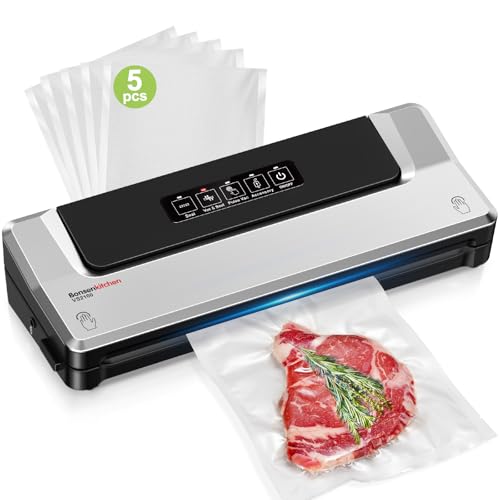
Vacuum Sealer
Essential for storing custom cuts long-term without freezer burn
Buying larger formats works especially well if you have a vacuum sealer or freezer space. A whole cow purchase is the extreme version of this strategy, but even buying a single whole sub-primal applies the same principle at a smaller scale.
If you’re interested in understanding different cuts before committing to a large purchase, spend some time at the butcher counter asking questions. Most butchers will explain the anatomy and pricing structure if you show genuine interest.
Building a Relationship With Your Butcher

Becoming a regular at the meat counter pays dividends beyond custom cuts. Butchers who recognize you are more likely to point out unadvertised markdowns, set aside specific cuts they know you prefer, and offer honest advice about what looks best that day. A simple “what looks good today?” opens a conversation that most butchers enjoy having.
Bring your recipe or describe what you’re cooking. Saying “I’m making fajitas for six people” gives the butcher enough context to recommend the right cut, the right weight, and the right preparation. Their expertise is part of what you’re paying for at the meat counter, and most people underuse it.
If you’re planning a barbecue and want to know which cuts work best for grilling, the butcher can steer you toward cuts with enough fat to stay moist over direct heat and away from lean cuts that will dry out. They’ve watched hundreds of customers come back and report results. They know what works.
Shop at the same store and visit the counter regularly, even for small purchases. Consistency matters more than volume. A customer who buys two pork chops every Thursday is more memorable than someone who buys a whole tenderloin once a year.
Ask for the butcher’s name and use it. “Thanks, Mike” goes a long way. Leave a compliment with the store manager if the butcher does excellent work. Butchers rarely get direct feedback, and positive comments get noticed during reviews.
Don’t haggle on price or complain about industry-wide cost increases. The butcher doesn’t set the prices and has no control over wholesale fluctuations. When you want a deal, ask when markdowns happen (usually late afternoon or early evening when cuts are approaching their sell-by date). That’s a reasonable question. Demanding a discount on full-price ribeye is not.
Terminology That Helps
Knowing a few key terms speeds up the interaction and gets you exactly what you want. “French-trimmed” means exposed bone cleaned of fat and sinew (used for rib chops and rack of lamb). “Butterflied” means split open and flattened. “Trimmed to quarter-inch fat” tells the butcher how much exterior fat to leave on a roast. “Against the grain” tells them which direction to slice for stir-fry strips.
“Chine bone removed” means the backbone has been cut away from a rack of ribs or pork loin, making carving easier. “Frenched” (same as French-trimmed) applies to individual chops or a whole rack. “Silverskin removed” refers to the thin, tough membrane on tenderloins and some roasts that doesn’t break down during cooking.
For steaks, “bone-in” and “boneless” are obvious, but specifying “center-cut” gets you the uniform middle portion of a loin instead of the tapered ends. “Thick-cut” usually means 1.25 to 1.5 inches unless you specify otherwise. If you’re selecting from premium steak cuts, knowing terms like “ribeye cap” (spinalis) or “short loin” helps you communicate exactly what you want.
“Tied” or “trussed” means the roast is secured with butcher’s twine for even cooking. “Rolled” refers to boneless roasts that have been formed into a cylinder and tied. “Crown roast” describes a rack of pork or lamb bent into a circle and tied.
For ground meat, “80/20” means 80% lean, 20% fat. You can request custom blends: “half chuck, half sirloin at 85/15” or “all brisket, coarse grind.” Grind size matters. “Coarse grind” leaves larger pieces of meat and fat, better for burgers. “Fine grind” is smoother, better for meatballs and sausage.

Meat Cutting Board
A quality cutting board makes home prep easier when working with custom cuts
You don’t need to be an expert. The butcher will fill in any gaps. But using even a couple of specific terms signals that you know what you want, which typically results in a better cut.
What Not to Request
Avoid asking for illegal cuts or processing that violates health codes. The butcher can’t grind previously ground meat (it’s a contamination risk). They can’t take meat you brought from home and process it in the store. They can’t sell you meat past its use-by date, even at a discount, because it creates liability.
Don’t ask the butcher to break down a whole animal in the middle of a Saturday afternoon rush. Large-scale butchery happens in the back during prep hours, not at the counter during peak traffic. When you want a whole lamb or pig broken down into primals, call ahead and arrange it for a slow weekday morning.
Some stores have policies against certain custom cuts due to equipment limitations or corporate restrictions. When the butcher says they can’t do something, believe them. Arguing won’t change the policy.
Timing Your Visit for Best Results
Mid-morning on weekdays is ideal. The butcher counter is fully staffed but not yet slammed with afternoon and weekend crowds. Avoid the hour before store closing when staff is focused on cleanup.
Tuesday through Thursday mornings are the sweet spot. Monday mornings can be busy with weekend markdown shoppers. Friday afternoons and all weekend are peak hours with long wait times and harried staff.
When you need a large custom order (a whole tenderloin cut into filets, a full pork loin into chops, or specialty cuts that aren’t stocked), call ahead. Give the butcher 24 to 48 hours’ notice. This lets them pull the right primal from the back, or order it if it’s not in stock, and schedule time for cutting.
Calling ahead also helps for specialty grinds or requests that take significant prep time. A custom blend ground fresh (maybe you want chuck and short rib mixed for making jerky) can be ready when you arrive instead of requiring a 20-minute wait at the counter.
How to Handle Pricing Surprises
Sometimes the final weight and price differ from your estimate. A “3-pound roast” might come out to 3.4 pounds. When you’re on a tight budget, specify a maximum weight: “about 3 pounds, but no more than 3.5.” The butcher will trim or adjust to hit your target.
Pre-cut steaks are priced by the package. Custom-cut steaks are priced by actual weight, which can shift if the butcher cuts thicker or thinner than intended. When the price matters, confirm the per-pound rate before they start cutting and watch the scale.
When the price is significantly higher than expected and you genuinely can’t afford it, it’s okay to decline the purchase. “I thought this would be closer to competitively priced, not competitively priced. I’ll have to pass this time.” Most butchers won’t be offended. They’d rather you be honest than struggle to pay.
Frequently Asked Questions
Is there an extra charge for custom cuts?
At most grocery stores, no. Custom cutting is a free service. The butcher is paid to cut meat. You’re just directing what they cut. Some specialty requests (like custom grinding) might take a few extra minutes, so visit during slower hours.
Specialty butcher shops or high-end markets might charge for time-intensive work like Frenching a full rack or fabricating an unusual cut. Ask up front if you’re uncertain.
When is the best time to request custom cuts?
Mid-morning on weekdays is ideal. The butcher counter is fully staffed but not yet slammed with afternoon and weekend crowds. Avoid the hour before store closing when staff is focused on cleanup.