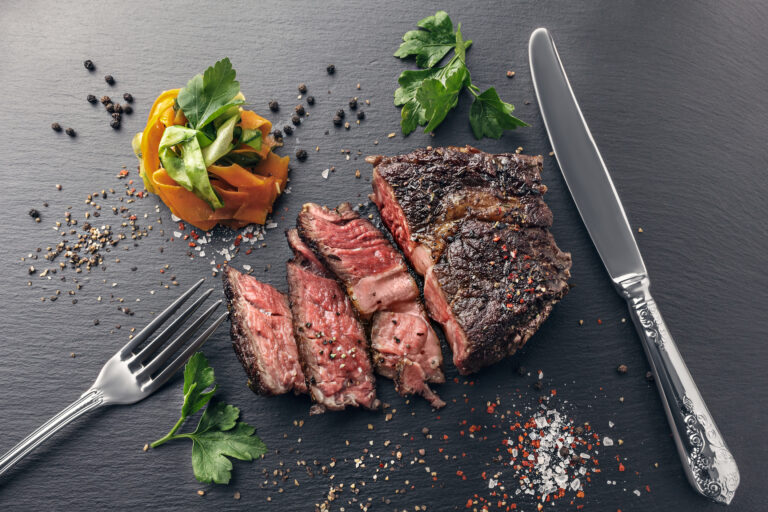
Best Cheap Cuts of Beef: Budget Steaks Worth Buying
The most expensive cuts get all the attention, but some of the tastiest beef comes from the budget section….

The most expensive cuts get all the attention, but some of the tastiest beef comes from the budget section. These underrated cuts deliver big flavor and satisfying tenderness when you know how to cook them. Most sell competitively priced to competitively priced per pound compared to competitively priced to competitively priced for premium ribeyes and strips.
You’re not sacrificing quality. You’re buying cuts that butchers have known about for generations but that grocery stores often skip in favor of the familiar names. Here are the cheap steaks and roasts that deserve a spot in your regular rotation.
Disclosure: As an Amazon Associate, this site earns from qualifying purchases. Thank you!
Chuck Eye Steak

The chuck eye is cut from the same muscle group as the ribeye, just a few inches further toward the shoulder. The flavor and marbling are remarkably similar to a ribeye at a dramatically lower price. Each cow only produces a handful of chuck eye steaks (usually four to six depending on how the butcher cuts the primal), so they’re not always in the case. Ask your butcher specifically.
The price difference is dramatic. Chuck eye runs competitively priced to competitively priced per pound at most stores. Ribeye typically competitively priced to competitively priced per pound for the same grade. You’re getting nearly identical eating quality at half the price or better.
Cook it exactly like a ribeye: high heat, salt and pepper, pull at 130 to 135°F for medium-rare. A hot cast iron skillet gives you the best sear. Let it rest for 5 minutes before slicing. The biggest mistake is overcooking. Chuck eye stays juicy and tender at medium-rare but dries out and toughens past medium.
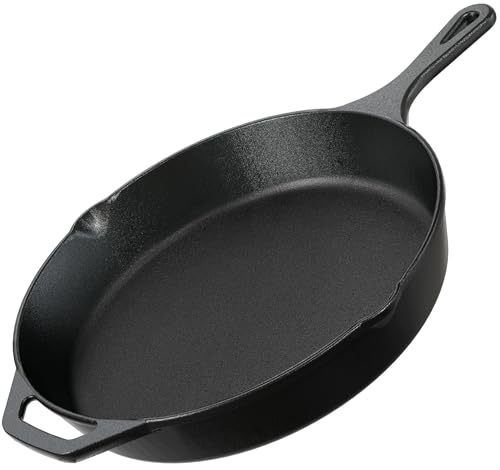
Cast Iron Skillet 12 Inch
Essential for getting a proper sear on budget steaks like chuck eye
Because supply is limited, some stores sell out quickly or don’t cut chuck eyes at all. If you find a butcher who carries them regularly, stock up. They freeze well for up to six months in vacuum-sealed bags.
Flat Iron Steak
The flat iron comes from the shoulder blade and is the second most tender cut on the entire cow (after the tenderloin). It has excellent marbling for a budget cut, grills beautifully, and slices into perfect portions. The flavor is clean and beefy, more concentrated than a strip steak. Expect to pay competitively priced to competitively priced per pound.
Look for flat irons with the center tendon removed. A properly butchered flat iron needs nothing more than salt, pepper, and 4 to 5 minutes per side over high heat. The cut is uniform in thickness, so it cooks evenly without the thick-end-thin-end problem you get with some steaks.
Flat iron works well with simple seasonings but also takes to marinades if you want more complexity. A basic soy-garlic-ginger marinade for 2 to 4 hours adds depth without masking the beef flavor. Pat dry before cooking to get a proper sear.
One flat iron steak (usually 8 to 12 ounces) serves one person generously or two people with sides. It slices cleanly across the grain into neat strips that work well for fajitas, steak salads, or plated dinners. The grain runs lengthwise, so slice perpendicular to the long axis.
Hanger Steak
Also called the “butcher’s steak” because butchers used to keep this cut for themselves. It hangs from the diaphragm and has an intense, almost liver-like beef flavor that’s unique among cuts. Each cow has only one hanger steak (weighing about 1 to 1.5 pounds after trimming), so supply is limited and you may need to special-order it.
Grill or pan-sear to medium-rare (130°F) and slice thin against the grain. Hanger steak toughens quickly past medium, so a thermometer is essential. The texture at medium-rare is tender with a slight chew, almost like a skirt steak but with deeper flavor.
Hanger has a distinctive membrane running down the center that divides it into two lobes. Some butchers remove this before selling; others leave it on. You can cook it either way, but removing the membrane makes slicing easier. Just run a sharp knife along each side and pull it out.
Price varies more than most cuts because availability is inconsistent. When you find it, expect competitively priced to competitively priced per pound. Some specialty butchers charge more because of the limited supply and the butcher-favorite reputation. It’s still cheaper than most premium steak cuts.
The flavor is not for everyone. It’s more organ-meat adjacent than other steaks, with a mineral-rich taste that some people love and others find too strong. Try it once before buying in bulk.
Tri-Tip

Popular on the West Coast but still underappreciated elsewhere, tri-tip is a triangular muscle from the bottom sirloin. It’s well-marbled for a sirloin cut, with a rich beefy flavor. A whole tri-tip (2 to 3 pounds) feeds 4 to 6 people and competitively priced to competitively priced per pound, making it one of the most economical cuts for feeding a group.
Grill or reverse-sear the whole roast to 130°F, rest for 10 minutes, and slice against the grain. Tri-tip has two distinct grain directions, so change your slicing angle partway through. If you cut with the grain instead of against it, the meat turns chewy and stringy even when cooked perfectly.
The reverse sear method works particularly well. Roast at 225°F until the internal temperature hits 120°F (usually 45 to 60 minutes), then sear over high heat for 2 to 3 minutes per side. This gives you an even medium-rare throughout with a dark crust.
Tri-tip takes to dry rubs better than most cuts. A simple blend of salt, black pepper, garlic powder, and paprika is classic Santa Maria style. Apply the rub 30 minutes before cooking or up to overnight in the fridge.
Some stores label tri-tip as “triangle roast” or “bottom sirloin roast.” It’s the same cut. In some regions, butchers cut it into individual steaks instead of selling the whole roast. The steaks work fine but cook faster (3 to 4 minutes per side) and lose some of the dramatic presentation of slicing a whole roast at the table.
Teres Major (Petite Tender)
The teres major is a small, torpedo-shaped muscle from the shoulder that’s remarkably tender. It’s sometimes called the “poor man’s tenderloin” because the texture is similar to filet mignon. It rarely appears in the pre-packaged display, so ask your butcher. Each shoulder produces one teres major weighing 8 to 12 ounces.
Sear whole in a hot pan or slice into medallions. This cut is lean, so don’t cook past medium. At medium-rare (130 to 135°F), it’s buttery and nearly fork-tender. Past 145°F, it dries out and loses the tenderness that makes it special.
Price runs competitively priced to competitively priced per pound when you can find it. That’s still half the cost of actual tenderloin, which often sells competitively priced to competitively priced per pound. The flavor is more robust than tenderloin, which some people prefer because tenderloin can taste bland.
The shape makes it easy to cook evenly. Sear all sides in a hot skillet (about 2 minutes per side), then finish in a 400°F oven for 5 to 8 minutes. Let it rest for 5 minutes, slice into medallions, and serve.
Because it’s lean, teres major benefits from a quick brine or a compound butter on top after cooking. A simple herb butter (softened butter mixed with minced garlic, parsley, and thyme) adds richness without covering the beef flavor.
Denver Steak
Cut from the chuck (shoulder), the Denver steak has gained popularity among butchers for its impressive marbling and tenderness relative to its low price. It’s more consistently available than hanger or teres major and works on the grill or in a skillet. Expect to pay competitively priced to competitively priced per pound.
The Denver comes from the serratus ventralis muscle, which doesn’t get much exercise and stays tender. It was only identified as a distinct cut in the early 2000s, so it’s relatively new to the market. Many grocery stores still don’t carry it, but butcher shops and specialty meat counters often do.
Each Denver steak is usually 8 to 10 ounces and about an inch thick. The marbling pattern resembles a ribeye with fat distributed throughout rather than concentrated in one area. This makes it forgiving to cook because the fat keeps it moist even if you slightly overshoot your target temperature.
Cook it like any quality steak cut: season generously, sear over high heat, rest before slicing. Denver steaks have a pronounced grain, so always slice against it for maximum tenderness.
The flavor sits between a ribeye and a New York strip. It’s beefy and rich without the funkiness of hanger steak or the subtlety of tenderloin. It’s a safe choice for people who want better-than-average steak without gambling on unfamiliar cuts.
Merlot Steak
The merlot steak comes from the heel of the round. It’s lean but surprisingly tender for its location on the back leg. It takes to marinades well and grills nicely to medium-rare. Not widely known, so it’s often priced very affordably, usually competitively priced to competitively priced per pound.
The round is typically known for tough roasts that need slow cooking, but the merlot steak is an exception. It’s a small muscle that doesn’t work as hard as the surrounding cuts. The result is a steak that’s tender enough to grill but lean enough that you can’t push it past medium without consequences.
Marinate for at least 4 hours or up to overnight. Acidic marinades (with vinegar, citrus, or wine) help break down the muscle fibers slightly and add flavor. A red wine-based marinade is traditional and pairs well with the lean beef flavor.
Because it’s lean, merlot steak benefits from quick, high-heat cooking. Grill over direct heat for 3 to 4 minutes per side, pull at 130°F, and rest for 5 minutes. Slice thin against the grain and serve immediately. It’s excellent for steak tacos or rice bowls where you’re combining the beef with other ingredients.
Availability is spotty. Some butchers carry it regularly; others have never heard of it. The naming is inconsistent too. Some stores call it heel steak or round heel. If you see any of these labels at a good price, it’s worth trying.
Chuck Roast (For Steak-Like Meals)
A whole chuck roast costs very little per pound (often competitively priced to competitively priced) and, when cooked sous vide at 135°F for 24 to 48 hours, delivers a steak-like eating experience that stuns people who learn what they’re eating. Sear the outside after sous vide for a beautiful crust.
This method transforms a tough, collagen-heavy roast into something tender enough to eat like a steak. The long, low-temperature cook breaks down connective tissue without drying out the meat. The result is closer to pot roast in texture but with the doneness and crust of a grilled steak.
You’ll need a sous vide setup (immersion circulator and bags or a vacuum sealer). Season the roast with salt and pepper, seal it, cook at 135°F for 24 hours minimum (48 is better), then chill it in an ice bath. Pat dry, sear hard in a smoking-hot pan or on a grill, slice, and serve.

Sous Vide Immersion Circulator
Transforms tough chuck roast into tender steak-like meals
A 3-pound chuck roast feeds 6 to 8 people and costs about the same as one or two ribeyes. It’s ideal for feeding a crowd on a budget without resorting to ground beef or chicken.
If you don’t have sous vide equipment, you can’t replicate this exact method. Chuck roast cooked any other way needs braising or slow-roasting to break down the connective tissue, which gives you pot roast, not steak. For traditional slow-cooked beef cuts, chuck is excellent, but the texture is completely different.
How to Shop for Budget Cuts
Most of these cuts aren’t sitting in the refrigerated display case. The pre-packaged section caters to high-volume sellers: ribeyes, strips, ground beef, and chicken. You’ll find chuck roasts and tri-tip sometimes, but hanger, teres major, Denver, and merlot steaks almost never make it to the self-serve section.
Go to the butcher counter and ask. Most grocery stores with a meat department have whole primals in the back that they break down throughout the day. If you request a specific cut, they’ll often cut it for you on the spot or tell you when they’ll have it available.
Butcher shops and specialty meat markets stock a wider variety. They’re also more likely to know what you’re talking about when you ask for a teres major or a Denver steak. Prices at independent butchers run slightly higher than grocery stores, but the quality and service usually justify the difference.
Wholesale clubs (Costco, Sam’s Club) sometimes carry tri-tip and chuck eye, especially in Western states where these cuts are more popular. The portions are large (usually multi-packs or whole roasts), but the per-pound price is excellent if you’re buying for a family or have freezer space.
Online meat delivery services stock most of these cuts year-round. You’ll pay shipping, but the selection beats most local stores. If you’re curious about trying several different budget cuts, some services sell sampler packs with a variety of steaks included.
Cooking Tips That Apply to All Budget Cuts

Use a meat thermometer. Budget cuts have less margin for error than expensive ones. Hanger, flat iron, and teres major all toughen significantly when overcooked. An instant-read thermometer saves you from ruining a meal.

Instant Read Meat Thermometer
Critical for cooking budget cuts to the right temperature without overcooking
Slice against the grain. Tri-tip, hanger, and Denver steak all have prominent grain patterns. Cutting with the grain instead of across it makes even a perfectly cooked steak chewy. Look at the muscle fibers and slice perpendicular to them.
Don’t skip the rest. Letting steak rest for 5 to 10 minutes after cooking allows the juices to redistribute. Cut into it immediately and you’ll