
Pork Tenderloin: Buying Guide, Prices & Cooking Tips
Pork tenderloin is one of the most underappreciated cuts at the meat counter. It’s lean, tender, quick to cook,…

Pork tenderloin is one of the most underappreciated cuts at the meat counter. It’s lean, tender, quick to cook, and affordable compared to beef tenderloin. A single pork tenderloin feeds two to three people, and it goes from fridge to table in about 30 minutes.
Disclosure: As an Amazon Associate, this site earns from qualifying purchases. Thank you!
What Is Pork Tenderloin?

The tenderloin is a long, narrow muscle that runs along the backbone of the pig. It’s the pork equivalent of beef filet mignon, only at a much friendlier price. Each tenderloin weighs about 1 to 1.5 pounds, which makes it perfect for weeknight meals without leftover overload.
Don’t confuse it with pork loin, which is a much larger (3 to 5 pound), thicker cut from the back. Using a pork loin recipe for a tenderloin, or vice versa, will ruin the result. The tenderloin cooks much faster and dries out quickly if overcooked. Understanding the differences between pork tenderloin and pork loin is essential for choosing the right cooking method and timing.
The tenderloin sits in a spot on the pig that gets almost no exercise, which explains why it’s so tender. Unlike shoulder or leg cuts that require long, slow cooking to break down connective tissue, the tenderloin has virtually none. That makes it ideal for high-heat, fast cooking methods.
Because it’s so lean (around 3 grams of fat per 4-ounce serving), the tenderloin has less margin for error than fattier cuts. A pork shoulder can forgive an extra 10 degrees of internal temperature. A tenderloin can’t.
Buying Tips
Most grocery stores sell pork tenderloins in two-packs. Warehouse clubs like Costco offer multi-packs at even lower per-pound prices. Look for tenderloins that are uniform in thickness from end to end, which helps with even cooking.
Avoid tenderloins labeled “enhanced” or “contains up to X% solution.” These have been injected with a salt-water mixture that inflates the weight (you’re paying tenderloin prices for water) and can make the texture mushy. Check the ingredients list for just “pork” and nothing else.
The thin, tapered tail end of the tenderloin cooks faster than the thick center. You can either fold the tail under and tie it with butcher’s twine for even thickness, or simply pull the thin end off the heat a few minutes before the rest.
Price Breakdown by Store
Pork tenderloin prices vary widely depending on where you shop and whether you’re buying single tenderloins or multi-packs.
Costco typically sells pork tenderloins in packs of two or four, running competitively priced to competitively priced per pound. The four-pack is usually the better deal if you have freezer space.
Sam’s Club prices are similar, competitively priced to competitively priced per pound for multi-packs.
Aldi often has the lowest prices for smaller quantities, with two-packs running competitively priced to competitively priced per pound. Selection can be hit-or-miss depending on the week.
Walmart falls in the middle competitively priced to competitively priced per pound for two-packs.
Traditional grocery stores (Kroger, Safeway, Publix) run competitively priced to competitively priced per pound, with occasional sales that drop closer to competitively priced.
Butcher shops charge competitively priced to competitively priced per pound but often sell single tenderloins instead of forcing you into multi-packs. You’re also more likely to find heritage breed pork, which has better marbling and flavor.
Buying in bulk and freezing extras is the most cost-effective approach if you cook tenderloin regularly. A vacuum sealer extends freezer life to six months without freezer burn. Without vacuum sealing, wrap tightly in plastic wrap, then aluminum foil, and use within three months.
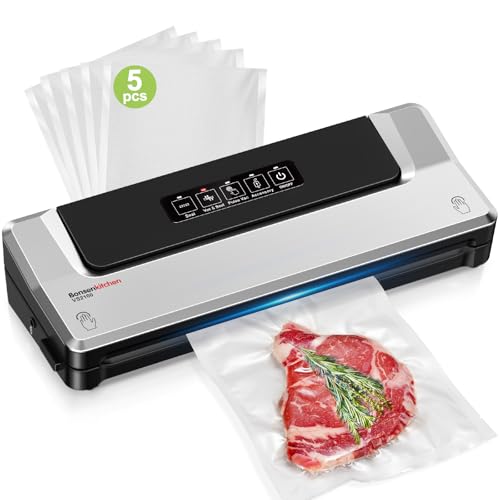
Vacuum Sealer for Meat
Essential for extending freezer life and preventing freezer burn on bulk purchases
What to Look For at the Counter
Color should be light pink to pale red. Avoid tenderloins with dark spots or grayish patches, which indicate age or poor handling.
The surface should be slightly moist but not slimy. A slimy texture means bacterial growth has started.
Check the sell-by date and pick packages with the furthest date out if you’re not cooking immediately.
Some packages include a silver skin, a thin membrane that runs along one side of the tenderloin. It’s edible but chewy and shrinks during cooking, which can warp the shape. Trim it off with a sharp knife before cooking. Slide the blade under the silver skin at one end, angle it slightly upward, and pull the membrane taut as so you slice. It takes 30 seconds and prevents the tenderloin from curling.
Best Cooking Methods

Pan-Sear and Oven Finish
This is the go-to method. Season the tenderloin with salt, pepper, and your choice of spices. Sear all sides in a hot skillet with oil for about 2 minutes per side, then transfer the skillet to a 400°F oven for 15 to 18 minutes. Pull it when the internal temperature reaches 140°F and rest for 5 minutes. Carryover cooking brings it to a perfect 145°F.
Pat the tenderloin dry before searing. Moisture creates steam, which prevents browning. A cast iron or stainless steel skillet works best. Nonstick pans don’t get hot enough for a proper sear.
Use a neutral oil with a high smoke point (vegetable, canola, or grapeseed). Olive oil burns at the temperatures needed for a good crust.
If the skillet handle isn’t oven-safe, transfer the seared tenderloin to a rimmed baking sheet before finishing in the oven.
Grilled
Grill over medium-high direct heat, turning every 3 to 4 minutes for even browning. Total cook time is about 15 to 20 minutes. The small diameter means it cooks through quickly. Use an instant-read thermometer to avoid overcooking.

Instant Read Meat Thermometer
Eliminates guesswork and prevents overcooking lean cuts like pork tenderloin
For charcoal grills, arrange coals in a two-zone setup with all the coals banked to one side. Sear the tenderloin over direct heat for 2 to 3 minutes per side, then move it to the cooler side to finish cooking. This prevents the exterior from charring before the center reaches temperature.
Gas grills make this easier. Sear over high heat on one side, then reduce the burners to medium and continue cooking with the lid closed.
Wood chips or chunks (apple, cherry, hickory) add a light smoke flavor. Soak chips for 30 minutes before adding to the coals or placing in a smoker box on a gas grill. For an even more intense smoky flavor, try finishing your pork with homemade smoked salt.
Sliced Into Medallions
Cut the tenderloin into 1-inch thick rounds and pan-sear them for 3 to 4 minutes per side. Medallions cook in under 10 minutes and are perfect for a quick dinner with a pan sauce.
Medallions are also easier to portion and plate than a whole tenderloin. Three or four medallions per person makes an attractive restaurant-style presentation.
After searing, deglaze the pan with wine, broth, or apple cider, scraping up the browned bits. Reduce the liquid by half, add a tablespoon of cold butter, and swirl to create a glossy pan sauce in under 2 minutes.
Reverse Sear
This method flips the standard approach: slow-roast first, then sear. It gives you more control over the final temperature and produces an edge-to-edge even cook.
Place the tenderloin on a wire rack over a rimmed baking sheet. Roast at 275°F until the internal temperature hits 125°F to 130°F, which takes 25 to 35 minutes depending on thickness.
Pull it from the oven and rest for 5 minutes. Heat a skillet over high heat with a tablespoon of oil and sear all sides for 1 to 2 minutes per side. The interior stays at your target temperature while the exterior crisps up.
The reverse sear works especially well if you’re cooking multiple tenderloins at once. You can roast them all together, then sear them individually right before serving.
Sous Vide
Sous vide produces the most consistent results but requires a water bath setup. Seal the seasoned tenderloin in a vacuum bag or heavy-duty zip-top bag (use the water displacement method to remove air). Cook at 140°F for 1.5 to 2 hours.
After the bath, pat the tenderloin dry and sear in a screaming hot skillet for 1 minute per side. The interior is already at your target temperature, so the sear is purely for texture and flavor.
Sous vide is also forgiving. If you’re delayed by 30 minutes, the tenderloin holds at temperature without overcooking, which is impossible with oven or grill methods.
Seasoning and Marinades

Pork tenderloin’s mild flavor takes to just about any seasoning profile. Salt and pepper alone work, but a rub or marinade adds more interest.
Dry Rubs
A basic all-purpose rub: 1 tablespoon brown sugar, 1 teaspoon smoked paprika, 1 teaspoon garlic powder, 1/2 teaspoon black pepper, 1/2 teaspoon salt. Apply 30 minutes before cooking to let the salt penetrate.
For a spicier version, add 1/2 teaspoon cayenne and 1/2 teaspoon chili powder.
Coffee rubs (1 tablespoon finely ground coffee, 1 tablespoon brown sugar, 1 teaspoon cumin, 1 teaspoon black pepper, 1/2 teaspoon salt) create a dark crust and pair well with a sweet glaze.
Wet Marinades
Acid-based marinades (citrus juice, vinegar, wine) break down surface proteins and add flavor. Limit marinating time to 2 to 4 hours. Longer than that and the exterior turns mushy.
A simple teriyaki marinade: 1/4 cup soy sauce, 2 tablespoons


