
Best Walmart Meat Deals: How to Save on Chicken, Beef & Pork
Walmart is the largest grocery retailer in America, and for millions of families, it’s the primary place to buy…

Walmart is the largest grocery retailer in America, and for millions of families, it’s the primary place to buy meat. Their everyday low pricing model means you won’t find as many flashy weekly sales, but the baseline prices on chicken, ground beef, and pork are consistently competitive.
Knowing how to navigate Walmart’s meat department, spot the real deals, and avoid the overpriced traps can save you hundreds of dollars a year on protein. The key is understanding which cuts offer the best value, when to buy in bulk, and what quality markers separate fresh meat from packages that have been sitting too long.
Disclosure: As an Amazon Associate, this site earns from qualifying purchases. Thank you!
How Walmart Prices Their Meat
Unlike traditional grocery stores that run deep weekly sales and make up the margin elsewhere, Walmart uses an everyday low price (EDLP) strategy. This means their regular prices are lower, but sale prices aren’t as dramatic. The tradeoff works in your favor for consistent budgeting since you know roughly what you’ll spend each trip.
Walmart’s Great Value brand chicken and ground beef are among the cheapest options at any national retailer. The quality is standard USDA-inspected, and for recipes where the meat is seasoned, sauced, or mixed with other ingredients, it performs just fine. You’re not getting Prime-grade beef or heritage-breed pork, but for weeknight tacos, grilled chicken thighs, or slow-cooked pork shoulder, the difference doesn’t matter.
The pricing structure at Walmart favors larger packages and less popular cuts. Family packs consistently beat small-tray pricing by 15 to 30 percent per pound. Bone-in cuts cost less than boneless, and fattier ground beef undercuts the lean varieties by enough to make it worth rendering and draining the extra grease.
Walmart stores restock meat sections throughout the day, but pricing adjustments happen less frequently than at traditional supermarkets. You won’t see the same kind of manager’s special rotation or aggressive evening markdowns common at chains that rely on loss leaders. What you gain is predictability. What you lose is the thrill of finding ribeyes marked down 50 percent at 7 p.m. on a Sunday.
Best Meat Deals at Walmart

Family-size packs of chicken thighs and drumsticks offer the best per-pound value in the poultry section. These large trays are priced lower per pound than the standard packs, and the extra portions freeze well. Chicken leg quarters, sold in 10-pound bags, run even cheaper, often dipping below a dollar per pound. These are whole legs with thigh and drumstick attached. They require more trimming and produce more waste from skin and bone, but the meat yield is substantial, and they’re perfect for stock once you’ve stripped the usable portions.
Ground beef in the 3-pound or 5-pound tubes (sometimes called chubs) is significantly cheaper per pound than the tray-packed ground beef in the display case. The quality is identical. Grab the 80/20 tubes for burgers and tacos, and the 73/27 for chili and meat sauces where extra fat adds flavor. The 93/7 lean ground beef costs more per pound but yields less shrinkage during cooking. For most applications, 80/20 delivers better value and better texture.
Pork shoulder and whole pork loins are almost always priced aggressively at Walmart. These large cuts give you the most meat per dollar and can be broken down at home into multiple meals. A whole pork loin typically weighs 8 to 12 pounds and can be sliced into chops, cubed for stir-fry, or roasted whole. Pork shoulder runs 6 to 10 pounds, and while it needs low-and-slow cooking to break down the connective tissue, it produces pulled pork, carnitas, or stew meat at a fraction of the cost of pre-cut stew cubes.
Whole chickens consistently beat the per-pound price of chicken breasts. You’ll pay competitively priced to competitively priced per pound for a whole bird versus competitively priced to competitively priced for boneless, skinless breasts. Roast it, carve the breast meat, use the thighs and drumsticks for another meal, and simmer the carcass for stock. That’s three outputs from one purchase.
Avoid pre-marinated meats unless you’re specifically paying for convenience. The marinade adds weight, and you’re paying meat prices for liquid. A bottle of teriyaki sauce costs a couple of dollars and will marinate five pounds of chicken. The pre-marinated tray costs an extra competitively priced to competitively priced for the same effect. Learning strategies to save money on meat purchases helps you avoid these common pricing traps.
Quality Checks Before You Buy

Always check the packaging date, not just the sell-by date. Meat packed today will be fresher than meat packed three days ago, even if both have the same sell-by date. Look for packaging that’s tightly sealed with no air pockets, tears, or excess liquid pooling at the bottom. Excessive liquid in the package means the meat has been frozen and thawed, or it’s been sitting long enough for moisture to leach out. Either scenario reduces shelf life once you get it home.
For beef, look for bright red color on the surface. A slightly darker color on interior surfaces is normal (that’s just the absence of oxygen contact), but gray or brown patches on the outside suggest the meat has been sitting for a while. Marbling, the white flecks of fat running through the muscle, indicates better flavor and tenderness. USDA Select beef, common at Walmart, has less marbling than Choice. It’s leaner and cheaper, but it dries out faster during cooking. Plan for shorter cook times or add moisture through braising or marinade.
Chicken should be pink, not gray or yellowish. Avoid any packages where the chicken looks slimy or has an off smell when you open a small gap near the seal. Trust your nose on this one. Fresh chicken smells clean, almost like nothing. Sour or ammonia-like odors mean the meat is past its prime, regardless of what the date on the label says.
Pork should be pale pink to light red. Darker red pork isn’t unsafe, but it indicates an older animal or different genetics. Darker pork tends to be tougher and benefits from slower cooking methods. For chops or tenderloin, stick with lighter pink cuts.
Check the fat on any cut. Fat should be white or cream-colored, not yellow or gray. Yellow fat on beef suggests grass-fed cattle, which is fine, but at Walmart you’re almost always getting grain-fed beef. If the fat looks gray or has dark spots, skip it. Understanding how to identify quality meat at the store gives you confidence in your purchasing decisions.
Walmart vs Costco: Quick Comparison
Costco generally wins on beef, especially USDA Choice and Prime cuts. Their whole sub-primals (like whole strip loins and tri-tip) offer savings that Walmart can’t match. Costco also carries a wider selection of premium cuts. If you’re buying ribeyes, New York strips, or anything you plan to grill as a standalone steak, Costco’s quality advantage is noticeable.
Walmart holds its own on chicken, ground beef, and basic pork cuts. For families without a Costco membership or those shopping for smaller quantities, Walmart delivers solid value without the bulk commitment. A 10-pound case of chicken breasts at Costco is a great deal if you have freezer space and a plan. If you need two pounds for tonight’s dinner, Walmart’s flexibility wins.
The biggest advantage Walmart has is convenience and frequency. You can pop in for a single pack of chicken thighs without fighting warehouse-club crowds or buying more than you need. Costco requires advance planning. Walmart supports impulse decisions and smaller households.
Costco’s pork is comparable to Walmart’s in quality, but the pack sizes are larger. Costco’s ground beef is often a better deal per pound, but again, you’re committing to larger quantities. If you’re buying 5 pounds or less, Walmart’s pricing is close enough that the membership fee and trip logistics don’t justify the marginal savings.
For processed meats like bacon, sausage, and deli meat, Costco usually wins on both quality and price. Walmart’s bacon selection leans heavily on thin-cut, high-water-content options. Costco’s Kirkland brand bacon is thicker, meatier, and often cheaper per pound despite the quality bump.
Markdown and Clearance Strategies

Walmart does mark down meat approaching its sell-by date, though the discounts are typically smaller than what traditional grocery stores offer. Look for yellow clearance stickers on packages in the morning, when overnight staff has rotated the displays. Discounts range from 25 to 50 percent, with 30 percent being most common. That’s enough to make a difference on larger cuts but won’t match the 50 to 75 percent markdowns you might find at a Kroger or Safeway late in the evening.
The clearance section, if your store has a dedicated one, sits near the meat department or sometimes tucked in a corner of the deli area. Not every location maintains a clearance cart. In stores without one, marked-down items stay mixed in with full-price inventory, so you’ll need to scan every section.
Meat marked down in the morning should be cooked or frozen that same day. The sell-by date gives you a narrow window, and waiting until the next day risks spoilage. If the package says “sell by today,” you have tonight to cook it or toss it in the freezer. Freezing halts bacterial growth but doesn’t reverse it. Meat that’s on the edge of going bad will still taste off after thawing, so don’t count on the freezer to rescue questionable clearance purchases.
The Walmart app occasionally features digital coupons for meat products. Check the app before your shopping trip and clip anything relevant. These small savings compound over time. Coupons for meat are less frequent than coupons for pantry staples, but when they appear, they’re usually competitively priced to competitively priced off a specific product. Stack those with a clearance sticker, and you’re looking at meaningful savings. Tracking these deals with a meat price book system helps you recognize when prices are truly low.
Walmart+ members sometimes get early access to deals, though meat-specific perks are rare. The delivery and pickup benefits matter more than exclusive pricing if you’re focused on meat shopping.
When to Stock Up
Stock up when Walmart runs limited-time promotions on meat, which typically happen around major holidays. Memorial Day, Fourth of July, and Labor Day bring lower prices on ground beef, hot dogs, and brisket. Thanksgiving drives turkey and ham promotions. Christmas and New Year’s often feature rib roasts and pork loins.
Outside of holidays, family packs are your standing stock-up opportunity. Buy the largest pack your freezer can handle, portion it at home, and freeze what you won’t use in the next two days. Vacuum sealing extends freezer life to six months or more for most cuts. Without vacuum sealing, use freezer paper or heavy-duty freezer bags and aim to use frozen meat within three to four months.
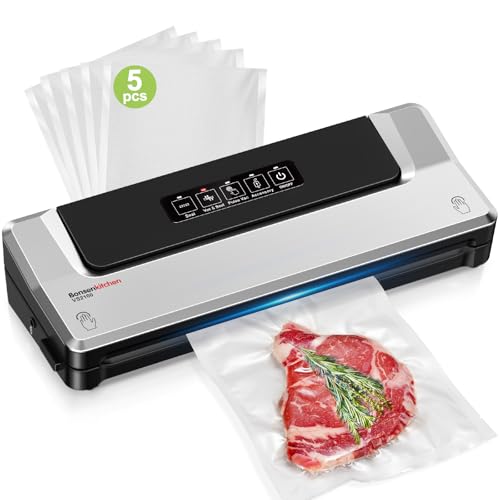
Vacuum Sealer
Essential for extending freezer life of bulk meat purchases to 6+ months
Bone-in cuts freeze better than boneless. The bone insulates the meat and slows freezer burn. Chicken thighs with skin freeze better than boneless, skinless breasts. Ground beef freezes well if you press it flat in a freezer bag to maximize surface area and speed up thawing later.
Label everything with the date and cut type. Frozen meat all looks the same after a few weeks, and playing freezer roulette is a good way to waste food. Use a permanent marker directly on the freezer bag or stick a piece of masking tape on vacuum-sealed packages. Proper meat storage techniques prevent waste and maintain quality.
Cuts to Avoid at Walmart
Pre-cut stew meat costs significantly more per pound than buying a chuck roast and cubing it yourself. The quality is also inconsistent. Stew meat packages often contain trimmings from multiple cuts, which means uneven cooking. Some pieces will be tender, others will stay tough. Buy a whole chuck roast, trim off the large fat cap, and cube it. You’ll save money and get uniform pieces.
Pre-formed burger patties cost more than bulk ground beef and often contain added fillers or seasonings you don’t need. Form your own patties in five minutes and save a dollar or more per pound.
Thinly sliced “sandwich steaks” or “minute steaks” are usually tougher


