
How to Use a Leftover Ham Bone to Stretch Your Grocery Budget
A holiday ham is one of the best deals in the meat case, and not just because of the…

A holiday ham is one of the best deals in the meat case, and not just because of the dinner itself. Once the carved meat is gone, you’ve still got something valuable sitting on the cutting board: that big, smoky bone loaded with collagen, marrow, and flavor. Most people wrap it up and toss it in the trash. That’s money walking out the door.
If you’re already working to save money on meat at the grocery store, stretching a ham bone across two or three meals is one of the easiest wins you’ll find. Here’s exactly how to do it.
Disclosure: As an Amazon Associate, this site earns from qualifying purchases. Thank you!
Why a Ham Bone Is Worth More Than You Think
Ham bones aren’t just scraps. The bone itself contains gelatin-rich connective tissue that, when simmered in water for a few hours, produces a deeply savory stock that would cost you real money to replicate with store-bought broth. The leftover meat clinging to the bone adds even more value.
A typical bone-in ham can yield anywhere from one to three pounds of picked meat after carving, plus enough smoky flavor in the bone to season a whole pot of soup or beans without adding any other protein. That’s three potential meals from something most people discard.
The key is knowing what to do with it before it dries out in the fridge. Ideally, you want to use the bone within three to four days, or freeze it for up to three months.
Step One: Make Ham Bone Stock First

Before you commit the bone to any specific recipe, consider making stock first. You’ll end up with a flavorful base you can use for multiple dishes, and it freezes beautifully in quart containers.
Place the ham bone in a large pot with a rough-chopped onion, a few celery stalks, a couple of carrots, a bay leaf, and a handful of peppercorns. Cover with cold water by about two inches. Bring it to a gentle simmer and let it go for two to three hours. You don’t need a hard boil, just a steady low bubble.
Strain out the solids, let the stock cool, and skim off any fat that rises to the surface. You’ll have a dark amber, smoky broth that works as a base for soups, beans, greens, or even cooking rice and lentils.

Large Stock Pot
A heavy-bottomed 12-quart stock pot gives you enough room to fully submerge the bone and let the collagen do its work over a long, low simmer.
If you’re into making bone broth from other proteins too, the process is very similar to what goes into making bison bone broth, which is worth a read if you want to understand how long simmering and acid additions affect the final product.
Classic Split Pea Soup with Ham Bone

This is the most traditional use of a leftover ham bone, and there’s a reason it’s been around forever. Split peas are cheap, filling, and they turn silky and thick after an hour of cooking without needing any cream or thickener.
You’ll need one pound of dried green split peas, one diced onion, two or three minced garlic cloves, two diced carrots, and two diced celery stalks. Saute the vegetables in a bit of oil until softened, then add the rinsed peas, the ham bone, and enough water or stock to cover by a couple of inches. Simmer partially covered for about 90 minutes, stirring occasionally, until the peas have completely broken down.
Pull out the bone, pick off any remaining meat, and stir it back into the pot. Season with black pepper. You probably won’t need much salt because the ham bone adds plenty on its own. Taste first.
This soup gets better on day two. It thickens overnight in the fridge, so add a splash of water or broth when reheating.
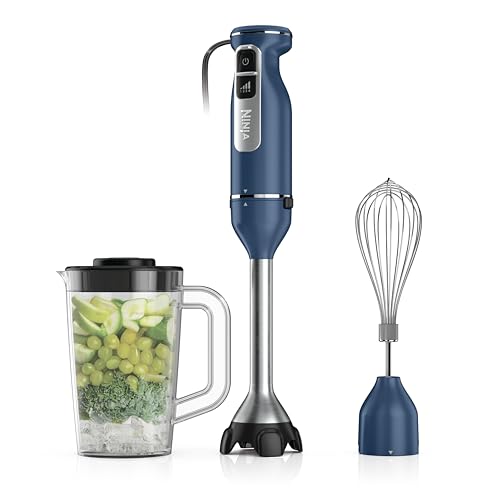
Immersion Blender
A stick blender lets you partially blend the soup right in the pot to get a creamy texture without dirtying a countertop blender.
Ham and Bean Pot

If split pea soup isn’t your thing, a classic ham and bean pot is just as easy and even more versatile. You can use navy beans, great northern beans, or cannellini beans, all of which hold their shape better than split peas while still absorbing that smoky ham flavor deeply.
Soak one pound of dried beans overnight, then drain and rinse them. In your large pot, saute onion, garlic, and a diced green pepper until soft. Add the beans, ham bone, a can of diced tomatoes if you like, and enough water or stock to cover. Simmer for two to two and a half hours until the beans are fully tender.
Remove the bone, shred any remaining meat into the pot, and adjust seasoning. A splash of apple cider vinegar stirred in at the end brightens the whole dish considerably.
This is one of those meals where the low-and-slow approach really pays off. You can also move the whole thing to a slow cooker after the saute step and let it cook on low for six to eight hours if you’d rather walk away.
Serve the beans over rice or with a thick slice of cornbread to stretch the meal even further.
Other Ways to Use the Bone and Picked Meat
Once you’ve got stock made and the bone picked clean, you still have options for using that shredded ham meat across the week.
- Ham fried rice: Dice the picked meat small and stir-fry it with leftover rice, eggs, soy sauce, and frozen peas. It’s a complete meal in under 15 minutes.
- Ham and potato soup: Use your ham stock as the base, add diced potatoes, onion, and a bit of cream or milk, and finish with the shredded ham. Simple and satisfying.
- Collard greens: Drop the ham bone into a pot of collard greens or any braised leafy green. The smoky flavor does the seasoning work for you.
- Ham and cheese frittata: Dice leftover ham and fold it into a baked egg dish for a cheap, high-protein breakfast or brunch option.
- Pasta e fagioli: Use ham stock in place of chicken broth and add the shredded ham meat for a smoky spin on this classic Italian bean and pasta soup.
If you’re serving a crowd and want to make the most of every protein source, these kinds of use-it-all strategies pair well with the best budget meats for protein, which covers how to build high-protein meals without overspending at the meat counter.
Storing and Freezing Your Ham Bone

If you’re not ready to cook right away, wrap the bone tightly in plastic wrap and then a layer of foil, and freeze it. Label it with the date. It’ll keep for up to three months without losing much flavor.
The same goes for your finished stock. Pour cooled stock into freezer-safe quart containers or zip bags laid flat, and you’ve got a pantry staple ready to go whenever you need it. Ham stock in the freezer means the next pot of beans or soup costs almost nothing to start.

Freezer-Safe Food Storage Containers
Wide-mouth quart containers stack neatly in the freezer and make it easy to thaw just the amount of stock you need.
Picked ham meat freezes well too, portioned into small bags. Having it on hand is almost like having deli meat in the freezer, useful for quick meals on busy nights.
Frequently Asked Questions
Can I use a spiral ham bone the same way as a regular bone-in ham bone?
Yes, a spiral ham bone works just as well for stock and soups. Spiral hams tend to be pre-glazed with sugar, which can make the stock slightly sweeter, but it’s not a problem in most recipes. Just taste as you go and avoid adding more sweet ingredients until you’ve assessed the flavor of the stock.
My soup turned out too salty. What can I do?
Ham bones, especially from commercially cured hams, can make a very salty stock. The easiest fix is to add more water, unsalted broth, or starchy ingredients like potatoes or extra dried beans to absorb some of the saltiness. A raw peeled potato simmered in the soup for 20 minutes and then removed can help pull excess salt without affecting flavor much.
Do I need to roast the ham bone before making stock?
You can, but you don’t have to. Unlike beef or chicken bones that benefit significantly from roasting to develop color and depth, a smoked ham bone already has plenty of deep flavor built in. Toss it straight into the pot with your aromatics and you’ll get excellent results. If you want a slightly richer, darker stock, a quick 20-minute roast at 400 degrees before simmering doesn’t hurt.
This article contains affiliate links. We may earn a small commission at no extra cost to you.


