
10 Essential Meat Cuts Guide to Simplify Your Shopping Experience
Key meat cuts for beef, pork, and poultry: Chuck for slow cooking, rib for grilling, loin for searing; Shoulder for slow cooking, belly for rich flavors, loin for lean meals; Breast for lean protein, thighs for flavor, wings for parties; Venison loin, rabbit saddle, and wild boar shoulder for game; Lamb rib chops, shank, and shoulder for lamb; USDA grades, organic, grass-fed labels; Tips for buying meat, butcher shop benefits, marbling importance in beef.

Navigating the meat aisle can feel overwhelming with so many cuts and labels vying for your attention. This guide simplifies your shopping experience, helping you choose the best cuts for your culinary needs.
Disclosure: As an Amazon Associate, this site earns from qualifying purchases. Thank you!
Essential Beef Cuts for Everyday Cooking

When choosing beef for everyday meals, knowing the right cuts can make all the difference. Understanding which cuts deliver the best flavor for your recipes will help you shop with confidence.
Chuck: Ideal for Slow Cooking
Chuck comes from the shoulder. It’s perfect for stews, pot roasts, and slow-cooked dishes. The marbling ensures tender and flavorful results after long, low-heat cooking.
Rib: Perfect for Grilling
Rib cuts, like ribeye steaks, are excellent for grilling. They have a rich flavor and good fat content, ensuring juicy, charred results. They’re easy to cook to perfection on high heat, but knowing how to prevent toughness when grilling ensures the best results every time.
Loin: Best for a Quick Sear
Loin cuts, including T-bone and sirloin steaks, are best for searing. These tender cuts cook quickly and are ideal for fast, high-heat methods like pan-searing or broiling.
Popular Pork Cuts Explained
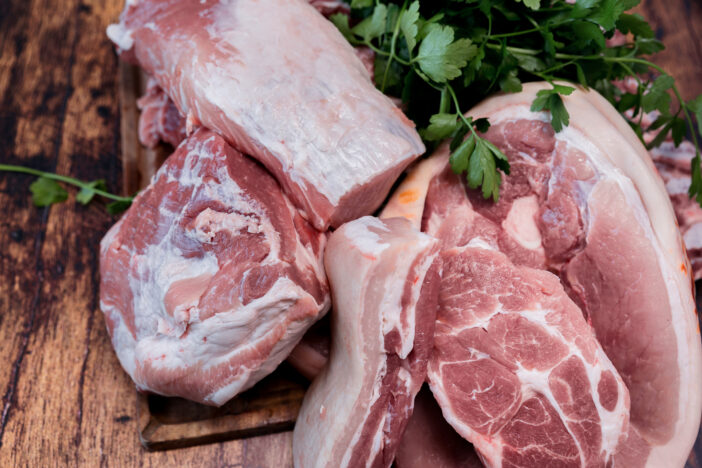
Shoulder: Versatile and Flavorful
Shoulder cuts are perfect for slow cooking. Pork shoulder, also known as Boston butt, is rich and flavorful due to its marbling. Use it for pulled pork, stews, or roasting. The bone-in version brings even more flavor to your dishes.
Belly: Rich in Fat and Flavor
Belly cuts are ideal for dishes requiring deep, succulent flavors. Pork belly is the cut used to make bacon and pancetta. Its high-fat content allows for crisp textures and rich, juicy meats. Slow-roast or braise it for mouthwatering results.
Loin: Lean and Tender
Loin cuts are excellent for quick, lean meals. Pork loin is one of the leanest cuts, making it perfect for roasts and chops. It’s tender and cooks quickly, ideal for grilling, roasting, or even stovetop cooking. Trim excess fat for even healthier dishes.
Must-Know Poultry Sections

Knowing your poultry cuts can elevate your cooking game, whether you’re roasting, grilling, or frying.
Breast: Lean and Healthy
Chicken breasts are your go-to for lean protein. They cook quickly and are perfect for grilling, baking, or slicing into stir-fries. Pro tip: Marinate to keep them moist.
Thighs and Legs: Dark Meat with More Flavor
Thighs and legs pack more flavor. They stay juicy and tender even with longer cooking times. Great for braising, roasting, or BBQ.
Wings: A Party Favorite
Wings are always a crowd-pleaser. Fry or bake for ultimate crispiness and toss in your favorite sauce. Ideal for game days or gatherings.
Specialty Cuts for Game and Lamb

Game and lamb offer unique flavors and textures. Understanding these cuts can elevate your culinary experience.
Game: Understanding Venison, Rabbit, and More
- Venison Loin: Perfect for roasting or grilling. Provides tender cuts ideal for steaks.
- Rabbit Saddle: Best roasted or braised. Offers lean and delicate meat for elegant dishes.
- Wild Boar Shoulder: Ideal for slow cooking. Delivers rich and robust flavors similar to pork but with a gamey twist.
- Lamb Rib Chops: Ideal for grilling. Delivers succulent and flavorful meat, great for quick searing.
- Lamb Shank: Suited for braising. Yields tender, fall-off-the-bone meat rich in flavor.
- Lamb Shoulder: Excellent for slow roasting. Offers flavorful, tender meat perfect for shredding.
Decoding Meat Labels and Grades

Understanding meat labels can make a huge difference in the quality of your meal.
What Does USDA Prime, Choice, or Select Mean?
- USDA Prime: This grade has the most marbling, offering the juiciest and tenderest cuts. It’s typically found in high-end restaurants.
- USDA Choice: A great balance of quality and value, this grade has less marbling than Prime but is still tender and flavorful. Consider this for everyday meals.
- USDA Select: Leaner and less tender, this grade is best for marinating or slow cooking to enhance flavor and tenderness.
- Organic: Indicates the meat was raised without synthetic pesticides, antibiotics, or hormones. Look for the USDA Organic seal for assurance.
- Grass-Fed: Cows primarily eat grass, not grains, which leads to leaner meat and a slightly different flavor profile. It’s often higher in omega-3 fatty acids and antioxidants.
Navigating these labels can ensure you bring home the best cuts for your needs. Understanding how beef grades impact flavor and tenderness will help you make informed purchasing decisions.
Tips for Buying Meat
Finding Quality Meat at the Grocery Store
Look for marbling. Fat specks in beef cuts like ribeye or New York strip mean juicier, flavorful meat.
Check freshness. Pork cuts should be pink, not gray. Fresh chicken has a pink hue with no strong odors.
Watch for packaging. Airtight, vacuum-sealed packs preserve freshness longer. Avoid tears or excessive juices in the package.
When to Opt for the Butcher Shop
Seek expertise. Butchers know the best cuts for specific dishes and can offer custom cuts.
Ask for sourcing. Butcher shops often source from local farms, ensuring fresher and sometimes higher-quality meat.
Get specialty items. Unique cuts like lamb shanks or game meat are more likely to be found at a butcher shop than at a grocery store.


