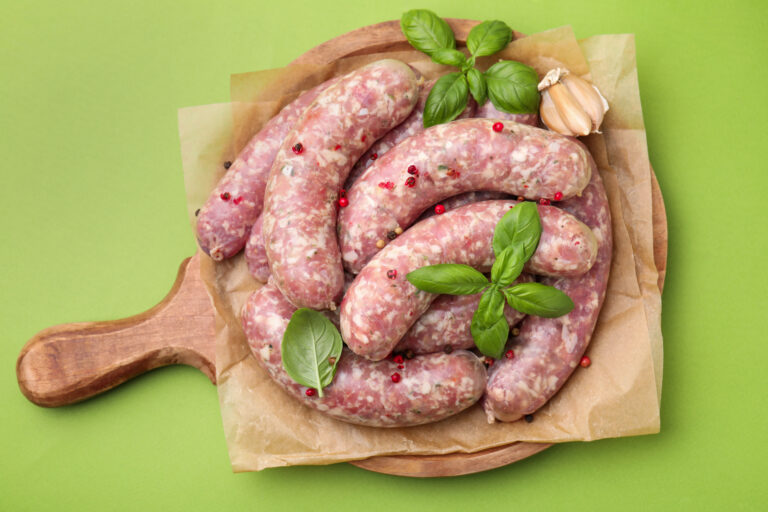
How to Make Homemade Chorizo: Fresh Mexican-Style Sausage Recipe
Learn to make authentic Mexican chorizo at home with the right meat blend, traditional spices, and proper techniques for both loose and cased sausage.

Disclosure: As an Amazon Associate, this site earns from qualifying purchases. Thank you!
Making Fresh Mexican Chorizo at Home
Fresh Mexican chorizo transforms ordinary meals into flavor-packed experiences, and you can make better chorizo than most stores sell. This isn’t the hard, cured Spanish chorizo you slice for charcuterie boards. Mexican chorizo stays fresh and loose, ready to crumble into tacos, scramble with eggs, or mix into queso fundido.
The real advantage of making chorizo yourself? You control the quality of meat, adjust the heat level exactly how you like it, and skip the mysterious fillers and excess fat that commercial versions often hide.
Understanding Mexican Chorizo Composition

Mexican chorizo relies on three core elements working together: the right meat blend, proper fat content, and a bold spice mixture. Getting these fundamentals right matters more than fancy equipment or technique.
The traditional meat base uses pork shoulder, also called pork butt. This cut naturally contains the ideal fat distribution. You want your finished chorizo to have about 20-30% fat content. Less than that, and your chorizo cooks up dry and crumbly. More than 30%, and you’ll end up with pools of grease in your pan.
I prefer staying closer to 25% fat. This ratio keeps the chorizo moist during cooking while still holding together well. If your pork shoulder seems particularly lean, you can add some pork fatback to reach the right percentage.
Essential Spices and Aromatics
The spice blend separates authentic chorizo from generic seasoned ground pork. You need dried chiles as your foundation, not just generic chili powder from the spice aisle.
Ancho chiles provide the base flavor with their mild, slightly sweet profile. Guajillo chiles add brightness and a touch more heat. Toast these dried chiles lightly in a dry pan, remove the stems and seeds, then grind them into powder using a spice grinder or mortar and pestle.
For a standard 2-pound batch of chorizo, use:
- 3-4 ancho chiles (ground into about 3 tablespoons powder)
- 2 guajillo chiles (ground into about 1.5 tablespoons powder)
- 1 tablespoon Mexican oregano (not Italian)
- 2 teaspoons cumin seeds, toasted and ground
- 1 teaspoon ground coriander
- 6-8 garlic cloves, minced fine
- 1.5 teaspoons kosher salt
- 1/2 teaspoon black pepper
- 1/4 teaspoon ground cloves
- 1/4 teaspoon cinnamon
The cloves and cinnamon seem odd if you’ve never made traditional Mexican chorizo, but they add essential depth without tasting sweet or out of place.
The Vinegar Component
Apple cider vinegar brings the mixture together and provides the characteristic tang that Mexican chorizo needs. For 2 pounds of meat, add 1/4 cup of vinegar. This moisture helps distribute the spices evenly and gives the chorizo its slightly sticky texture.
Some recipes call for alcohol like tequila or beer instead of vinegar. I find vinegar more reliable and traditional. The acidity also helps tenderize the meat slightly and extends shelf life by a day or two.
Mixing Your Chorizo
Cut your pork shoulder into 1-inch cubes, keeping the fat attached. Spread the meat on a baking sheet and freeze it for 30-45 minutes until firm but not frozen solid. This chilling step helps the meat grind cleanly instead of smearing.
While the meat chills, mix all your dry spices, garlic, and vinegar in a large bowl. This creates a paste that will coat the meat evenly.
Grind the chilled pork through a meat grinder using a medium plate (about 3/8 inch holes). If you don’t own a grinder, you can ask your butcher to grind pork shoulder for you, though they might not get the texture quite right for sausage making. A food processor works as a last resort, but pulse carefully to avoid creating a paste.
Add the ground meat to your spice mixture and mix thoroughly with your hands. You want every bit of meat coated with the spice blend. Mix for about 2 minutes, but don’t overwork it to the point where the fat starts melting from the heat of your hands.
Testing Your Seasoning

Before you commit to stuffing casings or storing a whole batch, cook a small patty to taste. Heat a small skillet and fry a tablespoon of the mixture until cooked through. Taste it and adjust your seasoning if needed.
Too mild? Add more ground chile or a pinch of cayenne. Not enough salt? Mix in another half teaspoon. This test patty saves you from disappointment later.
Casing vs. Loose Chorizo
You have two options for your finished chorizo. Loose chorizo stays in bulk form, ready to crumble and cook like ground meat. This version works perfectly for most home cooking applications.
Cased chorizo gets stuffed into natural hog casings, creating traditional links. This method takes more work and equipment but gives you proper sausages you can grill whole or slice and pan-fry.
For loose chorizo, simply pack your mixture into containers and refrigerate. It will keep for 3-4 days in the fridge or up to 3 months in the freezer. Form it into 1-pound portions for easier storage.
Stuffing Chorizo Links
If you want to make links, you’ll need natural hog casings and a sausage stuffer. Casings come packed in salt and need rinsing before use. Soak them in warm water for 30 minutes, then run water through them to check for tears and flush out the salt.
Thread a casing onto your stuffer tube and tie off the end. Fill your stuffer with the chorizo mixture, making sure to eliminate air pockets. Start cranking slowly, filling the casing to medium firmness. Too loose and the sausages will be floppy, too tight and they’ll burst during cooking.
Leave about 2 inches of empty casing between links and twist them into individual sausages, alternating the direction of each twist. This prevents them from unraveling. Prick any visible air bubbles with a sterilized pin.
If you’re getting into sausage making seriously, check out our guide on the best sausage stuffers to find equipment that makes the job easier.
Choosing the Right Casings

Natural hog casings work best for Mexican chorizo. They’re traditional, provide good texture, and handle the moist filling without splitting. You can find natural hog casings on Amazon packed in salt, ready to use.
Sheep casings are too small for chorizo. Synthetic collagen casings work in a pinch but don’t provide the same snap and texture. Our article on types of sausage casings covers the options in detail if you want to explore alternatives.
Cooking Fresh Chorizo
Fresh Mexican chorizo must be cooked completely before eating. This isn’t a cured product like Spanish chorizo or salami.
For loose chorizo, heat a skillet over medium heat with no added oil. The chorizo releases plenty of fat as it cooks. Break it into smaller pieces with a wooden spoon and cook for 6-8 minutes until no pink remains.
For links, you have several options. Pan-frying works well: prick the casings a few times, add a small amount of water to the pan, cover, and steam for 5 minutes. Remove the lid, let the water evaporate, and brown the sausages for another 5-7 minutes.
Grilling gives excellent results too. Keep the heat at medium and turn frequently to prevent the casings from bursting. Internal temperature should reach 160°F according to USDA guidelines for fresh pork sausage.
Equipment Worth Having
You can make loose chorizo with just a knife and cutting board, but the right tools make everything easier and produce better results.
A dedicated meat grinder gives you control over texture that you can’t get any other way. The best meat grinders on Amazon range from manual hand-crank models to electric versions. Manual grinders work fine for occasional batches, but electric models save serious effort if you plan to make sausage regularly.
A kitchen scale helps you measure meat and fat precisely. Guessing percentages leads to inconsistent results.
For making links, you’ll need a sausage stuffer as mentioned earlier. Some meat grinders include stuffing attachments, but dedicated stuffers work much better and cause less frustration. Learn more about your options in our complete guide to sausage stuffers.
Variations on the Basic Recipe
Once you’ve mastered traditional Mexican chorizo, you can branch out into regional variations. Chorizo verde uses fresh green chiles and herbs instead of dried red chiles. Blend 4-5 jalapeños, 2 poblanos, 1 bunch of cilantro, and 1/4 cup pepitas with your garlic and vinegar, then mix with the ground pork.
For a smokier version, add 2 teaspoons of smoked paprika or replace one of your ancho chiles with a chipotle. This creates deeper flavor that works especially well for grilling.
Some cooks add orange juice along with the vinegar for a brighter, slightly sweet note. Use 2 tablespoons of juice and reduce the vinegar to 3 tablespoons.
Sourcing Quality Pork
The meat quality makes or breaks your chorizo. Look for pork shoulder from pigs raised without antibiotics if possible. The flavor difference between commodity pork and better-raised meat really shows in simple preparations like sausage.
Talk to your butcher about what you’re making. Many will grind the meat for you if you buy a whole pork shoulder, though you’ll need to add your spices yourself. Some butchers will even sell you fat trimmings separately if your shoulder seems too lean.
Avoid pre-ground pork from the grocery case. You don’t know the fat percentage, and it’s often ground too fine for good sausage texture.
Storage and Food Safety
Fresh chorizo needs careful handling. Keep everything cold while you work. Clean and sanitize all equipment before and after use. The USDA’s food safety guidelines recommend keeping raw ground meat below 40°F at all times.
Store finished chorizo in the coldest part of your refrigerator and use within 3-4 days. For longer storage, wrap portions tightly in plastic wrap, then aluminum foil, and freeze for up to 3 months. Frozen chorizo maintains quality better if you thaw it slowly in the refrigerator overnight rather than using the microwave.
Cooked chorizo keeps for about a week in the fridge. You can cook a full batch and reheat portions as needed throughout the week.
Using Your Homemade Chorizo
Fresh chorizo works in dozens of dishes beyond basic breakfast tacos. Mix it into queso fundido for the best cheese dip you’ll ever make. Crumble it over pizza before baking. Stir it into black beans or pinto beans for incredible flavor depth.
Chorizo and potato tacos become dinner staples once you have homemade chorizo on hand. Brown the chorizo first, remove it from the pan, then fry cubed potatoes in the rendered fat. Combine them back together and serve with warm tortillas.
For breakfast, scramble chorizo with eggs and serve with refried beans. The combination works perfectly for filling burritos or topping crispy tostadas.
You can also check out our collection of homemade sausage recipes for more inspiration on using fresh sausages.
Common Mistakes to Avoid
Don’t skip the step of chilling your meat before grinding. Warm meat smears instead of cutting cleanly, creating a mushy texture instead of proper ground meat.
Avoid using pre-ground commercial chili powder as your main seasoning. Most chili powders contain cumin, garlic powder, and other spices already mixed in. You want pure ground chile peppers so you can control your spice blend precisely.
Don’t overmix your chorizo once you add the spices. Mix just until evenly distributed. Excessive mixing develops the meat proteins too much and creates a dense, bouncy texture instead of the crumbly consistency chorizo should have.
If you’re making links, resist the urge to stuff casings too tightly. Overstuffed sausages burst during cooking and make a mess. Medium-firm tension works best.
Video Tutorial
This video from Glen And Friends Cooking walks through the complete process of making fresh Mexican-style chorizo at home, showing the grinding, mixing, and stuffing techniques in action.
Scaling Your Recipe
The recipe I’ve outlined makes about 2 pounds of chorizo, perfect for home use. You can easily double or triple the batch if you’re comfortable with the process.
Large batches make sense because grinding and mixing takes the same effort whether you’re making 2 pounds or 10 pounds. The limiting factor becomes storage space. Make sure you have enough freezer room before you commit to huge quantities.
Keep your spice ratios consistent regardless of batch size. Simply multiply everything proportionally. If you double the meat, double every spice measurement.
Cost Comparison
Making chorizo at home costs less than buying premium versions and produces far better quality than budget options. You’re also avoiding the fillers, artificial colors, and excess fat that pad out commercial chorizo.
The main expenses are your pork shoulder and dried chiles. Spices last for multiple batches. Once you have the initial investment in equipment like a grinder, each batch becomes quite economical.
You can find pork shoulder at good value throughout the year, and buying whole shoulders gives you better control over fat content than pre-ground options.
Frequently Asked Questions
Can I make chorizo without a meat grinder?
You can use a food processor to chop pork into small pieces, but the texture won’t match properly ground meat. Pulse in short bursts and work in small batches to avoid creating paste. Cutting the meat by hand into very fine dice also works but takes significant time and knife skills. Asking your butcher to grind pork shoulder for you remains the best alternative if you don’t own a grinder.
How long does fresh chorizo last in the refrigerator?
Fresh chorizo keeps for 3-4 days in the refrigerator when stored properly in airtight containers. The vinegar in the recipe helps extend shelf life slightly compared to plain ground pork, but you’re still working with fresh ground meat that needs careful handling. Freeze any chorizo you won’t use within that timeframe. Cooked chorizo lasts about a week refrigerated.
Can I use ground beef or turkey instead of pork?
You can substitute other meats, but the results won’t taste like traditional Mexican chorizo. Pork fat carries the spices differently than beef or turkey fat. If you must use beef, choose ground chuck with about 20% fat content and add some pork fat if possible. Turkey chorizo needs added fat since turkey is naturally lean. Mix in about 20% pork fat or beef fat to prevent dry, crumbly results. The flavor profile changes significantly with these substitutions.
What’s the difference between Mexican and Spanish chorizo?
Mexican chorizo stays fresh and raw until you cook it, similar to other fresh sausages like Italian sausage. Spanish chorizo goes through a curing and smoking process that makes it safe to eat without cooking, similar to salami or pepperoni. The spice blends differ too. Mexican versions emphasize dried chiles, vinegar, and garlic, while Spanish chorizo relies heavily on smoked paprika. You can’t substitute one for the other in recipes because they behave completely differently during cooking.
Final Recommendations
Start with loose chorizo for your first few batches. Master the spice blend and meat handling before you invest time in stuffing casings. Once you’ve dialed in your preferred heat level and seasoning balance, then move on to making links if you want them.
Keep detailed notes about your spice ratios and any adjustments you make. Chorizo recipes evolve over time as you discover what works for your palate. What tastes perfect to you might be too spicy or too mild for someone else.
Making fresh Mexican chorizo at home beats store-bought versions in flavor, quality, and versatility. You’ll use it more often once you have homemade chorizo available because the taste difference genuinely changes your cooking. The process becomes faster with practice, and within a few batches, you’ll wonder why you ever bought pre-made chorizo.
This article contains affiliate links. If you purchase through these links, we may earn a small commission at no extra cost to you.