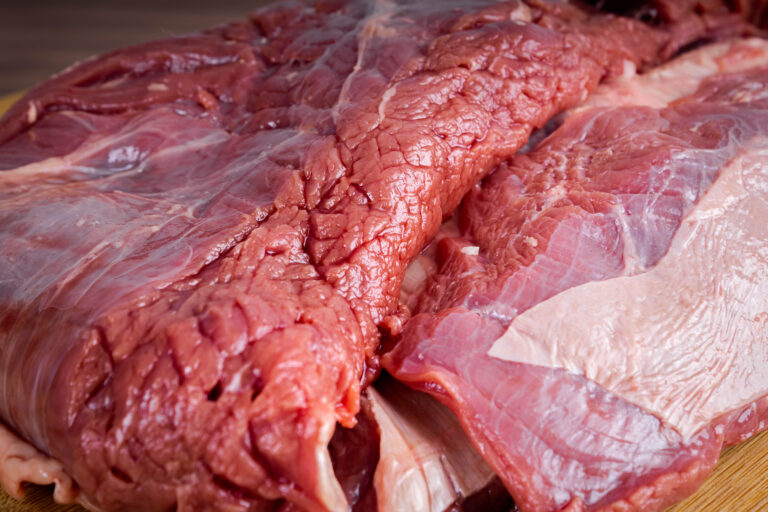
Chuck Roast 101: Where It Comes From and the Best Ways to Cook It
Learn what chuck roast is, where it’s located on the cow, and the best low-and-slow cooking methods to get fork-tender, flavorful results every time.

Chuck roast is one of the most underrated cuts at the butcher counter. It’s packed with flavor, becomes melt-in-your-mouth tender with the right cooking method, and it’s budget-friendly compared to premium cuts like ribeye or tenderloin.
Disclosure: As an Amazon Associate, this site earns from qualifying purchases. Thank you!
What Is Chuck Roast and Where Does It Come From?
Chuck roast comes from the shoulder area of the cow, specifically from the chuck primal cut. This section sits between the neck and the rib section, encompassing the shoulder blade and surrounding muscles.
Because the shoulder does a lot of work during the animal’s life, chuck meat is heavily exercised. That means plenty of connective tissue and intramuscular fat, which translates to incredible flavor but also toughness if you cook it wrong.
The chuck primal produces several different roasts and steaks. Chuck roast typically refers to a thick, boneless cut that weighs between 2 and 5 pounds. You’ll also see variations like chuck eye roast, shoulder roast, or seven-bone roast (named for the bone shape that looks like the number 7).
What Makes Chuck Roast Special
The marbling and connective tissue in chuck roast give it a rich, beefy flavor that rivals expensive cuts. You get the deep, satisfying taste of beef without the premium price tag.
Chuck contains generous amounts of collagen. When you cook this cut low and slow, that collagen breaks down into gelatin, creating a luscious, tender texture and rich cooking liquid. This is why chuck makes the best pot roast and why you’ll rarely see it served as a steak.
The fat content also keeps the meat moist during long cooking times. Leaner cuts would dry out, but chuck stays juicy and flavorful even after hours in the oven or slow cooker.
How to Choose a Good Chuck Roast
Look for a roast with visible marbling throughout the meat. Those white streaks of fat are your guarantee of flavor and tenderness after cooking.
The color should be bright red, not brown or gray. Avoid any packages with excessive liquid, which can indicate the meat has been frozen and thawed or isn’t fresh.
Ask your butcher about the grade. USDA Choice offers excellent marbling for the price. USDA Prime has even more marbling but you’ll pay more. Select grade works fine if you’re cooking it properly, though it’ll be slightly less flavorful.
A 3 to 4-pound roast is ideal for most recipes. It’s large enough to stay moist during cooking but small enough to fit in a standard Dutch oven.
The Best Ways to Cook Chuck Roast
Chuck roast demands low and slow cooking methods. High heat will turn this cut into shoe leather before the connective tissue has time to break down.
Braising in the Oven
Braising is the gold standard for chuck roast. Sear the meat on all sides in a hot Dutch oven to develop a flavorful crust, then add liquid (beef broth, wine, or a combination) until it comes about halfway up the roast.
Cover the pot and slide it into a 300°F oven. Cook for 3 to 4 hours until the meat is fork-tender. You’ll know it’s done when you can easily shred it with a fork.
Add vegetables like carrots, potatoes, and onions during the last 90 minutes of cooking. They’ll absorb all that beefy flavor from the braising liquid.
This method gives you complete control and produces the most consistent results. The even heat of the oven cooks the roast gently from all sides.
Slow Cooker Method
Your slow cooker makes chuck roast completely hands-off. Sear the meat first in a skillet (don’t skip this step), then transfer it to the slow cooker with your liquid and seasonings.
Cook on low for 8 to 10 hours or high for 5 to 6 hours. The long, gentle heat breaks down all that connective tissue perfectly.
The downside is less control over the final texture. Leave it too long and the meat can become stringy. Check it at the minimum time and adjust from there.
For more details on cooking larger roasts properly, check out our guide on how to cook roast beef and keep it juicy.
Pressure Cooker or Instant Pot
If you need dinner fast, a pressure cooker works surprisingly well with chuck roast. Sear the meat using the sauté function, add your liquid and seasonings, then cook on high pressure for 60 to 75 minutes depending on the size.
Let the pressure release naturally for at least 15 minutes. Quick release can make the meat tough.
You won’t get quite the same depth of flavor as traditional braising, but you’ll have tender pot roast in under two hours total.
Smoking Chuck Roast
Chuck roast takes well to smoking, though it’s less common than smoking brisket. Set your smoker to 225°F and plan on 1.5 hours per pound.
Use a water pan to keep the environment moist. Chuck is more forgiving than brisket but can still dry out if you’re not careful.
Wrap the roast in butcher paper or foil when it hits 165°F internal temperature to push through the stall. Continue cooking until it reaches 200 to 205°F for slicing or 205 to 210°F if you want it fall-apart tender.
Oak, hickory, or a blend works well. Check out the best woods for smoking brisket, which apply equally well to chuck roast.
Key Techniques for Success
Always start with a good sear. Heat your Dutch oven or skillet until it’s smoking hot, pat the roast completely dry, and don’t move it until a dark crust forms. This step builds the flavor foundation for the entire dish.
Use enough liquid but not too much. You want about 1 to 2 cups in the pot, enough to create steam and prevent burning but not so much that you’re boiling the meat.
Low temperature is non-negotiable. Whether you’re using an oven, slow cooker, or smoker, keep the temperature under 325°F. Higher heat tightens the muscle fibers before the collagen can break down.
Don’t rush it. Chuck roast needs time. Check for doneness by texture, not by time or temperature alone. The meat should be so tender it falls apart with gentle pressure from a fork.
A good instant-read thermometer helps you monitor the internal temperature. You’re aiming for 190 to 210°F depending on your desired texture.
Storing and Reheating Leftover Chuck Roast
Store leftover pot roast in its cooking liquid if possible. The liquid keeps the meat moist and adds flavor. Transfer everything to airtight containers and refrigerate for up to 4 days.
For longer storage, freeze the meat and liquid together for up to 3 months. Thaw in the refrigerator overnight before reheating.
Reheat gently on the stovetop over medium-low heat or in a 300°F oven covered with foil. Add a splash of broth if the meat seems dry.
Leftover chuck roast makes excellent shredded beef sandwiches, beef tacos, or additions to soups and stews. For more tips on keeping meat fresh, see our guide to the best storage solutions for raw meat.
Essential Tools for Cooking Chuck Roast
A heavy Dutch oven is your best friend for chuck roast. Cast iron or enameled cast iron retains heat evenly and goes from stovetop to oven without issue. A 6 to 7-quart size handles most roasts comfortably.
You can check current prices on Dutch ovens at Amazon to find options that fit your kitchen.
Good kitchen tongs make turning and searing the roast much easier. Get ones with a locking mechanism for storage.
A roasting pan with a rack works if you don’t have a Dutch oven, though you’ll need to cover it tightly with foil to trap moisture.
Meat injectors can help add moisture and flavor to particularly lean chuck roasts, though most cuts have enough natural marbling to stay juicy.
Chuck Roast vs Other Beef Cuts
Chuck roast and brisket both come from heavily worked muscles and both benefit from low and slow cooking. Brisket has a more pronounced grain and develops a different texture, plus it’s the traditional choice for Texas-style barbecue.
Chuck eye roast (not the same as chuck roast) comes from the area closest to the rib section. It has even more marbling and some people call it the “poor man’s prime rib.” It’s excellent but usually costs more than standard chuck roast.
Short ribs offer similar beefy flavor and require similar cooking methods, but they’re sold in smaller portions with bones that add extra flavor to the braising liquid.
Round roast comes from the rear leg and contains much less fat. It’s leaner and less flavorful than chuck. You can use the same cooking methods but expect a drier result no matter how carefully you cook it.
When choosing a steak for the best flavor, you want different qualities than in a roast cut. Chuck isn’t ideal for quick, high-heat cooking unless you’re willing to cook it rare and slice it very thin.
Flavor Combinations That Work
Traditional pot roast seasonings include garlic, thyme, rosemary, and bay leaves. These herbs complement beef without overwhelming its natural flavor.
Red wine adds acidity and depth to the braising liquid. Use something you’d actually drink, not cooking wine. A Cabernet Sauvignon or Merlot works perfectly.
For a different direction, try Asian-inspired flavors like soy sauce, ginger, star anise, and a touch of brown sugar. Chuck roast absorbs these bold flavors beautifully during long cooking.
Coffee and cocoa powder might sound unusual, but they add richness and complexity without making the roast taste like dessert. Add a tablespoon of each to your braising liquid.
Don’t forget salt. Season the meat generously before searing, then taste and adjust the braising liquid after cooking. Under-seasoned pot roast is a common mistake that ruins an otherwise perfect dish.
Frequently Asked Questions
Can you cook chuck roast like a steak?
You can, but it won’t have the tender texture of traditional steak cuts. If you want to try it, cook the chuck roast to rare or medium-rare (125 to 135°F) and slice it very thin against the grain. Any more doneness and it becomes too chewy. Sous vide at 131°F for 24 to 48 hours can also make chuck roast tender enough to eat like a steak, but you’re better off just buying actual steak cuts if that’s what you want.
What temperature should chuck roast be when it’s done?
For pot roast texture, aim for 190 to 210°F internal temperature. At 190°F, the meat is tender but still sliceable. At 205 to 210°F, it’s fall-apart tender. These temperatures are much higher than other beef cuts because you’re waiting for the collagen to fully break down into gelatin. A properly cooked chuck roast will be probe-tender, meaning a thermometer slides in with almost no resistance.
Why is my chuck roast tough and dry?
You either cooked it at too high a temperature or didn’t cook it long enough. Chuck roast goes through a tough phase between 140 and 180°F where the muscle fibers contract but the collagen hasn’t broken down yet. You have to push through to at least 190°F for tenderness. Also, make sure you’re using enough liquid and keeping the pot covered during cooking. Exposed meat dries out even at low temperatures.
Can you overcook chuck roast?
Yes, though it’s harder than undercooking it. After about 210°F, the meat starts breaking down too much and becomes stringy or mushy rather than tender. In a slow cooker, leaving it on low for 12+ hours can have the same effect. The sweet spot is fork-tender but still holding together, which happens around 200 to 205°F for most roasts.
Your Best Bet for Perfect Chuck Roast Every Time
Master the basic braised pot roast in a Dutch oven before you experiment with other methods. It gives you the most control and produces consistently excellent results.
Buy a roast with visible marbling, season it well, sear it properly, and give it enough time at a low temperature. Those four factors determine success more than any fancy technique or expensive equipment.
Chuck roast rewards patience. You can’t rush it and you can’t cut corners. But put in the time and you’ll have some of the most flavorful, satisfying beef you’ve ever eaten, all from one of the most affordable cuts at the meat counter.
This article contains affiliate links. If you purchase through these links, we may earn a small commission at no extra cost to you.