Smoked Prime Rib Recipe: A Showstopper for Holiday Dinners
Learn how to smoke prime rib with this detailed recipe. Includes dry rub, wood selection, temperature targets, and expert tips for perfect medium-rare results.

Smoking a prime rib transforms this already impressive cut into something truly memorable. The low and slow cooking method gives you a tender, perfectly pink interior while building a dark, flavorful crust that you simply can’t achieve in a standard oven.
This smoked prime rib recipe walks you through everything from selecting your roast to hitting that perfect 130°F medium-rare center. You’ll learn which wood to use, how to build a simple dry rub that complements rather than overpowers the beef, and how to manage your smoker temperature for consistent results.
Disclosure: As an Amazon Associate, this site earns from qualifying purchases. Thank you!
Selecting Your Prime Rib for Smoking
You want a bone-in standing rib roast for this recipe. The bones add flavor and help protect the meat during the long smoke. Ask your butcher for a three or four-rib roast, which typically feeds six to eight people with leftovers.
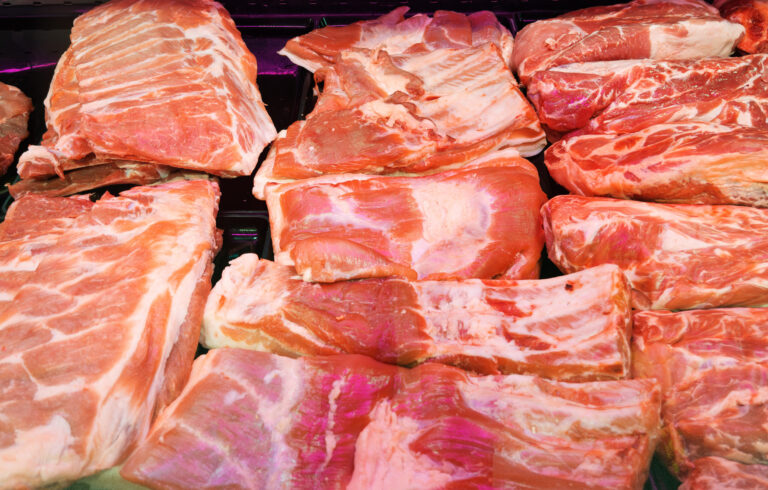
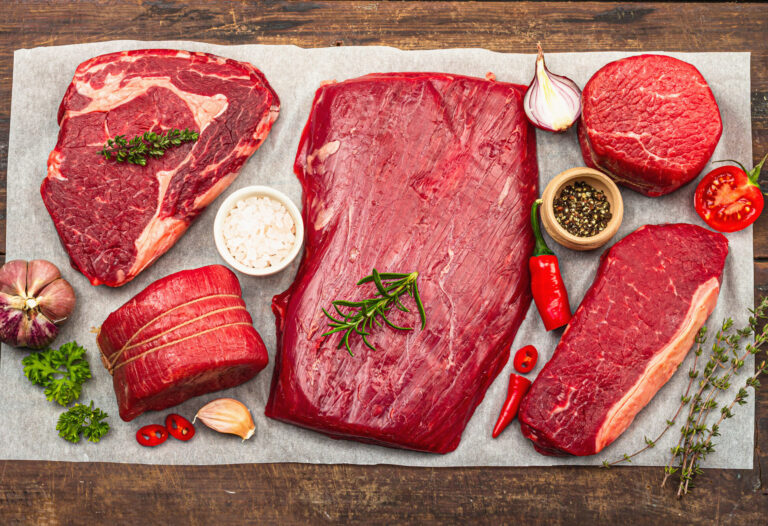
Look for good marbling throughout the meat. Those white streaks of intramuscular fat will render during cooking and keep everything moist. The outer fat cap should be at least a quarter-inch thick but not excessive.
Grade matters here. USDA Prime has the most marbling, but Choice grade works beautifully too and offers better value. Don’t stress too much about the grade designation. Focus on visible marbling and a bright red color instead.
If you need more guidance on selecting quality beef, check out our tips for choosing the best prime rib before you shop.
Essential Equipment for Smoking Prime Rib
Any smoker that maintains steady temperatures between 225°F and 250°F will work. Pellet smokers make temperature control almost automatic, while offset smokers give you more traditional smoke flavor but require more attention.
You absolutely need a reliable meat thermometer. Get a probe thermometer that you can leave in the roast throughout cooking. Trying to guess doneness by time alone is a recipe for disappointment.
A quality instant-read thermometer works as your backup to verify temperatures in multiple spots. These digital thermometers respond in seconds and take the guesswork out of hitting your target temperature.
You’ll also want a sturdy roasting rack or rib rack to keep the meat elevated above the grate. This allows smoke to circulate all around the roast for even cooking and bark development.
Wood Selection for Prime Rib
Oak is my top choice for smoking prime rib. It burns clean, produces moderate smoke, and adds a subtle flavor that doesn’t compete with the beef. You can smoke for hours with oak without any bitter or acrid notes.
Hickory works well if you want a more pronounced smoke flavor. Just use it sparingly or blend it with oak. Pure hickory for the entire cook can overpower prime rib’s delicate, buttery flavor.
Avoid mesquite entirely. It’s too strong and turns bitter during long cooks. Cherry and apple are fine if you prefer fruitwoods, but they’re better suited to pork and poultry than beef.
Use seasoned wood chunks rather than chips. Chunks burn longer and more consistently at these low temperatures. Soak nothing. Dry wood produces better smoke.
The Perfect Dry Rub for Smoked Prime Rib
Keep your rub simple. Prime rib has incredible flavor on its own, and you’re already adding smoke. You want to enhance, not mask.
Here’s what you need:
- 2 tablespoons coarse kosher salt
- 1 tablespoon coarsely ground black pepper
- 1 tablespoon granulated garlic
- 1 teaspoon onion powder
- 1 teaspoon dried thyme
- 1 teaspoon dried rosemary, crushed
Mix everything together in a small bowl. This makes enough for a three to four-rib roast. Double it for larger cuts.
The coarse salt and pepper are important. Fine table salt tastes harsh and doesn’t form the same crust. Freshly cracked pepper from a grinder beats pre-ground every time.
Some pitmasters add smoked paprika to their beef rubs for extra color and a subtle sweet-smoky note. It’s optional but worth trying if you have quality paprika on hand.
Preparing Your Prime Rib
Take the roast out of the refrigerator at least two hours before smoking. You want it close to room temperature for even cooking. A cold roast takes longer to come up to temp and cooks unevenly.
Pat the entire surface completely dry with paper towels. Moisture is the enemy of bark formation. You want that rub adhering directly to dry meat.
Score the fat cap in a crosshatch pattern, cutting about a quarter-inch deep. This helps the fat render and allows smoke and seasoning to penetrate better.
Apply a thin layer of yellow mustard all over the roast if you want extra rub adhesion. The mustard flavor disappears during cooking but helps create an incredible crust. You can skip this step and just press the rub directly onto the meat, but I find mustard helps.
Coat the entire roast generously with your dry rub. Press it into the meat so it sticks. Don’t forget the ends and between the bones. Let the seasoned roast sit at room temperature for 30 minutes before it goes on the smoker.
Smoking Temperature and Time
Preheat your smoker to 225°F. This low temperature gives you maximum smoke absorption and a perfect medium-rare center without overcooking the outer portions.
Place the prime rib bone-side down on your rack. The bones act as a natural heat shield for the meat. Insert your probe thermometer into the thickest part of the roast, making sure it’s not touching bone or fat.
Plan on roughly 35 to 40 minutes per pound at 225°F, but ignore the clock and follow your thermometer instead. A four-rib roast weighing eight to ten pounds typically takes four to five hours.
Maintain steady smoke for the first two to three hours. After that, you can ease off on adding wood. Too much smoke late in the cook creates bitter flavors.
Don’t open the smoker unnecessarily. Every peek drops the temperature and extends cooking time. Trust your thermometer probe and leave the lid closed.
Target Internal Temperatures
Pull your prime rib at 120°F for rare, 125°F for medium-rare, or 130°F for medium. The temperature will rise another five to ten degrees during resting.
Medium-rare (final temp 130-135°F) is ideal for prime rib. You get that perfect pink center with warm, rendered fat throughout. Going past 140°F internal temperature wastes the quality of this cut.
Check the temperature in multiple spots, especially if you have an irregularly shaped roast. The thinner end will cook faster than the thick center portion.
The Reverse Sear (Optional but Recommended)
After smoking to your target temperature, you can finish with a high-heat sear for an even better crust. This step is optional but creates restaurant-quality results.
Remove the prime rib from the smoker when it hits about 115°F to 120°F. Crank your smoker up to 500°F, or better yet, move the roast to a preheated grill or hot oven.
Sear for two to three minutes per side until the exterior is deeply browned and crispy. Watch it closely. The line between perfect crust and burnt is thin at these temperatures.
This technique gives you the best of both worlds: smoky flavor throughout plus a steakhouse-quality crust. It’s worth the extra effort for special occasions.
Resting Your Smoked Prime Rib
Transfer the finished roast to a cutting board and tent it loosely with foil. Rest for at least 20 minutes, preferably 30.
Resting lets the juices redistribute throughout the meat. Cut too early and all those flavorful juices run out onto your cutting board instead of staying in each slice.
The internal temperature will continue rising during this rest period. That’s carryover cooking, and it’s why you pull the roast five to ten degrees below your final target temperature.
Don’t wrap the roast tightly in foil. Loose tenting maintains the crust you worked hard to build. Tight wrapping steams the bark and makes it soft.
Carving and Serving
Remove the bones as one piece by running a long, sharp knife along the contour of the bones. Set them aside. They make incredible gnawing for anyone in the kitchen while you slice.
Slice the boneless roast against the grain into half-inch thick pieces. You can go thinner if you prefer, but half-inch slices show off that perfect pink interior and smoke ring.
Arrange the slices on a warm platter. Those bones you set aside can go back on the platter for presentation if you want to get fancy.
Serve with creamy horseradish sauce, au jus, or just coarse salt on the side. The meat speaks for itself and doesn’t need heavy sauces. For side dishes that pair perfectly with this showstopper, our beef short rib side dishes guide offers excellent complementary options.
Complete Smoked Prime Rib Recipe
Here’s the full recipe in one place for easy reference:
Ingredients:
- 1 bone-in standing rib roast (3-4 ribs, 8-10 pounds)
- 2 tablespoons yellow mustard (optional)
- 2 tablespoons coarse kosher salt
- 1 tablespoon coarsely ground black pepper
- 1 tablespoon granulated garlic
- 1 teaspoon onion powder
- 1 teaspoon dried thyme
- 1 teaspoon dried rosemary, crushed
Instructions:
- Remove prime rib from refrigerator 2 hours before cooking
- Preheat smoker to 225°F with oak or hickory wood
- Pat roast completely dry with paper towels
- Score fat cap in crosshatch pattern, cutting 1/4-inch deep
- Apply thin layer of mustard if using
- Mix all dry ingredients and apply generously to entire roast
- Let seasoned roast sit 30 minutes at room temperature
- Place roast bone-side down on smoker, insert probe thermometer
- Smoke at 225°F until internal temperature reaches 120-125°F for medium-rare
- Optional: sear at high heat (500°F) for 2-3 minutes per side
- Rest loosely tented with foil for 20-30 minutes
- Remove bones, slice against the grain, and serve
This video from Meat Church BBQ demonstrates the entire process beautifully:
Common Mistakes to Avoid
Oversmoking ruins more prime ribs than undercooking. Back off the wood after the first two hours. The meat stops absorbing smoke efficiently once the surface dries and forms bark.
Starting with a cold roast is another frequent error. That cold center takes forever to come up to temperature while the outside overcooks. Always bring your meat close to room temperature first.
Skipping the resting period is tempting when hungry guests are waiting, but it’s a mistake you’ll regret. Those 20 to 30 minutes make the difference between a good prime rib and a great one.
Using the wrong thermometer placement gives false readings. Make sure your probe is in the thickest part of the meat, not touching fat or bone. Both will give you inaccurate temperatures.
Smoking Prime Rib on a Pellet Grill
Pellet grills make smoking prime rib almost foolproof. Set your target temperature, and the controller maintains it automatically. You get consistent results without babysitting the fire.
Use a quality pellet blend designed for beef. Competition blend or straight oak pellets work perfectly. Avoid pellets with too much mesquite or hickory content.
One downside of pellet grills is lighter smoke flavor compared to stick burners. You can compensate by using a smoke tube filled with pellets for extra smoke during the first two hours.
For those considering equipment upgrades, a pellet grill smoker offers excellent temperature control and convenience for big roasts like this.
Making Ahead and Reheating
You can smoke your prime rib a day ahead if needed. Pull it off at 115°F, cool it completely, and refrigerate. The next day, bring it to room temperature and finish it in a 200°F oven until it hits 125°F internal temperature.
Leftover smoked prime rib keeps for three to four days refrigerated. Slice only what you need and keep the rest in a large piece. Sliced meat dries out faster.
Reheat gently in a low oven (250°F) until just warmed through. High heat turns leftovers gray and tough. You can also slice it thin for incredible roast beef sandwiches served cold.
Leftover smoked prime rib bones make phenomenal stock. Roast them at 400°F for 20 minutes, then simmer with vegetables and herbs for rich, smoky beef stock.
Pairing Your Smoked Prime Rib with Other Holiday Dishes
If you’re planning a full holiday spread, consider how your smoked prime rib fits with other proteins. A holiday ham offers a nice contrast in flavor and gives guests options.
Smoked sides complement the beef beautifully. You could prepare smoked sausages as appetizers while the prime rib finishes cooking.
Keep your sides simple and classic. Roasted vegetables, creamy mashed potatoes, and a crisp salad let the prime rib shine. Save complicated sides for meals with less impressive main courses.
Cost Considerations for Smoked Prime Rib
Prime rib represents a significant investment, especially during holiday seasons when demand drives prices higher. Plan ahead and watch for sales at warehouse stores and butcher shops.
Buying a whole primal rib roast and cutting it yourself saves money compared to pre-cut portions. You’ll need a sharp knife and some confidence, but it’s not difficult.
Choice grade offers excellent value compared to Prime grade. You’ll save considerably per pound while still getting a delicious roast. Focus on visible marbling rather than the grade stamp.
Don’t waste trimmings. Save any fat you trim for rendering into tallow. Bones make incredible stock. Even small meat scraps can become the base for a rich beef gravy.
Scaling the Recipe Up or Down
A two-rib roast feeds four to six people and cooks in three to four hours. Scale your dry rub down proportionally. Everything else in the process stays the same.
Larger roasts (five to seven ribs) take longer but don’t require any technique changes. Just extend your cooking time and monitor that internal temperature carefully. Plan on at least six hours for a seven-rib roast.
Multiple smaller roasts cook faster than one massive piece. If you’re feeding a crowd, consider two four-rib roasts instead of one eight-rib monster. You’ll finish faster and get more of that prized bark per serving.
Frequently Asked Questions
Should I smoke prime rib fat side up or down?
Bone side down is the correct orientation. The bones act as a heat shield, protecting the meat from direct heat while allowing smoke to circulate. The fat cap should face up so it bastes the meat as it renders. Some people flip halfway through, but I find it unnecessary and risks losing your temperature probe placement.
Can I smoke a boneless prime rib roast?
Yes, boneless ribeye roasts smoke beautifully using this same method. Without bones to shield the meat, you might want to cook at 200°F instead of 225°F to prevent overcooking the exterior. Expect slightly faster cooking times since there’s no bone mass to heat. Tie your boneless roast with butcher’s twine every two inches for even cooking. Check out our smoked ribeye roast tips for more details on boneless cuts.
How much prime rib do I need per person?
Plan on one pound per person for bone-in prime rib. That accounts for bone weight and gives everyone a generous serving with some leftovers. For boneless roasts, three-quarters of a pound per person is plenty. Active eaters or folks who love leftovers might want closer to one and a half pounds per person. Better to have extra smoked prime rib than not enough.
What’s the smoke ring and why does it matter?
The smoke ring is that pink layer just under the crust. It forms when nitrogen dioxide from burning wood reacts with myoglobin in the meat. While it indicates good smoke exposure, it’s purely cosmetic and doesn’t affect flavor. You get better smoke rings at lower temperatures (225°F or below) and with proper airflow. Don’t obsess over it, but a good smoke ring does look impressive when you slice.
Final Thoughts on Smoking Prime Rib
Smoked prime rib delivers maximum impact for holiday dinners and special occasions. The technique isn’t complicated, but the results impress everyone at your table. Focus on quality beef, keep your seasoning simple, maintain steady temperature, and pull it off at the right internal temp.
This cooking method gives you more margin for error than oven roasting. The low and slow approach means the difference between 125°F and 130°F is 10 to 15 minutes rather than three minutes. You have time to correct course if needed.
Master this smoked prime rib recipe, and you’ll have a signature dish that brings people back year after year. The combination of wood smoke, beef fat, and simple seasonings creates something truly memorable. Start checking prices on prime ribs early, get your smoker dialed in, and prepare for the compliments.
This article contains affiliate links. If you purchase through these links, we may earn a small commission at no extra cost to you.