How the Science of Marinades Works: Acid, Oil, Salt, and Time
The food science behind marinades: how acid denatures proteins, oil carries flavor, salt draws moisture, and why longer isn’t always better.

Marinades transform meat through four key mechanisms: acid denatures surface proteins, oil carries fat-soluble flavors into the meat, salt changes protein structure to retain moisture, and time allows these ingredients to penetrate. Understanding how each component works helps you create better marinades and avoid common mistakes that can turn your meat mushy or flavorless.
Disclosure: As an Amazon Associate, this site earns from qualifying purchases. Thank you!
How Acid Denatures Proteins in Marinades
Acid breaks down protein structures on the meat’s surface, creating a tender outer layer. This process, called denaturation, unravels tightly coiled protein molecules and makes them more pliable. Vinegar, citrus juice, wine, and yogurt all contain acids that trigger this reaction.
The problem with acid is that it only penetrates about 1/8 inch into the meat, even after several hours. You’re not tenderizing the entire cut, just creating a softer exterior. This works well for thin cuts like skirt steak where the acid can affect a significant portion of the meat’s thickness.
Too much acid or too much time creates a mushy, unpleasant texture. The proteins break down so much that they lose their ability to hold moisture. You’ll end up with meat that’s grainy and dry after cooking, with a weird spongy feel.
Stick to marinades with 15-20% acid content maximum. For a one-cup marinade, use no more than 3-4 tablespoons of acidic ingredients. Time limits matter too: chicken and fish need 30 minutes to 2 hours, pork and beef can go 2-8 hours, but anything beyond 12 hours is overkill for acid-based marinades.
Why Oil Carries Flavor Into Meat
Oil doesn’t tenderize meat at all. It functions as a flavor vehicle, dissolving fat-soluble compounds from herbs, spices, and aromatics and carrying them toward the meat’s surface. Many of the most potent flavor molecules are fat-soluble, which means they dissolve in oil but not in water or acid.
Olive oil works best for Mediterranean flavors, while neutral oils like canola or grapeseed let other ingredients shine without competing. Sesame oil brings its own strong flavor that works perfectly in Asian-style marinades but overwhelms delicate herbs.
You don’t need much oil. Two to four tablespoons per cup of marinade provides enough to coat the meat and extract flavors from your seasonings. More oil than that just pools in your container and gets thrown away.
Oil also prevents meat from sticking to the grill. That thin coating creates a barrier between the metal grates and the protein, reducing the frustrating tearing that happens when you try to flip delicate cuts.
The Science of Salt in Marinades
Salt changes everything about how marinades work. Unlike acid, salt actually penetrates deep into meat over time, restructuring proteins throughout the entire cut. This process, called brining when done with salt water alone, makes meat juicier and more flavorful.
Salt dissolves muscle proteins, turning them from tight fibers into a gel-like matrix that traps moisture. When you cook salted meat, it retains significantly more liquid than unsalted meat. Studies show properly salted meat can retain 10-15% more moisture after cooking.
The recommended salt concentration is 1-2% by weight for wet marinades. In practical terms, use 1-2 teaspoons of kosher salt per cup of liquid marinade. This concentration pulls moisture out of the meat initially, then that moisture dissolves the salt and carries it back into the meat along with dissolved seasonings.
Salt needs time to work. You’ll see minimal benefit from salt in marinades under 2 hours. For thick cuts like pork chops or chicken breasts, 4-8 hours gives salt enough time to migrate into the center. Overnight marinating with proper salt levels produces the best results for most cuts.
Understanding Marinade Penetration and Time
Marinades work from the outside in, which means they affect thin cuts more effectively than thick ones. A half-inch chicken cutlet gets much more flavor penetration than a two-inch ribeye, simply because the marinade has less distance to travel.
Stabbing meat with a fork doesn’t help. This common trick creates channels that close up immediately as the muscle fibers contract. You’re just making holes that let more juice escape during cooking. Skip the fork torture and rely on proper time and salt instead.
Temperature affects marinade speed. Marinating at room temperature for 30-60 minutes works faster than refrigerator marinating, but you risk bacterial growth beyond that timeframe. Always refrigerate marinades that will sit for more than an hour.
For maximum flavor without texture damage, separate your marinade into two stages. Use a dry rub with salt and spices first (4-24 hours), then add a wet marinade with acid and oil for just the final 1-2 hours before cooking. This gives salt time to work without over-exposing the meat to acid.
Enzyme-Based Marinades: The Nuclear Option
Certain ingredients contain protein-digesting enzymes that tenderize meat much more aggressively than acid. Pineapple (bromelain), papaya (papain), kiwi (actinidin), and ginger (zingibain) all contain enzymes that literally digest muscle fibers.
These enzymes work fast and don’t stop. Thirty minutes in a papaya-based marinade can turn the surface of your steak into mush. Use these ingredients sparingly and never marinate with them for more than 30-60 minutes.
Cooking or canning deactivates these enzymes. Canned pineapple won’t tenderize your meat because the heat processing destroyed the bromelain. Only fresh fruit contains active enzymes.
Ginger offers the mildest enzymatic action and adds excellent flavor, making it the best choice if you want some enzymatic tenderizing without the mushiness risk. Grate fresh ginger into marinades and limit contact time to 1-2 hours maximum.
Building a Balanced Marinade Formula
Start with a basic ratio and adjust from there. A good foundation uses 3 parts oil, 1 part acid, 1-2 teaspoons salt per cup, plus aromatics and spices to taste. This ratio provides enough of each component to do its job without overwhelming the others.
Layer your flavors thoughtfully. Use acid that complements your other ingredients: balsamic vinegar for Italian herbs, rice vinegar for Asian flavors, lime juice for Latin seasonings. The acid should enhance the overall profile, not fight against it.
Fresh herbs work better than dried in marinades because oil extracts their flavors more effectively. Crush or bruise herbs before adding them to release more aromatic compounds. Garlic should be minced or pressed to maximize its contact with the oil.
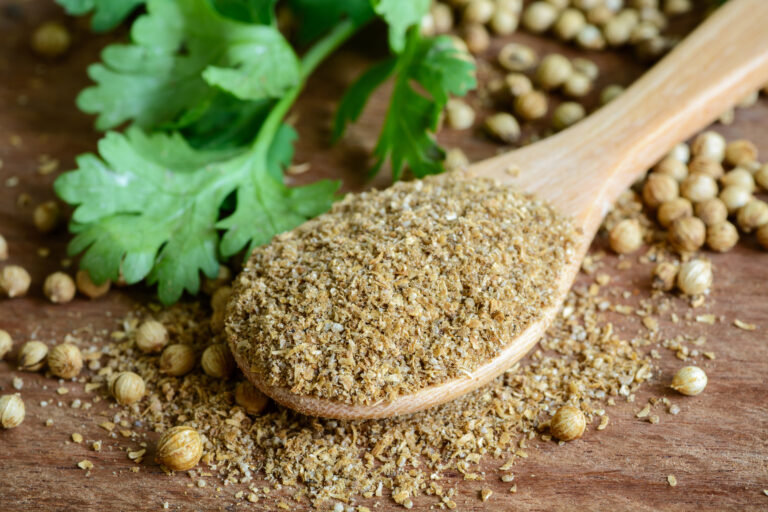
Whole spices need toasting and grinding to release their full potential. Toast cumin, coriander, or peppercorns in a dry pan until fragrant, then grind and add to your marinade. This extra step makes a noticeable difference in the depth of flavor.
Best Practices for Different Proteins
Chicken breasts benefit from moderate acid and salt, marinated 2-6 hours. Their mild flavor absorbs marinades well, and their lean texture needs the moisture retention that salt provides. Greek yogurt marinades work exceptionally well for chicken because the lactic acid tenderizes gently while the dairy adds richness.
Beef steaks need minimal marinating. Quality cuts already have plenty of flavor and tenderness, and over-marinating can mask the beef taste you paid for. Save aggressive marinades for tougher cuts like flank steak or use a simple salt and pepper rub for ribeyes and strip steaks.
Pork chops sit in the middle. They’re lean enough to benefit from moisture-retaining salt but flavorful enough that they don’t need heavy seasoning. Brine-based marinades with brown sugar, garlic, and herbs work perfectly for pork, giving you juicy chops with a balanced taste.
Fish and seafood require the gentlest treatment. Limit acid exposure to 15-30 minutes maximum, or the flesh will start to “cook” from the acid alone. A light coating of oil with fresh herbs and a quick 20-minute rest gives you plenty of flavor without turning the fish mushy.
Common Marinating Mistakes to Avoid
Using metal containers creates off-flavors because acid reacts with aluminum or copper. Always marinate in glass, ceramic, or food-grade plastic containers. Plastic zip-top bags work great because they conform to the meat’s shape and require less marinade.
Reusing marinade that touched raw meat is unsafe unless you boil it first. Bacteria from raw meat contaminates the marinade, and brushing it on during cooking won’t get it hot enough to kill pathogens. Make extra marinade if you want to use it as a sauce, and keep it separate from the batch that touches raw meat.
Marinating frozen meat wastes time. The marinade can’t penetrate frozen muscle fibers, and you’ll end up with seasoning that sits on the surface. Always thaw meat completely before marinating.
Over-crowding your marinating container prevents even coverage. Meat pieces should lie in a single layer with marinade surrounding all surfaces. If you’re marinating multiple pieces, turn them halfway through to ensure even exposure.
Equipment That Makes Marinating Easier
Vacuum marinade containers speed up the process by using pressure to push marinade into meat faster. These vacuum containers on Amazon can reduce marinating time by 50% or more, which helps when you’re short on planning time.
Marinade injectors work best for large cuts like whole chickens or pork roasts. They deliver seasoning directly into the meat’s interior, creating flavor throughout instead of just on the surface. Look for meat injectors with multiple needles that distribute marinade more evenly.
A good instant-read thermometer helps you monitor whether your marinating meat stays at safe temperatures. Meat should stay below 40°F during extended marinating. Check out quality digital thermometers if you don’t already have one.
When Not to Marinate
Premium steaks don’t need marinades. You’re paying for inherent flavor and tenderness, and covering that up with aggressive seasonings defeats the purpose. Salt and pepper applied just before cooking brings out the beef flavor better than any marinade.
Dry-aged meat already has concentrated flavor and tender texture. Marinating it dilutes the complex taste you paid extra to get. A light brush of oil and some coarse salt is all dry-aged beef needs.
Very thin cuts cook so fast that marinades don’t have time to penetrate before you need to start cooking. Season these cuts with dry spices just before they hit the heat instead of wasting time on marinades.
Delicate fish like sole or flounder can fall apart from acid exposure. A quick brush of oil and lemon juice after cooking preserves the texture while adding brightness.
Storage and Food Safety
Keep marinating meat on the bottom shelf of your refrigerator to prevent drips from contaminating other foods. Use a rimmed container or place your bag in a bowl to catch any leaks.
Label your marinade containers with the start time. This helps you track exactly how long the meat has been marinating and prevents accidental over-marinating when you get busy with other tasks.
Discard marinade after 24 hours even if you haven’t used it yet. Bacteria can grow in acidic environments, especially if the marinade contains garlic or fresh herbs. Fresh marinades work better anyway because volatile flavor compounds dissipate over time.
Never marinate at room temperature for more than one hour. The temperature danger zone (40-140°F) allows rapid bacterial growth. Even if you plan to cook the meat thoroughly, the toxins some bacteria produce can survive cooking.
Frequently Asked Questions
Does marinating actually tenderize tough cuts of meat?
Marinades provide minimal tenderizing for tough cuts. Acid and enzymes only penetrate the outer 1/8 inch of meat, leaving the interior unchanged. Salt helps somewhat by changing protein structure, but truly tough cuts need mechanical tenderizing (pounding) or long, slow cooking methods like braising. Marinating adds flavor to tough cuts but won’t transform a chuck roast into tenderloin.
Can you marinate meat too long?
Yes, over-marinating creates mushy, unpleasant texture. Acid breaks down proteins so much that they can’t hold moisture anymore, resulting in dry, grainy meat after cooking. Fish and seafood turn mushy after just 30-60 minutes in acidic marinades. Chicken becomes unpleasantly soft after 12 hours. Even beef and pork deteriorate after 24 hours. Enzyme-based marinades work even faster, creating mush in as little as 2 hours.
Should you rinse marinade off meat before cooking?
Pat the meat dry instead of rinsing it. Rinsing washes away surface seasonings you spent hours developing, and water droplets prevent proper browning. Use paper towels to blot excess marinade, especially before grilling, because dripping marinade causes flare-ups. The thin layer of marinade that remains after patting dry provides plenty of flavor and helps with browning.
Do you need to flip meat while it’s marinating?
Flip meat halfway through marinating time if it’s not fully submerged. This ensures even exposure to the marinade on all surfaces. If you’re using a zip-top bag with minimal air, flipping isn’t necessary because the bag conforms to the meat and keeps all surfaces coated. For container marinating where meat sits in liquid, one flip at the halfway point gives you even results.
The Real Value of Marinades
Marinades excel at adding surface flavor and improving moisture retention through salt, not at transforming tough meat into tender cuts. Use them to complement good meat, not to fix bad meat. A well-balanced marinade with appropriate acid levels, enough salt, and quality aromatics makes chicken breasts juicier, gives pork chops more complexity, and adds welcome variety to your grilling routine.
Focus on salt content and time over acid intensity. The proteins respond better to gradual restructuring from salt than aggressive breakdown from acid. Your meat will taste better and have better texture if you prioritize getting enough salt into it rather than maximizing acid exposure.
For most home cooking situations, a simple approach works best: salt your meat 4-24 hours ahead, then add a light marinade with oil, moderate acid, and fresh aromatics for just the final 1-2 hours before cooking. This two-stage method gives you the moisture benefits of salt brining and the surface flavor of traditional marinades without the texture problems from extended acid exposure. Whether you’re preparing brisket for smoking or quick-cooking chicken, understanding these principles helps you make better decisions about when to marinate, what to include, and how long to wait.
This article contains affiliate links. If you purchase through these links, we may earn a small commission at no extra cost to you.