How to Build a Charcuterie Board That Actually Gets Eaten
Learn how to build a charcuterie board people actually demolish. Practical tips on meat selection, cheese pairing, arrangement, and portions that work.

You can follow a dozen charcuterie board tutorials and still watch your guests politely nibble around the edges while half your ingredients go to waste. The problem isn’t your taste or your budget. It’s that most charcuterie guides prioritize Instagram appeal over actual eating, leaving you with a pretty board that nobody wants to destroy.
This guide focuses on building a charcuterie board people actually demolish. You’ll learn which meats to pick, how to pair cheeses without overthinking it, and arrangement tricks that make your board look intentional without requiring an art degree.
Disclosure: As an Amazon Associate, this site earns from qualifying purchases. Thank you!
Start With Three Meats (And Pick the Right Ones)
Your meat selection makes or breaks the board. You need variety in texture, flavor intensity, and visual appeal. Three different meats hit the sweet spot for most gatherings without overwhelming your guests or your wallet.
Pick one bold, spicy option like salami or soppressata. These cured meats provide that punch of flavor that keeps people coming back. Fold each slice in half or quarters rather than laying them flat. This creates height and makes them easier to grab.
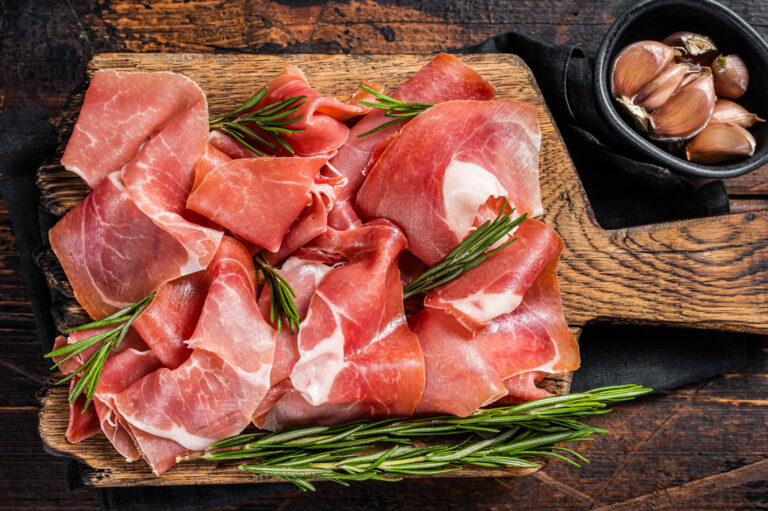
Add one mild, thinly sliced option like prosciutto or speck. These delicate meats appeal to guests who find salami too intense. Prosciutto alternatives work just as well if you’re looking for something different. Drape these slices loosely on the board instead of stacking them neatly. You want them to look abundant and touchable.
Finish with one interesting textured meat like a dry-cured chorizo or a pâté. This third option gives your board personality and starts conversations. Slice hard salamis on a bias to create larger, more impressive pieces.
For a standard 12-inch board serving 8-10 people, you’ll want roughly 3 ounces of each meat type. That’s about 9 ounces total, which sounds light but works perfectly when balanced with everything else. People eat less meat than you think when they’re grazing across multiple items.
Choose Cheeses That Actually Taste Different
Too many charcuterie boards feature three or four cheeses that basically taste the same. You need contrast in both flavor and texture, or your guests will stick with whatever they grab first and ignore the rest.
Start with one soft, spreadable cheese like brie, camembert, or a good chevre. Leave the rind on brie and camembert. It’s edible and adds visual interest. Cut a small wedge out of your wheel to show people the creamy interior and signal that it’s ready to eat.
Add one firm, aged cheese like aged cheddar, manchego, or gouda. These cheeses slice cleanly and provide that satisfying sharp or nutty flavor that balances the richness of soft cheeses. Pre-slice half of this cheese and leave the other half as a chunk with a small knife. This encourages interaction and keeps the board looking fresh longer.
Include one blue cheese or something funky like taleggio. This is your polarizing option. Some guests will devour it while others avoid it completely, and that’s fine. That’s the point of variety. Put this cheese in its own corner of the board so the strong flavor doesn’t migrate.
For a complete cheese selection approach, check out this sophisticated cheese board guide for more pairing ideas.
Pick Crackers and Bread That Can Handle the Load
Your crackers need structural integrity. Those delicate water crackers look elegant but crumble into dust the moment someone tries to pile on cheese and meat. You need vehicles that can actually transport food to mouths without creating a mess.
Choose at least two different crackers with different textures. One should be sturdy and neutral like a good water cracker or flatbread crisp. The other should have more flavor, like a rosemary cracker or seed cracker. Having both gives guests options without overwhelming them.
Skip the soft breadsticks and pita chips. They either get stale too fast or don’t provide enough surface area for building bites. A quality cracker assortment gives you variety without having to buy four separate boxes.
If you’re serving more than 10 people, add a sliced baguette alongside your crackers. Toast the slices lightly and brush them with olive oil. These work better than fresh bread because they stay crisp and won’t get soggy from cheese moisture.
Plan on roughly 3-4 crackers per person. This sounds conservative, but remember that people will also eat meat and cheese directly, especially once they’ve had a drink or two.
Fill Strategic Gaps With Things People Actually Want
Your filler ingredients should enhance the meats and cheeses, not just fill space. Every item needs to earn its place on the board by either complementing flavors or providing textural contrast.
Include two types of fruit. Fresh grapes are reliable because they’re easy to grab and naturally pair with almost everything. Add one seasonal fruit like fig slices, apple wedges, or fresh berries. Dried apricots or figs work year-round and won’t brown or get mushy during your party.
Add two condiments in small bowls or ramekins. Grainy mustard is essential for cutting through rich meats. Honey or fig jam provides sweetness that makes blue cheese and aged cheddar shine. Don’t just plop these on the board. Put them in small containers so they stay contained and look intentional.
Throw in some nuts for crunch. Marcona almonds are worth seeking out because they’re buttery and addictive. Regular roasted almonds or candied pecans work fine too. You want roughly a handful scattered in gaps around your board.
Olives are optional and honestly divisive. If you include them, use good ones. Those canned black olives have no place here. Get marinated olives from the deli section and put them in their own small bowl so the brine doesn’t make everything soggy.
Arrange Everything in the Right Order
Start with your biggest items first. This is the trick that makes arrangement easy instead of frustrating. Place your cheese chunks on the board first, spacing them out evenly. These anchor your entire composition.
Add your small bowls of condiments and olives next. Tuck these between the cheeses. You’re creating zones on your board where different flavor combinations can happen.
Layer in your meats around the cheeses. Fold salami into quarters and shingle them in rows. Drape prosciutto loosely to create height. Fan out your sliced chorizo or arrange your pâté with a small spreader nearby.
Fill the remaining gaps with crackers, standing some on their sides to add dimension. Scatter your nuts and fruits in the empty spaces. You want the board to look full without being so crowded that people can’t grab what they want.
The final trick is garnish. A few sprigs of fresh rosemary or thyme tucked into corners make everything look more expensive and intentional. Don’t overdo this. Two or three small herb sprigs are enough.
Make It Look Impressive Without Overthinking It
Use a board or platter that’s the right size. Too small and everything looks cramped and messy. Too large and your board looks sparse and cheap. Your ingredients should fill roughly 80% of your board’s surface area.
Wood boards look more rustic and casual. Marble or slate looks more refined. White ceramic is the safest middle ground. Whatever you choose, make sure it’s at least 12 inches for gatherings under 10 people. For larger groups, you’re better off making two smaller boards than one massive one.
You can find quality serving boards on Amazon in various sizes and materials. Look for ones with handles or feet to make carrying easier.
Create odd-numbered groupings. Three strawberries look better than four. Five crackers arranged in a fan look more intentional than six. This is a basic food styling principle that actually works.
Build your board no more than 2 hours before serving. Cheese needs to come to room temperature for the best flavor, but meat will dry out if left uncovered too long. Cover your finished board loosely with plastic wrap until guests arrive.
Temperature and Timing Matter More Than You Think
Take your cheeses out of the fridge 45-60 minutes before serving. Cold cheese has muted flavor and firm texture. Room temperature cheese is creamy, aromatic, and actually tastes like something.
Keep your meats cool until the last minute. Warm cured meat develops an unpleasant slick texture and releases too much fat. Add them to your board about 20 minutes before guests arrive.
If your party runs longer than 2 hours, refresh your board halfway through. Don’t just add more ingredients to what’s left. Remove the picked-over items, wipe down the board, and rebuild with fresh components. This takes 10 minutes and makes a huge difference in how much gets eaten.
For hot summer parties, keep backup cheese and meat in the fridge and rotate items every hour. Food safety matters, even with cured products.
What Actually Gets Eaten First
Guests attack the meats first, then the cheeses, then everything else. That’s the natural progression at every party. Your arrangement should account for this.
Place your most expensive or interesting meats in the center where they’ll get noticed immediately. Put your backup cheeses and crackers around the edges where they’re easy to access once the center gets demolished.
The soft, spreadable cheeses disappear fastest, followed by the aged cheeses. Blue cheese usually has some left over unless you have a crowd of blue cheese fanatics. Plan your quantities accordingly. Buy more brie and less gorgonzola.
Condiments barely get touched unless you verbally tell people they’re there. Announce “There’s honey for the blue cheese” or “Try the mustard with the salami.” This small prompt increases condiment consumption by half.
Common Mistakes That Kill Charcuterie Boards
Don’t slice everything in advance. Pre-sliced cheese dries out and develops a plastic sheen. Pre-sliced meat curls and loses moisture. Leave some items whole with knives nearby so guests can slice their own, and have backup ingredients ready to add as needed.
Avoid overcrowding your board. You need negative space. If ingredients are packed so tightly that nothing can be removed without disturbing everything else, you’ve gone too far. Build your board to about 80% capacity and add more later if needed.
Don’t use too many different cheeses and meats. Six types of cheese and five types of meat isn’t impressive. It’s confusing and wasteful. Stick with 3-4 meats and 3-4 cheeses maximum. Quality over quantity wins every time.
Skip the decorative but inedible fillers. Those little ceramic pumpkins or wooden stars don’t belong on a food board. Every item should be edible or serve a purpose like holding food. If it’s just there to look pretty, remove it and add more salami instead.
Adapting for Different Dietary Needs
You can build a charcuterie board that accommodates most dietary restrictions without making four separate boards. Label everything with small cards or tags. This simple step helps people with allergies and makes everyone more comfortable trying new items.
For guests avoiding pork, include duck prosciutto, bresaola (cured beef), or turkey salami. These alternatives work exactly like traditional charcuterie meats and most guests won’t notice the difference.
Keep one section completely vegetarian by grouping cheeses, fruits, nuts, and vegetables together. This natural clustering makes it easy for vegetarian guests to build their own plates without picking through meat.
Gluten-free guests need good cracker options. Rice crackers and vegetable crackers work fine. Better yet, include fresh vegetable sticks like cucumber rounds, bell pepper strips, and endive leaves. These provide crunch without gluten and add freshness to rich meats and cheeses.
When to Go Regional and When to Mix Styles
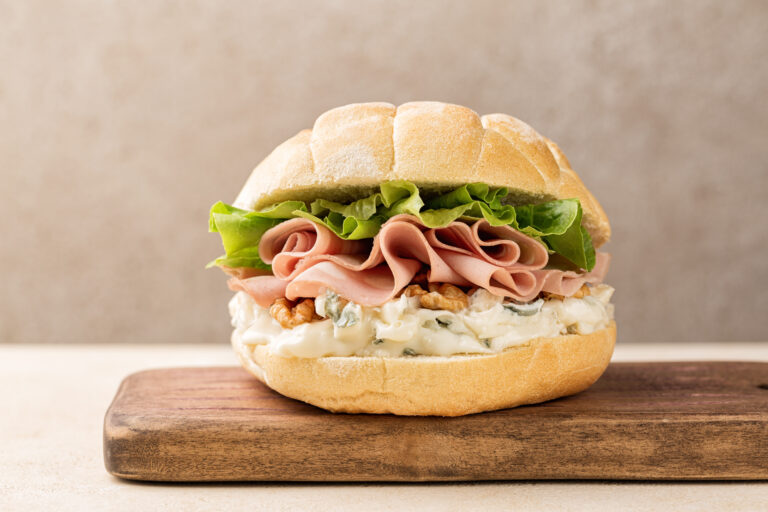
An Italian-focused board works beautifully for themed dinners or when you want to impress people who know their cured meats. Stick with prosciutto, mortadella, and soppressata paired with pecorino, parmigiano-reggiano, and gorgonzola. Add Italian olives, sun-dried tomatoes, and grissini.
For Spanish boards, build around jamón serrano or jamón ibérico (check out the differences between Iberico and Serrano ham), chorizo, and lomo. Pair with manchego, mahón, and cabrales. Include marcona almonds, membrillo (quince paste), and piquillo peppers.
Mixed boards give you more flexibility and often please more people. You can combine an Italian salami with a Spanish chorizo and French brie without anyone questioning your choices. Most guests care more about flavor variety than geographic authenticity.
Regional boards cost more because you’re committing to premium imported ingredients. Mixed boards let you use budget-friendly domestic options alongside one or two splurge items. For most home gatherings, mixed boards make more sense.
How Much to Make for Different Group Sizes
For a cocktail party where the charcuterie board is the main food, plan on 4-5 ounces of meat and cheese per person. For a board that’s an appetizer before dinner, cut that to 2-3 ounces per person.
A 12-inch board comfortably serves 8-10 people as an appetizer. For 10-15 people, use an 18-inch board or make two smaller boards. Beyond 15 people, multiple smaller boards work better than one massive one because they allow guests to access food from multiple points.
Double your cracker estimate if your board is the primary food. People eat more crackers when they’re actually hungry versus just snacking. You’ll also need more condiments and fruits to keep the ratios balanced.
Keep backup ingredients ready in the kitchen. It’s easier to add more food to a depleted board than to deal with massive leftovers. You can always use extra cheese and crackers later, but you can’t un-serve food that nobody touched.
Making Your Board More Interesting Without More Work
Add one unexpected element that starts conversations. This could be a unique preserve like onion jam, an unusual cheese like drunken goat, or a specialty meat like duck prosciutto. One interesting ingredient makes your entire board seem more thoughtful.
Include something fresh and bright to cut through richness. Pickled vegetables, fresh herbs, or citrus segments add acidity and color. These items refresh your palate between rich bites and keep people eating longer.
Use height variation in your arrangement. Stack some crackers on their sides. Fold meats into rosettes or cones. Stand a small cheese knife upright in a cheese wedge. These small touches add visual interest without requiring more time or ingredients.
Consider adding a quality cheese knife set to your board setup. Having the right tools makes serving easier and looks more professional.
Storage and Leftover Management
Separate leftover meats and cheeses immediately after your party. Don’t store them together because flavors will transfer and everything will taste like blue cheese by morning.
Wrap hard cheeses tightly in wax paper, then plastic wrap. Wrap soft cheeses in their original packaging if possible. Both will keep for a week in the fridge.
Cured meats last longer than cheese but dry out quickly once sliced. Wrap them tightly in plastic wrap, pressing out all air. Use within 3-4 days for best quality.
Crackers that have been on the board for hours are usually stale. Toss them and open a fresh box next time. Nuts can be refreshed by toasting them in a dry pan for 2-3 minutes. Leftover fruit should be eaten within 24 hours.
Frequently Asked Questions
How far in advance can you make a charcuterie board?
You can prep ingredients several hours ahead, but assemble your board no more than 2 hours before serving. Slice meats and cheeses in the morning and store them covered in the fridge. Wash fruits and portion nuts into containers. About 2 hours before guests arrive, take out your cheeses to warm up. Build your complete board 30-45 minutes before serving so nothing dries out but everything reaches the right temperature.
Do you need a special board for charcuterie?
No special board is required. Any clean, food-safe surface works, including cutting boards, serving platters, or even a clean baking sheet lined with parchment paper. Wood looks rustic, marble looks elegant, and white ceramic shows off your ingredients nicely. The board should be large enough that ingredients aren’t crammed together but small enough that it looks abundant. A 12×16 inch board handles most home gatherings perfectly.
What’s the best way to transport a charcuterie board?
Build your board directly on a cutting board with handles or a serving tray with sides. This makes transport much easier. For longer trips, wrap the completed board tightly with plastic wrap, pressing it directly onto the surface to prevent shifting. Keep it level in your car and refrigerate immediately upon arrival. For very long trips, bring ingredients separately and assemble on-site. The 30 minutes of assembly time is worth having a fresh, intact board.
How do you keep meat and cheese from drying out on a charcuterie board?
Build your board close to serving time rather than hours in advance. If you must prep early, cover the board loosely with plastic wrap and refrigerate, then bring to room temperature 30 minutes before serving. During long parties, refresh your board halfway through by removing picked-over items and adding fresh ingredients. Keep backup cheese and meat in the fridge and rotate items every hour during summer parties. Don’t pre-slice more than you need because exposed surfaces dry out fastest.
Building Boards People Actually Demolish
A successful charcuterie board gets destroyed. You want to see empty spots, scattered crumbs, and guests scraping the last bit of brie with their crackers. That demolition means you’ve built something people genuinely enjoyed rather than a Pinterest-worthy display they felt guilty touching.
Focus on variety in texture and flavor intensity. Pick meats and cheeses that taste distinctly different from each other. Add fruits, nuts, and condiments that complement rather than just fill space. Arrange everything so it looks intentional but approachable.
The technical details matter less than using quality ingredients and giving people permission to dig in. Build your board with confidence, tell your guests what’s on it, and watch them demolish it. That’s exactly what’s supposed to happen.
This article contains affiliate links. If you purchase through these links, we may earn a small commission at no extra cost to you.