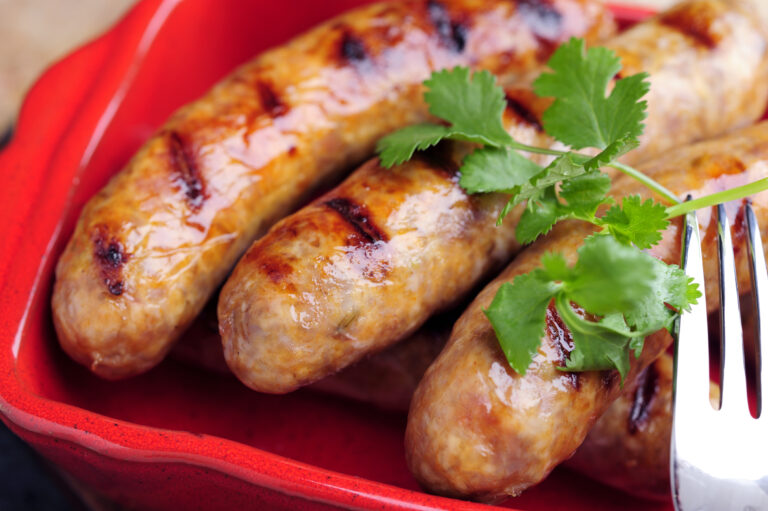
Venison Kielbasa: Homemade Smoked Sausage from Deer Meat
Complete guide to making garlic-heavy smoked venison kielbasa. Covers grinding, seasoning, stuffing casings, and smoking deer sausage to 150°F.

Venison kielbasa combines the lean, rich flavor of deer meat with enough pork fat to keep things juicy, then loads everything up with garlic and smoke. You’ll get better texture and flavor than any store-bought version, and you control exactly what goes into your sausage.
Disclosure: As an Amazon Associate, this site earns from qualifying purchases. Thank you!
Why Venison Makes Excellent Kielbasa
Deer meat is naturally lean, which creates a problem for sausage making but also an opportunity. The leanness means you need to add fat, but it also means the venison flavor shines through without being greasy or heavy.
Unlike beef or pork sausages that can taste one-note, venison has a distinct, slightly sweet flavor that pairs perfectly with the garlic-forward seasoning profile of traditional kielbasa. The meat takes smoke beautifully too, developing a mahogany color and picking up wood flavor better thanfattier meats.
The key is getting your fat ratio right. You want 20-30% pork fat mixed with your venison. Too little and your sausage will be dry and crumbly. Too much and you lose that clean venison taste you worked so hard to get.
Choosing Your Venison Cuts
Don’t waste your backstraps or tenderloins on sausage. Save those for steaks and roasts. Instead, use shoulder meat, neck, shanks, and trim from larger cuts. These tougher cuts have plenty of flavor and work perfectly when ground.
You can also use older bucks that might be too tough for traditional cooking methods. Once ground and mixed with fat, even a tough old deer makes incredible sausage. This makes venison kielbasa an excellent way to use every bit of your harvest.
Remove all silver skin, sinew, and connective tissue before grinding. Venison has more of this stuff than beef or pork, and it won’t break down during grinding. You’ll end up with chewy bits in your finished sausage if you don’t trim carefully.
Getting the Right Pork Fat
Pork back fat is your best choice for this recipe. It’s pure white fat from along the pig’s back, and it grinds cleanly without being greasy. Ask your butcher for it, or check specialty meat markets.
Pork shoulder with the fat cap works in a pinch, but you’ll need to calculate how much lean pork you’re adding versus fat. For this recipe, we want 70-80% venison and 20-30% fat by weight.
Keep everything cold. Freeze your meat and fat for 30-45 minutes before grinding. Cold fat cuts cleanly instead of smearing, which gives you better texture in the finished sausage.
Essential Equipment for Sausage Making
You need a quality meat grinder for this project. A good electric grinder will handle venison much better than a hand-crank model. Deer meat is leaner and tougher than beef or pork, which means more work for your grinder.
A sausage stuffer makes filling casings infinitely easier than trying to push meat through a grinder attachment. A 5-pound vertical stuffer will handle batches large enough to make it worth your time. You can see options in our guide to the best sausage stuffers.
For casings, natural hog casings in the 32-35mm range give you authentic kielbasa size and texture. Check out our natural sausage casings guide for detailed information on selecting and preparing casings.
You’ll also need a smoker that can maintain 180-200°F for several hours. An offset smoker, pellet grill, or electric smoker all work. You need indirect heat and good smoke circulation.
Venison Kielbasa Recipe
This recipe makes about 10 pounds of sausage, which is a good batch size for the work involved. You can halve it, but sausage making takes the same effort whether you’re making 5 pounds or 20, and finished links freeze perfectly for months.
Ingredients
- 7 pounds venison shoulder or trim, cubed
- 3 pounds pork back fat, cubed
- 3 tablespoons kosher salt
- 2 tablespoons finely minced garlic (about 6 cloves)
- 1 tablespoon black pepper, coarsely ground
- 2 teaspoons marjoram
- 1 teaspoon dried mustard powder
- 1 teaspoon coriander, ground
- 1/2 teaspoon allspice
- 1 cup ice-cold water
- 12-15 feet of hog casings, soaked and rinsed
Grinding and Mixing
Cut your venison and pork fat into 1-inch cubes. Spread them on a sheet pan and freeze for 30-45 minutes. You want the meat firm but not rock solid.
Grind the venison and fat through a coarse plate (3/8 inch) first. This initial grind breaks down the meat while keeping some texture. Mix the ground meat and fat together in a large bowl.
Add all your seasonings and the ice-cold water. Mix with your hands for 3-4 minutes. You’re developing the protein structure (called primary bind in sausage making) that holds everything together and creates the right texture. The mixture should feel sticky and hold together when squeezed.
Run the seasoned mixture through a fine plate (3/16 inch) for the second grind. This creates the smooth texture you want in kielbasa. Some people skip the second grind for a coarser sausage, but traditional kielbasa has a fine, uniform texture.
Stuffing the Casings
Rinse your hog casings thoroughly and soak them in warm water for 30 minutes. Flush water through each casing to check for holes and remove excess salt.
Load your sausage stuffer with the ground meat mixture. Slide a casing onto the stuffing tube, leaving 3-4 inches hanging off the end. Tie a knot in that end piece.
Start cranking (or turn on your electric stuffer) slowly. Let the casing fill without overstuffing. You want the links firm but not so tight they’ll burst during cooking or smoking. Leave them slightly soft to the touch.
Once you’ve filled 2-3 feet of casing, twist it into links. Pinch the casing where you want the division, then rotate the link 3-4 times. Alternate your rotation direction (clockwise, then counterclockwise) to prevent the whole thing from untwisting.
Make your links 6-8 inches long for traditional kielbasa size. Don’t worry if they’re not perfectly uniform. Handmade sausage looks handmade.
Drying Before Smoking
Hang your stuffed sausages in a cool room or in front of a fan for 1-2 hours. You want the casings to dry and develop a slight tackiness called a pellicle. This helps smoke adhere to the sausage and creates better color and flavor.
You can also lay them on racks if you don’t have a place to hang them. Turn them once halfway through drying.
Smoking Your Venison Kielbasa
Get your smoker running at 180-200°F before you add the sausages. You want thin, consistent smoke, not billowing clouds. Heavy smoke creates bitter sausage.
Hickory or oak work best for kielbasa. Apple or cherry are too mild for the bold flavors here. Mesquite is too strong and will overpower everything. If you want to experiment, try a mix of hickory and apple for a balanced smoke.
Hang or lay your sausages in the smoker with space between each link. Air needs to circulate around all sides. Smoke for 3-4 hours, or until the internal temperature reaches 150°F.
Use a digital meat thermometer to check temperature. Don’t guess. Sausage needs to hit 150°F for food safety, especially when you’re mixing meats and grinding.
Once your kielbasa hits temperature, pull it from the smoker and immediately plunge the links into an ice bath for 10 minutes. This stops the cooking and sets the color. You’ll get a brighter, more appealing finished product.
Pat the sausages dry and hang them at room temperature for another hour to dry the surface. This step is optional but creates a firmer, drier casing that fries up beautifully later.
Storage and Serving
Smoked venison kielbasa keeps in the refrigerator for 5-7 days. Vacuum seal it and you’ll get 10-14 days. For longer storage, freeze individual links or small batches. Properly wrapped, frozen kielbasa stays good for 3-4 months.
You can eat your kielbasa straight from the smoker, but it gets even better after a day in the fridge. The flavors meld and develop. Slice it thick and pan-fry in a dry skillet until the edges brown and crisp.
This sausage also works great grilled, added to soups and stews, or sliced into pasta dishes. The smoke and garlic flavors hold up to bold ingredients like sauerkraut, mustard, and dark beer.
Common Problems and Solutions
Dry, crumbly sausage means you didn’t add enough fat. Venison is so lean that you can’t skimp on the pork fat ratio. Stick to 20-30% fat by weight, and measure accurately.
Burst casings during smoking happen when you overstuff or smoke at too high a temperature. Stuff your casings on the loose side, and keep your smoker temperature under 200°F. Rapid heat causes the meat to expand faster than the casing can handle.
Mushy texture comes from grinding warm meat or not developing the primary bind properly. Keep everything cold, and mix your seasoned meat thoroughly until it feels sticky. You need to activate those proteins that hold the sausage together.
Bland flavor usually means not enough salt or garlic. Don’t be shy with the seasoning. Sausage needs more salt than you think because it’s diluted throughout the meat. And kielbasa should be aggressively garlicky.
Equipment Recommendations
A good grinder attachment for your stand mixer will work, but a dedicated grinder handles the volume and toughness of venison better. Look for models with at least a #12 grinder head and a powerful motor. Check current prices on electric meat grinders on Amazon to find one that fits your needs.
For stuffing, you really want a dedicated stuffer rather than trying to use your grinder. A 5-pound vertical stuffer gives you good leverage and consistent pressure. See the latest options for sausage stuffers that will make your work much easier.
Don’t forget a reliable meat thermometer. An instant-read digital thermometer is essential for checking internal temperature without losing heat from your smoker. Browse digital meat thermometers on Amazon to find a dependable option.
Scaling the Recipe
You can cut this recipe in half for a smaller batch, but consider making the full amount. The work is nearly identical whether you’re making 5 or 10 pounds, and finished sausage freezes perfectly.
For larger batches, stick with 10-pound increments. Your grinder and stuffer can only handle so much at once, and you want to keep everything cold throughout the process. Better to make multiple 10-pound batches than try to grind 30 pounds that warms up halfway through.
Keep your seasoning ratios consistent when scaling. Measure by weight, not volume, for the most accurate results. A kitchen scale that measures in grams will help you maintain the right proportions.
Alternative Smoking Methods
Don’t have a traditional smoker? You can cold smoke your sausage first using a smoke tube or cold smoke generator, then finish it in a 200°F oven until it hits 150°F internal temperature. The flavor won’t be quite as deep, but you’ll still get good smoke character.
A pellet grill works beautifully for kielbasa because temperature control is so precise. Set it to 180°F and let it run. The consistent temperature and automatic pellet feed make this almost foolproof.
Even a charcoal grill can work if you’re careful. Build a small fire on one side, add wood chunks for smoke, and put your sausages on the opposite side. Keep the vents adjusted to maintain 180-200°F and replenish coals as needed.
Food Safety Considerations
Wild game requires extra attention to food safety. Deer can carry parasites that are killed by proper cooking or freezing. The USDA recommends cooking ground venison to 160°F, but your smoking process to 150°F followed by proper storage is safe.
Keep everything clean during processing. Sanitize your grinder, stuffer, and work surfaces before and after use. Wash your hands frequently, especially after handling raw meat.
If you’re concerned about trichinosis in wild game, freeze your venison at 0°F or below for 30 days before making sausage. This kills any potential parasites. Most hunters already freeze their meat, but it’s worth noting if you’re processing fresh venison.
Why This Recipe Works
Traditional kielbasa is a relatively simple sausage with bold garlic flavor and good smoke. Using venison instead of pork or beef adds a more interesting, slightly sweet meat flavor without adding gaminess.
The 70/30 meat-to-fat ratio keeps the sausage juicy without being greasy. Leaner and you’ll get crumbly texture. Fattier and you lose the clean venison taste.
The double grind creates the smooth, uniform texture that defines good kielbasa. A single coarse grind gives you more of a breakfast sausage texture, which isn’t what you want here.
Smoking to exactly 150°F gives you fully cooked sausage that’s still moist and tender. Higher temperatures squeeze out moisture and give you dry, mealy sausage. Lower temperatures and you’re not in the safe zone for mixed ground meats.
Frequently Asked Questions
Can I use beef fat instead of pork fat?
You can, but pork fat is better. Beef fat has a higher melting point, which means it doesn’t render as easily during cooking and can leave a waxy coating in your mouth. Pork fat melts at body temperature, giving you a much cleaner mouthfeel. If you can’t get pork fat, beef fat will technically work, but the finished sausage won’t be as good.
Do I need curing salt for smoked venison sausage?
Not for this recipe. Curing salt (Prague Powder #1 or pink salt) is used for sausages that are fermented or stored at room temperature for extended periods. You’re smoking this sausage to a safe internal temperature and storing it refrigerated or frozen, which doesn’t require curing salt. Some people add it for the characteristic pink color and slight flavor, but it’s not necessary. Learn more about when to use curing salts in different applications.
How long does homemade venison kielbasa last?
In the refrigerator, properly stored venison kielbasa lasts 5-7 days. Vacuum sealed, you can push it to 10-14 days. For longer storage, freeze it. Wrap links individually or in meal-sized portions, then vacuum seal or wrap tightly in freezer paper. Frozen venison kielbasa stays good for 3-4 months. Beyond that, it’s still safe but quality starts to decline.
Can I make this without a smoker?
Yes, but you’ll miss out on the smoke flavor that makes kielbasa special. You can poach the sausages in 170-180°F water until they reach 150°F internal temperature, which cooks them safely. Then finish them on a hot grill or in a pan to brown the outside. Add liquid smoke to your meat mixture (1-2 teaspoons per 10 pounds) for some smoke flavor. It’s not the same as real smoke, but it’s better than nothing.
Making Venison Kielbasa Your Own
This recipe gives you a solid baseline, but you can adjust it to your taste. Want more heat? Add cayenne or red pepper flakes. Prefer more herbaceous flavor? Increase the marjoram or add sage.
Some people add a splash of bourbon or red wine to the meat mixture for extra depth. About 1/4 cup per 10 pounds of meat adds flavor without making the mixture too wet.
You can also experiment with different woods for smoking. Each wood brings different flavor characteristics. Just avoid softwoods like pine, which create sooty, bitter smoke.
The beauty of making your own sausage is complete control over ingredients and flavor. Once you nail the basic technique, you can adjust seasonings to create your signature version.
Final Thoughts
Venison kielbasa is worth the effort if you have deer meat to use and want something more interesting than basic ground venison or steaks. The combination of lean game meat, garlic-heavy seasoning, and wood smoke creates a distinctive sausage that stands up to any commercial version.
Start with quality venison and pork fat, keep everything cold during processing, and don’t rush the smoking process. These three things matter more than anything else for consistent results.
Your first batch might not be perfect, but you’ll learn what works for your taste and equipment. By your second or third batch, you’ll be making sausage that friends and family ask you to bring to every gathering. That’s when you know you’ve figured it out.
This article contains affiliate links. If you purchase through these links, we may earn a small commission at no extra cost to you.