How to Make Venison Salami at Home: A Curing Guide
Learn to make venison salami with this detailed guide covering grinding, seasoning, fermenting, and dry-curing deer meat into exceptional charcuterie.

Making venison salami at home transforms lean deer meat into a concentrated, shelf-stable delicacy that captures wild game’s distinct flavor profile. This traditional curing process takes patience and precision, but hunters and home butchers who process their own deer can create artisan-quality charcuterie that rivals anything from specialty shops.
Disclosure: As an Amazon Associate, this site earns from qualifying purchases. Thank you!
Why Venison Makes Exceptional Salami
Deer meat’s naturally lean composition and complex flavor profile make it ideal for dry-cured sausages. Unlike domesticated animals, wild game feeds on varied natural vegetation that creates depth and intensity in the finished product. That same leanness, however, means you’ll need to add fat for proper texture and moisture.
The curing and fermentation process mellows venison’s gamey notes while preserving the meat’s distinctive character. You’ll end up with salami that tastes noticeably different from pork versions, with an earthy, slightly mineral quality that reflects the animal’s wild diet.
Essential Equipment for Venison Salami
You can’t make proper dry-cured salami without the right tools. A meat grinder capable of handling cold meat and fat is mandatory. The grinding plate size matters: use a coarse plate first (around 3/8 inch), then a medium plate (3/16 inch) for the second grind.
A good sausage stuffer makes the difference between frustrating, air-pocket-filled casings and professional results. Vertical stuffers give you better control than horizontal models or grinder attachments. Get one with at least a 5-pound capacity if you’re serious about charcuterie.
You’ll also need fibrous casings designed for dry-cured salamis. Natural hog casings won’t work here. Fibrous casings, typically 55mm to 60mm diameter, allow proper moisture loss while protecting the meat during the long curing process.
Temperature and humidity control equipment separates successful salami makers from those who end up with spoiled meat. A dedicated curing chamber (a modified refrigerator works perfectly) with a humidity controller is worth the investment. Target 55°F and 70-75% relative humidity for proper aging.
The Right Meat-to-Fat Ratio
Venison contains roughly 2-3% fat compared to pork’s 15-20%. You need to add fat back in, and pork fat is your best option. The standard ratio is 70% venison to 30% pork fat (typically pork shoulder or fatty trimmings).
Some salami makers go as high as 40% fat for a softer, more traditional texture. I prefer sticking closer to 30% because it maintains venison’s character while providing enough fat for proper fermentation and texture development.
Keep everything ice-cold during grinding. Partially freeze your meat and fat until they’re firm but not rock-solid. This prevents smearing, which creates an unpleasant texture in the finished salami.
The Complete Venison Salami Recipe
This recipe produces about 10 pounds of salami, a reasonable batch size for home production. Scale up or down proportionally, but remember that fermentation and curing times remain the same regardless of batch size.
Ingredients
- 7 pounds venison (any cuts work, trim silver skin)
- 3 pounds pork fat or pork shoulder
- 190 grams sea salt (not iodized)
- 25 grams dextrose (not regular sugar)
- 4 grams Cure #2 (Prague Powder #2, contains sodium nitrite and nitrate)
- 30 grams black pepper, coarsely ground
- 15 grams garlic powder
- 3 grams red pepper flakes (adjust to taste)
- 1 packet Bactoferm F-RM-52 or T-SPX starter culture
- 120 ml distilled water (for starter culture)
Grinding and Mixing
Cut your venison and pork fat into 1-inch cubes. Spread them on sheet pans and freeze for 45 minutes until firm. Grind once through a coarse plate, then refrigerate the ground meat for 30 minutes before the second grind through a medium plate.
Mix your dry ingredients thoroughly in a separate bowl. This ensures even distribution, which is critical for food safety. Uneven salt or cure distribution creates pockets where harmful bacteria can grow.
Dissolve your starter culture in distilled water at about 95°F. Let it sit for 30 minutes to activate. This live bacteria culture will drop the pH of your meat, creating the tangy flavor and preventing spoilage organisms from taking hold.
Combine the ground meat, dry ingredients, and activated starter culture in a large mixing tub. Mix by hand for 5-10 minutes until the mixture becomes sticky and starts to bind together. This protein extraction creates the characteristic dense texture of salami.
Stuffing and Fermentation
Soak your fibrous casings in warm water for 30 minutes before stuffing. Load your meat mixture into the stuffer and fill casings firmly, eliminating air pockets as you go. Tie off links at your desired length (typically 12-16 inches).
Prick any visible air bubbles with a sterilized needle. Air pockets invite mold growth inside the casing where you can’t see or control it.
Hang your stuffed salamis in your fermentation chamber at 75-80°F and 85-90% humidity for 18-36 hours. This warm, moist environment lets the starter culture multiply rapidly and acidify the meat. You’re aiming for a pH drop to around 5.3, which you can verify with pH strips if you want to be precise.
The Drying and Aging Process
After fermentation, move your salamis to the curing chamber at 55°F and 70-75% relative humidity. This is where patience becomes crucial. Proper dry-cured venison salami takes 6-8 weeks minimum, sometimes longer for thicker links.
White mold growth on the exterior is normal and desirable. This beneficial mold (usually Penicillium nalgiovense) protects the meat and contributes to flavor development. If you see green, black, or fuzzy mold, wipe it off with vinegar-soaked paper towels.
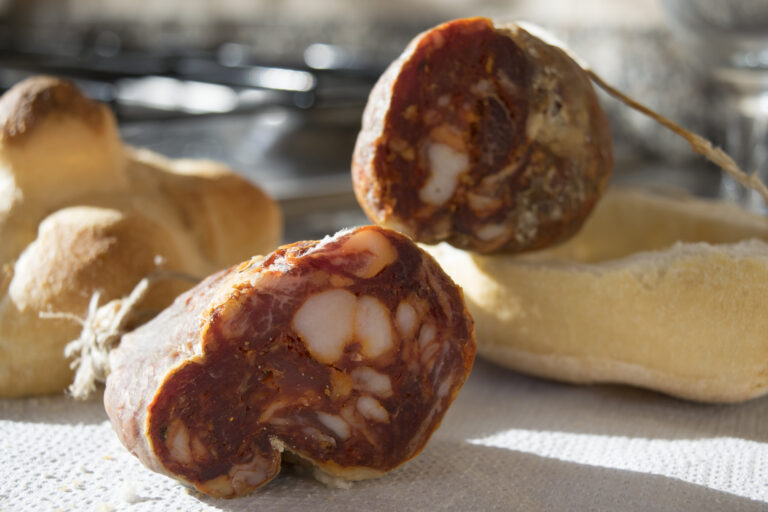
The salami is ready when it’s lost approximately 30-40% of its original weight. This concentration is what creates salami’s intense flavor and firm, sliceable texture. Weigh your links right after stuffing and mark the target weight on a tag attached to each one.
Check your salamis weekly. They should feel progressively firmer as moisture evaporates. The exterior develops a slight white bloom, and the casing takes on a slightly wrinkled appearance as the meat inside shrinks.
Food Safety Considerations
Dry curing isn’t inherently dangerous, but it requires respect for the process. The combination of salt, cure, pH reduction, and controlled drying creates an environment where harmful bacteria can’t survive. Skip any step, and you’re risking serious illness.
Always use Cure #2 (not Cure #1) for dry-cured salamis. Cure #2 contains both sodium nitrite and sodium nitrate. The nitrite works immediately, while the nitrate breaks down slowly over weeks, providing ongoing protection during the long aging period.
Temperature control matters enormously. Above 60°F during drying, you risk bacterial growth. Below 50°F, beneficial mold won’t develop properly. Humidity too low causes case hardening, where the exterior dries too fast and seals moisture inside, creating perfect conditions for spoilage.
The USDA provides detailed guidelines for safe charcuterie production that serious home curers should review. Their food safety resources explain the science behind curing and help you understand the critical control points.
Customizing Your Venison Salami Recipe
Once you’ve mastered the basic recipe, you can experiment with different flavor profiles. Traditional Italian seasonings like fennel seed, whole peppercorns, and wine work beautifully with venison. Some hunters prefer a more modern approach with juniper berries and herbs that complement wild game.
You can incorporate red wine (replace half the water for the starter culture) for added complexity. The alcohol evaporates during fermentation and drying, leaving behind subtle fruity notes that enhance venison’s natural flavors.
Smoking your fermented salamis before aging adds another dimension. Cold smoke at temperatures below 80°F for 6-8 hours after fermentation but before moving to the drying chamber. This technique mirrors traditional Eastern European approaches to aged salami.
Building or Buying a Curing Chamber
A dedicated curing chamber is the biggest barrier for most home salami makers. You can pick up a humidity controller on Amazon and modify an old refrigerator or wine cooler relatively easily.
Install the humidity controller with a small humidifier inside the chamber. A simple ultrasonic humidifier works fine. Wire it to turn on when humidity drops below your target. Add a small computer fan for air circulation, which prevents mold concentration and ensures even drying.
Some serious charcuterie enthusiasts prefer purpose-built curing chambers. These pre-configured units handle temperature and humidity automatically, but they’re a significant investment. For occasional salami making, a modified fridge serves you well.
Storage and Serving
Once your venison salami reaches the target weight loss, you can wrap it in butcher paper and store it in the refrigerator for several months. The low moisture content and acidic pH keep it stable, though flavor continues developing gradually over time.
Some curers vacuum-seal finished salamis for longer storage. This halts the aging process and extends shelf life up to a year in the refrigerator. You sacrifice the continued flavor development, but you gain convenience and extended storage.
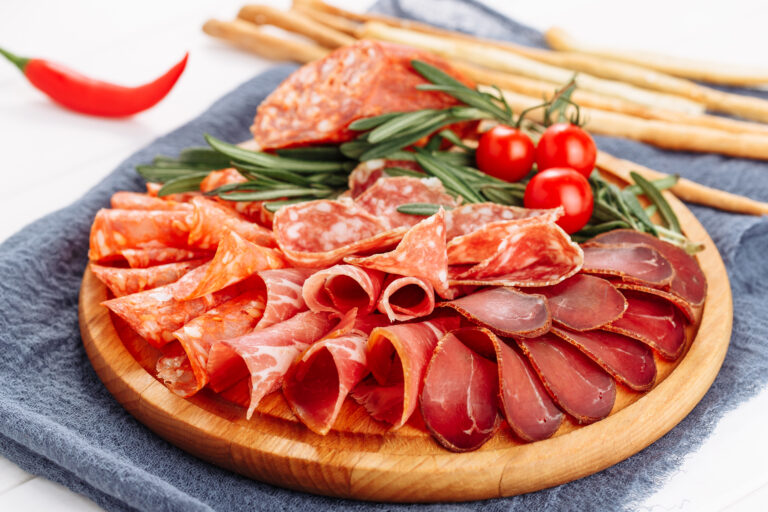
Serve venison salami at room temperature for the best flavor and texture. Slice it thin (around 1/8 inch) and pair it with sharp cheeses, pickled vegetables, and crusty bread. The intense, concentrated flavors work beautifully on an antipasto platter alongside milder cured meats.
Common Problems and Solutions
Case hardening, where the exterior dries too fast, is the most common issue. It creates a hard shell that traps moisture inside, leading to off-flavors or spoilage. Prevent this by maintaining proper humidity levels throughout drying. If you catch it early, you can save the batch by raising humidity to 80% for a few days to rehydrate the exterior slightly.
Insufficient acidification during fermentation shows up as a flat, uninteresting flavor and potential safety issues. Always use fresh starter culture (it loses potency quickly) and maintain proper fermentation temperature. Testing pH after fermentation confirms successful acidification.
Green or black mold indicates contamination or poor air circulation. Wipe affected areas with vinegar immediately. If the mold returns aggressively or penetrates the casing, discard that salami. Don’t take chances with obviously spoiled meat.
Scaling Up Production
Processing an entire deer into salami makes excellent use of shoulder, neck, and trim that might otherwise become low-quality ground meat. A mature doe yields 30-40 pounds of boneless meat, enough for three or four batches of salami.
Invest in a larger grinder and stuffer if you’re processing multiple deer per season. Hand-crank models work for small batches, but electric equipment saves enormous time and effort with larger volumes. A heavy-duty electric grinder powers through partially frozen meat without bogging down.
You’ll also need more hanging space. A dedicated curing chamber can hold 20-30 salamis depending on configuration. Plan your batches around available space, since salamis need air circulation on all sides.
The Economics of Homemade Venison Salami
Calculating the true value of homemade venison salami depends on whether you hunt your own deer or purchase the meat. Hunters who process their own animals essentially convert underutilized cuts into premium charcuterie.
The startup costs center on equipment. A quality grinder, stuffer, and curing chamber setup represent a real investment. Casings, starter cultures, and curing salts add recurring costs per batch, though these remain modest compared to buying equivalent artisan salamis from specialty shops.
Your time investment is substantial. Between grinding, mixing, stuffing, and monitoring through weeks of fermentation and drying, each batch requires several hours of active work plus daily attention during the curing period. For serious hunters and charcuterie enthusiasts, this time becomes part of the hobby’s appeal rather than a burden.
Why This Method Works
Traditional salami-making techniques developed over centuries in Mediterranean and Eastern European cultures where refrigeration didn’t exist. The process relies on creating an environment hostile to harmful bacteria while encouraging beneficial organisms that develop flavor and preserve the meat.
Salt draws moisture out through osmosis while inhibiting bacterial growth. The cure provides additional antimicrobial protection. Starter cultures rapidly acidify the meat, dropping pH below levels where pathogens thrive. Finally, slow drying concentrates flavors and reduces water activity to levels where microorganisms can’t multiply.
This layered approach to preservation makes salami remarkably safe despite spending weeks at room temperature (well, 55°F) during production. Each preservation factor reinforces the others, creating multiple barriers against spoilage.
Frequently Asked Questions
Can I use venison fat instead of pork fat for salami?
Venison fat (called tallow) has a high melting point and waxy texture that makes it unsuitable for salami. It hardens unpleasantly at room temperature and doesn’t provide the creamy mouthfeel that pork fat delivers. Stick with pork fat for best results. Some salami makers successfully use beef fat as an alternative, though pork remains the gold standard.
Do I really need starter culture or can I use yogurt?
Commercial starter cultures contain specific strains of Lactobacillus bacteria proven safe and effective for meat fermentation. Yogurt contains different bacterial strains not optimized for salami production, and you can’t control or predict the fermentation reliably. The small investment in proper starter culture dramatically improves both safety and consistency. You can find meat starter cultures on Amazon specifically formulated for salami making.
How do I know if my salami has spoiled?
Trust your senses. Spoiled salami smells rancid, putrid, or like ammonia. Surface mold should be white or light gray; bright colors indicate problems. If you cut into a salami and find soft, slimy pockets or dramatically uneven texture, something went wrong. Any salami that shows these signs should be discarded completely. Properly made salami smells pleasantly tangy and slightly funky (like good cheese), with firm, even texture throughout.
Can I make venison salami without Cure #2?
Technically possible but not recommended for beginners. Cure #2 provides a critical safety margin during the long drying period. Some traditional European salami makers rely solely on salt and controlled fermentation, but they have generations of experience reading their products and knowing exactly what properly cured meat should look, feel, and smell like. For home producers, especially those new to charcuterie, using Cure #2 is simply smart risk management. The tiny amount used per batch poses no health concerns and dramatically improves safety.
Taking Your Skills Further
Mastering venison salami opens doors to the broader world of charcuterie. The same principles apply to coppa, bresaola, and other whole-muscle cured meats. Many hunters progress from salami to more advanced projects like dry-cured venison hams or prosciutto-style preparations.
The techniques you learn translate surprisingly well to other wild game. Elk, moose, and antelope all make excellent salami with minor adjustments to fat ratios. Even wild boar, which contains more fat than deer, benefits from the same curing approach.
Documentation matters as you develop your skills. Keep detailed notes on each batch: exact measurements, fermentation times, temperatures, humidity levels, and final weight loss percentages. Over time, you’ll develop an intuitive understanding of how variables affect the finished product. Your notes let you replicate successes and identify problems when batches don’t turn out as expected.
Making venison salami at home transforms a hunter’s harvest into something truly special. The process demands patience and attention to detail, but few preserved meats showcase wild game’s unique character as effectively as well-made dry-cured salami. Your first successful batch, sliced thin and shared with friends who appreciate the craft, makes every hour of preparation worthwhile.
This article contains affiliate links. If you purchase through these links, we may earn a small commission at no extra cost to you.