
Best Days to Buy Meat: Timing Your Grocery Store Visits
Timing your grocery trip by day of the week can unlock markdowns and fresher selections that most shoppers miss…

Timing your grocery trip by day of the week can unlock markdowns and fresher selections that most shoppers miss entirely. Meat departments follow a rhythm, and knowing that rhythm puts you first in line for the best deals.
Disclosure: As an Amazon Associate, this site earns from qualifying purchases. Thank you!
Early Morning Is the Sweet Spot

Most grocery stores process their meat markdowns between 6 AM and 10 AM. Overnight and early morning staff rotate the display cases, pulling packages that are approaching their sell-by date and slapping on discount stickers. If you shop in the afternoon or evening, the best markdowns are already gone.
Arriving early also means you get first pick of the freshest meat. New deliveries are often stocked overnight or early morning, so the just-cut and just-packaged items are at their peak.
The markdown process itself is formulaic. Packages within 24 to 48 hours of their sell-by date get a sticker, typically 30% to 50% off. Packages closer to the actual sell-by date can hit 70% off or more. Meat department managers have discretion here, so the exact discount varies by store and by how aggressive they need to be to clear inventory.
Early morning shoppers compete with very few people. Most stores see their peak traffic between 4 PM and 7 PM. Showing up at 7 AM puts you in a near-empty store with access to every markdown that was processed overnight.
Midweek for Markdowns
Tuesday and Wednesday tend to produce the most markdown deals. Weekend shopping traffic is the heaviest, so stores stock aggressively for Friday through Sunday. Whatever doesn’t sell over the weekend gets marked down early in the week to clear space for the next delivery cycle.
Ground beef, chicken, and pork that were packaged Thursday or Friday for weekend shoppers often hit their markdown window by Tuesday morning. These packages are still perfectly safe to cook that day or freeze immediately.
Wednesday morning can produce even deeper discounts than Tuesday. Packages marked down Tuesday that didn’t sell get an additional reduction on Wednesday. This second-round markdown can bring a ribeye down to a fraction of its original price or chicken breast to bargain levels.
The midweek window works because stores need to clear space before their Thursday or Friday deliveries arrive. Holding onto meat that’s approaching its sell-by date doesn’t make business sense. They’d rather move it at a discount than throw it away. This is when you can apply strategies for getting the best markdown deals to maximize your savings.
Weekends for Fresh Stock
Thursday and Friday are typically restocking days when stores prepare for weekend demand. If you want the freshest possible meat with the longest remaining shelf life, shopping Thursday evening or Friday morning gives you access to newly packaged products.
The tradeoff is that you’ll pay regular prices. Weekend inventory is priced at full retail because stores know demand is highest. If freshness matters more than price for a specific meal (like a Saturday dinner party), this is the right strategy.
Friday deliveries often include premium cuts that don’t show up midweek. Dry-aged steaks, lamb racks, specialty roasts, and whole tenderloins appear in the case Friday morning. These items are priced for weekend grilling and entertaining, so don’t expect discounts.
Saturday shopping means you’re competing with the week’s highest foot traffic, but the selection is still strong. By Sunday afternoon, prime cuts start to thin out. Sunday evening can offer clearance deals, but the best items are already sold.
Sunday Evening Clearance
Some stores run a secondary markdown cycle on Sunday evening to clear anything that didn’t sell over the weekend. This is less consistent than the midweek markdown window, but it’s worth checking if you’re already at the store.
Sunday evening markdowns favor larger cuts and specialty items. A whole pork loin that didn’t sell might drop significantly. Bone-in leg of lamb, beef brisket, and whole chickens are common Sunday clearance targets.
The downside is inconsistency. Not every store runs Sunday markdowns, and even stores that do may only process them when inventory levels justify it. Call ahead or ask the meat department directly whether Sunday evening discounts are part of their routine.
Store-Specific Timing
Every store has its own markdown schedule. The best way to learn yours is to simply ask a meat department employee. Most are happy to tell you when they process markdowns and what days their deliveries arrive. Building a friendly relationship with meat department staff gives you inside knowledge that saves real money.
Some stores also run “manager’s specials” on specific days. Kroger, for example, is known for marking down meat on Monday and Tuesday mornings. Walmart processes markdowns less predictably since they operate on an everyday low price model rather than a sale cycle.
Costco and Sam’s Club follow different rhythms. Both receive frequent deliveries, often multiple times per week, but they rarely markdown meat. Their model relies on consistent low pricing rather than clearance cycles. When Costco does mark down meat, it’s usually Wednesday or Thursday, and the discounts are modest (10% to 20%).
Aldi processes markdowns on Monday and Wednesday mornings. Their meat turnover is fast, so the markdown window is narrow. If you see a discount sticker at Aldi, grab it immediately.
Regional chains have their own patterns. Publix in the Southeast marks down meat on Wednesday mornings. H-E-B in Texas processes markdowns Tuesday and Thursday mornings. Safeway and Albertsons stores mark down meat Monday through Wednesday, with the deepest discounts on Tuesday.
Independent butcher shops are less predictable, but many offer end-of-week specials on cuts that didn’t sell. Ask your butcher directly. They’d rather sell at a discount than waste product. Understanding the quality differences between meat departments can help you decide which stores to prioritize for your shopping.
Month-End Inventory Pressure
The last three days of any month can produce aggressive markdowns. Stores want to reduce inventory before the month closes to improve their shrink numbers (the percentage of product lost to spoilage or theft). Meat department managers have monthly targets, and clearing old inventory helps them hit those targets.
This month-end pressure is most visible at larger chain stores. Smaller grocers and butcher shops don’t face the same corporate reporting pressures, so the effect is less pronounced.
How to Freeze Markdown Meat Correctly

Buying markdown meat only makes sense if you freeze it properly. Repackaging is essential. Remove the meat from its original tray, pat it dry with paper towels, wrap tightly in plastic wrap, then wrap again in freezer paper or aluminum foil. Label with the cut and the date you froze it.
Vacuum sealing extends freezer life significantly. A vacuum-sealed ribeye holds its quality for six to eight months. A plastic-wrapped, foil-covered ribeye lasts four to six months before freezer burn starts to degrade the surface.
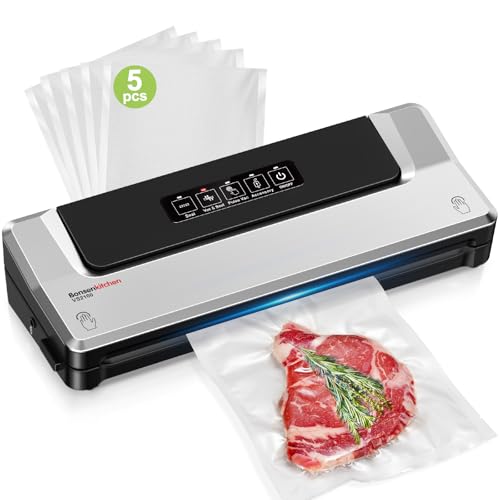
Vacuum Sealer for Meat Storage
Essential for extending freezer life and preventing freezer burn on markdown purchases
Freeze meat while it’s still cold from the store. Don’t let it sit at room temperature while you unpack groceries. Get it in the freezer within 30 minutes of purchase to preserve texture and prevent bacterial growth.
Ground beef freezes well in portions. Flatten it into half-pound or one-pound slabs inside freezer bags, press out the air, and seal. Flat portions thaw faster and stack neatly in the freezer.
Chicken breast should be separated before freezing. Freeze individual breasts on a sheet pan for an hour, then transfer to a freezer bag. This prevents them from fusing into a solid block.
Common Markdown Mistakes
Buying markdown meat you won’t actually cook or freeze that day is a waste. The sell-by date is real. If you buy a Tuesday markdown and leave it in your fridge until Friday, you’ve defeated the purpose.
Assuming all markdowns are equally good deals is another error. A 30% discount on an overpriced cut is still overpriced. Know your regular per-pound prices. A marked-down ribeye at a higher price per pound might still be more expensive than a non-discounted sirloin.
Ignoring the color and smell is risky. Markdown meat should still look vibrant and smell neutral. If it’s gray, slimy, or has a sour odor, pass on it regardless of the discount. Stores occasionally markdown meat that’s already turned.
Buying more than you can freeze properly leads to freezer burn and wasted money. If you don’t have vacuum sealing equipment or sufficient freezer space, limit markdown purchases to what you can use immediately.
Sale Cycles vs. Markdowns
Understanding the difference between sale cycles and markdowns matters. Sale cycles are planned price reductions on specific cuts, advertised in weekly circulars. Markdowns are unplanned discounts on individual packages approaching their sell-by date.
Combining both strategies maximizes savings. Stock your freezer with sale-cycle buys when bone-in chicken thighs hit great prices or whole pork loins drop significantly. Layer in markdown purchases when you find premium cuts at deep discounts. There are multiple smart approaches to cutting your meat budget that go beyond just timing your shopping trips.
Sale cycles follow predictable patterns. Ground beef goes on sale every four to six weeks at most chains. Bone-in pork chops cycle every three weeks. Whole chickens hit their lowest prices every five to seven weeks.
Tracking these cycles in a simple spreadsheet or note app pays off. When you know that your store runs a ground beef sale the first week of every month, you can plan freezer stock-ups accordingly.
Holiday Timing
The week before major holidays (Memorial Day, Fourth of July, Labor Day, Thanksgiving) brings premium pricing and limited markdowns. Stores stock heavily and price aggressively because demand is guaranteed.
The week after holidays is a goldmine. Unsold holiday cuts (prime rib, whole turkeys, bone-in ham) get marked down sharply. The Tuesday after Thanksgiving, you’ll find whole turkeys at half price. The week after Fourth of July, you’ll find marked-down ribeyes and strip steaks.
Are Markdown Meats Lower Quality?
Not at all. Markdown meat is the same product at a reduced price because it’s closer to the sell-by date. It’s perfectly safe to cook that day or freeze immediately. The quality is identical to what it was when first packaged.
The sell-by date is a store guideline, not a safety deadline. Meat remains safe to cook for one to three days past the sell-by date if it’s been stored at proper refrigeration temperatures (below 40°F). If you’re buying markdown meat, cook it that day or freeze it immediately.
Building Your Freezer Stock

Building your freezer stock from markdowns is a smart long-term strategy, but it requires flexibility in your meal planning. Combining markdown shopping with planned sale-cycle buying gives you the best of both worlds.
Relying entirely on markdowns means you’re limited to whatever happens to be discounted that day. If you need specific cuts for a recipe, you’ll pay regular price. A mixed strategy works better: stock your freezer with markdowns and sale-cycle buys, then supplement with regular-price purchases when a recipe demands it.
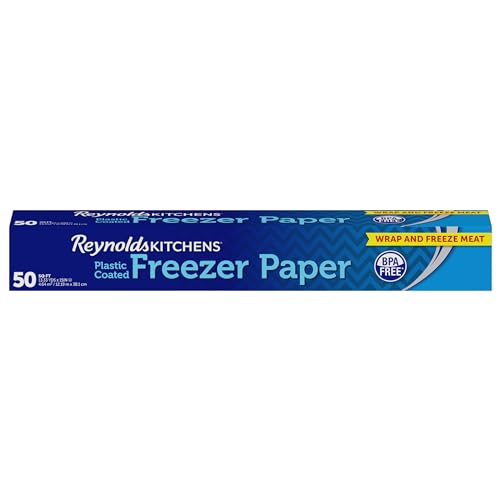
Freezer Paper for Meat Storage


