Wet Aged vs Dry Aged Beef: Key Differences Explained
Most beef you buy at the grocery store has been aged, even if the label doesn’t say so. Wet…

Most beef you buy at the grocery store has been aged, even if the label doesn’t say so. Wet aging (in vacuum-sealed packaging during transport) is the industry default. Dry aging is the premium, traditional method that develops a distinct nutty, funky flavor profile.
The two processes produce dramatically different results in texture, flavor intensity, and cost. Here’s what separates them.
Disclosure: As an Amazon Associate, this site earns from qualifying purchases. Thank you!
How Wet Aging Works

Wet aging happens automatically during the normal beef supply chain. After slaughter, beef is vacuum-sealed in cryovac packaging and shipped to distributors and retailers. During the 14 to 28 days in transit and storage, enzymes naturally break down muscle fibers, tenderizing the meat.
The vacuum seal locks in all the meat’s natural moisture and keeps it from oxidizing. There’s no weight loss, no trim waste, and no special storage requirements beyond basic refrigeration. This makes wet aging the economical choice for large-scale beef processing.
Wet-aged beef has a clean, standard beefy flavor. It doesn’t develop the concentrated, complex flavors of dry aging because no moisture is lost and no air contact occurs. The muscle fibers tenderize, but the flavor profile stays familiar and mild.
The vast majority of beef sold in American grocery stores is wet-aged, whether it’s Choice, Select, or Prime grade.
How Dry Aging Works

Dry aging exposes unwrapped beef to controlled airflow, temperature (34-38°F), and humidity (80-85%) for 21 to 60+ days. During this time, moisture evaporates from the meat surface (20% to 30% weight loss), concentrating the beef flavor. Enzymes break down proteins and fats, creating nutty, earthy, almost cheese-like flavor compounds.
The exterior develops a hard, dried crust that must be trimmed away before cooking. This trim loss, combined with moisture evaporation, means a dry-aged steak has significantly less sellable weight than its original size. That waste is the primary reason dry-aged beef costs so much more.
Dry aging rooms require precise environmental controls. Too much humidity and the meat spoils. Too little and it dries out too quickly, creating excessive waste.
Temperature swings ruin the process. Professional aging facilities use specialized equipment to maintain these tight tolerances.
Surface mold (usually white or light gray Thamnidium) is normal and desirable during dry aging. This mold contributes to flavor development and gets trimmed away with the dried crust. Dark or slimy mold indicates a problem and means the meat should be discarded. For a deeper look at what makes dry-aged beef worth its premium price, understanding these controlled conditions is essential.
Flavor Differences
Wet-aged beef tastes like what most people consider “normal” beef: clean, beefy, and familiar. There’s no funk, no earthiness, just straightforward beef flavor with good tenderness if the aging period was adequate.
Dry-aged beef has a more intense, concentrated flavor with nutty, earthy, and slightly funky notes that develop from the enzymatic breakdown and surface mold activity. The moisture loss concentrates all the existing flavor compounds while the aging process creates new ones.
At 21 days of dry aging, the flavor improvement is subtle: slightly more tender and concentrated. At 30 to 45 days, the funky, complex flavors become pronounced. At 60+ days, the flavor is intensely concentrated and distinctly different from conventional beef.
Some people love it; others find it too strong.
The texture changes too. Dry-aged beef has a denser, firmer texture from moisture loss. When cooked, it develops a more substantial crust and a deeper sear than wet-aged beef. The concentrated proteins and sugars on the surface caramelize faster and more completely.
Cost Breakdown
Wet-aged beef carries no premium over standard pricing because it’s the default process. A Choice ribeye might run a typical grocery store price point, already wet-aged during its trip from packing plant to retail case.
Dry-aged beef at the same grade typically costs significantly more per pound. The premium reflects several factors: 25% to 30% moisture loss during aging, 10% to 20% trim loss when the dried crust is removed, dedicated aging room costs (equipment, space, electricity, monitoring), and the time value of inventory sitting in a cooler for weeks instead of selling immediately.
A butcher who dry-ages a whole ribeye roll starts with, say, 18 pounds of wet-aged beef. After 45 days of dry aging, that roll weighs about 13 pounds. After trimming the crust, the usable meat drops to roughly 10 pounds.
That’s 44% waste. To break even, the dry-aged price per pound needs to be nearly double the starting wet-aged price, before accounting for any labor or overhead.
Dry Aging at Home
Dry aging bags have made home dry aging accessible. These permeable bags allow moisture to escape while protecting the meat from contamination. Wrap a whole sub-primal (not individual steaks) in the bag and place it in a dedicated refrigerator for 21 to 45 days.

Dry Aging Bags
The easiest way to dry-age at home without a dedicated aging room, these permeable bags protect meat while allowing moisture to escape
Home dry aging works best with large cuts (whole ribeye rolls or strip loins) that have enough mass to withstand the surface trim loss. Individual steaks lose too much usable meat during the process to be practical. A 3-pound sub-primal can yield two or three steaks after aging and trimming.
A single 12-ounce steak aged the same way might have nothing left.
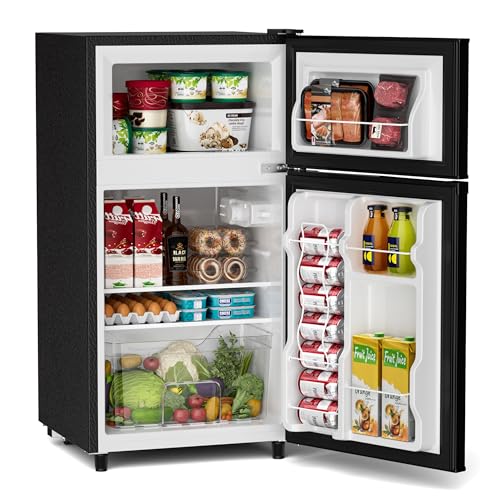
Use a dedicated mini-fridge if possible. Set it to 34-36°F and add a small USB fan to circulate air. Check the meat every week to monitor the crust development. The surface should be dark and firm, not slimy or discolored.
A faint musty smell is normal. A sharp ammonia smell means the meat has spoiled.
After the aging period, trim away all the dried exterior crust before cooking. Cut thick steaks (at least 1.5 inches) to preserve as much usable meat as possible after the trim loss. For more detailed guidance on successful aging techniques at home, proper temperature control and trimming make all the difference.
Which Cuts Benefit Most

Ribeye and strip steak benefit the most from dry aging because their fat content carries and amplifies the developed flavors. The marbling throughout the meat absorbs and concentrates the nutty, earthy compounds created during aging. A Prime ribeye dry-aged for 45 days delivers the most dramatic flavor payoff of any common cut.
Lean cuts like tenderloin and sirloin show less improvement because there’s less fat to concentrate. Tenderloin stays tender whether wet-aged or dry-aged, but the flavor difference is subtle. The higher price for dry-aged tenderloin doesn’t deliver the same return as ribeye or strip.
Short ribs and bone-in cuts also dry-age well. The bones protect some of the meat from surface drying, reducing waste. The connective tissue in short ribs benefits from the extended enzymatic breakdown, producing exceptionally tender braised results.
Avoid dry-aging very lean cuts like eye of round or bottom round. The low fat content means minimal flavor improvement, and the trim loss eats up too much usable meat for the effort to pay off. Just as choosing between different cuts requires understanding their characteristics—like the distinctions between flank and skirt steak—knowing which cuts respond best to dry aging saves both money and effort.
Texture and Tenderness
Both wet and dry aging tenderize beef through enzyme activity, but the texture differs. Wet-aged beef retains all its moisture, so it has a softer, slightly spongier texture. Dry-aged beef has less moisture, creating a firmer, denser bite that some people describe as more “meaty.”
The tenderization effect plateaus after about 28 days for wet aging. Extended wet aging (beyond 35 days) doesn’t improve texture and can produce off-flavors from the anaerobic environment. Dry aging continues to tenderize for 60+ days, though the flavor becomes increasingly intense.
Dry-aged beef cooks faster than wet-aged beef at the same thickness because of lower moisture content. Reduce cooking time by about 15% to 20% to hit the same internal temperature. A 1.5-inch dry-aged ribeye that would normally take 8 minutes per side on a medium-high grill might only need 6 to 7 minutes.
Common Mistakes
Dry-Aging Individual Steaks
The surface-area-to-volume ratio is too high. You’ll trim away most of the steak before cooking. Always start with a whole sub-primal that weighs at least 8 pounds.
Using Your Main Refrigerator
Temperature swings from door openings, strong food odors (garlic, onions, leftovers), and inconsistent humidity ruin dry aging. A dedicated fridge eliminates these variables.
Skipping the Trim
The dried crust must be removed before cooking. It’s hard, unpleasant to chew, and tastes off. Trim it completely, even though it feels wasteful. That trimmed material can go into stock if you want to salvage something.
Aging Choice or Select for Too Long
Lower grades have less marbling to carry the aged flavor. Choice beef hits peak flavor around 30 to 35 days. Prime can handle 45 to 60 days. Select doesn’t improve much beyond 21 days.
Expecting Wet-Aged Flavor from Dry-Aged Technique
If you prefer clean, mild beef flavor, dry aging will disappoint. The funk and earthiness are features, not flaws. Don’t dry-age if you want wet-aged flavor.
Frequently Asked Questions
Is dry-aged beef worth the premium?
For steak lovers who enjoy complex, concentrated beef flavors, yes. For people who prefer a clean, traditional beefy taste, wet-aged (standard grocery store) beef is perfectly satisfying and far more affordable.
If you’ve never tried dry-aged beef, order a single steak at a steakhouse before committing to a home dry-aging project or paying the retail premium.
How much more does dry-aged beef cost?
Expect to pay 50% to 100% more per pound than wet-aged Choice beef at the same grade. The premium reflects the weight loss, trim waste, and aging room costs involved in the process. A Choice ribeye at typical wet-aged pricing might cost significantly more per pound when dry-aged for 45 days.
Can I dry-age in my regular fridge?
It’s not recommended. Regular refrigerators have inconsistent humidity, temperature fluctuations from frequent opening, and food odors that the meat absorbs. A dedicated mini-fridge set to 34-36°F with a small fan for airflow produces much better results.
A basic 3.5-cubic-foot mini-fridge handles one or two whole sub-primals at a time.