
5 Grass-Fed vs Organic Beef Benefits You Need to Know for Better Health
Grass-fed beef is rich in omega-3s, CLA, and antioxidants, supporting health; organic beef limits antibiotics and hormones, prioritizing clean eating and animal welfare.
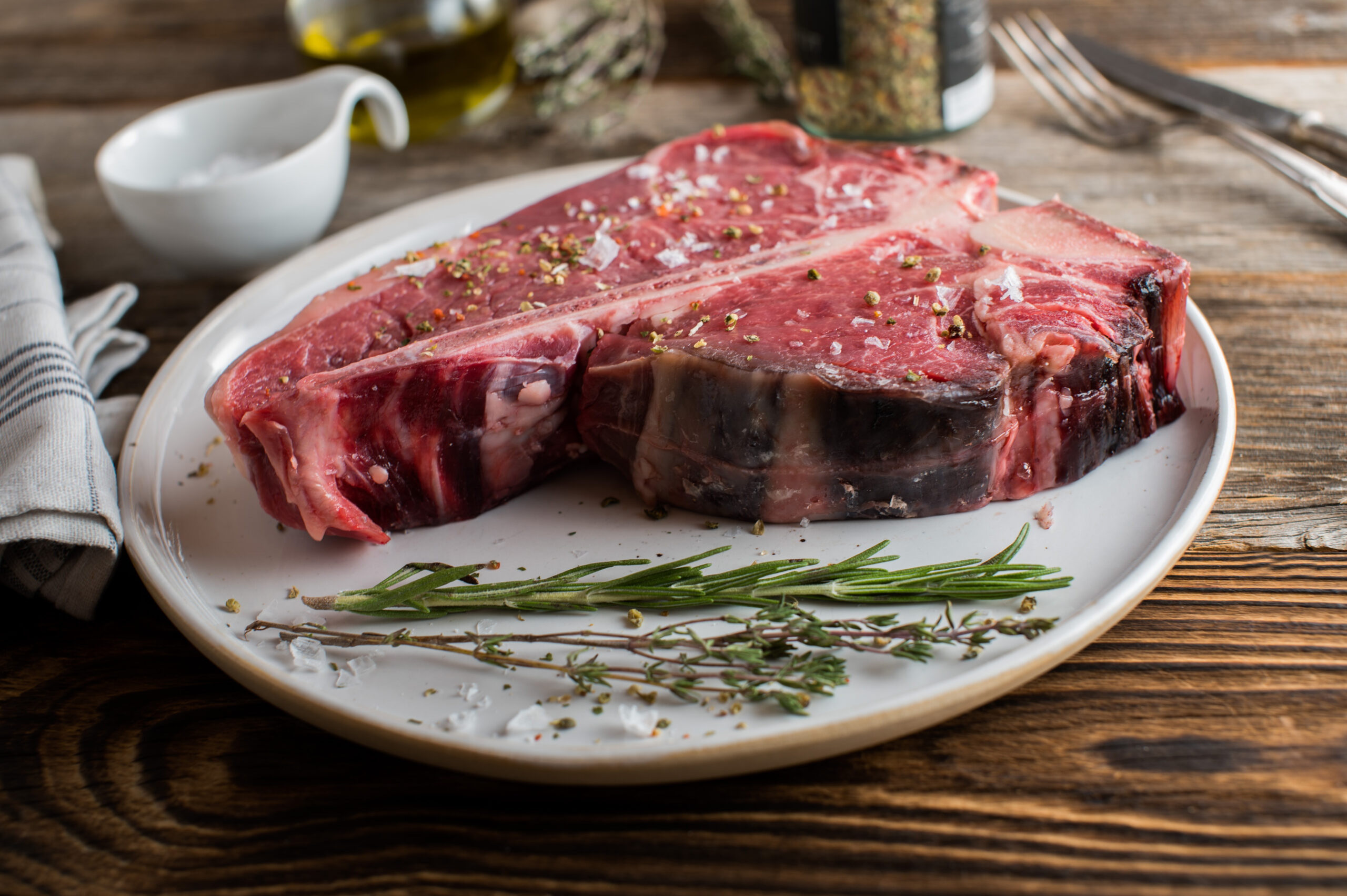
Choosing between grass-fed and organic beef can be confusing, but understanding their benefits helps you make informed decisions. Discover how these options impact your health, the environment, and animal welfare.
Disclosure: As an Amazon Associate, this site earns from qualifying purchases. Thank you!
Nutritional Benefits of Grass-Fed Beef
When choosing your beef, it’s essential to consider the unique nutritional advantages of grass-fed options.
Higher Levels of Omega-3 Fatty Acids
Grass-fed beef contains up to five times more omega-3 fatty acids than grain-fed beef, supporting heart health and reducing inflammation.
More Conjugated Linoleic Acid (CLA)
You’ll find up to 50% more CLA in grass-fed beef, which can support fat loss and improve immune function.
More Antioxidants and Vitamins
Grass-fed beef provides higher levels of antioxidants like Vitamin E and beta-carotene, enhancing overall health and protecting against chronic diseases.
In the video, Dr. Eric Berg DC explains –
- Grass-fed products contain up to five times more omega-3 fatty acids compared to grain-fed products.
- Grass-fed products have a healthier omega-6 to omega-3 fatty acid ratio (7:1 versus 15:1 in grain-fed), which helps reduce inflammation.
- They contain more CLA (Conjugated Linoleic Acid), which acts as an antioxidant and supports cardiovascular function (three times more than grain-fed).
- Grass-fed products are richer in vitamins, minerals, and trace minerals compared to grain-fed counterparts.
- They contain antioxidants like carotenoids sourced from grass, which are typically absent in grain-fed products.
- Grain-fed products, like soy and corn, are often GMO and may contain glyphosate residues, whereas grass-fed products, especially organic ones, generally do not.
- Glyphosate residues in grain-fed products can be up to 20 times higher than in crops used for vegetables due to glyphosate tolerance in genetically modified crops.
- Glyphosate exposure from animal feeds can negatively impact gut microflora and hinder detoxification processes in the body.
- Choosing grass-fed products reduces exposure to herbicides and potentially harmful residues, supporting overall health.
- Grass-fed and organic options are becoming more accessible and affordable, especially in wholesale stores like BJ’s and Costco.
Dr. Eric Berg DC
Nutritional Benefits of Organic Beef
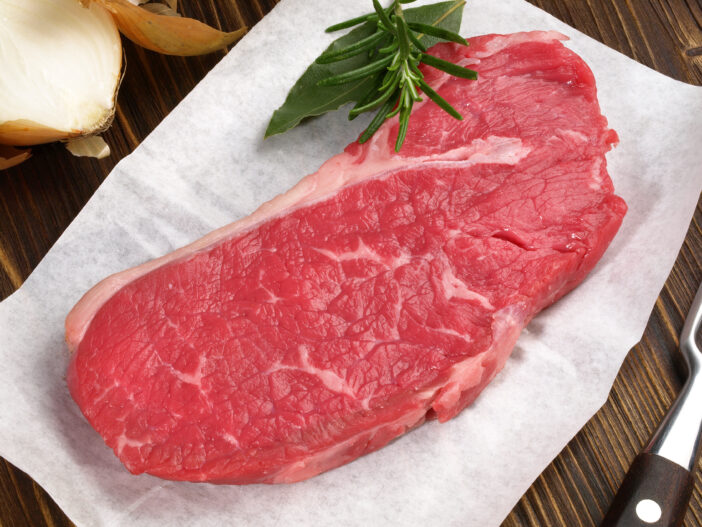
Organic beef offers significant nutritional advantages over conventional options.
Reduced Exposure to Antibiotics and Hormones
Organic beef limits your intake of antibiotics and synthetic hormones. Regulations ensure that organic cattle aren’t given antibiotics or growth hormones, which can be harmful to human health. By choosing organic, you’re reducing your exposure to these substances.
Organic Feed and Its Impact on Beef Quality
Organic feed leads to higher-quality beef. Cattle must eat organic, non-GMO feed without synthetic pesticides or fertilizers. This results in beef with fewer chemical residues and potentially more nutrients like essential fatty acids. Your choice of organic supports cleaner, healthier eating.
Environmental Impact of Grass-Fed Beef

Promotes Healthier Pastures and Biodiversity
Grass-fed beef benefits ecosystems. Grazing cattle helps maintain pasture health by naturally fertilizing the soil and promoting grass growth. They support biodiversity by creating varied plant life, which attracts birds and insects. Understanding these differences in grass-fed and grain-fed beef can help you make more informed environmental decisions.
Reduced Greenhouse Gas Emissions
Grass-fed cattle can emit fewer greenhouse gases. According to a study by UC Davis, proper grazing management can potentially sequester carbon, offsetting methane emissions. This contrasts with the high emissions from grain-fed systems reliant on intensive farming practices.
Environmental Impact of Organic Beef
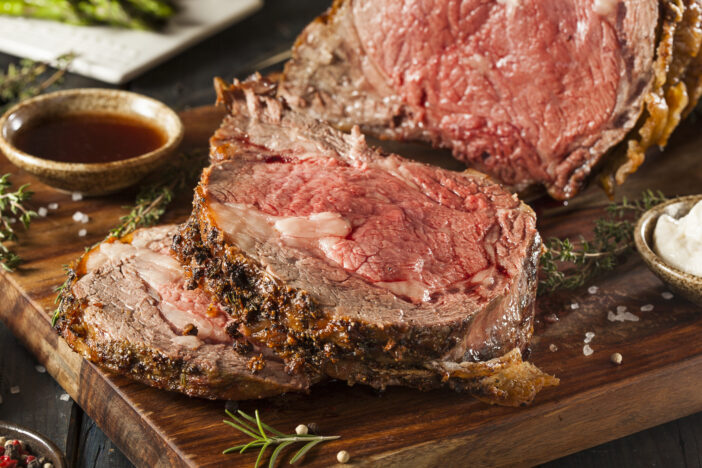
Organic beef has significant environmental benefits linked to its farming practices. These benefits impact soil health, biodiversity, and overall ecosystem stability.
Strict Regulations on Feed and Farm Practices
Organic beef farming follows strict standards, banning synthetic pesticides and fertilizers. These regulations ensure that the cattle graze on organic pastures, which boosts soil health and conserves biodiversity. The absence of genetically modified organisms (GMOs) also means fewer disruptions to local ecosystems.
Reduction in Chemical Use and Its Environmental Benefits
Organic beef production limits the use of antibiotics and hormones. This reduction minimizes the risk of creating antibiotic-resistant bacteria and lowers the chemical runoff into water sources. Cleaner water and soil create a healthier environment for plants, animals, and ultimately humans.
Ethical Considerations in Production
Animal Welfare in Grass-Fed Operations
Grass-fed beef operations typically prioritize open, pasture-based environments. Cows roam freely, engaging in natural behaviors that reduce stress. These practices align with growing consumer demands for ethical treatment of animals.
Animal Welfare in Organic Beef Production
Organic beef production adheres to strict regulations that promote humane treatment. Cows consume organic feed without synthetic additives and live in conditions that support natural behaviors. These standards address ethical concerns about animal welfare, ensuring a higher quality of life for the cattle.


