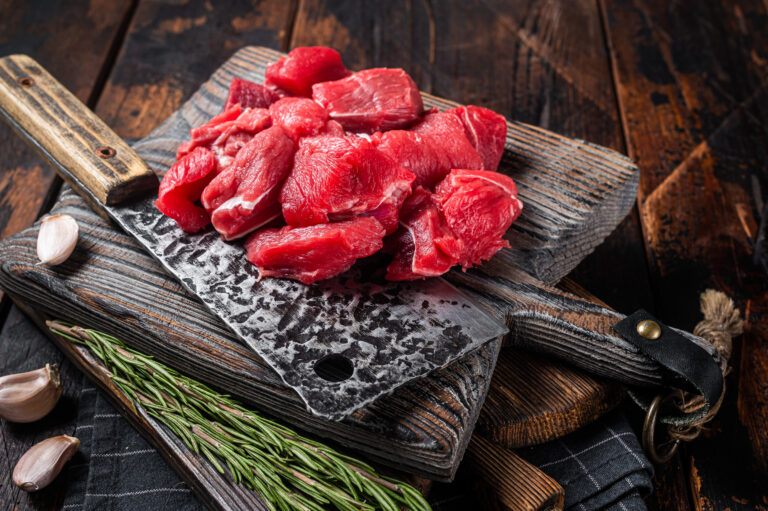
Venison Bolognese: A Slow-Simmered Pasta Sauce Worth the Wait
Traditional venison bolognese with ground deer meat, soffritto, wine, and milk. Three hours of simmering creates deep, complex pasta sauce worth the wait.

Ground venison makes an incredible bolognese sauce that’s richer and more flavorful than the beef version most people know. The lean meat benefits enormously from the traditional long simmer with tomato paste, wine, and milk, creating a deeply savory pasta sauce that’s worth every minute of cooking time.
This isn’t a quick weeknight dinner. You’ll need about three hours for the full simmer, but the active cooking time is only about 30 minutes. The rest is just occasional stirring while the sauce bubbles away, filling your kitchen with incredible aromas.
Disclosure: As an Amazon Associate, this site earns from qualifying purchases. Thank you!
Why Venison Makes Outstanding Bolognese
Venison’s lean profile actually works in your favor for this application. Traditional bolognese uses a fattier ground beef, but venison’s leanness means you control exactly how much fat goes into the sauce. The meat itself has a deeper, more complex flavor than conventional beef, which stands up beautifully to the long cooking process.
The key is understanding that venison needs fat added back in. I add about 2 tablespoons of olive oil directly to the meat as it browns. Some cooks prefer butter, which is also excellent. You’re not trying to replicate beef fat, you’re just giving the meat enough richness to carry the sauce.
Game meat bolognese develops layers of flavor that you simply can’t achieve with store-bought beef. The slightly mineral quality of venison combines with the sweetness from the vegetables and tomato paste, creating something genuinely special.
The Essential Ingredients for Venison Bolognese
Traditional bolognese follows a specific formula, and I don’t recommend messing with it much. Here’s what you need:
- 2 pounds ground venison
- 4 tablespoons olive oil or butter (divided)
- 1 large onion, finely diced
- 2 medium carrots, finely diced
- 2 celery stalks, finely diced
- 4 cloves garlic, minced
- 6 ounces tomato paste (one small can)
- 1 cup dry red wine
- 2 cups whole milk
- 2 cups beef or chicken stock
- 2 bay leaves
- 1 teaspoon dried oregano
- Salt and black pepper to taste
- Fresh parmesan for serving
The vegetable base (onion, carrot, celery) is called soffritto in Italian cooking. You want these vegetables diced very fine, about 1/4 inch pieces. They’ll basically melt into the sauce during the long simmer, adding sweetness and depth.
Browning the Venison Properly
This step makes or breaks your sauce. You want actual browning, not steaming. Heat a large, heavy-bottomed pot or Dutch oven over medium-high heat. Add 2 tablespoons of your chosen fat and let it get hot.
Add half the ground venison to the pot. Break it up with a wooden spoon, but then leave it alone for 3-4 minutes. You’re looking for genuine caramelization on the bottom of the pot. The meat should develop dark brown areas, not just turn from pink to gray.
Break up the meat more thoroughly, stir, and let it brown for another 2-3 minutes. Remove the first batch and repeat with the remaining venison. This two-batch approach prevents crowding, which causes steaming instead of browning.
If you’ve processed your own deer or received it from a hunter, you might need to break up the ground meat more thoroughly than store-bought ground beef. Home-processed venison often has a coarser grind. That’s perfectly fine, just spend an extra minute breaking it into smaller pieces as it cooks.
For more tips on achieving proper browning, check out our guide on browning meat in the oven for stew, which covers similar principles.
Building the Soffritto Base
Remove all the browned venison from the pot and set it aside. Add the remaining 2 tablespoons of fat to the pot and reduce heat to medium. Add your diced onion, carrot, and celery.
Cook these vegetables for 8-10 minutes, stirring occasionally. You want them softened and starting to turn golden, but not browned. They should be fragrant and the onion should be translucent.
Add the minced garlic and cook for another minute. Garlic burns easily, which turns bitter, so it goes in near the end of the soffritto cooking.
The Tomato Paste Technique
Clear a space in the center of your pot and add the entire can of tomato paste. Let it sit for about a minute without stirring. This allows the paste to caramelize slightly against the hot pot, which intensifies its flavor dramatically.
After a minute, stir the paste into the vegetables. Cook everything together for 2-3 minutes, stirring frequently. The mixture will darken and smell sweet and concentrated. This step is crucial for developing the deep, rich flavor that makes bolognese special.
Adding Liquids and Simmering
Return the browned venison to the pot, along with any accumulated juices. Pour in the red wine and turn the heat up to medium-high. Let the wine bubble vigorously for about 5 minutes. You want to cook off the alcohol and reduce the wine by about half.
Add the milk. This might seem strange, but it’s completely traditional in Italian bolognese. The milk adds richness and helps tenderize the meat during the long simmer. It also mellows the acidity from the tomato paste.
Let the milk simmer until it’s mostly absorbed, about 10 minutes. The sauce will look creamy and thick. Then add the stock, bay leaves, and oregano.
Bring everything to a gentle simmer, then reduce heat to low. You want just a few bubbles breaking the surface every second. Cover the pot partway (leave it slightly ajar) and let it simmer for 2.5 to 3 hours.
The Long Simmer Makes the Difference
During this time, stir the sauce every 20-30 minutes. The sauce will reduce and thicken considerably. If it starts looking too thick or begins to stick, add a splash of stock or water. You’re aiming for a thick but spoonable consistency, not a paste.
The long cooking time allows the flavors to meld completely. The vegetables break down into the sauce, the venison becomes incredibly tender, and everything tastes like it was always meant to be together. There’s no substitute for this time. A quick 45-minute simmer will give you meat sauce, but it won’t be bolognese.
After three hours, taste and adjust seasoning. You’ll likely need salt and several grinds of black pepper. The sauce should taste rich, complex, and balanced between savory, sweet, and slightly acidic.
Choosing Your Pasta
Traditional bolognese is served with tagliatelle, the wide flat egg noodles from Bologna. The broad surface area catches and holds the thick sauce perfectly. Pappardelle (even wider ribbons) works beautifully too.
Tube pastas like rigatoni or penne are also excellent choices. The sauce gets inside the tubes and clings to the ridges. I actually prefer rigatoni for this venison version because the slightly heavier sauce really needs those nooks and crannies.
Whatever pasta you choose, cook it until just al dente. Reserve a cup of the pasta cooking water before draining. Toss the hot drained pasta with the sauce, adding splashes of pasta water if needed to help the sauce coat the noodles.
Serving and Storing
Serve the dressed pasta in warm bowls with freshly grated parmesan cheese on top. Real parmigiano-reggiano makes a noticeable difference here. The sauce is rich enough that you don’t need much else, but a simple green salad with vinaigrette cuts the richness nicely.
This sauce freezes exceptionally well. Cool it completely, then portion it into freezer bags or containers. It’ll keep for up to three months. Thaw overnight in the refrigerator and reheat gently on the stovetop, adding a splash of stock if needed.
The sauce actually improves after a day or two in the refrigerator. The flavors continue to develop and meld. Make it on Sunday and you’ll have an even better dinner on Tuesday.
Equipment That Makes It Easier
A heavy Dutch oven is ideal for this recipe. The thick bottom prevents scorching during the long simmer, and the tight-fitting lid (when left ajar) helps control evaporation. If you’re in the market for one, check current prices on enameled cast iron Dutch ovens that will last for decades.
A good wooden spoon is essential for stirring and scraping up the browned bits. Unlike metal utensils, wood won’t scratch your pot or react with acidic ingredients. You’ll find plenty of options when you browse wooden spoons on Amazon.
Getting Your Hands on Quality Venison
If you’re not a hunter, finding venison takes a bit more effort than picking up ground beef. Many butcher shops now carry farm-raised venison, which is more consistent in flavor than wild deer. It’s also available year-round, unlike wild game which is seasonal.
Wild venison from hunting has more variable flavor depending on what the deer ate and how it was processed. Deer that fed on acorns and agricultural crops taste milder than those that browsed on conifers. Both make excellent bolognese, but you might notice subtle differences.
Some specialty meat suppliers sell ground venison online with overnight shipping. While these sources tend to be on the premium side, they offer convenience and quality if you don’t have local access. If you’ve built a relationship with a local butcher for other specialty meats, they can often source venison for you.
Hunters often have freezers full of venison and are happy to share or trade. Many areas have wild game processing facilities that will grind venison to order. If you’re interested in processing your own game, our article on the factors affecting butchering costs covers similar considerations for large game animals.
Recipe Variations Worth Trying
Once you’ve made the basic recipe a few times, there’s room for variation. Some cooks add a handful of dried porcini mushrooms (rehydrated and chopped) to amplify the earthy flavors. The porcini soaking liquid can replace some of the stock.
A tablespoon of balsamic vinegar added in the last 30 minutes of cooking adds subtle sweetness and complexity. Don’t add more than that or it’ll dominate the sauce.
For a richer sauce, substitute heavy cream for half the milk. This makes an even more luxurious dish, though it’s less traditional.
Some cooks mix venison with ground pork (about 70% venison to 30% pork). The pork adds fat and a different flavor dimension. It’s not necessary, but it’s an interesting direction if you want to experiment.
Common Mistakes to Avoid
The biggest error is rushing the simmer. You can’t fake the depth of flavor that comes from three hours of gentle cooking. If you’re short on time, make a different recipe. Bolognese doesn’t work as a quick dinner.
Don’t skip browning the meat properly. Gray, steamed venison produces a flat-tasting sauce. Those browned bits on the bottom of the pot are pure flavor. They’ll dissolve into the sauce during simmering.
Using too much liquid is another common problem. The sauce should be thick and cling to pasta, not soupy. It’s better to start with less liquid and add more as needed during cooking than to add too much initially.
Finally, don’t over-season early in the cooking process. As the sauce reduces, flavors concentrate. What tastes under-seasoned at hour one might be perfect at hour three. Do your final seasoning adjustments in the last 15 minutes.
Pairing This Sauce With Other Dishes
While bolognese is traditionally a pasta sauce, this venison version works beautifully in other applications. Layer it in lasagna with béchamel sauce and fresh pasta sheets. The game meat stands up to the richness better than beef.
Spoon it over creamy polenta for a hearty winter meal. The smooth corn base contrasts perfectly with the textured, meaty sauce. Top with shaved parmesan and fresh herbs.
Use it as a filling for stuffed pasta shells or manicotti. The thick consistency holds together well in baked pasta dishes. These make excellent freezer meals too. If you’re looking for other creative ways to use ground venison, try making venison empanadas with chimichurri sauce for a completely different flavor profile.
Why This Recipe Works for Game Meat
The traditional bolognese technique of adding milk and simmering for hours was designed for tougher cuts of meat. It works even better with lean game meat than it does with fatty beef. The milk proteins help tenderize the venison while the long cooking breaks down any toughness.
The combination of tomato paste (not watery canned tomatoes), wine, and milk creates a sauce that’s intensely flavorful but not heavy. Venison’s natural richness pairs perfectly with these ingredients without becoming overwhelming.
This is genuinely one of the best uses for ground venison. It highlights what makes the meat special while addressing its main challenge (leanness) through classic cooking technique rather than adding a bunch of beef fat or pork.
Making It a Complete Meal
Bolognese is rich enough that you don’t need much alongside it. A simple arugula salad with lemon vinaigrette cuts through the richness and provides a fresh contrast. The peppery arugula complements the deep meat flavors.
Crusty bread for sopping up extra sauce is traditional and non-negotiable. A rustic Italian loaf or ciabatta works perfectly. Warm the bread slightly before serving.
For wine pairing, go with something medium to full-bodied. A Chianti Classico, Barbera, or even a good Merlot complements the venison beautifully. The wine should have enough structure to stand up to the sauce without overpowering it.
Frequently Asked Questions
Can I use venison stew meat instead of ground venison?
You can, but you’