Venison Breakfast Sausage Patties with Maple and Sage
Simple venison breakfast sausage recipe with maple syrup and sage. Mix the night before, cook at camp in the morning. Perfect for hunters and game meat lovers.

Venison breakfast sausage patties are one of the best ways to use deer meat, especially if you’re tired of ground venison that tastes dry or gamey. Mixing the meat with pork fat, maple syrup, and fresh sage creates juicy patties with a sweet-savory flavor that works perfectly for breakfast at camp or at home.
This recipe is built for hunters who process their own deer and want something better than standard breakfast sausage. You’ll get 20-24 patties from a single batch, and they freeze beautifully for quick breakfasts all season long.
Disclosure: As an Amazon Associate, this site earns from qualifying purchases. Thank you!
Why Venison Makes Excellent Breakfast Sausage
Deer meat is leaner than beef or pork, which sounds healthy but creates a problem. Pure venison sausage turns into hockey pucks without added fat. You need at least 20% fat content to get patties that stay moist and cook up tender.
I add pork fat (also called pork trim or fatback) at a 70/30 or 80/20 ratio depending on how lean your venison is. You can ask your local butcher for pork fat trimmings, or buy pre-ground pork with a higher fat content and mix it with your venison. The pork fat carries the maple and sage flavors better than lean meat ever could.
Venison also has a cleaner, slightly sweeter taste compared to beef. It pairs beautifully with breakfast seasonings, especially when you balance the earthy sage with a touch of maple sweetness. If you’ve been wondering about what venison tastes like, these patties are a perfect introduction since the seasonings complement rather than mask the meat.
Ingredients for Maple Sage Venison Patties
This recipe makes about 20-24 two-ounce patties. You can easily halve or double it based on how much venison you have available.
- 2 pounds ground venison
- 1 pound ground pork (20-30% fat content) or pork fat trimmings
- 3 tablespoons pure maple syrup (not pancake syrup)
- 2 tablespoons fresh sage, minced (or 2 teaspoons dried sage)
- 1.5 teaspoons kosher salt
- 1 teaspoon black pepper
- 0.5 teaspoon cayenne pepper (optional but recommended)
- 0.25 teaspoon nutmeg
- 1 teaspoon garlic powder
Use real maple syrup, not the corn syrup stuff. The genuine article adds complexity and depth that artificial syrups can’t match. Fresh sage beats dried every time, but dried works in a pinch. Just cut the amount by two-thirds since dried herbs are more concentrated.
The cayenne is optional, but a small amount adds warmth without making the patties spicy. You won’t taste heat, just a fuller flavor profile that wakes up your palate in the morning.
How to Mix and Form the Patties
Mixing sausage properly makes the difference between patties that hold together and ones that crumble in the pan. You want the meat proteins to bind, which happens through a process called primary binding.
Combine all ingredients in a large bowl. Use your hands to mix everything together, squeezing and kneading for about 2-3 minutes. The mixture should feel sticky and cohesive, not loose and crumbly. This is good. The proteins are developing their bind.
Cover the bowl with plastic wrap and refrigerate overnight. This rest period is critical. The salt draws moisture from the meat, the seasonings penetrate deeply, and the fat firms up so the patties shape easier. You can skip this step if you’re desperate, but overnight resting improves both flavor and texture.
Form patties using a kitchen scale for consistency. Two ounces per patty is ideal for standard breakfast portions. Make them slightly wider than you think they should be and create a small dimple in the center with your thumb. They’ll shrink during cooking, and the dimple prevents them from puffing into meatballs.
Stack formed patties between sheets of parchment paper if you’re freezing them. They’ll separate easily when frozen, and you can grab exactly how many you need for breakfast.
Cooking Venison Breakfast Patties
Cast iron is your best friend here. Heat the pan over medium heat until water droplets dance across the surface, then add the patties. Don’t overcrowd them. Four patties in a 12-inch skillet gives them room to develop a proper crust.
Cook for 3-4 minutes per side without moving them. Venison cooks faster than beef or pork, and you’re aiming for an internal temperature of 160°F. Use an instant-read thermometer to check. Overcooking venison turns it dry and tough, so pull the patties right when they hit temp.
You don’t need added oil or butter if your fat ratio is correct. The pork fat renders out and provides plenty of cooking fat. If your patties are sticking, your pan wasn’t hot enough when you added them.
For camp cooking over a fire or camp stove, use the same technique but watch the heat more carefully. Camp stoves run hotter than you expect, and cast iron holds heat aggressively. Start with lower heat than normal and adjust up if needed.
Alternative Cooking Methods
Oven finishing works great for large batches. Sear the patties in cast iron for 2 minutes per side, then transfer the whole pan to a 350°F oven for 8-10 minutes. This technique gives you the crust from pan searing with even cooking throughout.
Grilling venison patties is trickier because they’re lean and can dry out. If you’re set on grilling, use a two-zone fire. Sear over direct heat for 90 seconds per side, then move to indirect heat and close the lid until they reach 160°F.
You can also apply sous vide sausage cooking tips to these patties. Cook them at 140°F for 1 hour, then sear in a screaming hot pan for 30-45 seconds per side. This guarantees juicy patties that never overcook, though it’s overkill for most breakfast situations.
Seasoning Variations Worth Trying
The maple sage base is classic, but venison is versatile enough to handle different flavor profiles. Italian-style patties work beautifully with fennel seeds, red pepper flakes, and dried oregano instead of the maple and sage.
For a spicier version, double the cayenne and add a teaspoon of smoked paprika. This creates a breakfast sausage similar to chorizo but with the cleaner taste of venison. Serve it with eggs and tortillas for breakfast tacos that’ll change your morning routine.
Apple cider and thyme make another excellent combination. Replace the maple syrup with 2 tablespoons of reduced apple cider (boil half a cup down to 2 tablespoons) and swap sage for fresh thyme. The apple notes work naturally with venison’s slight sweetness.
For more ideas on how to season breakfast sausage effectively, check out these breakfast sausage seasoning tips that apply to any ground meat.
Storing and Freezing Deer Sausage Patties
Formed raw patties freeze perfectly for up to 6 months. Layer them between parchment paper sheets in a freezer-safe container or vacuum seal them in portions. Individual parchment layers prevent them from freezing into one solid block.
Label everything with the date and seasoning type. Trust me, after you make three different batches, you won’t remember which is which by looking at frozen meat patties.
Cook from frozen by adding 2-3 minutes to the cooking time. There’s no need to thaw them overnight unless you’re in a rush and want precise cooking control. Frozen patties just take slightly longer to reach the center.
Cooked patties last 3-4 days in the refrigerator. Reheat them in a dry skillet over medium-low heat, or microwave for 30-45 seconds. They won’t be as crispy as fresh-cooked, but they’ll still taste great.
What to Serve with Venison Breakfast Patties
These patties pair perfectly with classic breakfast sides. Scrambled eggs, hash browns, and fresh biscuits make a complete camp breakfast that’ll fuel you for a full day of hunting or hiking.
I also love them in breakfast sandwiches. Toast an English muffin, add a patty, a fried egg, and a slice of sharp cheddar. The maple sweetness in the sausage balances the tangy cheese beautifully.
For a lighter option, serve the patties alongside roasted sweet potato hash and sautéed greens. The sweet potatoes echo the maple notes while adding fiber and nutrients. This combination gives you a high-protein breakfast meat meal without the heaviness of traditional breakfast plates.
Leftover patties also work cold in lunchbox meals or crumbled over salads. The maple sage seasoning tastes just as good at room temperature as it does hot.
Equipment That Makes Sausage Making Easier
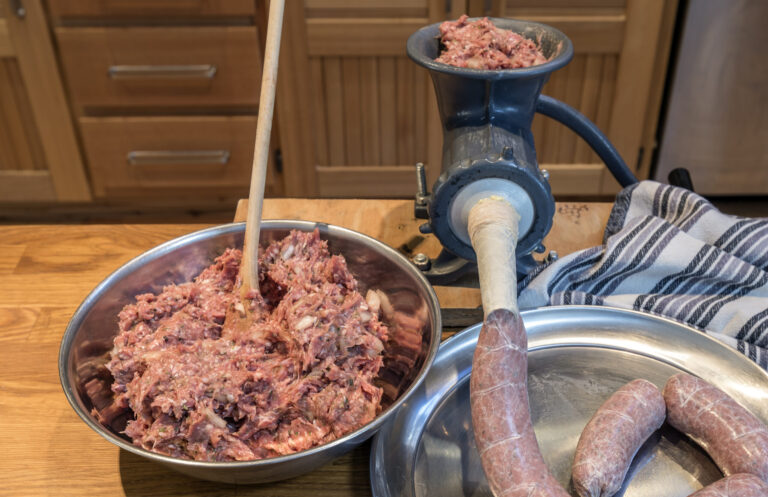
You don’t need specialized equipment for patties, but a few tools make the process smoother. A meat grinder lets you control the fat ratio precisely and grind your venison fresh. If you’re serious about making sausage regularly, check out these sausage making kits that include grinders and stuffers.
A digital kitchen scale ensures consistent patty sizes. I use a basic digital kitchen scale that measures in 0.1-ounce increments. Consistent portions cook evenly and look professional.
An instant-read thermometer is non-negotiable for cooking game meat safely. Venison needs to reach 160°F to be food-safe, and guessing gets you dry, overcooked patties. A reliable instant-read thermometer takes the guesswork out entirely.
For vacuum sealing and long-term storage, a quality vacuum sealer prevents freezer burn and extends shelf life. You can also freeze patties in regular freezer bags if you press out all the air, but vacuum sealing works better for storage beyond 3 months.
Common Mistakes and How to Avoid Them
The biggest mistake is using venison that’s too lean. If you skip the added fat, you’ll get dry, crumbly patties that taste like cardboard. Always add at least 20% fat by weight. More experienced sausage makers prefer 25-30% fat for breakfast patties.
Overmixing the meat develops too much protein binding and creates a tough, bouncy texture like commercial hot dogs. Mix just until the seasonings distribute evenly and the meat feels sticky, then stop. You’re making rustic breakfast patties, not emulsified sausages.
Cooking on too high heat is another common problem. Venison has less fat marbling than beef, which means it doesn’t have the same built-in protection against high heat. Medium heat gives you time to develop a crust without burning the exterior before the center cooks through.
Don’t skip the overnight rest. I know it’s tempting to mix and cook immediately, but the flavor and texture improvements from refrigerating overnight are substantial. The salt needs time to work its magic on the meat proteins.
Processing Your Own Venison for Sausage
If you’re starting with whole deer quarters, trim away all silver skin, connective tissue, and bloodshot meat before grinding. These elements won’t grind smoothly and create stringy bits in your sausage.
Cut the meat into 1-inch cubes before grinding. This size feeds through most grinders easily and prevents motor strain. Keep everything cold. Warm meat smears instead of grinding cleanly, creating a mushy texture.
I chill my grinder parts in the freezer for 30 minutes before use and work in small batches. Grind half the meat, return everything to the fridge, then grind the second half. This prevents the meat from warming up during processing.
For more guidance on working with venison, these venison recipes cover different cuts and cooking methods that showcase deer meat’s versatility.
Scaling This Recipe Up or Down
This recipe scales easily for whatever amount of venison you have available. The key is maintaining the proper meat-to-fat ratio and keeping the seasoning proportions consistent.
For every pound of venison, you need 0.5 pounds of pork fat (for a 70/30 ratio) or 0.33 pounds (for a 75/25 ratio). Calculate your total meat weight, then divide by 3 to get your seasoning amounts. Three pounds of total meat (the base recipe) uses 3 tablespoons maple syrup, 2 tablespoons sage, etc.
Small batches of 1-2 pounds total meat work fine, but I recommend making at least the full 3-pound recipe. You’re already doing the work, and frozen patties last months. Having ready-made breakfast sausage in your freezer beats buying commercial options every time.
Large batches of 10+ pounds need extra attention to mixing. Your arms will get tired before the seasonings distribute evenly. Mix in stages, dividing the total batch into 3-4 portions and combining everything at the end.
How This Compares to Store-Bought Breakfast Sausage
Commercial breakfast sausage relies on sugar, salt, and msg to create flavor. There’s nothing wrong with that approach, but homemade venison patties taste cleaner and let the meat shine through. You control every ingredient and know exactly what you’re eating.
Nutritionally, venison breakfast sausage with added pork fat still has less total fat than most store-bought options. Deer meat is naturally lean and high in protein, giving you about 20-25 grams of protein per two-patty serving compared to 10-15 grams in commercial pork sausage.
Texture is different too. Commercial sausage makers use emulsifiers and binders to create a specific springy texture. Homemade patties have a coarser, more rustic bite that feels substantial rather than processed. If you’ve been disappointed by store-bought breakfast sausage brands, making your own gives you complete control over texture and seasoning.
Cost comparison depends on whether you hunt your own deer or buy venison. Harvesting your own deer makes these patties extremely budget-friendly, especially considering you’re getting premium wild game. If you’re buying ground venison, check current prices and compare to quality breakfast sausage options.
Food Safety Considerations for Game Meat
Wild game requires careful handling because it doesn’t go through the same inspection process as commercial meat. Field dress your deer quickly after harvest, ideally within an hour. Rapid cooling prevents bacterial growth and improves meat quality.
Keep your processing area and equipment scrupulously clean. Wash your hands, cutting boards, and knives with hot soapy water between tasks. Cross-contamination is the biggest food safety risk when working with raw meat.
Cook venison sausage to an internal temperature of 160°F minimum. This temperature kills any potential parasites or bacteria. Use a calibrated thermometer and check multiple patties in a batch, not just one.
According to the USDA food safety guidelines, ground meats are more susceptible to bacterial contamination than whole cuts because grinding distributes any surface bacteria throughout the product. This makes proper cooking temperature even more critical for sausage than for venison steaks.
Adapting This Recipe for Link Sausages
The same seasoning blend works beautifully for stuffed link sausages if you have a sausage stuffer. You’ll need hog casings, which you can order online or get from a butcher shop. Soak the casings in warm water for 30 minutes before stuffing to make them pliable.
Stuff the casings firmly but not so tight they burst. Leave yourself room to twist off individual links. Four-inch links are standard breakfast sausage size. Twist in alternating directions to prevent the links from unraveling.
Links need slightly different cooking than patties. Simmer them in water at 160-170°F for 15-20 minutes, then finish in a hot pan for color and crust. This gentle cooking prevents the casings from bursting while ensuring the centers cook through. For detailed guidance, check out these tips for smoking sausage that also apply to fresh breakfast links.
You can also get dedicated equipment like these sausage stuffers designed specifically for making links at home.
Frequently Asked Questions
Can I use ground pork instead of adding separate pork fat to venison?
Yes, mixing ground pork with your venison works perfectly. Use pork with 20-30% fat content and blend it with the venison at a 50/50 ratio or adjust based on how lean your deer meat is. This is actually easier than sourcing pure pork fat, though you’ll pay a bit more for ground pork than for fat trimmings. The flavor stays excellent either way.
How long do I need to cook venison breakfast patties?
Cook venison patties for 3-4 minutes per side over medium heat, aiming for an internal temperature of 160°F. Total cooking time runs 8-10 minutes for two-ounce patties. Venison cooks faster than beef because it’s so lean, and overcooking makes it dry and tough. Always use a meat thermometer rather than guessing based on time alone.
Can I make these patties without maple syrup?
You can skip the maple syrup, but you’ll lose the sweet-savory balance that makes these patties special. If you want to avoid maple, substitute brown sugar (1.5 tablespoons) or honey (2 tablespoons) instead. The sweetness balances the sage and prevents the sausage from tasting too herbal. Going completely sugar-free works but creates a more savory, less complex flavor profile.
What’s the best way to prevent venison sausage from tasting gamey?
Remove all silver skin, fat, and bloodshot meat before grinding. Venison’s own fat tastes gamey, while muscle meat tastes clean and mild. Adding pork fat instead of deer fat eliminates most gamey flavors. Proper field dressing and rapid cooling after harvest also prevent the strong taste some people associate with wild game. The maple and sage seasonings in this recipe complement venison’s natural flavor rather than masking it.
Final Thoughts on Making Venison Breakfast Sausage
These maple sage venison patties beat anything you’ll find in a grocery store freezer section. The combination of lean deer meat, pork fat, and carefully balanced seasonings creates breakfast sausage that’s both healthier and more flavorful than commercial options.
Mix a batch the night before your next camping trip or hunting weekend. Cook them over a camp stove or fire alongside eggs and coffee for a breakfast that makes waking up early worthwhile. The recipe scales easily whether you’re cooking for two people or a full hunting camp.
If you process your own deer, this recipe should be in your regular rotation. It’s simple enough for beginners but produces results that’ll impress experienced game cooks. Give it a try with your next venison harvest and you’ll understand why homemade breakfast sausage is worth the minimal extra effort.
This article contains affiliate links. If you purchase through these links, we may earn a small commission at no extra cost to you.