
Where to Buy Cheap Seafood: Costco, Walmart & More
Seafood doesn’t have to be expensive. The key is knowing which stores offer the best combination of price, quality,…

Seafood doesn’t have to be expensive. The key is knowing which stores offer the best combination of price, quality, and variety for the species you buy most. The best seafood deals are split between warehouse clubs, discount grocers, and a source most people overlook entirely.
Disclosure: As an Amazon Associate, this site earns from qualifying purchases. Thank you!
Costco Frozen Seafood

Costco’s frozen seafood section is hard to beat on per-pound pricing for shrimp, salmon portions, cod fillets, and mahi-mahi. Their Kirkland Signature brand maintains consistent quality, and the large bag sizes bring the per-serving cost down significantly.
The frozen wild-caught sockeye salmon portions typically run competitively priced to competitively priced per pound, compared to competitively priced to competitively priced per pound for similar quality at standard grocery stores. The raw tail-on shrimp bags, usually sold in 2-pound packages, average competitively priced to competitively priced per pound depending on size (31/40 count runs cheaper than 16/20 count jumbo). For context, that same shrimp competitively priced to competitively priced per pound at most supermarket counters.

Kirkland Signature Wild Sockeye Salmon
Excellent quality-to-price ratio for frozen wild-caught salmon
Costco also carries frozen crab legs, scallops, and lobster tails that, while not cheap, are priced well below restaurant prices. Frozen snow crab legs typically sell competitively priced to competitively priced per pound versus competitively priced+ at seafood counters. Frozen lobster tails average competitively priced to competitively priced per pound, half what you’d pay at a restaurant and still cheaper than most fish markets.
The quality holds up. Kirkland Signature sources from established processors with decent traceability. The wild-caught Alaska sockeye carries Marine Stewardship Council certification. Farmed shrimp and salmon disclose country of origin on the label.
One drawback: the package sizes are large. If you don’t have freezer space or a small household, you’ll need to commit to eating the same seafood multiple times per week or vacuum sealing portions for later. A 3-pound bag of shrimp or a 2.5-pound box of salmon portions isn’t practical for every kitchen.
Costco’s seafood roadshow events, typically held twice a year, bring additional variety like live lobsters, Dungeness crab, and specialty fish. Prices during these events beat standard retail by 20 to 30 percent.
Walmart Fresh and Frozen
Walmart’s frozen seafood aisle offers the lowest everyday prices on basics like tilapia, swai, pollock, and frozen shrimp bags. Their Great Value brand frozen fillets are budget-friendly for weeknight fish tacos, baked fish dinners, and stir-fries.
Frozen tilapia fillets run competitively priced to competitively priced per pound. Swai (a Vietnamese catfish) typically competitively priced to competitively priced per pound. Pollock fillets, the same fish used in most fast-food fish sandwiches, average competitively priced to competitively priced per pound. These aren’t premium species, but they’re mild, versatile, and stretch a tight grocery budget.
Walmart’s frozen shrimp bags undercut most competitors on price. A 2-pound bag of peeled, deveined tail-on shrimp averages competitively priced to competitively priced per pound for 41/50 count size. That’s basic farm-raised product, but it works fine for shrimp scampi, stir-fries, and pasta dishes where you’re adding plenty of seasoning.
The fresh seafood counter at Walmart varies significantly by location. Stores with high turnover tend to have fresher product. Always check the appearance and smell before buying from the counter; if it doesn’t look right, stick with frozen. Fresh fish should have clear eyes (if whole), firm flesh that springs back when pressed, and a clean ocean smell, not fishy or ammonia-like odors.
Walmart’s fresh counter pricing beats most mid-tier grocery chains. Fresh Atlantic salmon typically runs competitively priced to competitively priced per pound compared to competitively priced to competitively priced elsewhere. Fresh tilapia fillets competitively priced to competitively priced per pound. Availability depends on your store’s seafood program; smaller Walmart locations may not stock a full fresh counter.
Aldi
Aldi’s rotating seafood specials (often in their “Aldi Finds” section) include frozen salmon fillets, shrimp, and specialty items at prices that undercut most competitors. Their standard frozen seafood lineup is compact but well-priced.
Aldi’s frozen wild-caught pink salmon fillets typically sell competitively priced to competitively priced per pound when available. Frozen shrimp bags run competitively priced to competitively priced per pound for smaller sizes. Frozen cod or pollock fillets competitively priced to competitively priced per pound. These prices consistently beat Kroger, Safeway, and similar chains by competitively priced to competitively priced per pound.
The “Aldi Finds” rotation brings in items like frozen lobster tails, crab cakes, breaded fish portions, and marinated salmon. These specials appear for a week or two, then disappear. If you see something you want, buy it then. It may not come back for months.
Aldi’s standard frozen seafood selection includes basics like breaded fish sticks, frozen shrimp bags, and salmon portions. The everyday lineup is smaller than Walmart or Costco, but what they carry is priced right.
Availability is the main limitation. Aldi doesn’t carry the same items every week, so you may need to stock up when your preferred seafood appears and skip weeks when it doesn’t. If your household eats salmon twice a week, Aldi’s sporadic stocking won’t cut it as your only source.
Asian Grocery Stores

This is the best-kept secret for affordable seafood. Asian grocery stores like H Mart, 99 Ranch, and local Asian markets carry a much wider variety of seafood at prices that often beat every other retailer. Whole fish, squid, clams, mussels, octopus, and head-on shrimp are all typically cheaper here.
The selection reflects cuisines that use seafood extensively, so you’ll find species and preparations that mainstream stores don’t carry. Quality is generally excellent because high turnover means fresh inventory. Tanks of live fish, crab, lobster, and shellfish are common. You can pick your fish and have it cleaned on the spot.
Pricing examples from typical Asian markets: whole tilapia or catfish runs competitively priced to competitively priced per pound. Fresh squid competitively priced to competitively priced per pound. Mussels and clams average competitively priced to competitively priced per pound. Head-on shell-on shrimp (which you peel and devein yourself) runs competitively priced to competitively priced per pound, significantly cheaper than the competitively priced to competitively priced you’d pay for pre-peeled shrimp at a standard grocery counter.
Whole fish costs less per pound than fillets because you’re paying for the head, bones, and skin. A 2-pound whole fish yields about 1 to 1.25 pounds of fillet after cleaning, so factor that into your actual cost. But even after accounting for trim loss, you’re ahead on price.
Asian markets also stock frozen seafood that mainstream stores don’t carry: frozen whole mackerel, frozen squid, frozen fish balls, and bulk shrimp at prices that rival or beat Costco. The frozen section often includes value-oriented family packs sized for households that cook seafood multiple times per week.
The staff at these markets typically know how to prepare what they sell. Ask for cooking tips, especially for unfamiliar species. They’ll often suggest the best cooking method and how long to steam, grill, or fry a particular fish.
Sam’s Club
Sam’s Club functions similarly to Costco for frozen seafood but with slightly different product selection. Their Member’s Mark brand carries frozen salmon, shrimp, tilapia, mahi-mahi, and cod at warehouse pricing that competes directly with Costco.
Frozen salmon fillets run competitively priced to competitively priced per pound. Frozen shrimp bags (2 to 3 pounds) average competitively priced to competitively priced per pound depending on size. Frozen tilapia and swai competitively priced to competitively priced per pound.
Sam’s Club occasionally stocks fresh seafood at the counter, including fresh salmon, tuna steaks, and jumbo shrimp, but availability varies by location. Where available, fresh counter prices are competitive with Costco.
The main advantage of Sam’s over Costco is location. In areas where Sam’s Club has more stores than Costco, it’s the more convenient warehouse option. Product quality between the two is comparable.
Local Seafood Markets and Fish Mongers
Dedicated seafood markets and fish mongers don’t compete on price with warehouse clubs or discount grocers, but they offer species and cuts you won’t find elsewhere. Whole fish, custom filleting, specialty shellfish, and seasonal catches are their strong points.
Pricing runs 20 to 40 percent higher than grocery store counters, but the quality and freshness often justify the premium. A good fish monger sources directly from processors and can tell you where a fish was caught, when it arrived, and how to cook it.
These shops make the most sense when you want a specific species for a special meal, need expert filleting, or live in a coastal area with access to same-day catches. For everyday seafood meals, warehouse clubs and Asian markets deliver better value.
Online Seafood Delivery
Services like Vital Choice, Wild Alaskan Company, and Sizzlefish ship frozen seafood directly to your door. The per-pound prices are higher than store-bought, but the quality (especially for wild-caught salmon and sustainably sourced fish) is often superior.
Wild Alaskan Company’s subscription boxes run competitively priced to competitively priced per serving (roughly competitively priced to competitively priced per pound for a 6-ounce portion). Vital Choice wild-caught sockeye salmon competitively priced to competitively priced per pound depending on cut and quantity. Sizzlefish wild-caught fish and shrimp average competitively priced to competitively priced per pound after factoring in shipping.
These services make the most sense for shoppers in landlocked areas with limited local seafood options, or for those seeking specific species and sourcing standards that grocery stores can’t match. Subscription boxes eliminate decision fatigue and deliver a rotating variety of fish.
The tradeoff is cost. You’re paying for premium sourcing, traceability, and convenience. If your primary goal is stretching your grocery budget, stick with warehouse clubs and Asian markets.
Grocery Store Sales and Loss Leaders
Mainstream grocery chains (Kroger, Safeway, Albertsons, Publix) run seafood sales tied to seasonal demand. Lent brings the deepest discounts on frozen and fresh fish. Weekly ad circulars also feature rotating seafood deals throughout the year.
During peak sale periods, grocery store seafood can match or beat warehouse club pricing. Frozen shrimp bags drop to competitively priced to competitively priced per pound. Salmon fillets hit competitively priced to competitively priced per pound. Tilapia and swai go as low as competitively priced per pound.
Check weekly ads before you shop. If your regular grocery chain is running a seafood sale that week, stock up. If not, skip it and hit Costco or an Asian market instead.
Loyalty card programs at grocery chains also offer digital coupons for seafood. Combining a sale price with a digital coupon can bring costs down another competitively priced to competitively priced per pound.
Buying Whole Fish vs. Fillets

Whole fish costs significantly less per pound than fillets, but you’re paying for parts you don’t eat. A whole fish yields roughly 50 to 60 percent usable fillet after removing the head, bones, skin, and organs.
Example: whole tilapia at an Asian market competitively priced per pound. A 2-pound whole fish competitively priced and yields about 1 to 1.2 pounds of fillet. Your actual cost per pound of fillet is competitively priced to competitively priced, still cheaper than buying pre-cut fillets competitively priced to competitively priced per pound elsewhere.
If you’re comfortable with basic fish butchery or the store offers free cleaning (many Asian markets do), buying whole fish saves money. If you’re not interested in dealing with bones and guts, the convenience of pre-cut fillets may be worth the markup.
Avoid These Seafood Mistakes
Don’t assume “fresh” means better. Most grocery store “fresh” seafood was previously frozen and thawed for display. Flash-frozen seafood is locked in at peak freshness and often tastes better than thawed fish that’s been sitting on ice for days.
Don’t overbuy without a plan. Frozen seafood keeps for 3 to 6 months in a standard freezer, longer if vacuum sealed. Fresh seafood needs to be cooked within 1 to 2 days. If you’re not cooking it soon, frozen is the smarter buy.
Don’t ignore the ingredient label on frozen shrimp. Sodium tripolyphosphate (STPP) is a common additive used to retain moisture. It’s safe, but it adds water weight, and shrimp treated with STPP can release excess water when cooked, making them harder to sear properly. Look for shrimp labeled “chemical-free” or “no additives” if you want to avoid it.
Don’t assume wild-caught is always better than farmed. Wild-caught fish often has better flavor and texture, but farmed fish from responsible sources (Norwegian salmon, U.S. catfish, domestic rainbow trout) can be high quality and more affordable. Farmed shrimp from Southeast Asia is hit or miss; check for certifications like Best Aquaculture Practices (BAP) or Aquaculture Stewardship Council (ASC).
How to Use Your Affordable Seafood
Once you’ve stocked up on budget-friendly seafood, you’ll want recipes that make the most of it. Grilled mahi-mahi tacos work great with Costco’s frozen mahi-mahi fillets, while grilled shrimp skewers turn those warehouse club shrimp bags into something special.
If you picked up salmon at Costco or Walmart, try smoking it at home for a fraction of what you’d pay for store-bought smoked salmon. For a quick weeknight meal, sautéed fish fillets with lemon-garlic butter works with any white fish you found on sale.
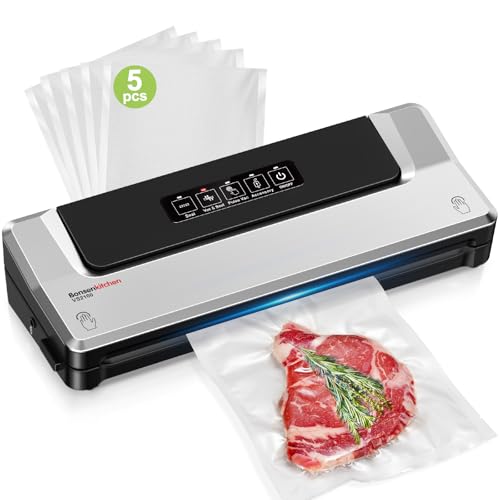
Vacuum Sealer for Freezing Seafood
Essential for portioning bulk seafood purchases and preventing freezer burn
Frequently Asked Questions
Is Costco or Walmart better for frozen shrimp?
Costco offers better per-pound pricing on larger bags, but Walmart’s smaller bags are more practical for small households. Quality is comparable for both; check the label


